
Navigating the Storm: Understanding Bag Raw Material Price Surges and Sourcing Strategies Amidst Geopolitical Tensions
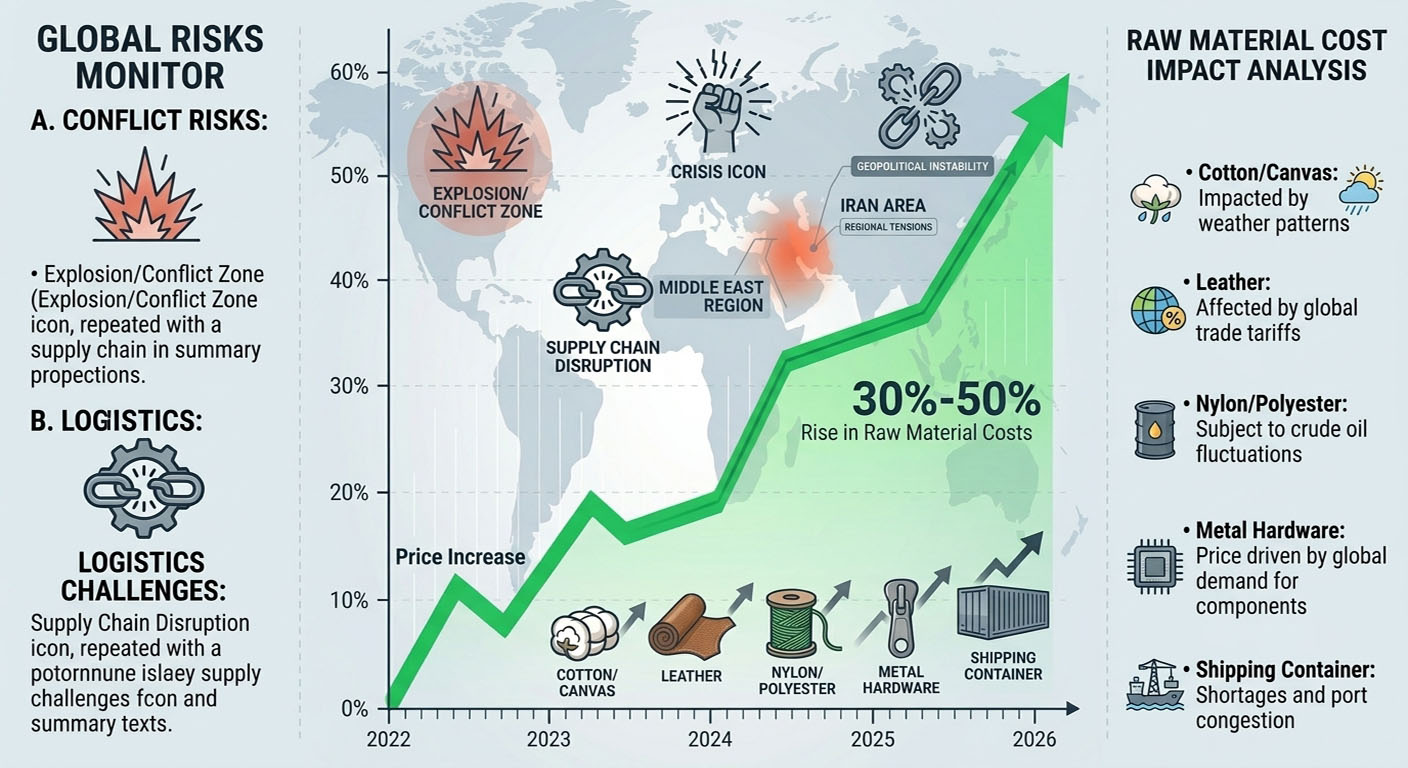
The global supply chain for bag manufacturing is experiencing significant turbulence, largely driven by the complex geopolitical situation surrounding Iran. As a trusted partner in the bag sourcing industry, we are acutely aware of the challenges our clients face. The most pressing issue? Dramatic increases in raw material costs – with prices fluctuating daily and many key inputs seeing 30% to 50% hikes. If you have received quotes from us that haven’t yet been finalized into orders, please reach out for updated pricing – the landscape is shifting rapidly.
This volatility necessitates a deeper understanding and strategic adaptation. Let’s break down the causes, impacts, and proactive steps you can take.
1. How the Iranian Situation Disrupts the Bag Material Supply Chain
The “Iranian issue” isn’t just a headline; it’s a tangible disruptor impacting the flow and cost of bag materials in several interconnected ways:
Oil Prices & Petrochemical Derivatives: Iran is a major oil producer. Sanctions, threats to shipping lanes (like the Strait of Hormuz), and regional instability directly impact global oil prices. Many bag materials are petrochemical-based: synthetic fabrics (polyester, nylon), plastic components (zippers, buckles, hardware coatings), PU/PVC leathers, and even linings and adhesives. Higher oil prices directly translate into higher production costs for these materials.
Transportation Costs & Logistics: Geopolitical tensions in the Persian Gulf region increase insurance premiums for cargo ships and can lead to longer, more expensive alternative shipping routes. This affects the cost of importing raw materials into China for manufacturing and the cost of exporting finished bags out* of China to global markets. Delays also disrupt production schedules.
Trade Policy Uncertainty & Sanctions Ripple Effects: Sanctions on Iran can complicate trade routes and financial transactions even for non-Iranian goods if they involve entities or routes indirectly affected. This creates bureaucratic hurdles and potential delays, adding indirect costs and uncertainty.
Market Sentiment & Speculation: Geopolitical instability breeds market nervousness. Traders and suppliers may adjust prices upwards preemptively based on perceived risks of future disruptions or shortages, further fueling price volatility.
The result is a supply chain under pressure, leading to the “one price today, another tomorrow” reality we are witnessing.
2. Effective Negotiation Strategies with Chinese Suppliers During Price Surges
Negotiating in this environment requires finesse and a focus on mutual benefit:
Transparency & Open Communication: Acknowledge the market situation upfront. Ask suppliers to explain the specific cost drivers impacting your quote (e.g., “Is this nylon increase due to resin costs or freight?”). This builds trust and provides a basis for discussion.
Explore Volume Commitments & Longer-Term Contracts: If feasible, committing to larger volumes or agreeing on longer-term contracts (even if not fixed-price, perhaps with defined adjustment mechanisms) can provide suppliers with security, potentially leading to slightly better rates than one-off orders during peak volatility. Be realistic about your own inventory needs.
Flexibility on Specifications (Within Reason): Discuss if there are alternative, slightly less affected materials or components that could meet your quality standards at a lower cost point right now*. However, don’t compromise core quality.
Payment Terms: While suppliers might push for faster payments due to their own cash flow pressures during inflation, explore if standard terms (like 30% deposit, 70% before shipment) are still feasible. Highlighting your reliability as a partner can be valuable currency.
Focus on Partnership, Not Just Price: Emphasize your commitment to a long-term relationship. Suppliers are more likely to go the extra mile (e.g., absorbing minor increases, prioritizing your order) for clients they view as dependable partners, especially when they are also facing pressures.
3. Alternative Materials and Sourcing Regions to Mitigate Costs
Diversification is key to building resilience:
Alternative Materials:
Natural Fibers: Explore increased use of cotton canvas, jute, or linen blends where suitable for the bag style. While these can also be affected by agricultural conditions and freight, they may be less directly tied to oil prices than synthetics.
Recycled Materials: RPET (recycled polyester) is becoming more mainstream. While its price is often linked to virgin PET, it can sometimes offer stability or brand value. Recycled cotton is another option.
Material Weight/Thickness: Discuss if a slightly lighter weight fabric or less dense foam padding could suffice without compromising durability, reducing material usage per unit.
Simplified Hardware: Consider designs requiring fewer buckles, zippers, or complex plastic parts.
Alternative Sourcing Regions (for Raw Materials or Finished Goods):
Within China: While China is the manufacturing hub, raw materials might be sourced from different provinces. Suppliers may have relationships with mills in regions with potentially lower logistical hurdles or different cost bases.
Southeast Asia: Vietnam, Indonesia, and Bangladesh are major players in bag manufacturing. Exploring sourcing finished bags or specific components from these regions could offer different cost structures or logistics routes less impacted by Persian Gulf tensions. However, assess quality consistency, lead times, and their* raw material sourcing (which often still relies on China or imports).
Nearshoring/Regional Sourcing: Depending on your end market, exploring production closer to home (e.g., Turkey for Europe, Mexico/Central America for the Americas) could reduce long-distance freight costs and risks, though material costs may still be global.
Important Note: Switching materials or regions isn’t instantaneous. It requires sampling, testing, quality assurance, and potential factory requalification. Factor this lead time into your strategy.

4. Financial Risks During Geopolitical Instability
Importing during such times introduces heightened financial risks:
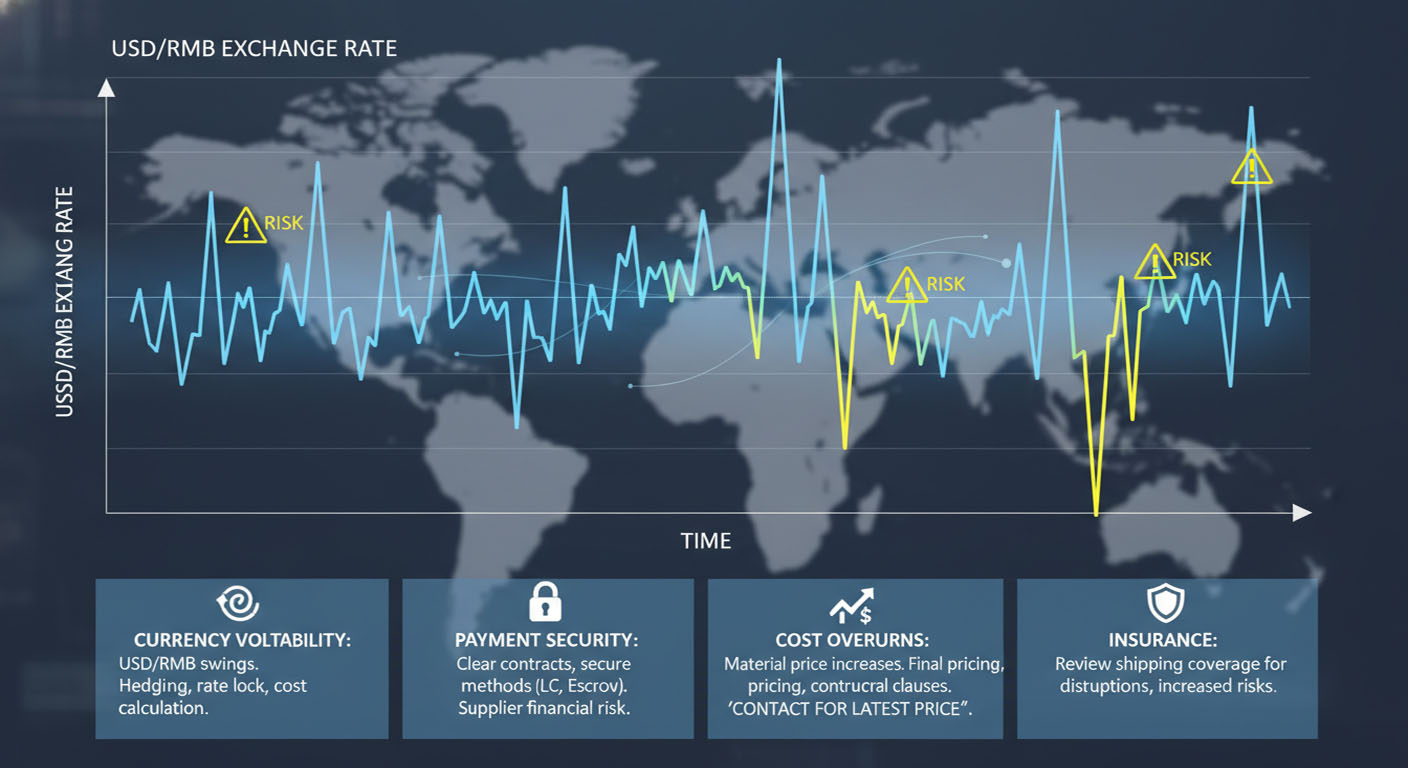
Currency Fluctuations: Geopolitical instability often leads to volatility in currency markets. The USD/CNY exchange rate can swing significantly. A strengthening RMB against the USD makes Chinese goods more expensive for you. Conversely, a weakening RMB could offer temporary relief but might indicate broader economic concerns. Mitigation: Consider hedging strategies if dealing with large orders. Lock in exchange rates with your bank for the payment period if possible. Factor potential currency moves into your costing.
Payment Security: Ensure robust contracts that clearly define payment terms, quality standards, and delivery schedules. Use secure payment methods (like Letters of Credit – though they add cost – or escrow services) to protect both parties, especially with new suppliers. The risk of suppliers facing financial difficulties increases during economic stress.
Cost Overruns: The core issue of material prices rising after order confirmation but before* production completion is a major risk. Mitigation: This is precisely why confirming the final price at the point of order placement is absolutely critical. Ensure contracts have clear clauses regarding material cost fluctuations and how they are handled (e.g., price adjustment formulas, shared burden, or fixed price with a limited validity period). The note “已报价未下单的客户,下单时请联系我们确定最新的准确的价格” (Clients with quotes not yet ordered, please contact us for the latest accurate price when placing an order) is essential risk management.
Insurance: Review your cargo insurance to ensure adequate coverage for potential disruptions along new routes or increased risks.
Conclusion: Proactive Partnership is Key
The ripple effects of the Iranian situation on bag raw materials are real and impactful, driving the significant 30-50% price increases and daily fluctuations we see. Navigating this requires more than just placing orders; it demands strategic sourcing, informed negotiation, risk mitigation, and open communication with your supply chain partners.
As your dedicated sourcing partner, we are constantly monitoring these market dynamics. We strongly reiterate: if you are holding an unconfirmed quote, contact us immediately for an updated price before placing your order. This ensures transparency and protects both parties from unexpected cost overruns.
By understanding the underlying causes, exploring alternatives, negotiating strategically, and managing financial risks, we can work together to weather this period of instability and secure the best possible outcomes for your bag business.
Partner with us for informed sourcing in challenging times.

Post time: Apr-02-2026