
Unlocking Creative Potential: How Chinese Bag Factories Empower Small Design Brands
Introduction: The New Era of Agile Manufacturing
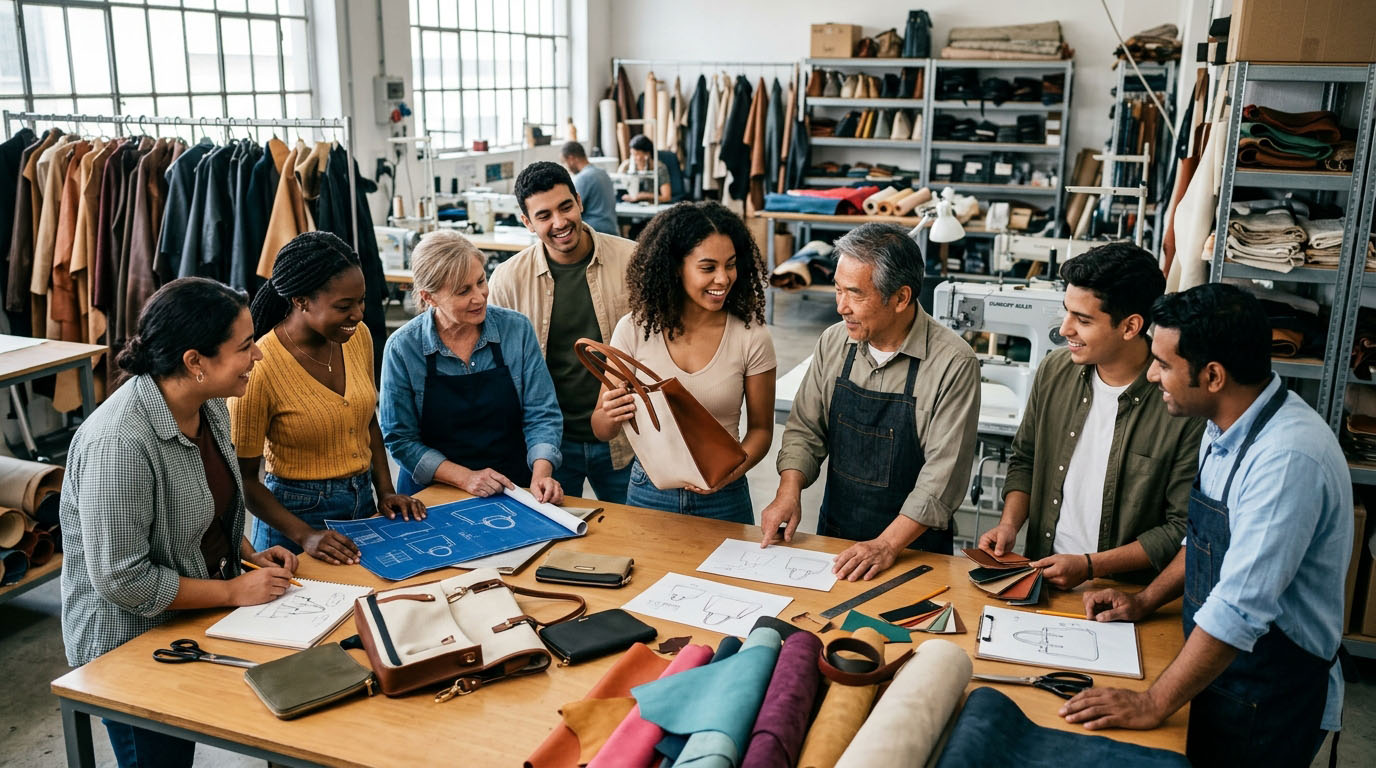
Gone are the days when “Made in China” solely meant mass-produced generic goods. A seismic shift is underway: Chinese bag factories are now pivotal partners for independent designers and niche brands seeking quality, creativity, and ethical production. This transformation is redefining global supply chains, offering unprecedented opportunities for small labels to compete with established players.
1. Low MOQs: The Gateway for Emerging Brands
Breaking the 1,000+ Piece Barrier
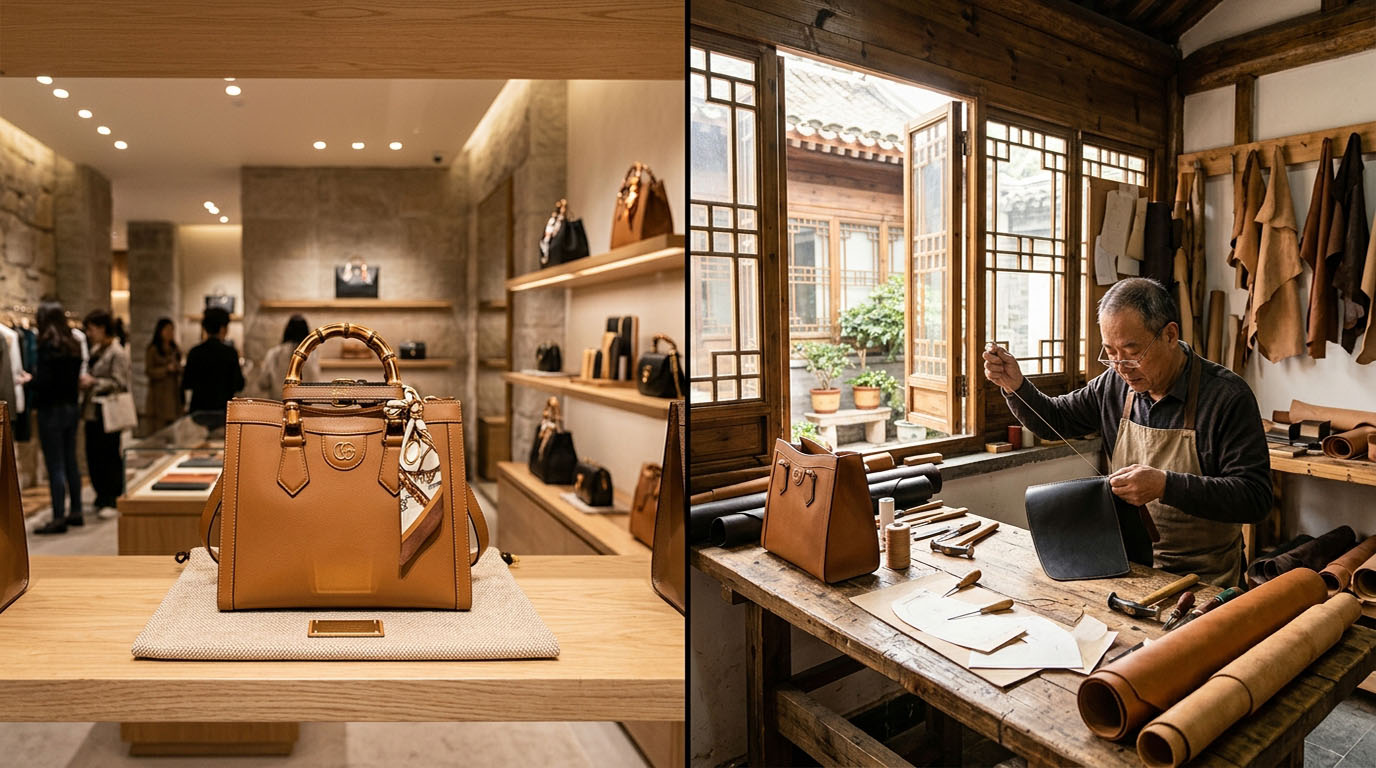
While traditional factories required massive orders (often 1,000+ units), progressive manufacturers now offer MOQs as low as 50-300 pieces per design. This flexibility allows startups to:
Test market viability without crippling inventory costs
Launch seasonal collections with minimal financial risk
Iterate designs rapidly based on real-time customer feedback
Key Insight: At LeelineSourcing, we’ve observed brands reduce initial production costs by 70% using tiered MOQ systems (e.g., 50 units for canvas, 100 for leather).
2. Design Integration: From Sketch to Shelf
Beyond Manufacturing: Co-Creation Partnerships
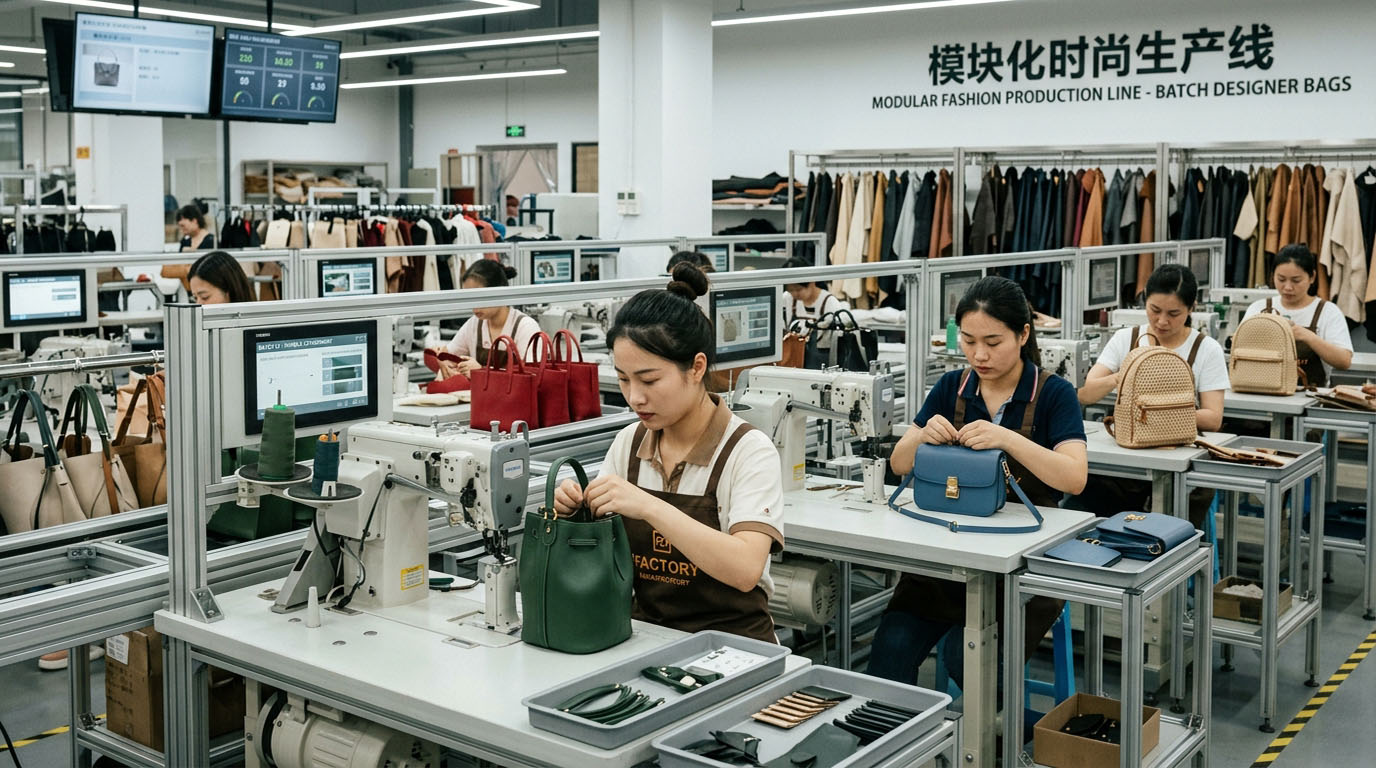
Leading factories provide dedicated ODM/OEM teams that transform concepts into commercial products.This includes:
Technical translation of mood boards into production-ready specs
Material innovation labs offering sustainable leather alternatives, organic cottons, and tech fabrics
3D prototyping & sampling within 10-14 days (vs. industry average of 4 weeks)
Case Study: Synberry Factory helped a Brooklyn-based vegan brand develop a patented plant-based leather alternative, resulting in a 300% pre-order surge.
3. Sustainability & Ethics: Non-Negotiable for Modern Brands
Transparency as Standard Practice
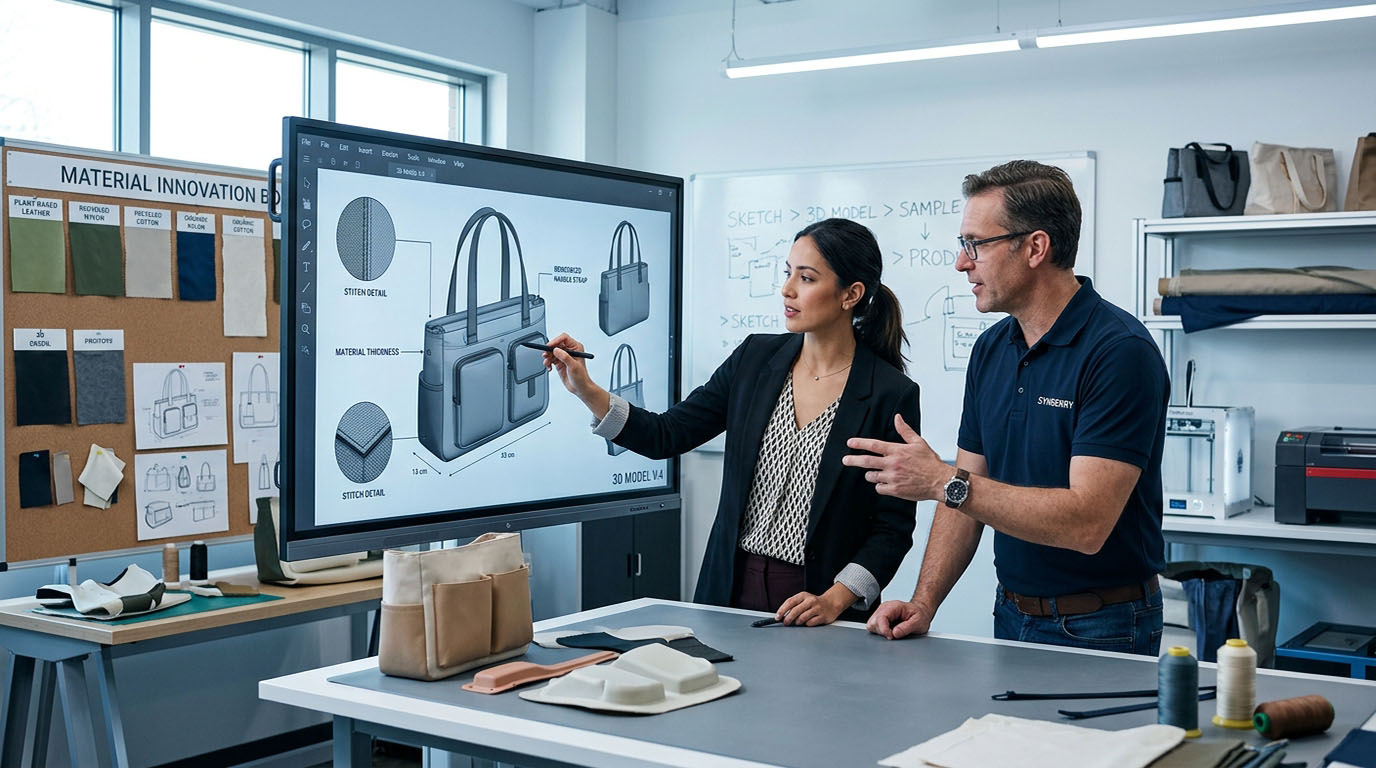
75% of design-focused brands now prioritize ethical certification, driving factories to adopt:
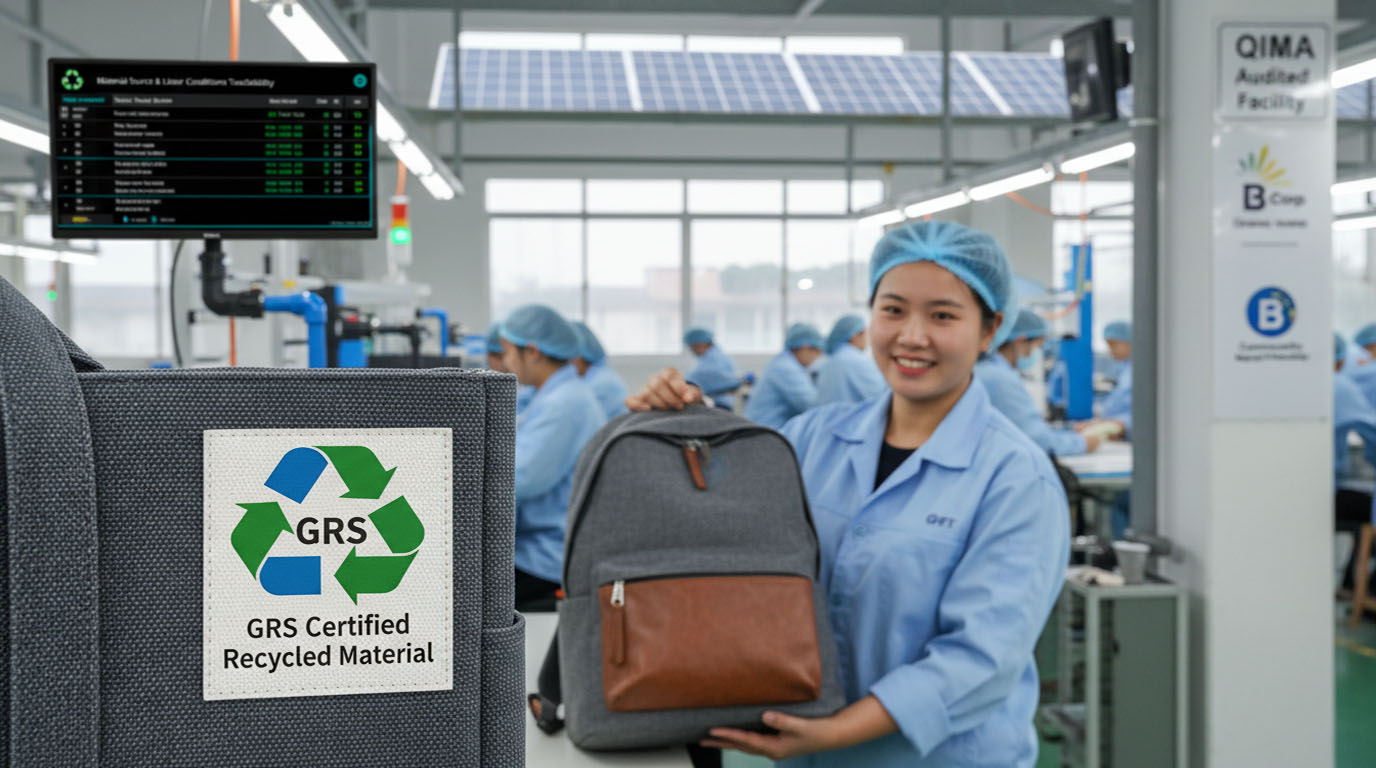
GRS-certified recycled materials (rPET, reclaimed leather scraps)
Solar-powered facilities with water recycling systems
Blockchain traceability for material origins and labor conditions
B Corp partnerships for community impact programs
Pro Tip: Always audit factories via third parties like QIMA. Ethical manufacturers willingly share audit reports.
4. Communication Architecture: Bridging the Language Gap
Dedicated Support for Western Brands
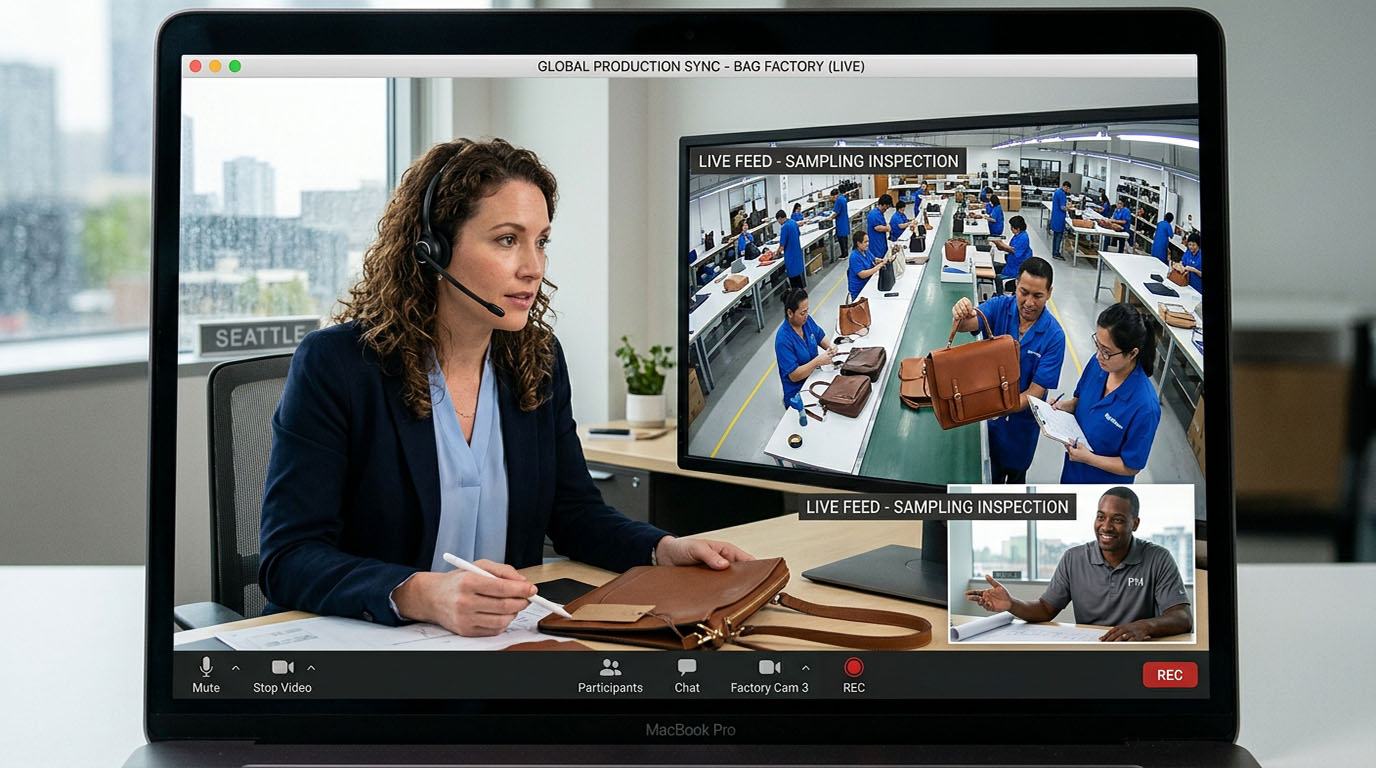
Top-tier factories deploy specialized teams to eliminate communication friction:
English-speaking project managers assigned to each brand
24/7 asynchronous workflows via Slack/Notion for real-time updates
Virtual factory tours with AR sampling for remote approvals
Western QC inspectors stationed onsite for final audits
5. Success Blueprint: Selecting Your Factory Partner
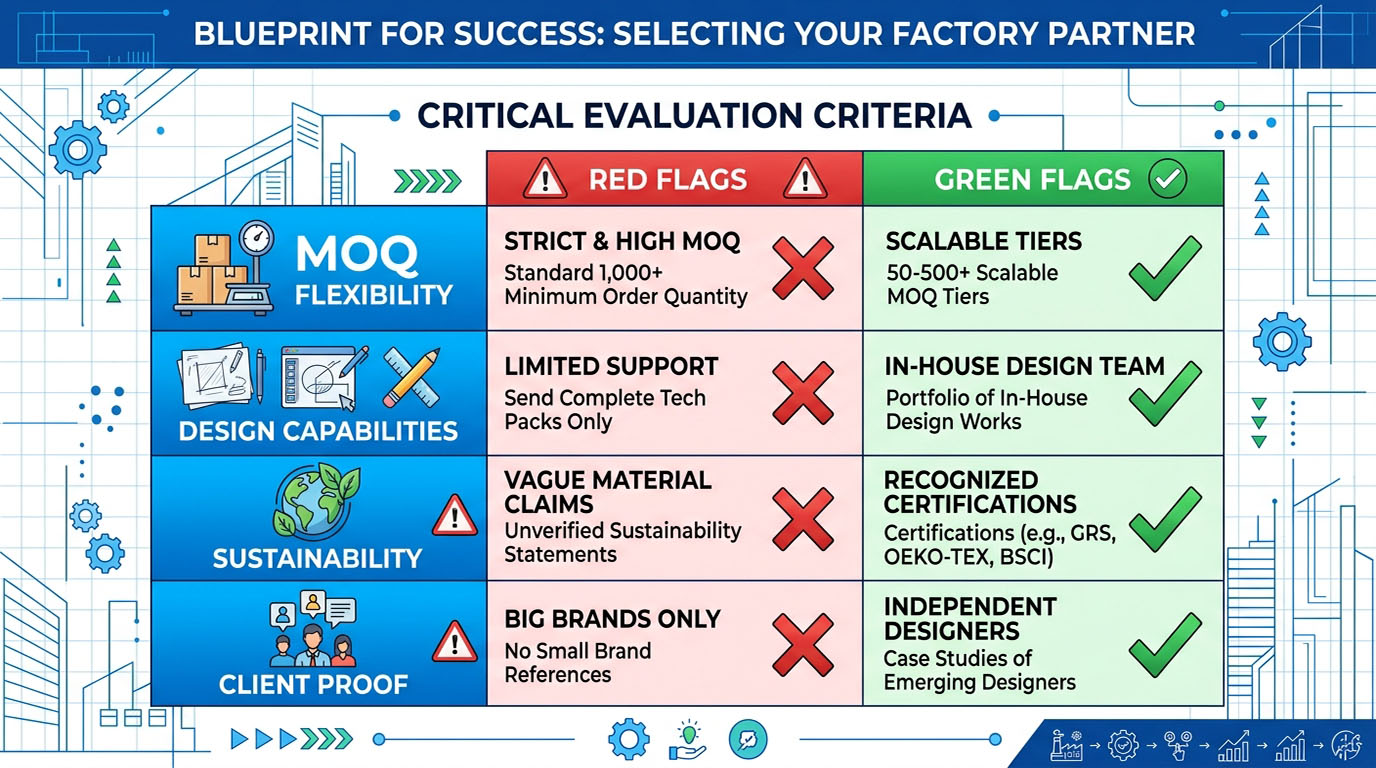
Critical Evaluation Criteria
| Factor | Red Flags | Green Flags |
|——–|———–|————|
| MOQ Flexibility | “Standard 1,000+ MOQ” | “Scalable tiers (50-500+)” |
| Design Capability | “Send finished tech packs” | “In-house design team portfolio” |
| Sustainability | Vague material claims | Certifications (GRS, OEKO-TEX, BSCI) |
| Client Evidence | No small-brand references | Case studies with indie designers |
Conclusion: The Democratization of Luxury Craftsmanship
Chinese bag factories have evolved from anonymous producers to innovation accelerators for design rebels. By leveraging their technical expertise, sustainable infrastructure, and startup-friendly models, small brands can now create products rivaling luxury houses – without compromising ethics or creativity. The future belongs to agile collaborations where imagination meets industrial precision.
Pro Tip for Independent Sellers:
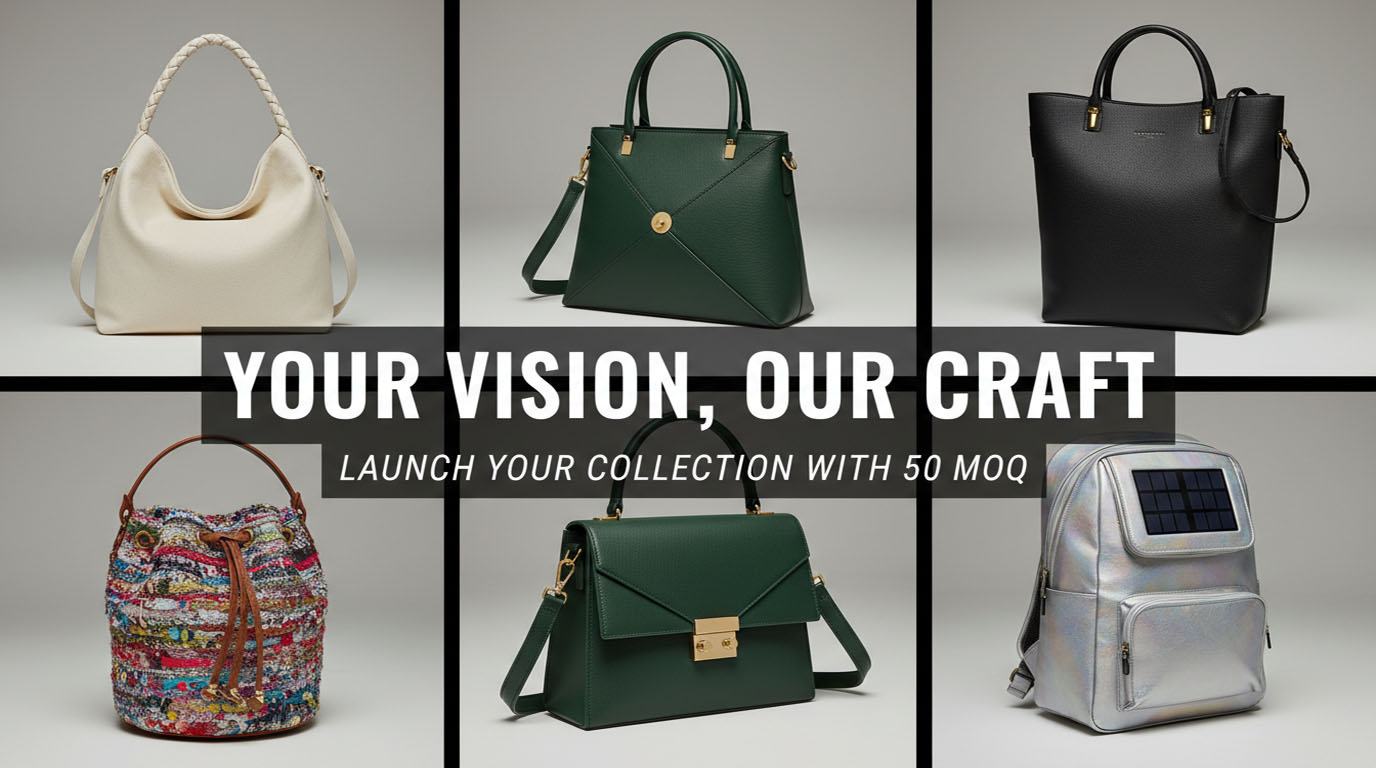
Start with a development agreement before full production: Pay for 3 prototypes + 50 units. Test market response, then scale using factory’s incremental order system. This reduces risk by 80% compared to standard launches.
Post time: Mar-24-2026