
In the competitive world of bag and luggage manufacturing, branding and design are paramount. The method you choose to apply logos, patterns, or intricate artwork directly impacts the final product’s quality, durability, cost, and aesthetic appeal. Two dominant decoration techniques stand out: Heat Transfer Printing and Silk Screen Printing. Understanding their key differences is crucial for making informed decisions that align with your production needs, target market, and brand values.
As specialists in the bag industry, we know that the choice isn’t just about decoration; it’s about ensuring the print withstands the rigors of travel, complements the material, and delivers on cost expectations. Let’s break down these two methods across critical factors relevant to bag production.
1. Process & Application Fundamentals: How the Ink Meets the Material
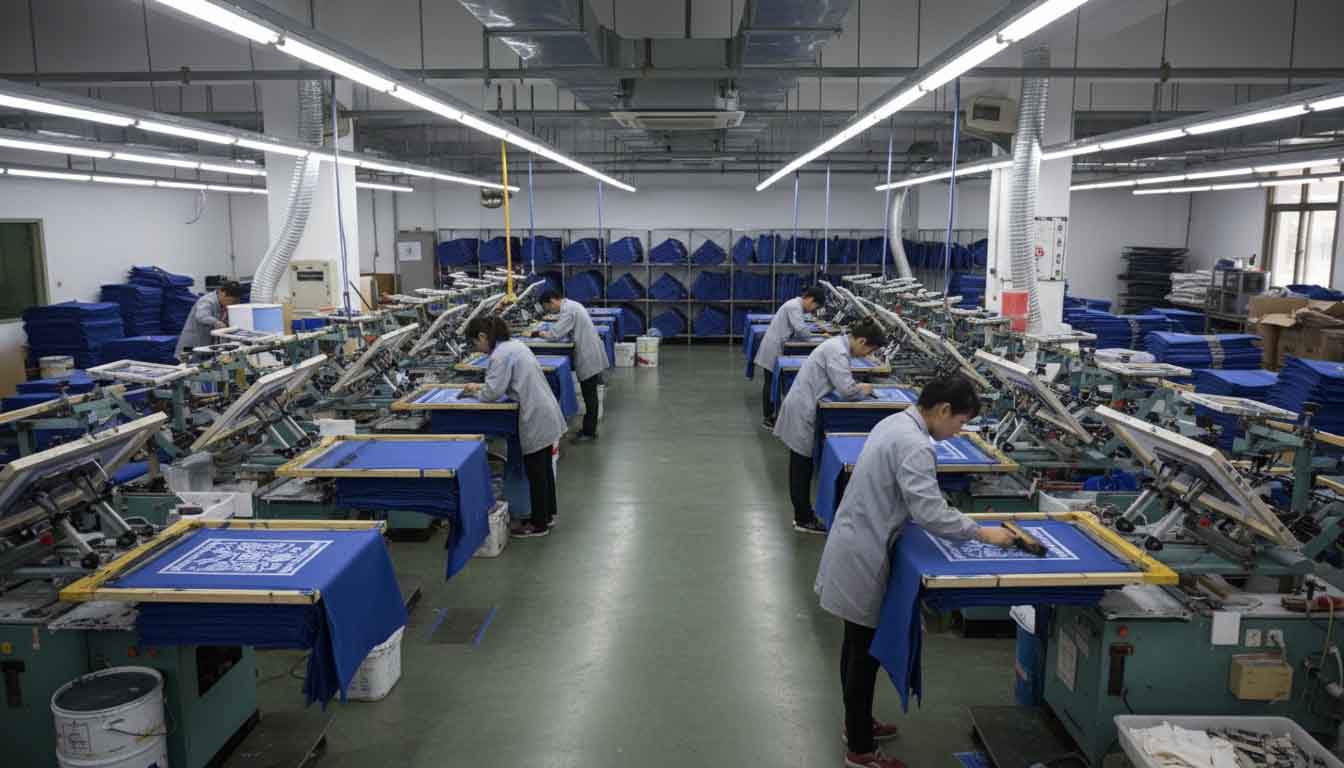
Silk Screen Printing: This is a classic, hands-on method. Imagine a fine mesh screen (historically silk, now often polyester) acting as a stencil for your design. Each color in the design requires a separate screen. Ink is placed on top of the screen, and a squeegee is used to push the ink through the open areas of the mesh directly onto the bag material (fabric, leather patch, plastic component). The ink essentially becomes part of the substrate.

Heat Transfer Printing: This method involves a two-step process. First, the design is printed or* cut onto a special carrier material – this could be transfer paper (for digitally printed designs) or a sheet of vinyl. Second, this carrier is placed onto the bag material, and a heat press applies significant heat and pressure. This activates an adhesive layer or fuses the ink/vinyl onto the surface of the material.

2. Material Suitability & Output Quality: Feel, Look, and Longevity
The choice of material for your bags heavily influences which printing method is optimal.
Silk Screen Printing:
Material Suitability: Excels on natural fabrics like cotton canvas (common in tote bags), but also works very well on many synthetics, leather patches, and even some rigid components used in luggage frames or trim. It’s particularly effective on darker materials due to its excellent opacity.
Output Quality & Feel: The ink saturates the fibers, resulting in a print that feels soft and integrated with the material. This breathability is often preferred for bag components that contact the body (like backpack straps). The finish is typically matte or satin.
Durability: Offers superior longevity. When cured correctly, screen printed ink bonds deeply with the material, resisting cracking, peeling, and fading exceptionally well through repeated use, cleaning, and exposure to elements – essential for travel gear.

Material Suitability: Best suited for synthetic fabrics like polyester (common in backpacks, luggage shells) and nylon. While it can* be used on cotton, results may not be as vibrant or durable. Works well on a wide range of surfaces, including non-fabric elements like plastic buckles or zipper pulls (using vinyl). Performance on dark materials can vary depending on the transfer type.
Output Quality & Feel: Traditionally, heat transfers sit on top* of the material, creating a thin, plastic-like layer. While newer transfer technologies (like DTG transfers or specific film types) offer softer feels, they generally don’t achieve the same level of breathable integration as screen printing.
Durability: Generally less durable than screen printing, especially cheaper vinyl types or low-quality transfers. They are more prone to cracking, peeling (especially at edges), or fading over time, particularly with frequent flexing (like on a backpack) or abrasive contact. Wash durability depends heavily on the transfer material and application quality.

3. Cost & Production Efficiency: Scaling Your Orders
Cost considerations are vital for B2B manufacturing, and the economics of these methods differ significantly based on order size.
Silk Screen Printing:
Cost Structure: High initial setup costs. Creating each screen (especially for multi-color designs) requires time and resources. However, once set up, the per-unit cost* drops dramatically. The actual printing process is relatively fast.
Production Efficiency: Ideal for medium to large volume runs (dozens, hundreds, or thousands of units). The efficiency shines when producing many identical items. For a standard backpack model with a 2-color logo ordered in batches of 500+, screen printing becomes very cost-effective.
Cost Structure: Very low or minimal setup costs. Designs are printed digitally onto transfer paper or cut from vinyl rolls without the need for screens. However, the per-unit cost* remains relatively constant and is higher than screen printing for large quantities.
Production Efficiency: Highly efficient for small batches, one-offs, or personalized items. Changing designs requires no physical setup changes, just a new digital file. However, the application process (pressing each item) is time-consuming per unit. For an order of 25 custom-printed laptop sleeves each with a different company logo, heat transfer is likely the best choice.

4. Technical & Creative Flexibility: Bringing Designs to Life
The complexity of your design influences the feasibility and cost of each method.
Silk Screen Printing:
Design Capabilities: Best suited for bold graphics, solid colors, and simpler designs. Each color requires its own screen, so designs with many colors or complex gradients become technically challenging and expensive to set up. Fine details can be reproduced but have limitations.
Flexibility: Less flexible for last-minute design changes or highly variable designs within a run due to the fixed nature of the screens.

Design Capabilities: Excels at complex, full-color designs, photographic images, gradients, and fine details. Since the design is printed digitally first, there are virtually no limitations on the number of colors. This makes it ideal for intricate patterns or realistic imagery on bags.
Flexibility: Offers maximum creative flexibility. Designs can be changed easily between items without additional setup costs, perfect for personalization or short runs with variable artwork.

The Sustainability Angle: An Increasingly Important Factor
As environmental responsibility becomes a bigger focus for brands and consumers:
Screen Printing: Has a strong advantage with the availability and ease of use of water-based inks. These inks are more eco-friendly, produce softer prints, and are preferable for brands prioritizing sustainability. Plastisol inks (common but less eco-friendly) are also used.
Heat Transfer Printing: Often relies on plastisol-based transfers or PVC vinyl, which have a larger environmental footprint due to plastic content and energy use during application. However, eco-friendlier transfer options (like certain films and water-based DTG transfers) are emerging, though they may have trade-offs in feel or durability.
Making the Right Choice for Your Bag Project
There’s no single “best” method; the optimal choice depends entirely on your specific project parameters:
1. Order Quantity: Screen printing wins for bulk orders (100+ units). Heat transfer is economical and practical for smaller batches or prototypes (under 50 units).
2. Design Complexity: Heat transfer is superior for full-color, photographic, or highly detailed designs. Screen printing is efficient and cost-effective for designs with limited, solid colors.
3. Material: Consider the primary substrate. Screen printing offers broad compatibility and excellent results on cotton and many synthetics. Heat transfer is often the go-to for polyester and nylon shells, and offers versatility on non-fabrics.
4. Durability Requirements: If the bag is intended for heavy-duty use (travel, work bags), screen printing generally offers better long-term durability and wash resistance.
5. Budget & Timeline: Factor in setup costs vs. per-unit costs based on volume. Heat transfer offers faster setup for quick turnarounds on small jobs.
6. Sustainability Goals: If eco-friendly production is a priority, explore water-based screen printing or research the latest eco-conscious heat transfer materials.
Partnering with Expertise
Choosing the right decoration method is a critical step in bringing your bag designs to life successfully. By understanding the core differences between heat transfer and silk screen printing, you can make decisions that optimize quality, cost, and suitability for your specific products and target market.
Ready to discuss your next bag project? Share the details – quantities, materials, design concepts, and target durability – and our team will recommend the most effective printing solution tailored to your needs in the bag and luggage industry.
Note on Images: While I cannot generate the actual images, the suggestions provided are designed to be easily sourced from stock photo libraries (searching for terms like “screen printing backpack,” “heat press application bag,” “durable screen print texture,” “complex heat transfer design backpack,” etc.) or created as custom illustrations/photography for the independent station. Each image should clearly illustrate the concept described in its corresponding section.
Post time: Mar-11-2026