
How Iranian Geopolitical Tensions Are Reshaping Bag Manufacturing Costs: A Complete Guide for Industry Professionals
Introduction: Why Middle East Tensions Should Matter to Bag Manufacturers
The fashion industry has long operated under the assumption that raw material price fluctuations are a fact of life—something to be managed through smart sourcing and supplier relationships. But the geopolitical landscape is shifting in ways that go far beyond typical market volatility. Iranian geopolitical tensions have emerged as a critical factor affecting leather and hardware material costs for bag manufacturing, and the ripple effects are being felt across every tier of the supply chain.
Whether you’re sourcing premium full-grain leather from European tanneries, importing zinc alloy hardware from Asian suppliers, or relying on Middle Eastern logistics routes to move materials across continents, the ongoing tensions in the Persian Gulf region are creating a new normal that demands strategic attention. Understanding these dynamics isn’t just about tracking headlines—it’s about protecting your margins, making informed sourcing decisions, and positioning your brand to thrive amid uncertainty.
In this comprehensive guide, we’ll break down exactly how Iranian geopolitical tensions impact every layer of bag production costs, from raw materials to final delivery. We’ll explore the interconnected mechanisms driving price increases, examine how different components are affected, and—most importantly—provide actionable strategies for mitigating risk while maintaining product quality.
Section 1: The Big Picture—How Geopolitical Tensions Translate to Manufacturing Costs
Before diving into specific material categories, it’s essential to understand the three primary channels through which Iranian geopolitical tensions drive up bag manufacturing costs:
1.1 Energy Price Escalation
Oil and gas prices have always been sensitive to Middle East instability, but recent escalations have pushed energy costs to levels that directly impact manufacturing operations. When crude oil prices rise, the effects cascade through every stage of production:
Tanning and finishing operations consume significant energy for maintaining temperature-controlled processing vats and finishing equipment
Synthetic leather production depends heavily on petroleum-based feedstocks
Factory operations face higher utility costs across the board
The World Economic Forum has reported that recent Middle East escalations have caused notable jumps in oil and gas prices, with shipping through the Strait of Hormuz becoming substantially more expensive to insure. These aren’t incremental increases—they represent structural shifts in the cost foundation that underpins every manufacturing operation.
1.2 Freight and Insurance Premiums
The Strait of Hormuz represents one of the world’s most critical oil shipping chokepoints, with approximately 21 million barrels of oil passing through daily. When tensions in this region increase, shipping companies face elevated risks that translate directly into higher costs:
War risk insurance premiums surge as insurers recalculate exposure
Rerouting around the Cape of Good Hope or other alternatives adds weeks to transit times and substantially increases fuel consumption
Freight rates incorporate both fuel costs and risk premiums
For bag manufacturers importing materials from suppliers connected to Middle Eastern trade routes, these logistical cost increases compound with every shipment. The effect is particularly pronounced for lower-value-per-kilogram materials like leather and hardware, where transportation costs represent a larger percentage of total delivered cost.
1.3 Petrochemical and Input Costs
Beyond direct energy costs, Iranian tensions affect the broader petrochemical supply chain that underlies many manufacturing inputs:
Synthetic leather production relies on polyurethane and other petroleum-derived chemicals
Metal processing and alloying consume energy-intensive outputs
Chemical treatments used in leather tanning depend on compounds affected by petrochemical markets
These interconnected supply chains mean that even materials not directly sourced from Iran can experience price pressure as global petrochemical markets adjust to regional instability.
Section 2: Impact on Leather Supply Chains
Leather is the soul of premium bag manufacturing, and it’s also one of the materials most exposed to geopolitical risk. Understanding the specific mechanisms of impact helps you anticipate and respond to price movements.
2.1 Direct Supply Chain Disruptions
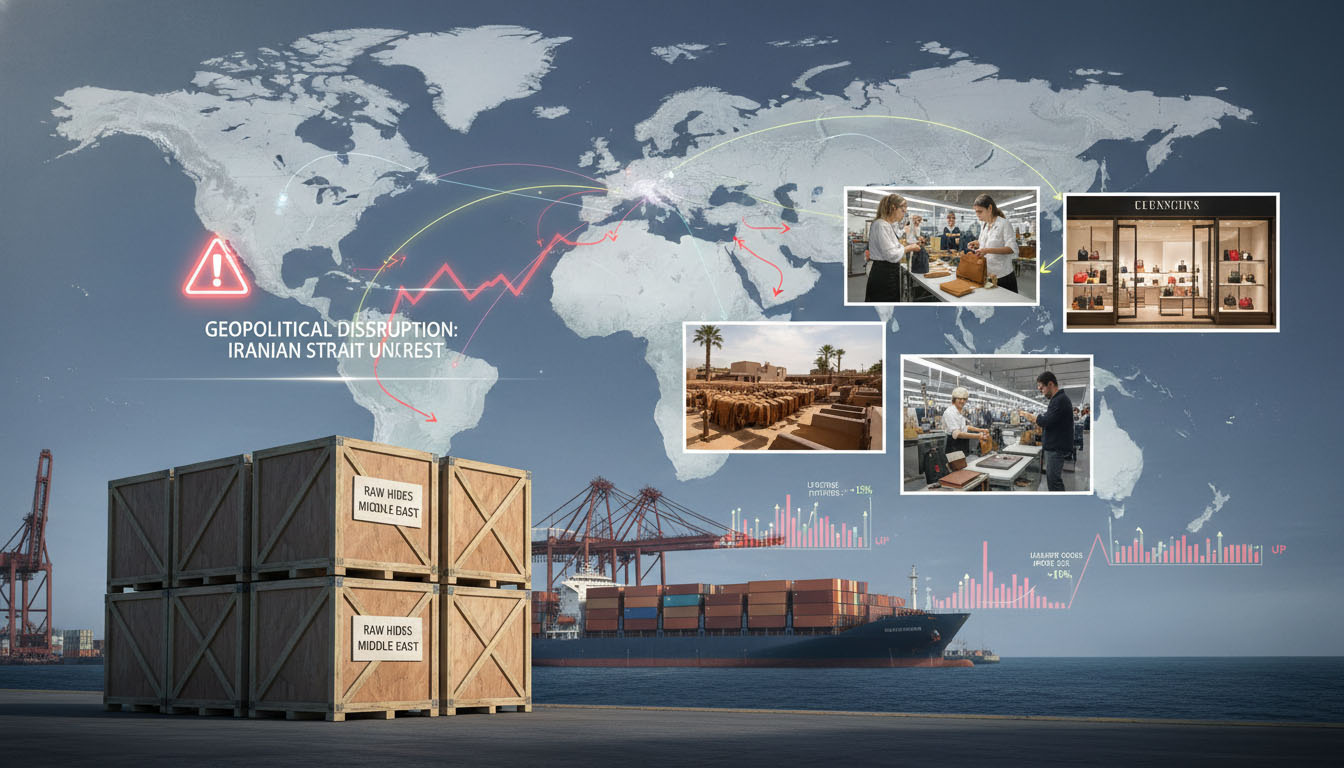
Ongoing tensions in Iran can disrupt regional trade routes, delaying shipments of raw leather and metal hardware from Middle Eastern suppliers to global manufacturers. While Iran itself isn’t the dominant global supplier of premium leather, the region functions as a critical transit corridor, and instability creates bottlenecks that ripple outward.
If tensions escalate, Iranian and neighboring tanneries—including operations in Turkey, the Gulf states, and North Africa—may face operational halts or severe restrictions. This shrinks the availability of high-quality leather for luxury bag production, creating supply-demand imbalances that drive prices upward even for materials not directly affected by conflict.
2.2 Tanning Cost Escalation
The leather tanning process is extraordinarily energy-intensive, and rising energy prices directly impact production costs:
Chrome tanning requires precise temperature control and significant electrical input
Vegetable tanning uses natural materials but still requires energy for processing and finishing
Finishing operations (dyeing, coating, embossing) add multiple processing stages, each with energy costs
Industry reporting indicates that leather and related goods are already experiencing broad input-cost pressure from geopolitics and logistics. These aren’t temporary fluctuations—they represent sustained increases that brands must factor into long-term pricing strategies.
2.3 Imported Leather Cost Pressures
For manufacturers relying on imported finished leather or semi-processed hides, the calculus includes multiple cost components:
| Cost Component | Geopolitical Impact | Effect on Delivered Cost |
|—————-|———————|————————-|
| Raw material price | Potential supplier disruptions | Upward pressure |
| Processing costs | Energy price increases | 10-25% increase |
| Freight charges | Strait of Hormuz risk premiums | 20-50% increase |
| Insurance | War risk coverage requirements | Variable surge |
| Import duties | Potential tariff adjustments | Depends on origin |
| Currency conversion | Iranian rial instability | Indirect effects |
The combination means that imported premium leather—already a significant cost driver—faces compounded pressure from multiple directions simultaneously.
2.4 Synthetic Leather Volatility
Synthetic leather deserves special attention because it’s more exposed to petrochemical market swings than many buyers realize. With alternative names like “PU leather” (polyurethane) and “PVC leather” (polyvinyl chloride), these materials are fundamentally derived from petroleum-based chemicals.
When oil prices rise due to Middle East tensions, the feedstock costs for synthetic leather production increase correspondingly. The World Economic Forum coverage on this topic makes clear that petrochemical-linked commodities face sustained cost pressure in conflict-affected market environments.
For brands using synthetic leather as a more affordable alternative to genuine leather, the price differential may narrow as both material categories face upward cost pressure.
Section 3: Hardware Costs—Zinc, Brass, and the Hidden Cost Drivers
Bag hardware—buckles, zippers, rivets, frames, magnetic closures, and decorative elements—represents a cost category that often surprises buyers with its exposure to geopolitical risk. Understanding these dynamics is crucial for comprehensive cost management.
3.1 Metal Price Dynamics
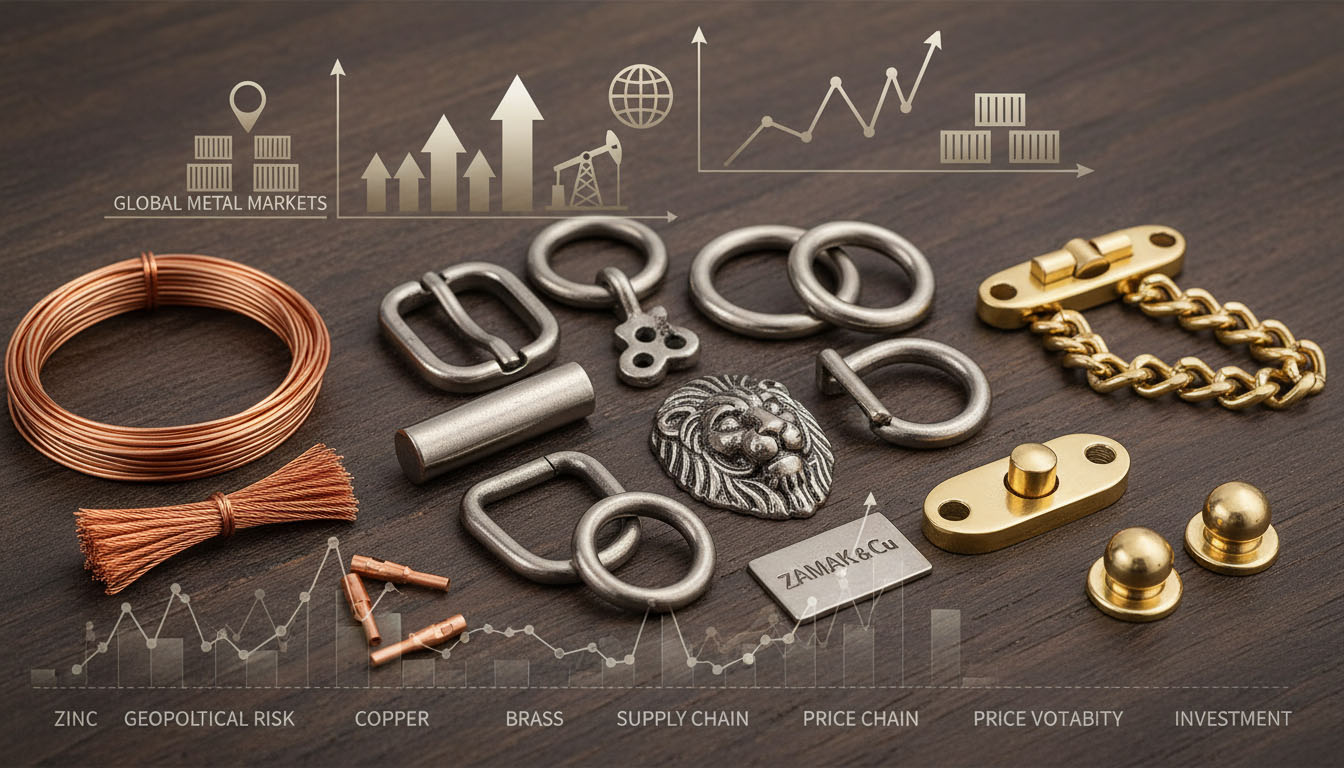
Iran is a significant supplier of zinc and copper, two metals essential to bag hardware production:
Zinc alloys are widely used in die-cast hardware components (buckles, rings, decorative pieces)
Copper appears in electrical components, metal threads, and alloy formulations
Brass (copper-zinc alloy) provides the classic golden appearance of traditional hardware
Geopolitical risks can trigger speculative price increases in global metal markets, even before physical supply disruptions materialize. The psychological and financial market responses to conflict news often move prices faster than actual supply-demand fundamentals would suggest.
3.2 Hardware Manufacturing Cost Structure
The hardware category encompasses diverse manufacturing processes, each with distinct cost drivers:
Die-cast components (buckles, rings, frames):
Zinc or zinc-alloy ingots represent the primary
Post time: Apr-03-2026