
Specific Bag-Making Components Affected by US Sanctions
The US sanctions on Iran broadly prohibit the import of Iranian-origin goods, which includes various bag-making components such as fabrics, zippers, threads, industrial sewing materials, and tooling. These restrictions apply not only to finished products but also to raw materials and accessories that originate from Iran. The sanctions also extend to transactions that support Iran’s textile and manufacturing sectors, making it essential to verify the origin of all components to avoid compliance risks. 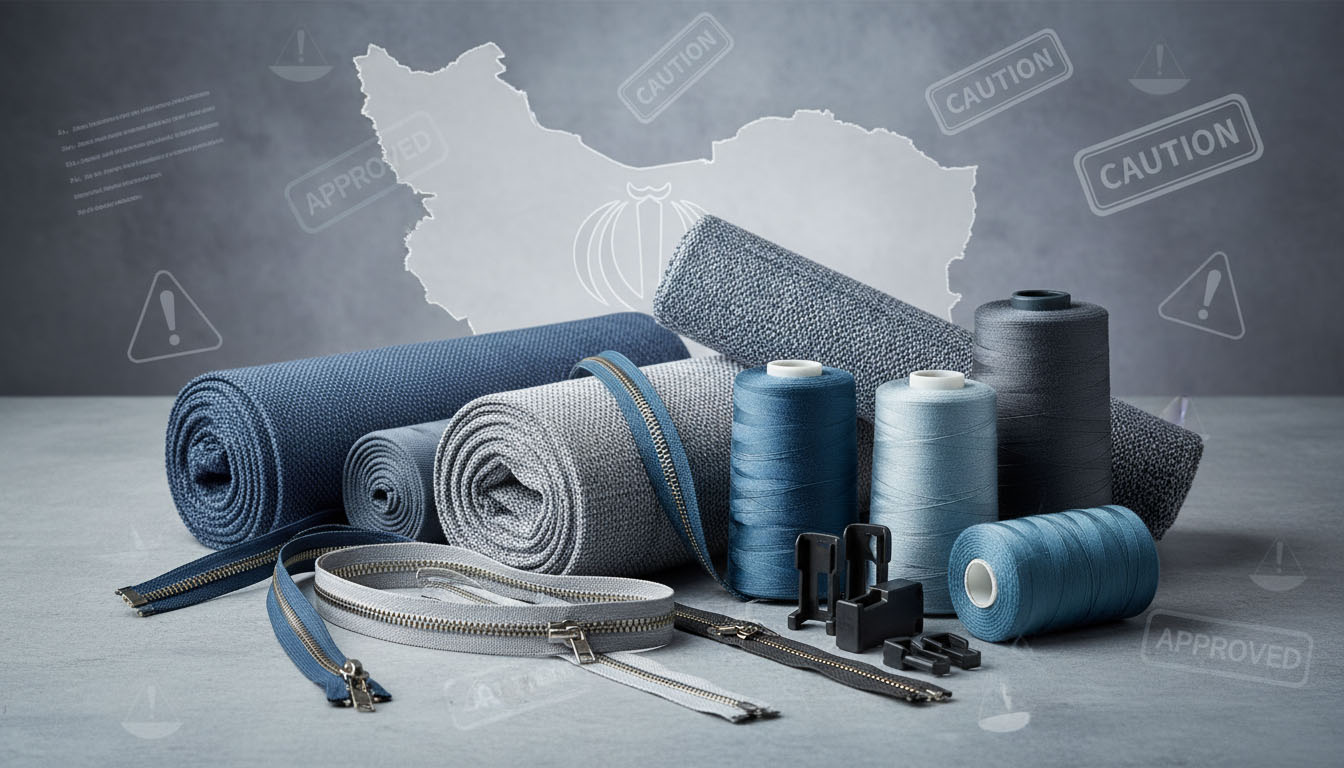
Impact on Supply Chain and Pricing
The sanctions have significantly disrupted the supply chain for bag-making materials, leading to increased costs and logistical challenges. Financial institutions worldwide are hesitant to process transactions involving Iranian materials, complicating payment processes. Shipping and logistics companies have also become more cautious, further straining the supply chain. These factors collectively contribute to higher prices for imported bag materials, as businesses must seek alternative sources and absorb additional compliance costs.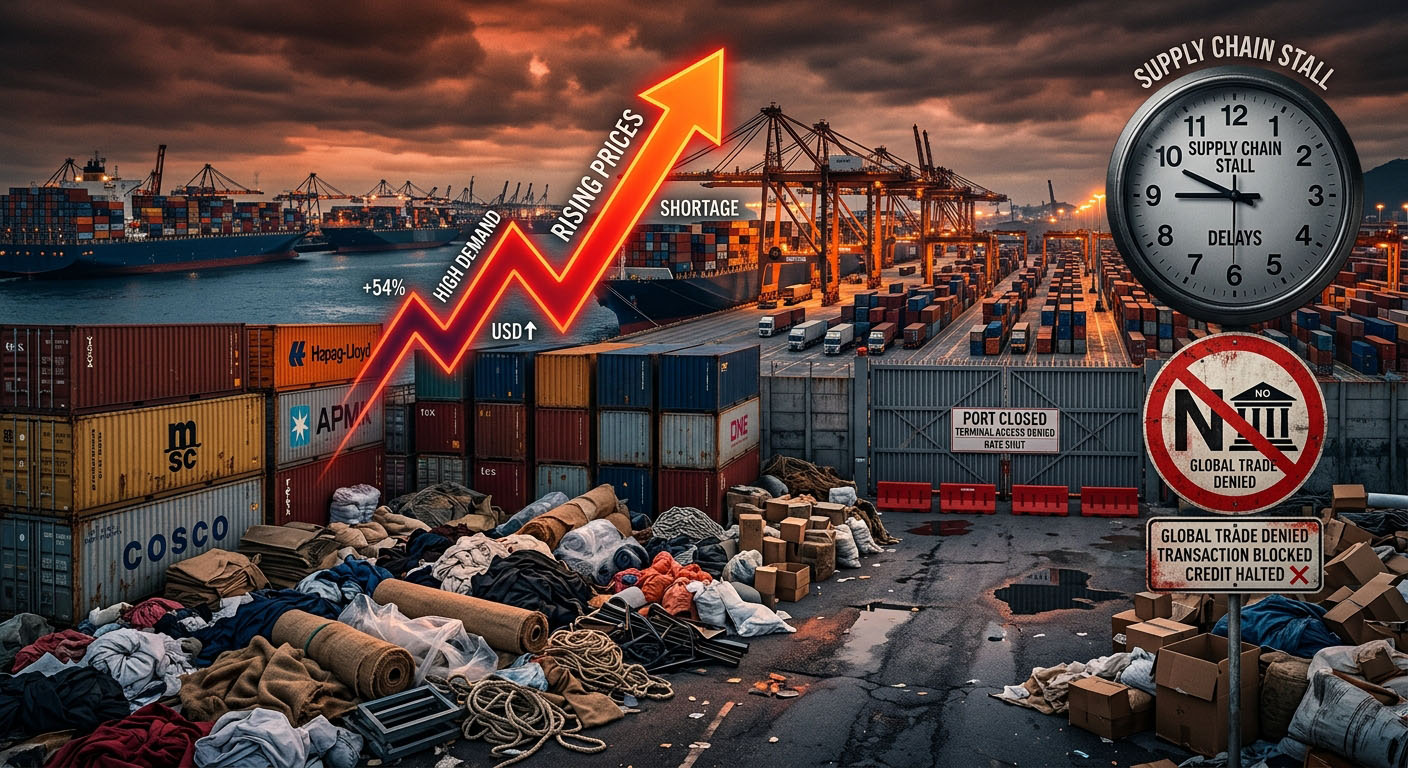
Alternative Sources for Bag-Making Components
Due to the sanctions, businesses are increasingly turning to alternative sourcing strategies to secure bag-making components. Countries like China, India, and Turkey have emerged as viable alternatives for importing fabrics, zippers, and other accessories. These regions offer competitive pricing and reliable supply chains, reducing dependency on Iranian materials. However, companies must still conduct thorough due diligence to ensure compliance with US sanctions and avoid inadvertent dealings with Iranian entities.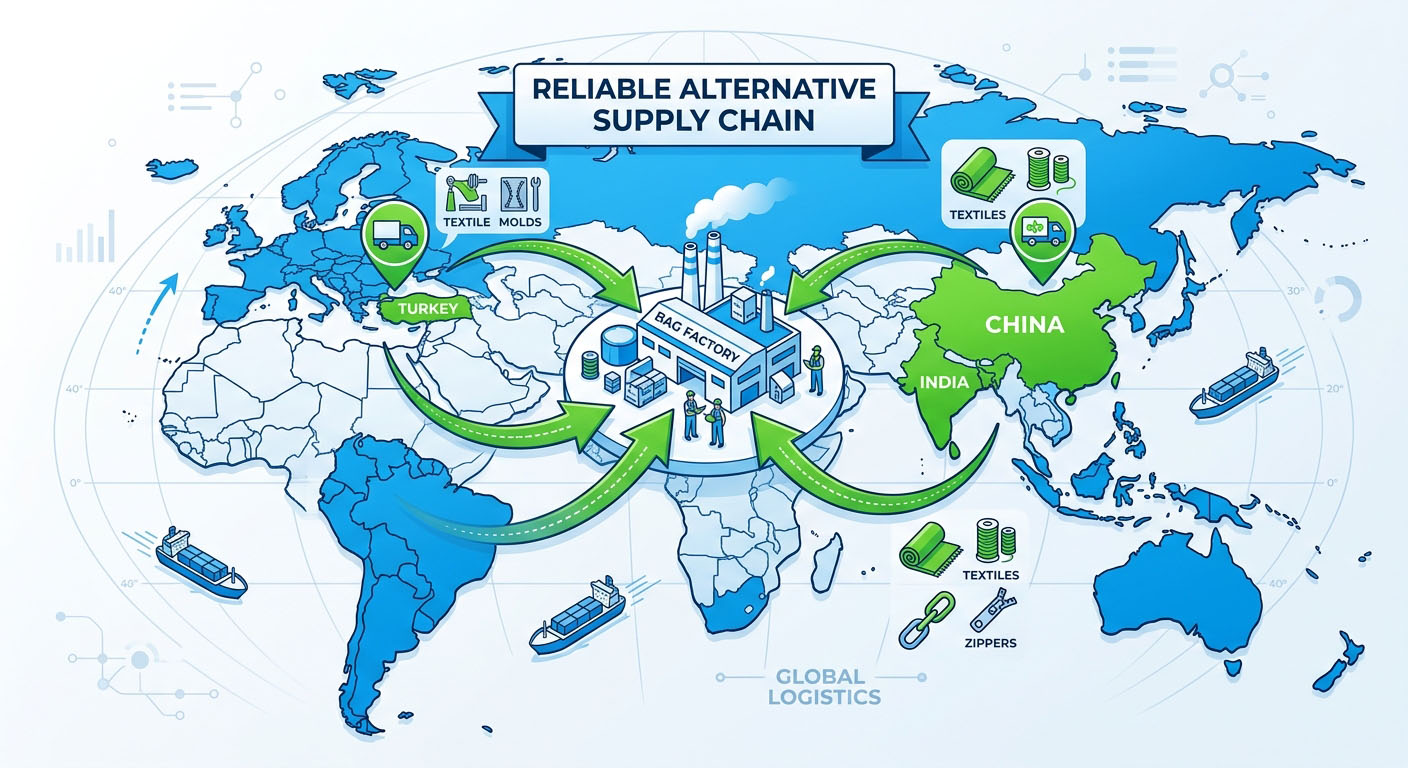
Legal and Compliance Challenges
Navigating the legal landscape of US sanctions on Iran presents significant challenges for businesses importing bag materials. Companies must implement robust compliance screening to verify the origin of components and ensure they are not sourced from sanctioned jurisdictions. Documentation requirements have become more stringent, requiring proof of non-Iranian origin and detailed supply chain transparency. Failure to comply can result in severe financial penalties and reputational damage, making ongoing monitoring and adjustment of import procedures essential. 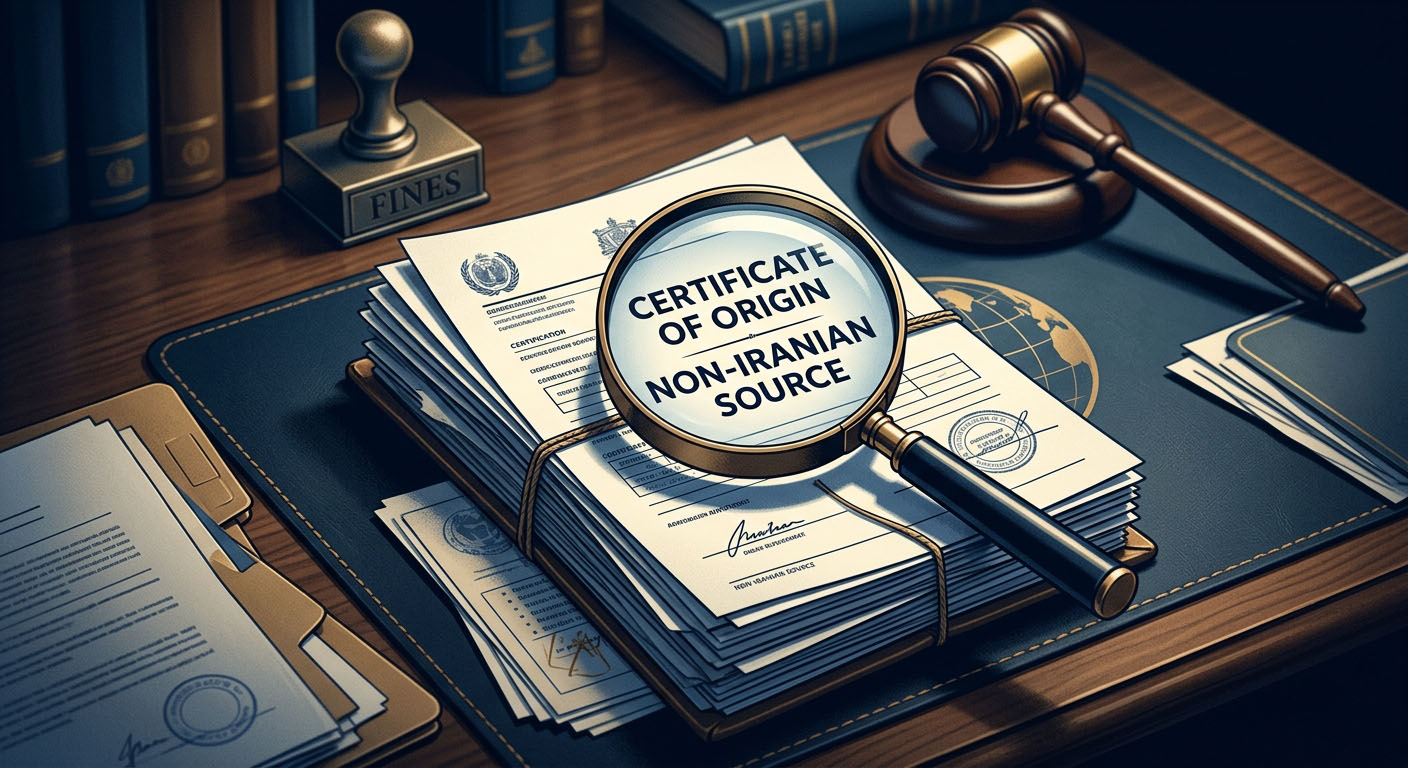
Evolving Sanctions Landscape
The sanctions regime is dynamic, requiring businesses to stay informed about regulatory changes and adjust their import strategies accordingly. The complexity of sanctions regulations has increased the cost of verifying supply chains, often extending several tiers deep to ensure compliance. Companies must remain vigilant and proactive in their compliance efforts to mitigate risks and maintain uninterrupted access to essential bag-making materials. 
Post time: Apr-09-2026