
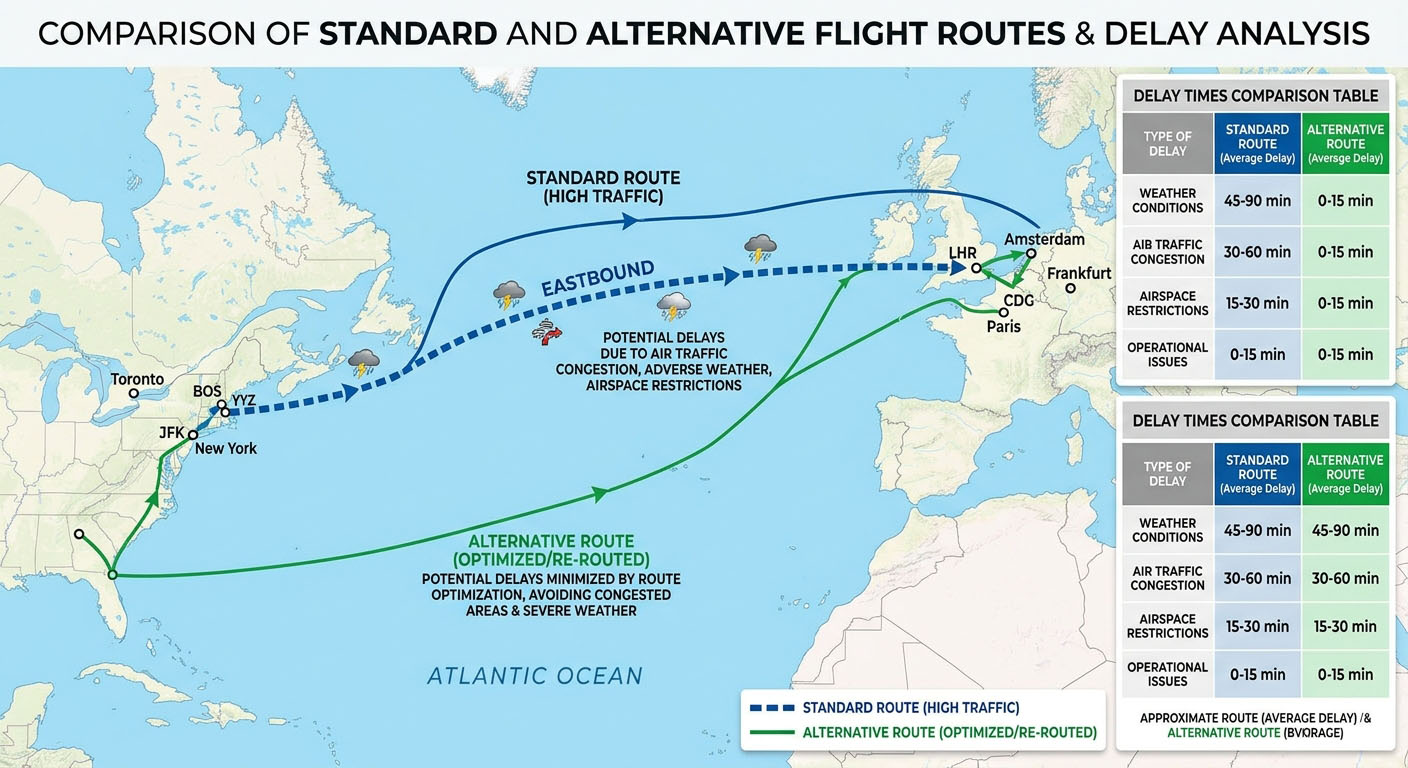
Shipping delays through the Strait of Hormuz are extending bag production timelines by 2-4 weeks due to rerouted cargo vessels. The closure or instability of this critical chokepoint forces ships to take longer alternative routes, such as around the Cape of Good Hope, adding 10-14 days to transit times. For manufacturers relying on just-in-time inventory systems, these delays can halt production lines entirely if key materials like synthetic fabrics or zippers are delayed.
Alternative Shipping Routes and Their Limitations
If the Strait of Hormuz becomes impassable, alternative routes include bypassing the strait via Oman or India, as demonstrated by Indonesia’s state-owned oil firm Pertamina. Saudi Arabia’s proposed Salman Canal project aims to create a safer Persian Gulf-to-Red Sea route, though its $250 billion cost and lengthy construction timeline make it a long-term solution. The UAE’s ADCOP pipeline and Saudi Petroline offer partial relief for oil-dependent supply chains but cannot fully replace maritime routes for non-liquid cargo like textiles.
Rising Costs and Pricing Pressures
Increased insurance premiums and fuel costs for rerouted vessels are driving up raw material prices for bag manufacturers. Brent crude prices have surged by 55.8% during disruptions, directly impacting petroleum-derived materials like nitrile butadiene rubber (NBR), a key component in synthetic bags. These cost hikes may force brands to raise final product prices or absorb margins, particularly for smaller manufacturers without bulk purchasing power.
Contingency Planning for Manufacturers
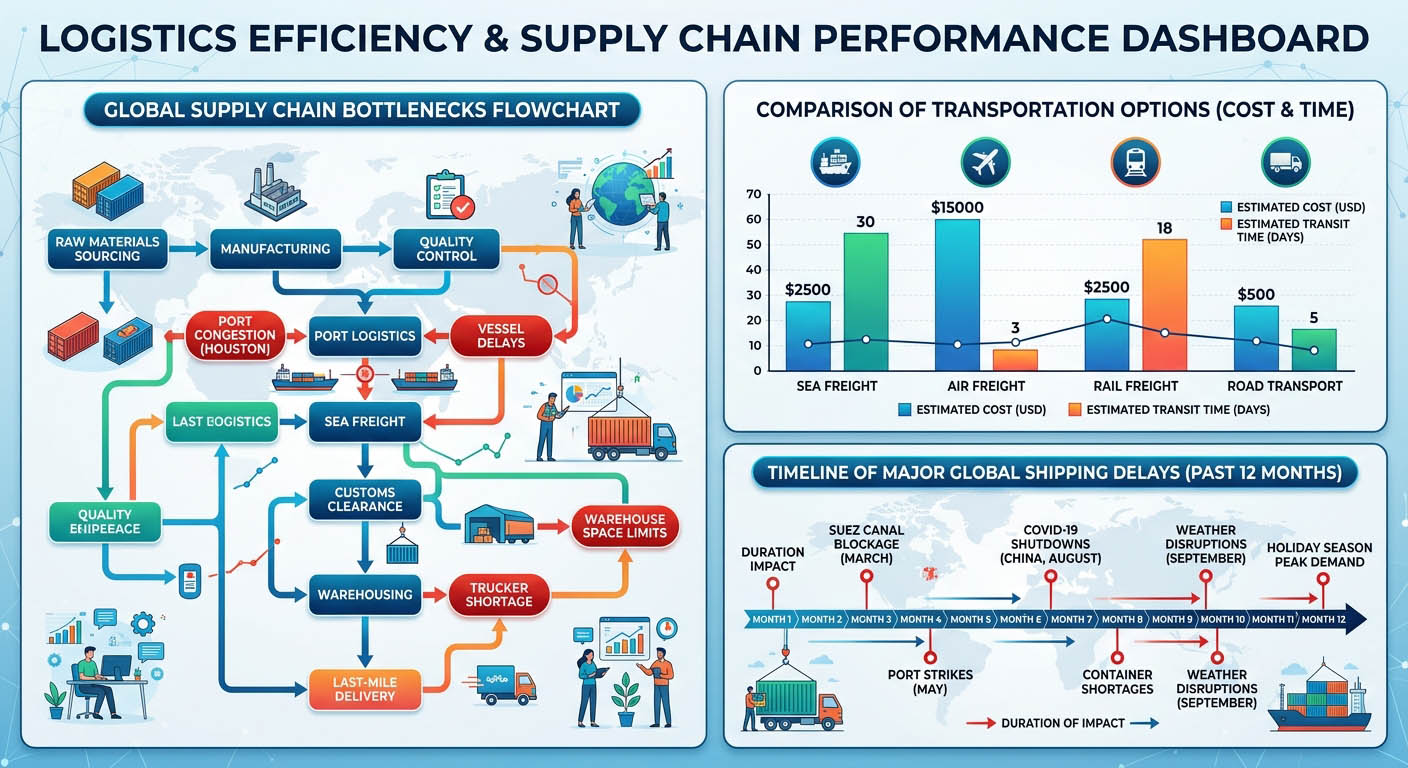
Proactive manufacturers are stockpiling critical materials and diversifying suppliers to mitigate risks. For example, Malaysian rubber glove producers are grappling with NBR shortages, highlighting the need for localized sourcing or buffer stocks. Some brands are exploring air freight for high-value components, though this is cost-prohibitive for mass-market lines. The UN’s task force on Hormuz disruptions underscores the urgency of collaborative solutions to stabilize supply chains.
Strategic Recommendations for Bag Brands
1. Advance Shipping Plans: Account for extended lead times by booking shipments earlier.
2. Diversify Routes: Explore land corridors like the India-Middle East-Europe Corridor (IMEC) where feasible.
3. Insurance Coverage: Secure comprehensive policies to offset delay-related losses.
4. Local Sourcing: Build relationships with regional suppliers to reduce dependency on disrupted maritime routes.
5. Inventory Buffers: Maintain safety stocks of high-risk materials to avoid production stoppages.
The ongoing volatility in the Strait of Hormuz underscores the need for agility in bag manufacturing. Brands that integrate these strategies can better navigate disruptions while maintaining delivery commitments.
Post time: Apr-08-2026