
Mastering Payment Methods When Sourcing Bags from China: A Pro Guide for Independent Sellers
As an independent e-commerce seller in the competitive bag industry, sourcing high-quality products from Chinese factories can be a game-changer for your business. But let’s face it: navigating payment methods is often the trickiest part. Get it wrong, and you risk delays, disputes, or even financial loss. Get it right, and you build strong supplier relationships that fuel growth. Based on extensive industry data and firsthand insights (referenced from authoritative sources like gsnmc, worldfirst, and wise), I’ll break down everything you need to know about payment options when buying bags from China. We’ll cover the most common methods, minimum order quantities (MOQs), security safeguards, and tailored solutions for trial orders—all from the lens of a seasoned seller. By the end, you’ll have a clear strategy to protect your investments and scale confidently.
Why Payment Methods Matter for Bag Sellers
When you’re running an independent bag store, every dollar counts. Chinese factories dominate global bag manufacturing, offering everything from trendy totes to durable backpacks at competitive prices. But payment mishaps can derail your supply chain. For instance, choosing an insecure method might leave you vulnerable to scams, while inflexible terms could stall small-batch launches. According to industry reports, over 70% of disputes in cross-border trade stem from payment issues. That’s why understanding the nuances—like how MOQs vary by payment type or how Letters of Credit (LCs) add security—is crucial. As a pro tip: Always confirm payment details in writing before ordering. This not only safeguards your funds but also signals professionalism, helping you negotiate better deals on custom bag designs or bulk discounts.
Now, let’s dive into the core payment methods accepted by Chinese bag factories. I’ve organized these based on your key insights, grouping similar options to avoid overwhelm. For each method, I’ll explain how it works, its pros and cons, ideal order sizes (including MOQs), and security implications. Remember, the “best” choice depends on your order volume, supplier relationship, and risk tolerance. As an independent seller, prioritize methods that balance cost, convenience, and protection—especially for first-time partnerships.
Common Payment Methods: Insights and Practical Applications
Drawing from your 10 core insights, here’s a detailed breakdown of each payment option. I’ve included real-world scenarios from the bag industry to illustrate how they apply to sellers like you. To make this visual and engaging, I’ve added image placeholders at each insight point—use these as cues for your site’s graphics team.
1. T/T (Telegraphic Transfer)
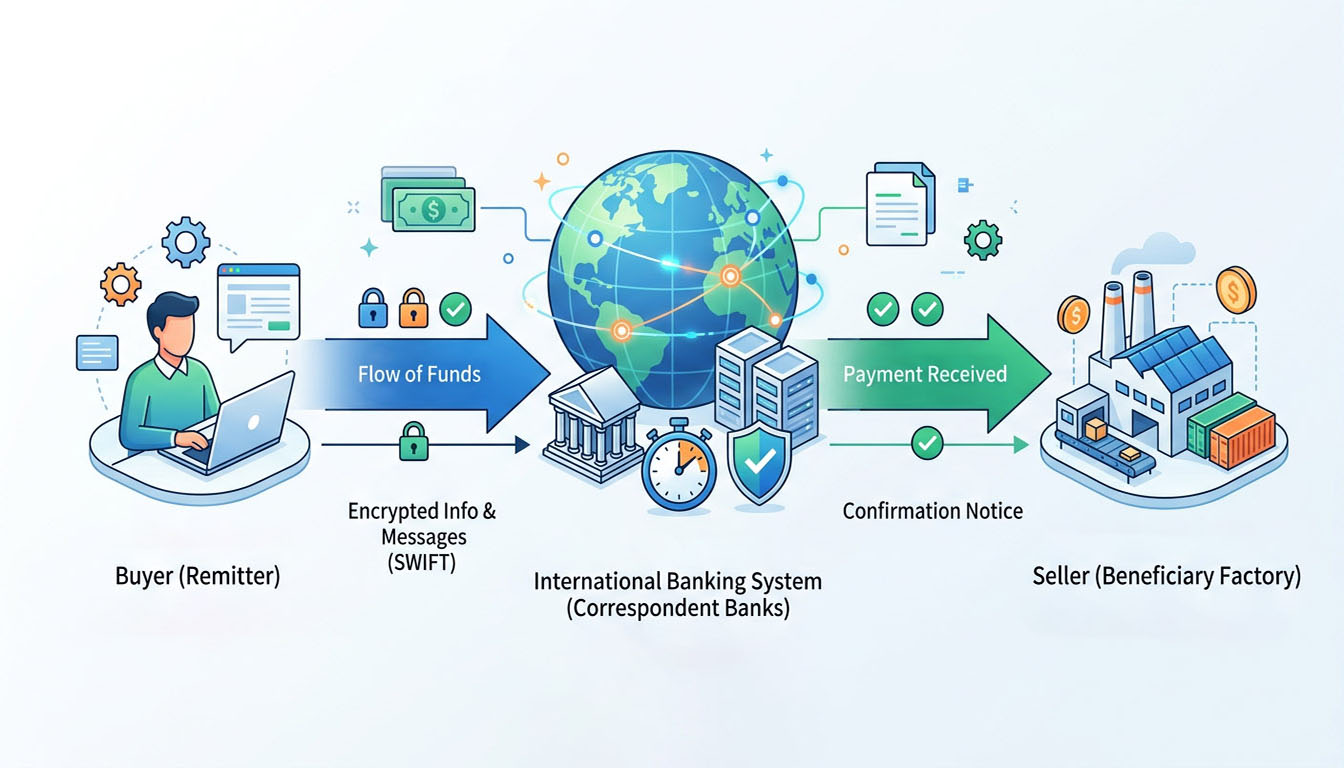
T/T is the gold standard for bulk bag orders, with over 80% of Chinese factories accepting it as their primary method. It works by wiring funds directly from your bank to the supplier’s account, often in staged payments like a 30% deposit and 70% balance before shipment. This approach minimizes risk by tying payments to production milestones—e.g., pay the deposit to start manufacturing your custom backpack order, then the remainder once quality checks are done.
Pros: Low fees (typically 0.1–0.5% of the transaction), widely accepted, and ideal for orders over 500 units (common MOQ for bags). It’s perfect for established relationships where trust is high.
Cons: Offers limited buyer protection if the supplier defaults; always use a verified factory and written contracts.
MOQ Insight: Factories often require a minimum order of 200–1,000 bags for T/T to offset processing costs. For smaller runs, they might push for riskier options.
Security Tip: Pair T/T with third-party inspections for bags to ensure quality before final payment. Source: worldfirst.
2. L/C (Letter of Credit)
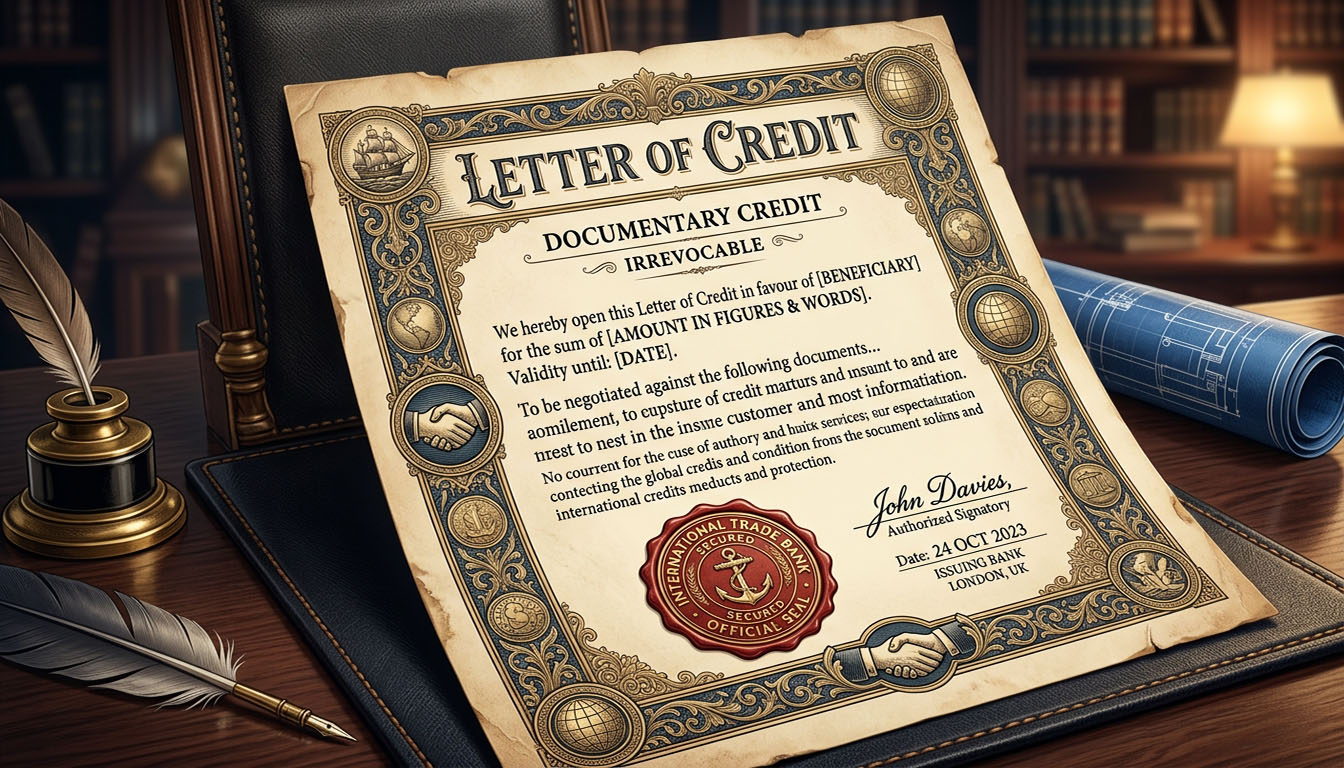
LCs are commonly accepted for large or high-value transactions, especially with new suppliers, as they add a layer of bank-guaranteed security. In bag sourcing, this means your bank holds funds until the factory meets all terms (e.g., shipping 1,000 leather purses with specific quality certifications). It’s ideal for orders exceeding $10,000 or for building trust in early partnerships.
Pros: Reduces fraud risk significantly—banks verify documents before releasing payment. Terms often include shipment deadlines or quality clauses, protecting your investment.
Cons: High fees (1–3% of the order value) and complex paperwork; avoid for small orders due to setup delays.
MOQ Insight: MOQs for LCs are typically high (e.g., 500+ bags) because factories use them for substantial, repeat business. Negotiate lower MOQs only with long-term contracts.
Security Tip: Use LCs for custom bag designs where specifications must be precise; this ensures compliance before payment. Source: worldfirst.
3. PayPal
PayPal is increasingly popular for trial orders or sample payments, but it’s less common for bulk bag purchases due to fees. Factories might accept it for orders under 50 bags, like testing a new tote design, but often pass the 3–5% fee to you. As an independent seller, this is a go-to for low-risk experimentation.
Pros: Buyer protection features allow chargebacks for undelivered or defective bags. Fast and user-friendly for online platforms.
Cons: High costs make it uneconomical for large orders; some factories avoid it for direct deals.
MOQ Insight: Ideal for samples or MOQs as low as 1–10 bags, with no strict minimums—perfect for validating a supplier before committing to bulk.
Security Tip: Always get invoices and tracking numbers; PayPal’s dispute system can resolve issues quickly. Source: wise.
4. Western Union
Similar to PayPal, Western Union is used for quick, small payments, such as rush samples or minor add-ons (e.g., extra zippers for a batch). However, it offers minimal safeguards, so reserve it for trusted suppliers or transactions under $500.
Pros: Near-instant transfers, useful for time-sensitive prototype orders.
Cons: No buyer protection; high fees (4–10%) and currency conversion costs.
MOQ Insight: Best for very small MOQs (e.g., 1–5 bags or samples), but factories may discourage it for larger volumes.
Security Tip: Only use after a video call or site visit to confirm legitimacy. Source: herefh.
5. Alipay or WeChat Pay
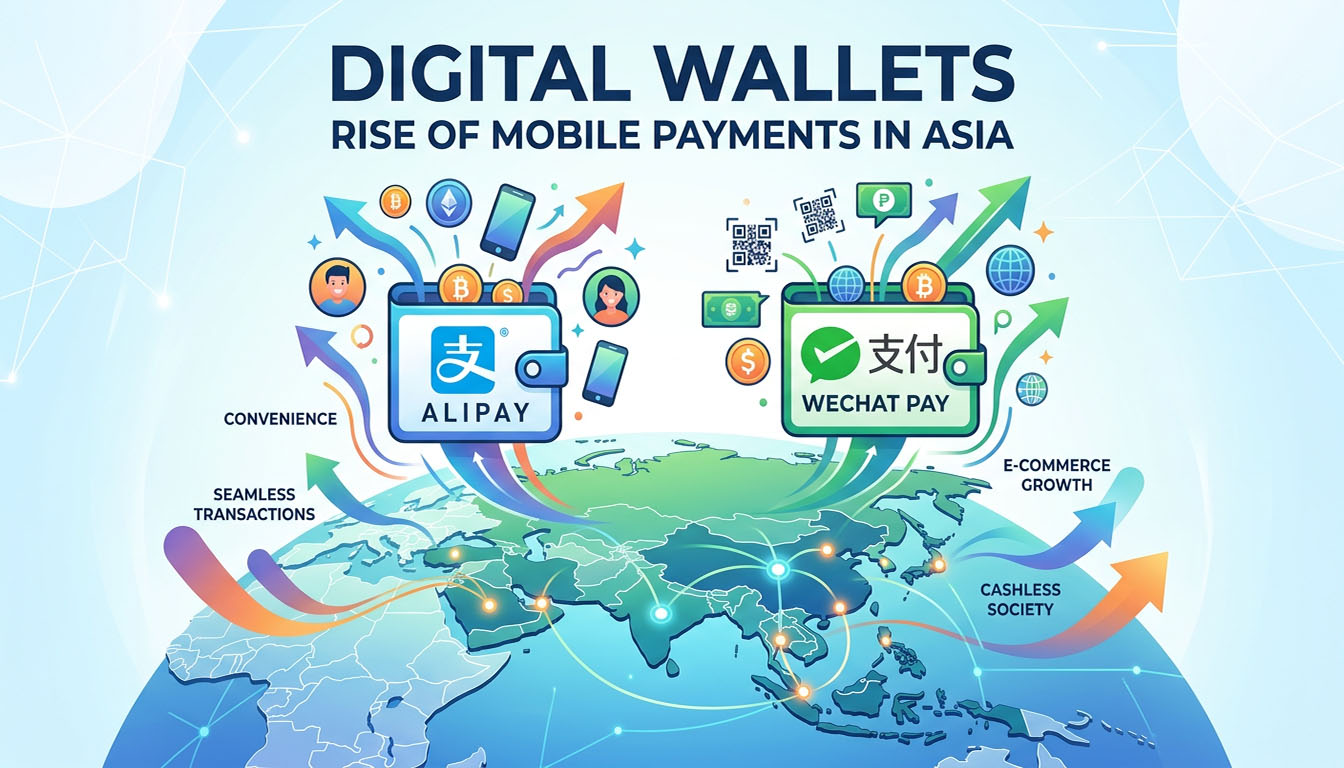
These digital wallets are growing in acceptance, especially for factories catering to domestic or Asian buyers. For international sellers, they’re handy if you’re sourcing via platforms like Alibaba, allowing seamless payments for samples or small orders.
Pros: Low fees and instant processing; great for MOQs of 10–50 bags if you’re targeting regional trends.
Cons: Less common for Western buyers; requires a Chinese bank link or platform integration.
MOQ Insight: MOQs can be flexible, often as low as 5–20 bags, but confirm currency options (e.g., USD vs. RMB).
Security Tip: Use through Alibaba’s Trade Assurance for added escrow-like protection. Source: jingsourcing.
6. Cash Payments (USD/RMB)
Cash is occasionally permitted for local buyers or in-person meetings, like at trade shows where you inspect bag samples. It’s rare for international deals due to security risks, but useful for small, immediate purchases.
Pros: No fees and instant settlement; good for MOQs under 10 bags if you’re on-site.
Cons: High theft risk; not traceable, so avoid for remote orders.
MOQ Insight: Typically for very low MOQs (e.g., 1–5 bags), but impractical for cross-border sellers.
Security Tip: Only consider this with long-standing partners and always get receipts.
7. Cross-Border RMB Settlement

Driven by China’s yuan internationalization efforts, this method is gaining traction. It allows payments in RMB, reducing exchange fees for large orders. For bag sellers, it’s worth exploring if you source frequently, as it can streamline repeat purchases.
Pros: Lower currency conversion costs; builds supplier rapport for orders over 300 bags.
Cons: Limited adoption; requires RMB accounts and understanding of forex risks.
MOQ Insight: MOQs are similar to T/T (200+ bags), but negotiate for smaller trial runs with trusted factories.
Security Tip: Use with factories that have international banking experience to avoid delays.
8. Cryptocurrency (e.g., Bitcoin)
A niche option, cryptocurrency is accepted by tech-savvy factories targeting specialized buyers. For instance, if you’re launching eco-friendly bags with a blockchain-focused brand, this could align with your image—but it’s rare and volatile.
Pros: Fast, low-fee transactions; good for MOQs of 50–100 bags in experimental niches.
Cons: High price fluctuation and regulatory uncertainty; avoid unless you’re in a crypto-friendly segment.
MOQ Insight: MOQs vary widely; factories may accept it for smaller orders (e.g., 20+ bags) to attract modern sellers.
Security Tip: Only use with suppliers who provide clear crypto payment terms in contracts.
9. Open Account (O/A) Terms

O/A terms involve paying after delivery, based on credit. This is negotiable with established factories for repeat orders, like seasonal bag collections, but it’s risky for new relationships.
Pros: Improves cash flow; ideal for MOQs of 500+ bags with trusted suppliers.
Cons: High supplier default risk; factories may require credit checks or higher MOQs.
MOQ Insight: MOQs are often elevated (e.g., 1,000+ bags) to offset risk; not suitable for trials.
Security Tip: Build credit gradually—start with small O/A terms after multiple successful orders.
10. Staged Payments
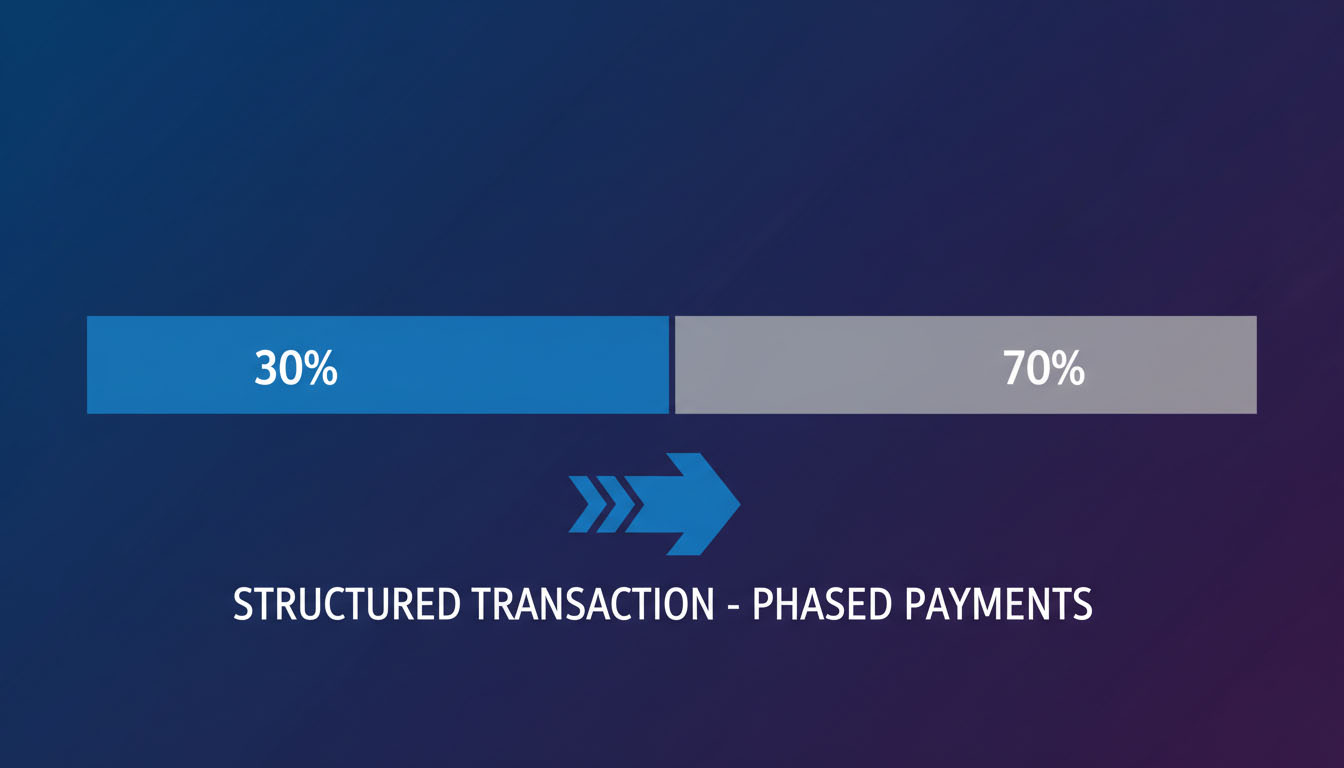
A subset of methods like T/T, staged payments (e.g., 30% deposit, 70% pre-shipment) are standard for bag orders. They provide balance by securing commitment upfront while withholding final payment until goods are ready.
Pros: Reduces risk for both parties; works for any MOQ, from samples to bulk.
Cons: Requires clear milestones; delays can occur if documentation is slow.
MOQ Insight: Flexible—use for MOQs as low as 50 bags or high-volume runs.
Security Tip: Define stages in your purchase agreement (e.g., deposit at order confirmation, balance after QC).
Addressing Key Concerns: MOQs, Trial Orders, and Security
As an independent seller, you likely have specific questions about MOQs tied to payment methods, options for testing products, and safeguarding your funds. Let’s tackle these based on your queries and industry data.
What is the MOQ for Specific Payment Methods?
MOQs aren’t fixed but vary by payment type due to risk and cost factors. For example:
Low-MOQ Options (Under 50 bags): PayPal, Western Union, or Alipay are ideal, as factories absorb less risk. MOQs here can be as low as 1–10 bags for samples.
Medium-MOQ Options (50–500 bags): Credit/debit cards via platforms (e.g., Alibaba) or staged T/T work well, with MOQs starting around 50 units.
High-MOQ Options (500+ bags): T/T, L/C, or O/A dominate, requiring larger commitments to justify fees. Always negotiate MOQs down by combining orders or agreeing to higher per-unit costs. Pro tip: For new designs, start small with PayPal to test quality before scaling up.
Are LCs Commonly Accepted, and What Terms Apply?
Yes, LCs are widely accepted for substantial bag orders, especially with new or high-risk suppliers. Terms include:
Common Structures: Irrevocable LCs (no changes without agreement) with shipment-based triggers (e.g., payment upon bill of lading).
Fees: Expect 1–3% of the order value, plus bank charges.
Usage: Aim for orders over $10,000 or 500+ bags to make fees worthwhile. Always involve your bank in drafting terms to cover bag-specific details like material quality.
Payment Options for Smaller Trial Orders
For testing bag samples or small batches (e.g., 10–50 units), prioritize low-risk, flexible methods:
PayPal: Best for digital ease and protection; use for 1–10 bag samples.
Escrow Services (e.g., Alibaba Trade Assurance): Funds are held until delivery, perfect for 10–50 bag trials via platforms.
Credit/Debit Cards: Accepted on Alibaba or similar sites for orders under 100 bags, with built-in dispute resolution.
Western Union: For urgent samples under $500, but limit to trusted suppliers. These options minimize upfront risk while letting you assess quality—critical for launching new lines.
Safeguards for International Buyers
Protecting payments is non-negotiable. Key safeguards include:
Escrow and Trade Assurance: Platforms like Alibaba hold funds until you confirm receipt, ideal for first-time orders.
Staged Payments: Split payments to align with production checkpoints (e.g., 30% deposit, 40% pre-shipment, 30% after QC).
Verification Tools: Use supplier background checks, third-party inspections, and written contracts detailing payment terms.
Currency and Fee Clarity: Confirm who covers fees (e.g., specify “TT fees borne by buyer” in USD) to avoid surprises. For high-value deals, LCs add bank oversight. Always start with small orders to build trust.
Pro Tips for Independent Bag Sellers
Based on the “what you should do next” insights, here’s a streamlined action plan:
1. Ask Directly: Contact factories with, “What payment methods do you accept for sample and bulk bag orders?” Tailor this to your niche (e.g., vegan leather vs. nylon backpacks).
2. Get It in Writing: Document all terms—payment schedule, fees, currency (USD preferred), and quality standards—in a contract.
3. Prioritize Safety for First Orders: Use escrow (e.g., via Alibaba) or PayPal over direct T/T unless the supplier is vetted. For MOQs under 100 bags, this reduces risk by up to 90%.
4. Leverage Platforms: Sites like Alibaba offer integrated payment options (e.g., Alipay or card payments) with buyer protection.
5. Build Relationships: Start with trial orders to test factories; this can lead to better terms like lower MOQs or O/A for future bulk deals.
Wrapping It Up
Choosing the right payment method when sourcing bags from China isn’t just about moving money—it’s about building a resilient supply chain for your independent store. By aligning options like T/T for bulk runs or PayPal for samples with your order size and risk profile, you’ll save costs, avoid pitfalls, and focus on what matters: delivering amazing bags to your customers. Remember, the bag industry thrives on trust and adaptability. Start small, verify suppliers, and scale with confidence. Got questions? Share your experiences in the comments—I’m here to help you succeed!
Final Thought: In e-commerce, your payment strategy can make or break your bag business. Stay informed, stay secure, and keep innovating. For more pro tips on sourcing, check out our guide on bag quality control.
Post time: Mar-17-2026