
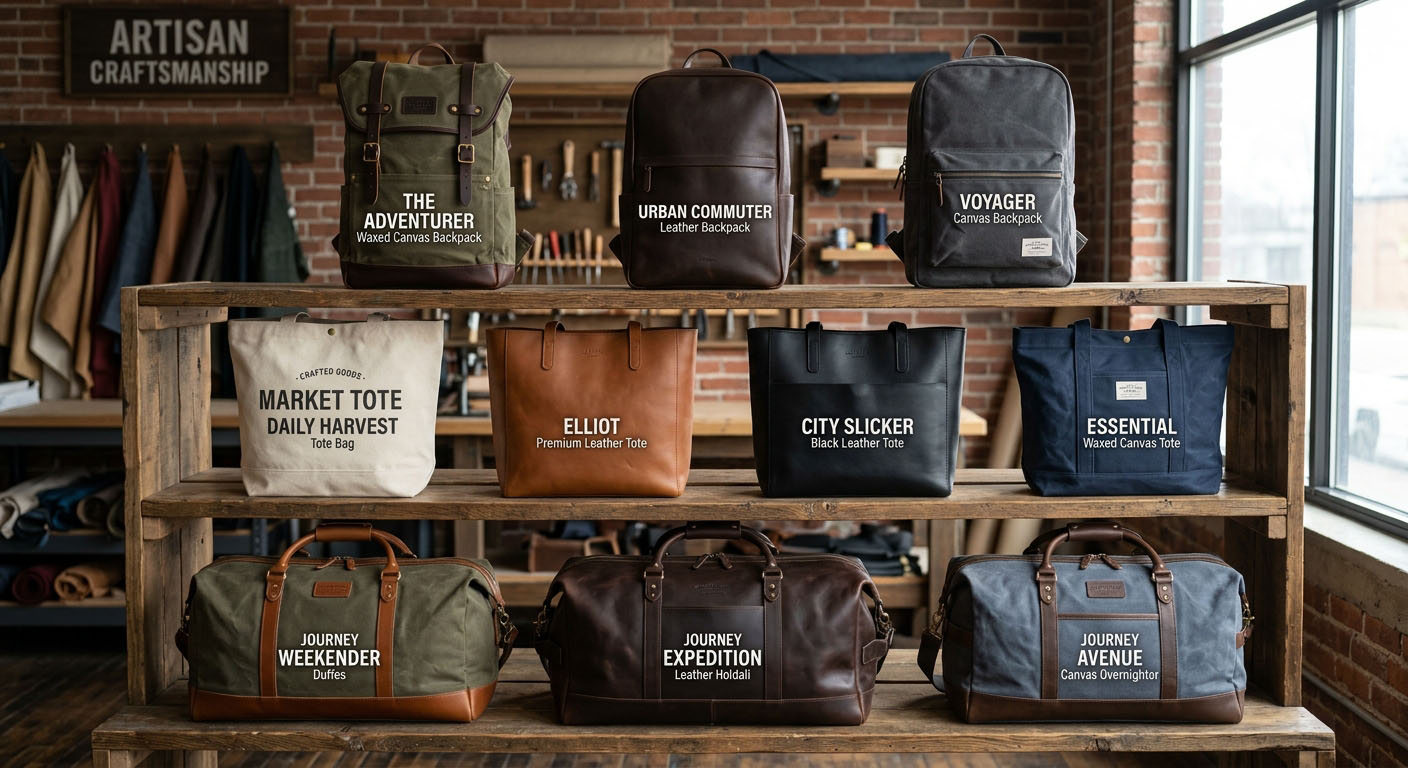
Navigating the complexities of sourcing custom bags from China requires more than just finding a factory; it demands a deep understanding of the manufacturing landscape, quality imperatives, logistical intricacies, and evolving sustainability demands. As an established player in the B2B bag sourcing space, we leverage years of specialized experience to ensure our clients secure not just products, but partnerships that deliver excellence. This guide delves into the critical factors we manage to connect you with the right Chinese manufacturers for your specific bag needs.
1. The Crucial Element: Validating Specific Production Experience
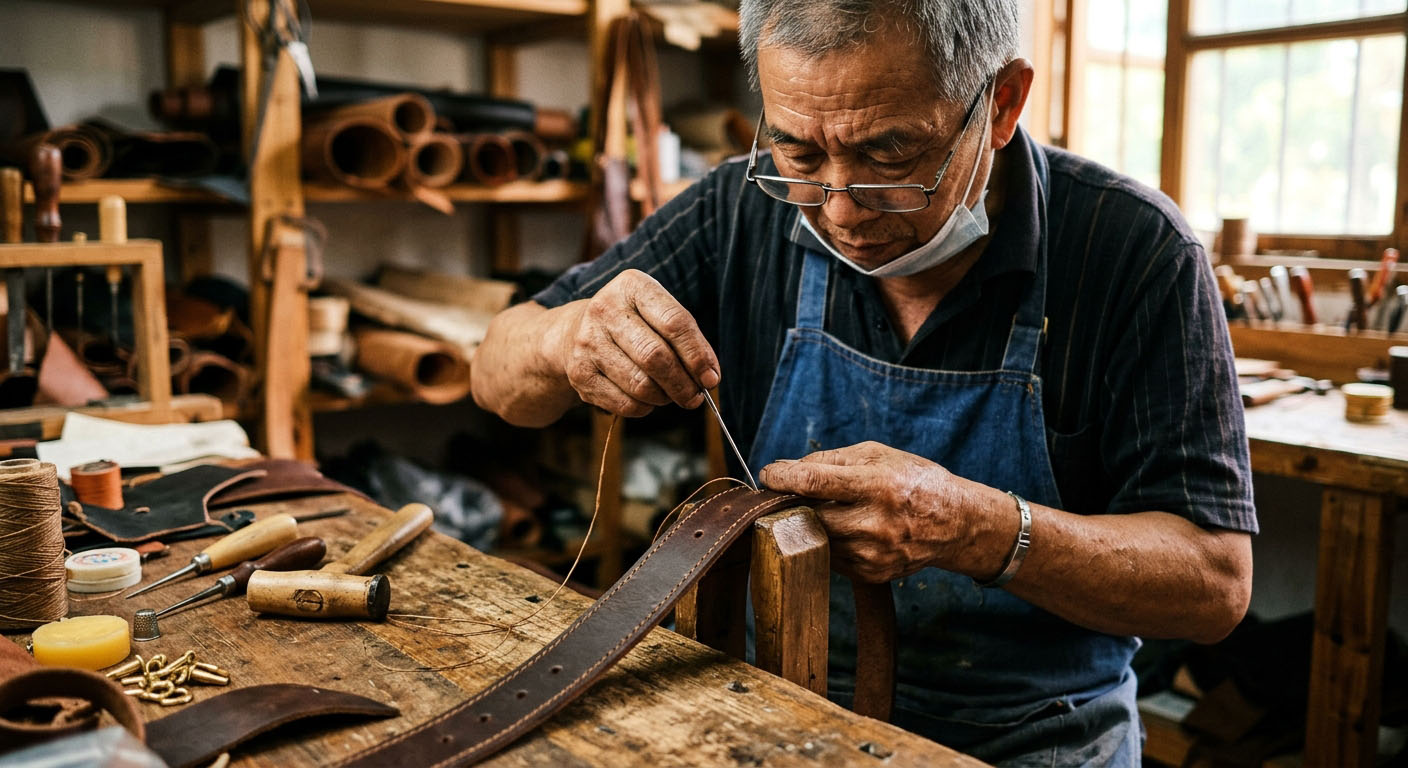
The most common pitfall? Assuming a factory that makes “bags” can make your bag. True expertise lies in proven experience with the specific type of bag you require. This isn’t about general capability; it’s about demonstrable mastery of comparable designs, materials, and construction techniques.
What “Specific Experience” Truly Means: It means the factory has a track record producing bags identical or very similar* to yours in:
Category: Needing a structured leather handbag? They should have a history with structured leather handbags, not just canvas totes.
Materials & Construction: Familiarity with your exact (or very similar) fabrics/leathers, linings, hardware (zippers, buckles), reinforcements, and sewing complexities (e.g., waterproof seams, padded compartments, molded elements). As noted in your insights, some designs require highly skilled artisans (“Master Craftsman”) and potentially specialized machinery for unique effects or constructions (“Special Processes or Machinery”).
Design Complexity & Quality Tier: Experience handling features like multiple zippers, intricate pockets, unique shapes, custom branding techniques (printing/embroidery), and finishes matching your target quality segment (mass-market vs. premium).
Proof Points: They should readily provide non-confidential samples of similar past work and ideally offer client references (even anonymized).
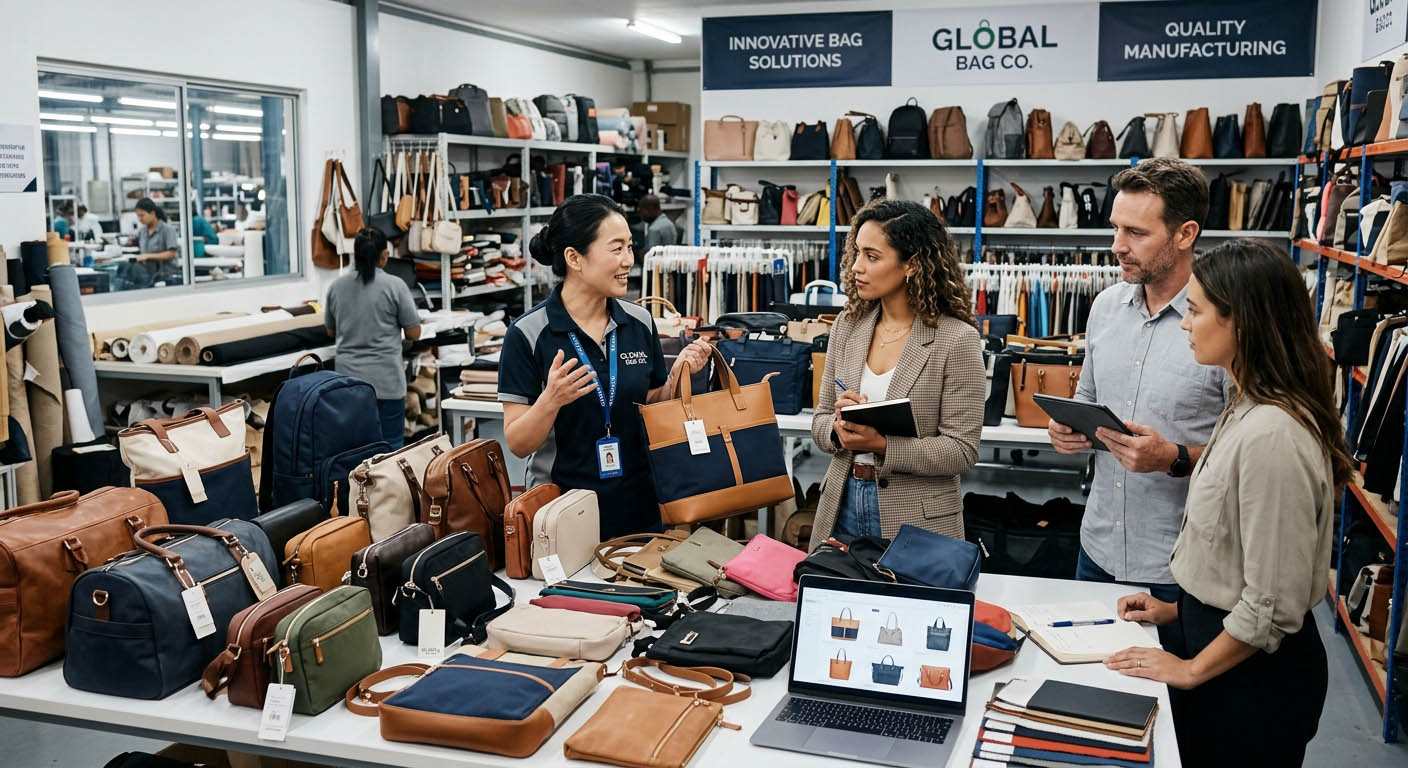
How We Verify Specificity (and How You Should Too):
1. Interrogating Specialization: We ask factories point-blank what bag types they specialize in (e.g., technical backpacks, luxury leather goods, promotional totes) and rigorously match this to your project.
2. Tech Pack Scrutiny: We provide your detailed technical specifications (tech pack) and request photos or physical samples of their past work that mirrors the structure, stitching quality, and finishing detail required. As mentioned in your insights, sending the tech pack and requesting comparable samples is key ([maplesourcing]).
3. On-Site Validation: During factory audits or visits, we physically verify the presence of appropriate equipment (e.g., leather skiving machines for leather goods, lamination lines for waterproof bags), a capable sample room, and production lines actively handling comparable products. This confirms their practical setup aligns with your needs ([maplesourcing]).
2. Non-Negotiable Standards: Quality Control in Chinese Bag Production
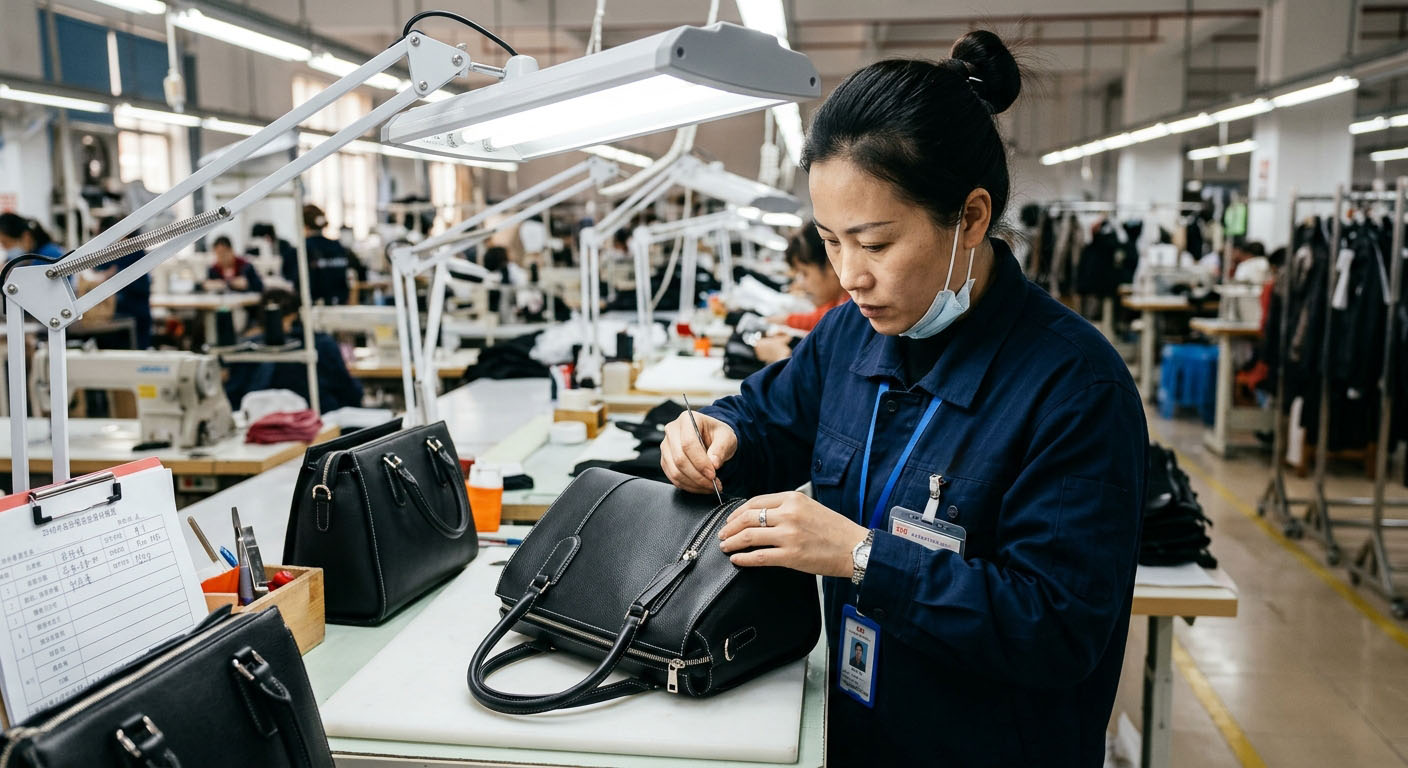
Ensuring consistent quality is paramount. Chinese factories serving international clients adhere to rigorous QC protocols, often aligned with global standards. Our role is to ensure these standards are not just claimed but embedded in the process.
Key QC Standards & Processes:
International Benchmarks: Adherence to standards like AQL (Acceptable Quality Level) for inspection sampling, ISO 9001 for quality management systems, and specific safety standards relevant to the bag type (e.g., CPSIA for children’s products in the US).
Material Verification (IQC – Incoming Quality Control): Rigorous checks on incoming fabrics, leather, hardware, and trims for defects, color consistency, thickness, strength, and compliance with specifications.
In-Process Checks (IPQC – In-Process Quality Control): Supervisors and QC staff monitor production lines for critical steps – stitching tension and consistency, alignment of patterns/hardware, correct assembly sequence, functionality of zippers/closures.
Final Random Inspection (FRI): Comprehensive AQL-based inspection of finished goods before shipment, checking for visual defects, structural integrity, functionality, sizing, labeling, and packaging.
Durability Testing: Depending on the bag type, factories may perform tests like weight capacity checks, abrasion resistance, colorfastness, or zipper cycle tests.
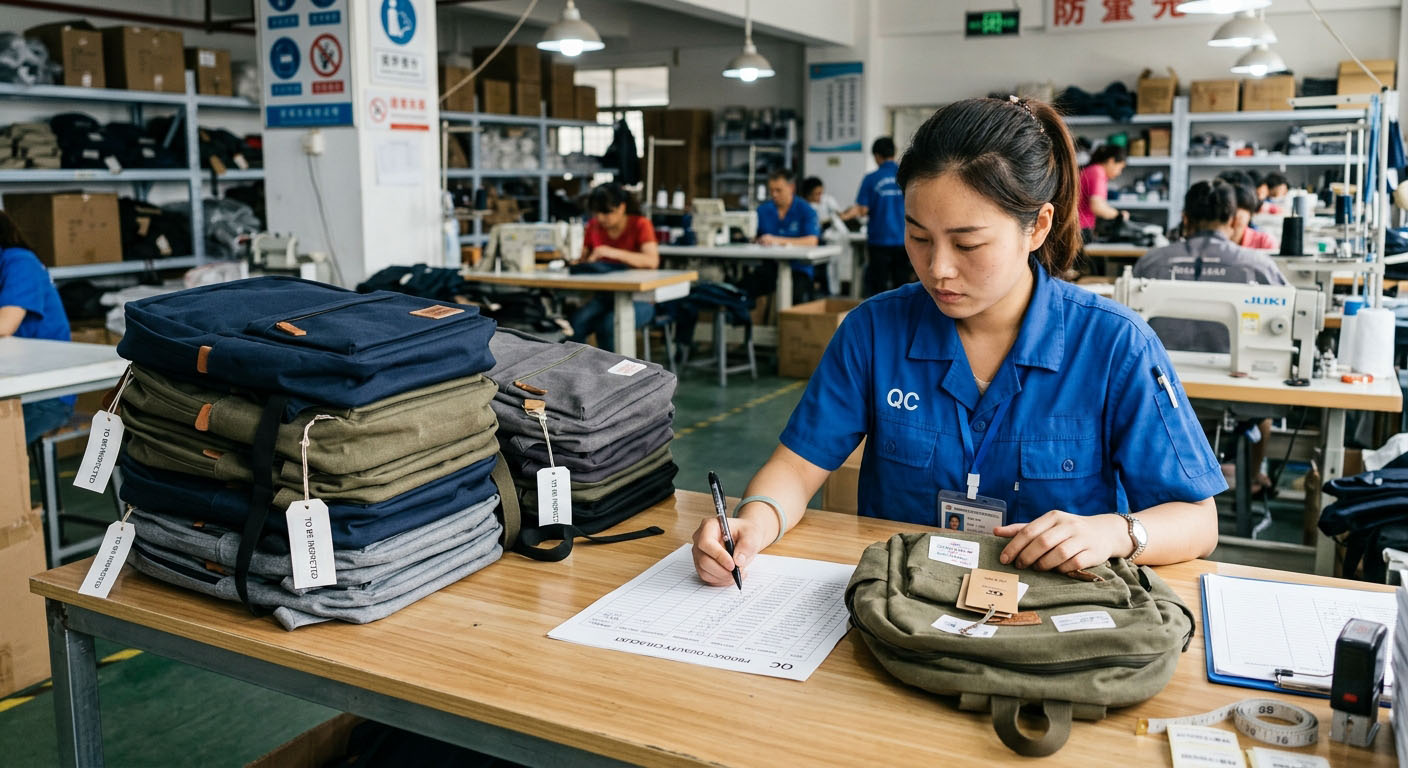
Our Oversight: We don’t just rely on the factory’s internal QC. We implement:
Pre-Production Sample Approval: Sign-off on exact materials and construction.
During Production Checks (DUPRO): Our inspectors or trusted third-party partners (like those referenced in your insights, [v-trust]) visit during production to catch issues early.
Pre-Shipment Inspection (PSI): Independent verification against the AQL level agreed upon in your contract.
3. Planning is Paramount: Lead Times & Production Schedules
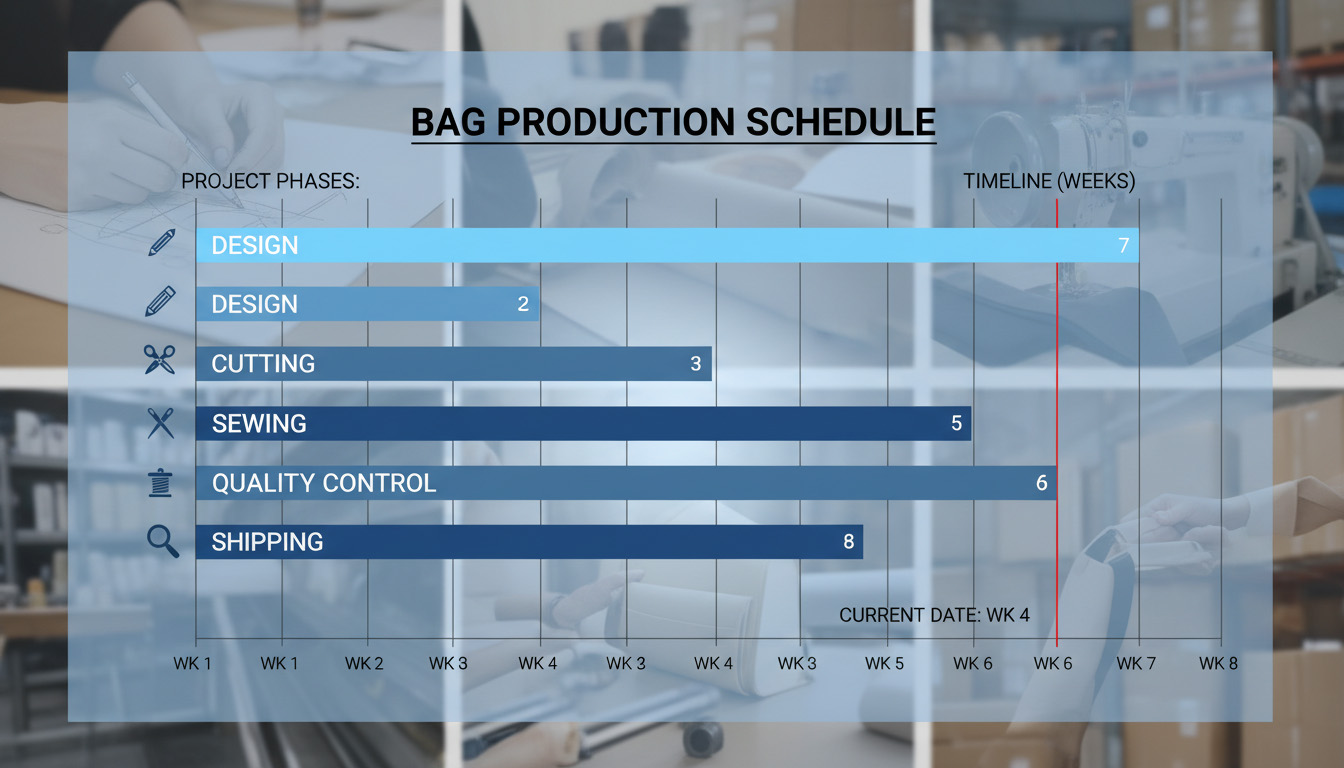
Understanding realistic timelines is crucial for inventory planning and market launches. Lead times vary significantly based on complexity, order size, and factory capacity.
Typical Timeline Breakdown:
Prototyping/Sample Development: 2-6 weeks (highly dependent on design complexity, material availability, and revision rounds).
Material Sourcing & Lead Time: 1-4 weeks (if standard materials are in stock; longer for custom-dyed fabrics or specialty hardware).
Mass Production: 4-8 weeks (for standard orders of 500-3000 units; influenced by factory efficiency and automation levels – as highlighted in your insights regarding leveraging automation for speed).
QC & Shipping: 1-2 weeks (inspection, packing, documentation, freight booking).
Total Estimated Lead Time: 8-16 weeks from order confirmation, often longer for highly complex or large-volume orders (>5000 units), or during peak seasons (e.g., pre-Chinese New Year).
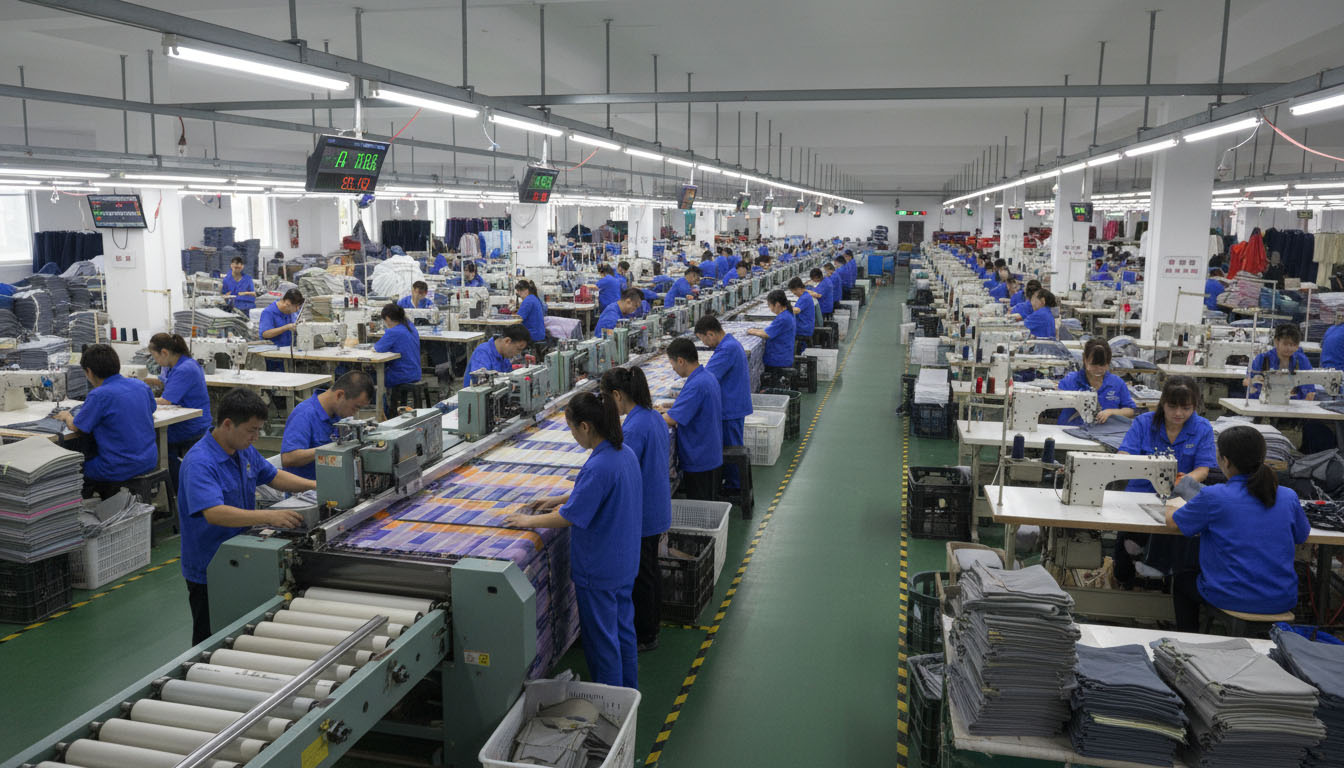
Optimizing Schedules: We work with manufacturers to:
Secure material commitments early.
Develop realistic, phased production plans.
Leverage factory strengths in large-scale production runs for efficiency.
Build buffer time for unexpected delays.
Provide clear, updated schedules to our clients.
4. Understanding the Investment: Key Cost Factors
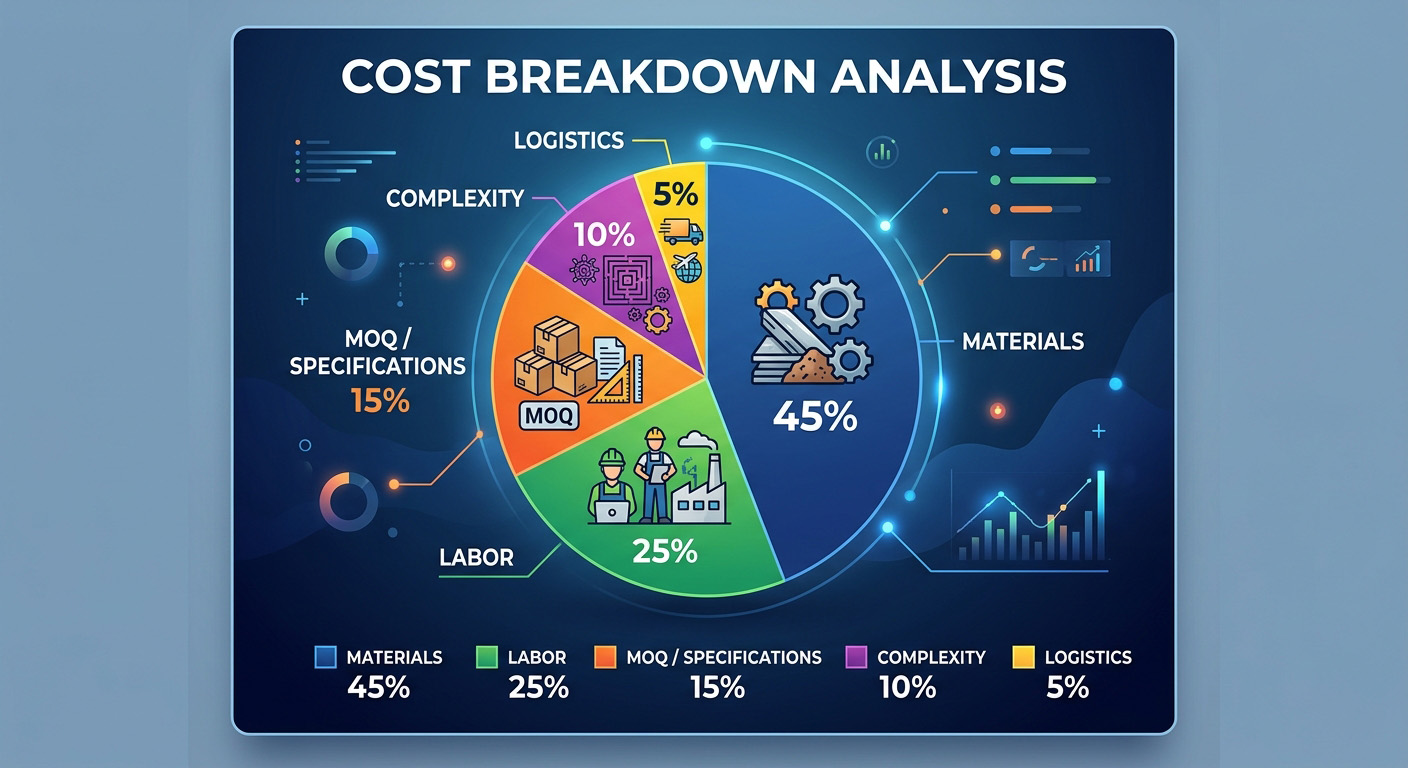
Pricing for specialized bags is influenced by a matrix of factors. Understanding these helps in budgeting and negotiation.
Primary Cost Drivers:
Materials: Type (e.g., genuine leather vs. PU, premium nylon vs. standard polyester), quality grade, quantity purchased (volume discounts), and custom treatments (coating, printing). Sourcing high-quality materials efficiently is a core expertise ([your insight]).
Labor: Complexity of construction (hand-stitching, intricate patterns), time per unit, and prevailing wage rates in the factory’s region. Efficient labor utilization is key to competitive pricing ([your insight]).
Order Size (MOQ – Minimum Order Quantity): Larger quantities spread fixed costs (setup, molds, pattern making) over more units, significantly reducing the per-unit cost.
Design Complexity: Number of components, pockets, zippers, custom hardware molds, special sewing techniques, level of branding (simple label vs. complex embroidery).
Quality & Compliance: Higher QC standards (more inspections, stricter AQL) and required certifications (BSCI, ISO) add cost but ensure value.
Logistics: Packaging requirements, shipping method (air vs. sea freight), and destination port fees.
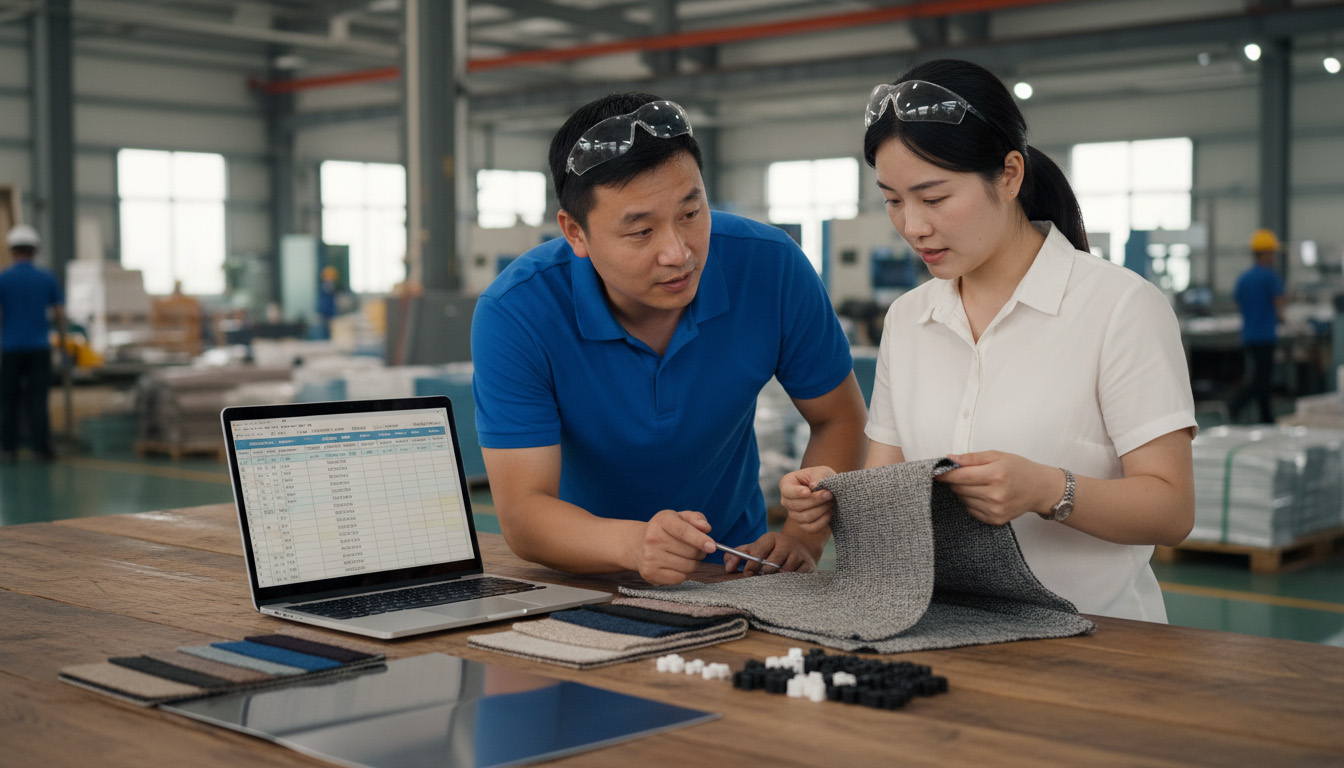
Our Value in Cost Management: We leverage our network and volume to negotiate favorable material pricing, identify factories optimized for specific cost structures, advise on design-for-manufacturability to reduce complexity, and optimize logistics routes.
5. The Green Imperative: Implementing Sustainability
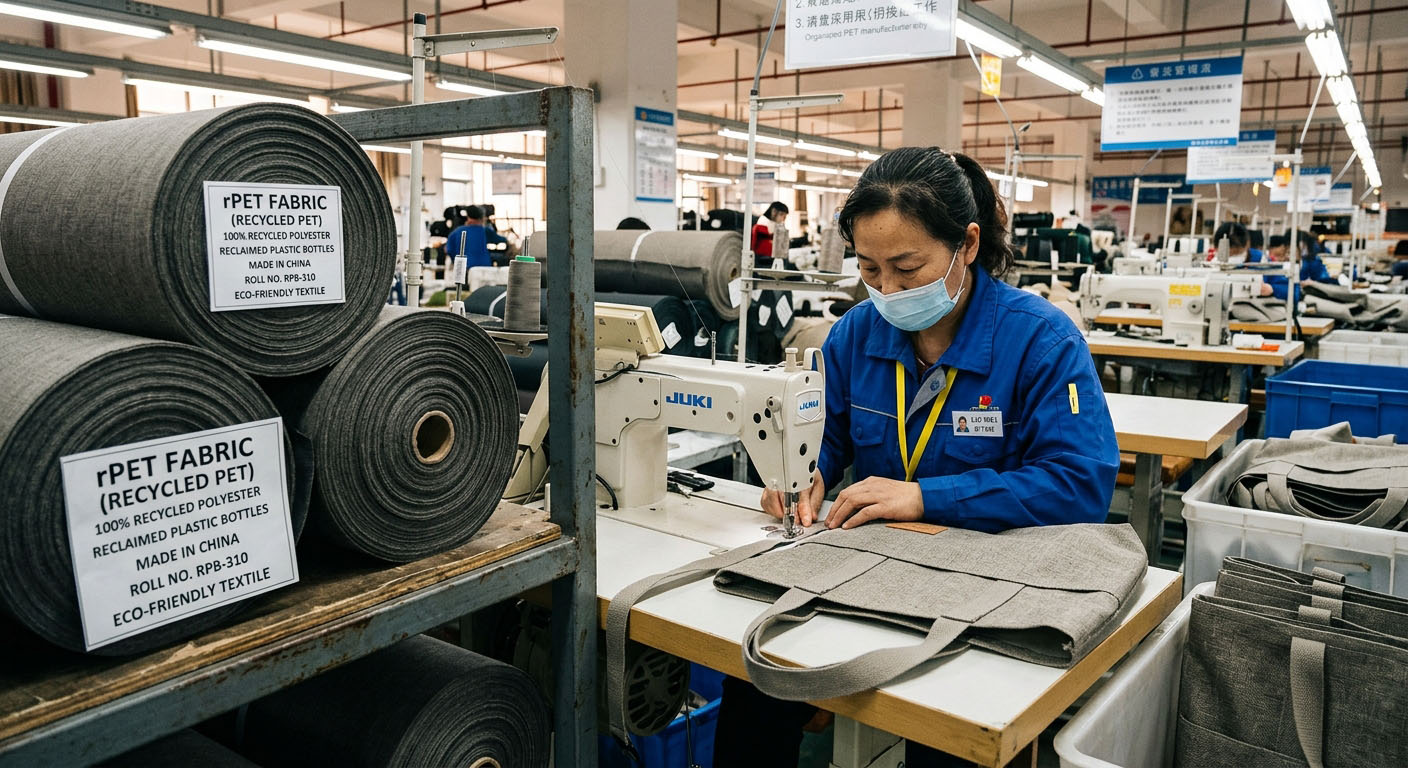
Sustainability is no longer optional; it’s a business imperative and a growing client demand. Implementing eco-conscious practices requires proactive collaboration with manufacturers.
Sustainable Practices in Bag Manufacturing:
Material Sourcing: Utilizing recycled materials (rPET, recycled nylon), organic cotton, natural or bio-based materials (cork, Piñatex), and water-based/low-impact dyes.
Waste Reduction: Implementing lean manufacturing principles, optimizing cutting patterns to minimize fabric waste, and establishing recycling programs for production scraps.
Energy Efficiency: Encouraging factories to invest in energy-efficient machinery and renewable energy sources where feasible.
Durable Design: Focusing on quality construction and timeless design to extend product lifespan, reducing the need for frequent replacement.
Ethical Labor: Partnering with factories committed to fair labor practices, safe working conditions, and compliance with social accountability standards (e.g., SMETA, BSCI). Adoption of eco-friendly practices is a core capability we seek ([your insight]).
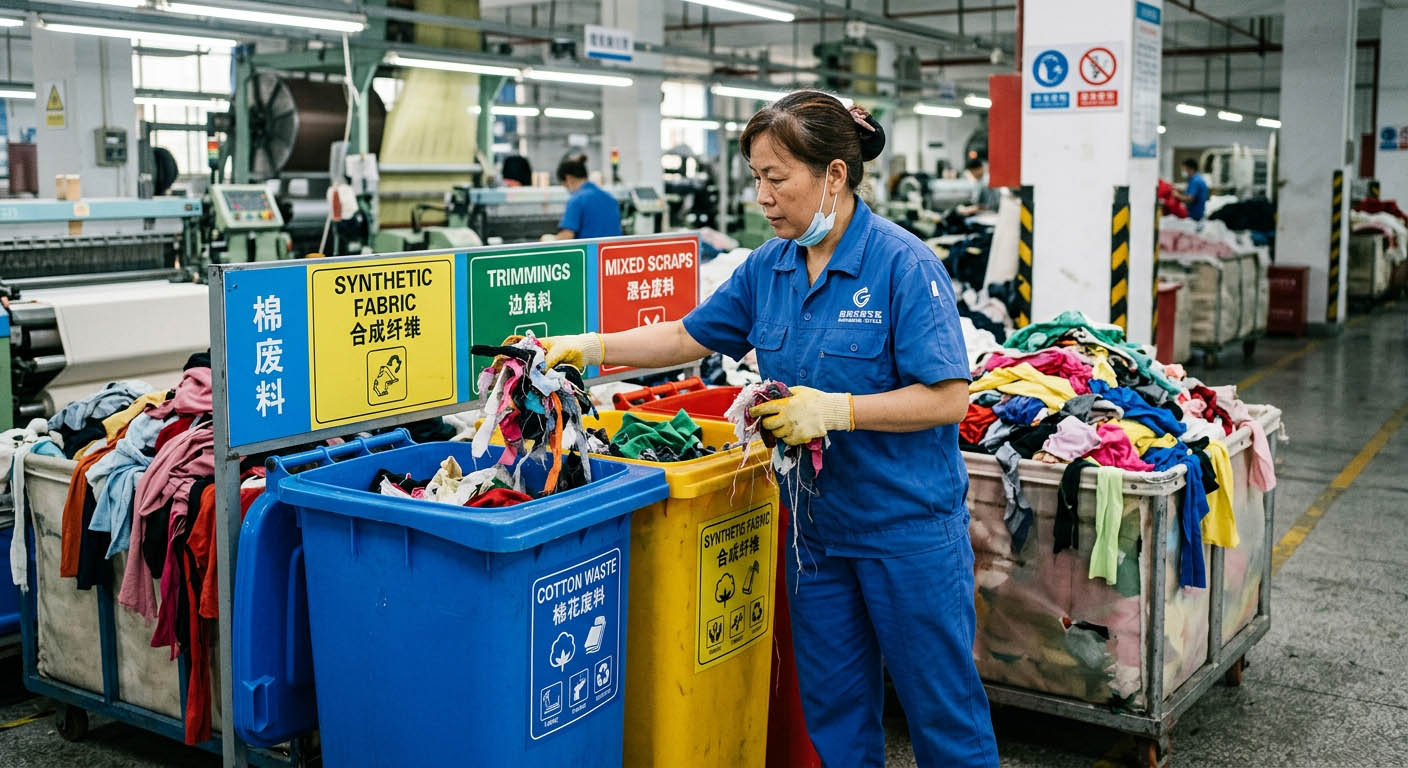
Our Role in Green Sourcing: We actively:
Identify and vet factories with existing sustainability initiatives or openness to collaboration.
Source and validate eco-material options (recycled fabrics, non-toxic treatments).
Facilitate discussions on waste reduction strategies.
Ensure ethical production audits are part of the vetting process.
Conclusion: Partnering for Success

Sourcing specialized bags from China offers immense potential in terms of quality, customization, and value. However, unlocking this potential hinges on meticulous due diligence regarding specific factory expertise, unwavering commitment to quality control, realistic planning around lead times, transparent understanding of costs, and a dedicated approach to sustainability. This is where deep industry knowledge and a robust network become invaluable.
We don’t just connect you with factories; we provide the expertise and oversight necessary to transform your specific bag vision into a successfully manufactured reality. Our experience in sourcing high-quality materials, implementing rigorous QC, managing large-scale production, offering custom design services, optimizing logistics, maintaining competitive pricing, and fostering sustainable practices ensures your project is executed professionally from concept to delivery.
Ready to discuss your specific bag requirements? Whether it’s a nylon laptop backpack, a vegan leather tote, or a highly specialized technical bag, we have the knowledge and connections to find the right manufacturing partner in China. Contact us today for a consultation.
Post time: Mar-19-2026