
For independent brands and retailers, sourcing custom bags from China offers unparalleled advantages in terms of cost-effectiveness, manufacturing capability, and scalability. However, one of the most common concerns that arises, especially for first-time buyers or those unfamiliar with the process, revolves around communication efficiency and English proficiency. Will your messages be understood? How quickly will you get responses? Will you have a dedicated point of contact? These are valid questions, and understanding the landscape is key to a successful partnership.
As specialists in the bag sourcing and manufacturing space, we’ve seen countless projects succeed (and occasionally stumble) based on communication dynamics. This article cuts through the noise, providing a realistic overview of what to expect and actionable strategies to ensure your project flows smoothly from inquiry to delivery.
The Communication Landscape: What You Can Typically Expect
The reality is that communication capabilities vary significantly across Chinese suppliers, largely influenced by their size, location, export experience, and business model. Here’s a breakdown based on extensive industry observation:
1. English Proficiency: Written vs. Spoken & The Role of Dedicated Managers
Written English: Generally, mid-to-large size bag factories catering to international markets have sales or account staff with moderate to good written English skills. They are accustomed to handling inquiries, specifications, and order details via email and instant messaging platforms like WhatsApp or WeChat. Suppliers located in major export hubs like Shenzhen, Shanghai, or Guangzhou often have higher proficiency levels due to greater exposure to global clients.
Spoken English: Spoken English proficiency often lags behind written skills. Complex discussions or clarifications over voice or video calls (e.g., Skype) can be challenging. Experienced suppliers recognize this and typically handle intricate details through follow-up emails supplemented with photos, annotated diagrams, or samples – methods that provide clarity and leave a written record.
Dedicated Account Managers: Yes, it’s common practice for suppliers handling international projects to assign a dedicated English-speaking account manager. This individual becomes your primary point of contact, guiding you through sampling, production updates, and addressing concerns. This continuity is crucial, especially for custom orders requiring ongoing dialogue and negotiation. Trading companies and sourcing agents almost universally offer this and often boast stronger overall English communication as their core function is bridging the gap between foreign buyers and factories.

2. Response Times & Communication Channels
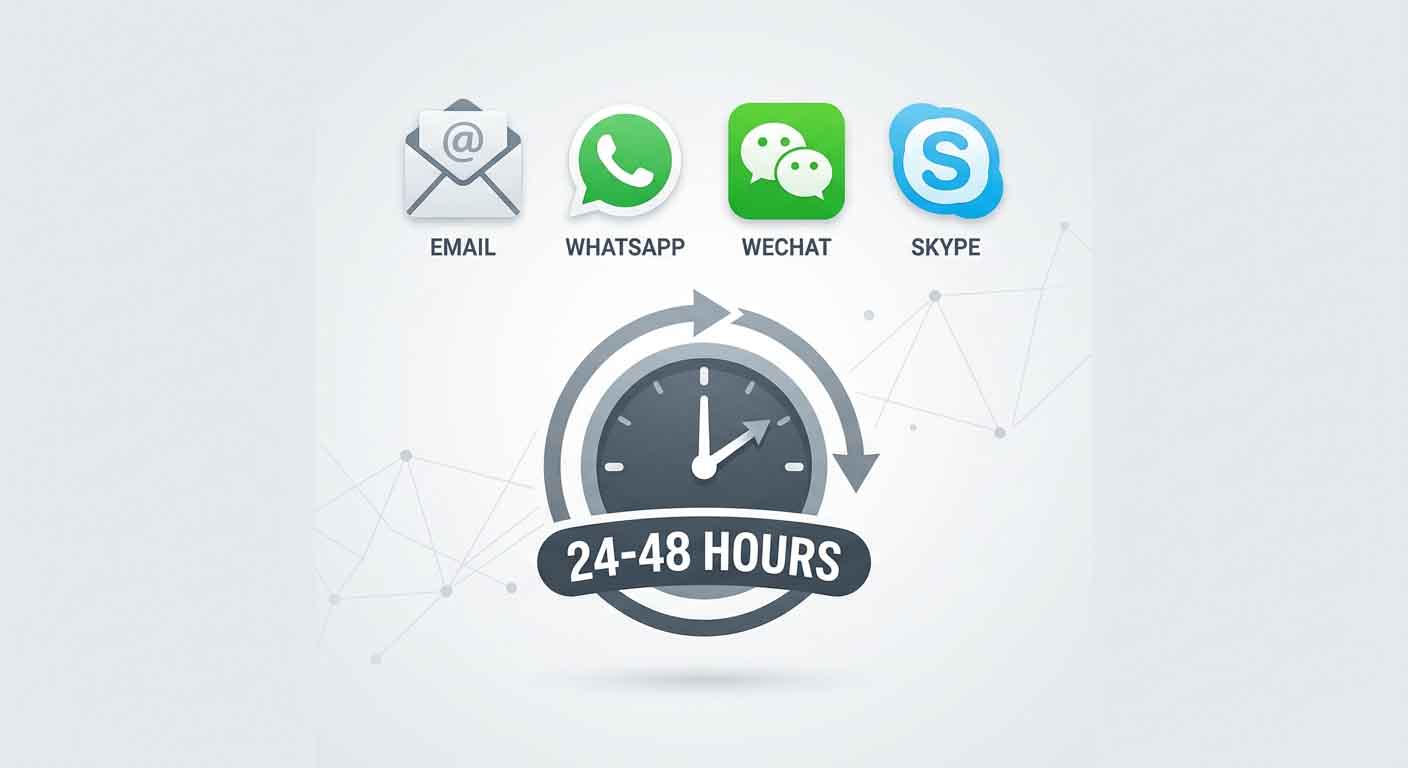
Standard Response Window: During standard China business hours (GMT+8), expect responses to email or instant message inquiries within 24-48 hours, often much faster (same-day) once you move beyond the initial inquiry stage and into active sampling or production. Smaller factories or those less experienced with exports might be slower or less consistent.
Supported Platforms: Flexibility is key. Suppliers typically support communication via Email, WhatsApp, WeChat, and often Skype or QQ. Many will proactively suggest using WeChat or WhatsApp for quicker day-to-day updates and questions, while keeping formal agreements and specifications documented via email.
3. Handling Non-Business Hours & Chinese Holidays
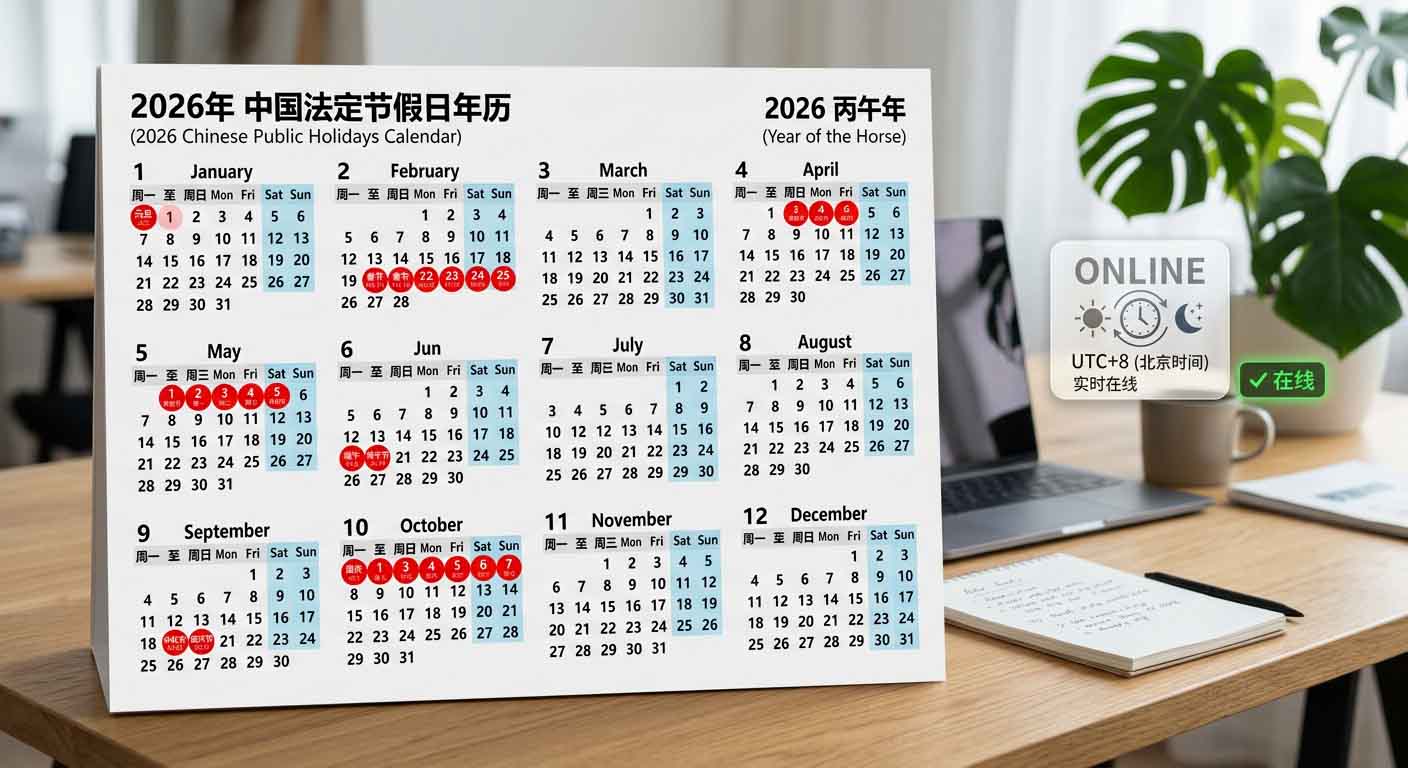
Holidays: Major Chinese holidays (e.g., Chinese New Year, Golden Week) inevitably cause communication delays, as offices close. However, professional suppliers will proactively notify clients of holiday schedules well in advance. Some may also provide an emergency contact method for critical issues during extended closures. Planning your production timeline around these holidays is essential.
After Hours: While instant messaging platforms allow for asynchronous communication, immediate responses outside of standard Chinese working hours (roughly 9 AM – 6 PM GMT+8) shouldn’t be expected. Some larger firms or agents might offer extended support windows for critical phases or key clients in different time zones. Automated acknowledgments via chatbots or systems are becoming more common for initial inquiries received off-hours.
4. The Correlation with Experience & Efficiency
Communication efficiency often correlates directly with a supplier’s export experience and client focus. Larger factories and established trading companies prioritize clear, timely communication to avoid costly misunderstandings and build long-term relationships. They understand that poor communication is a major risk factor in international trade. Many leading suppliers also invest in language training for their staff to proactively improve quality and reduce errors.
How to Vet a Supplier’s Communication Before Committing
Don’t just take a supplier’s word for their English skills or responsiveness. Test them during the initial inquiry phase:
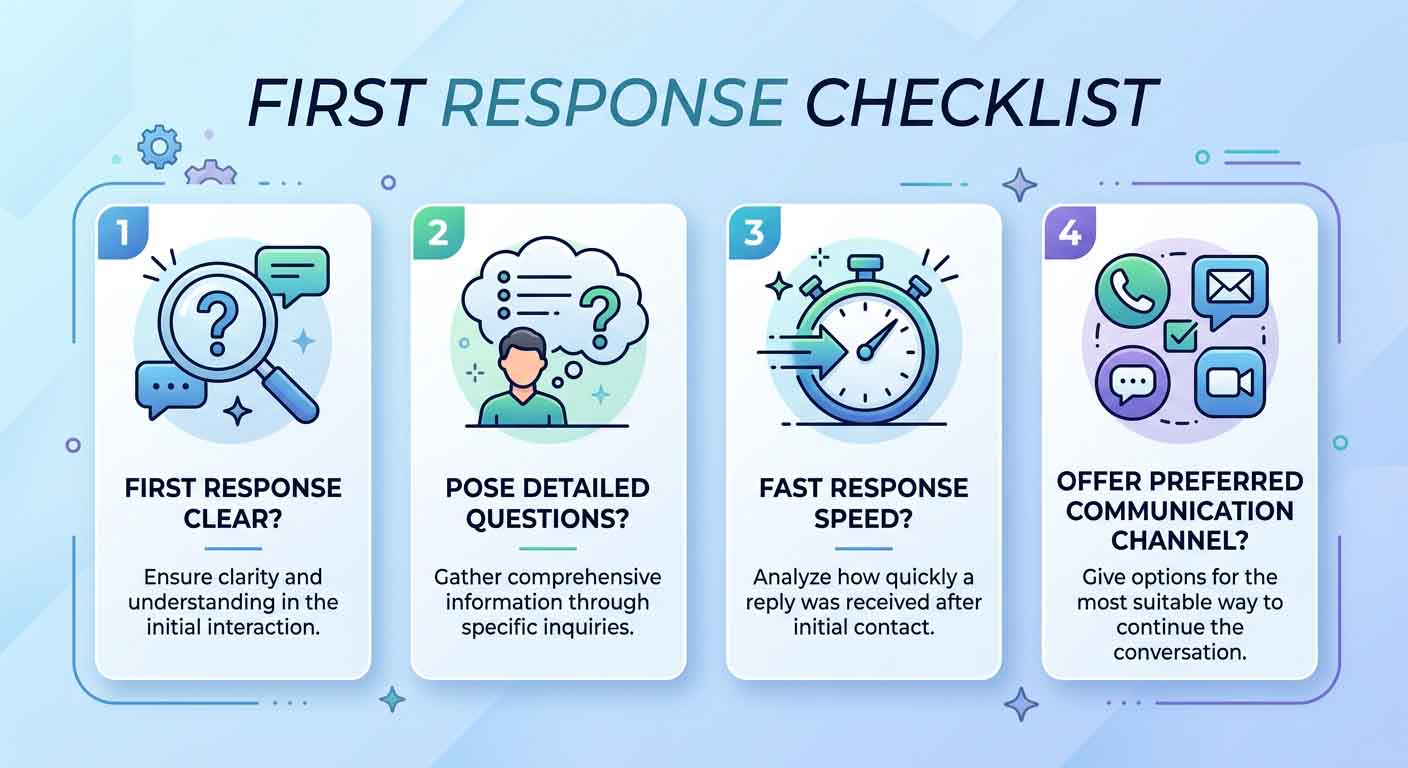
1. The Initial Inquiry Test: Send a clear, detailed first email. Ask specific questions about MOQ (Minimum Order Quantity), pricing ballparks for your concept, lead times, and customization capabilities (materials, hardware, printing/embroidery). Observe their reply:
Comprehensiveness: Do they answer all* your questions in a single, organized response? Or do you need to chase multiple follow-ups for basic information? A comprehensive reply signals organization and understanding.
Clarity & Language: Is their English response clear and easy to understand, even if not perfect? Are there obvious misunderstandings?
2. Evaluate Their Questions: Good suppliers won’t just answer – they’ll ask clarifying questions. Expect detailed questions about your specifications: exact material types and weights, hardware finishes and dimensions, precise bag dimensions and construction details, branding placement methods, packaging requirements, etc. This demonstrates engagement, a desire for accuracy, and good communication habits – they want to get it right.
3. Assess Responsiveness & Channel Preference: Note how quickly they reply initially and to follow-up questions. Do they suggest a preferred channel (like WeChat) for smoother ongoing communication? Are they proactive?
Once you’ve selected a supplier, employ these strategies to keep communication smooth and effective:
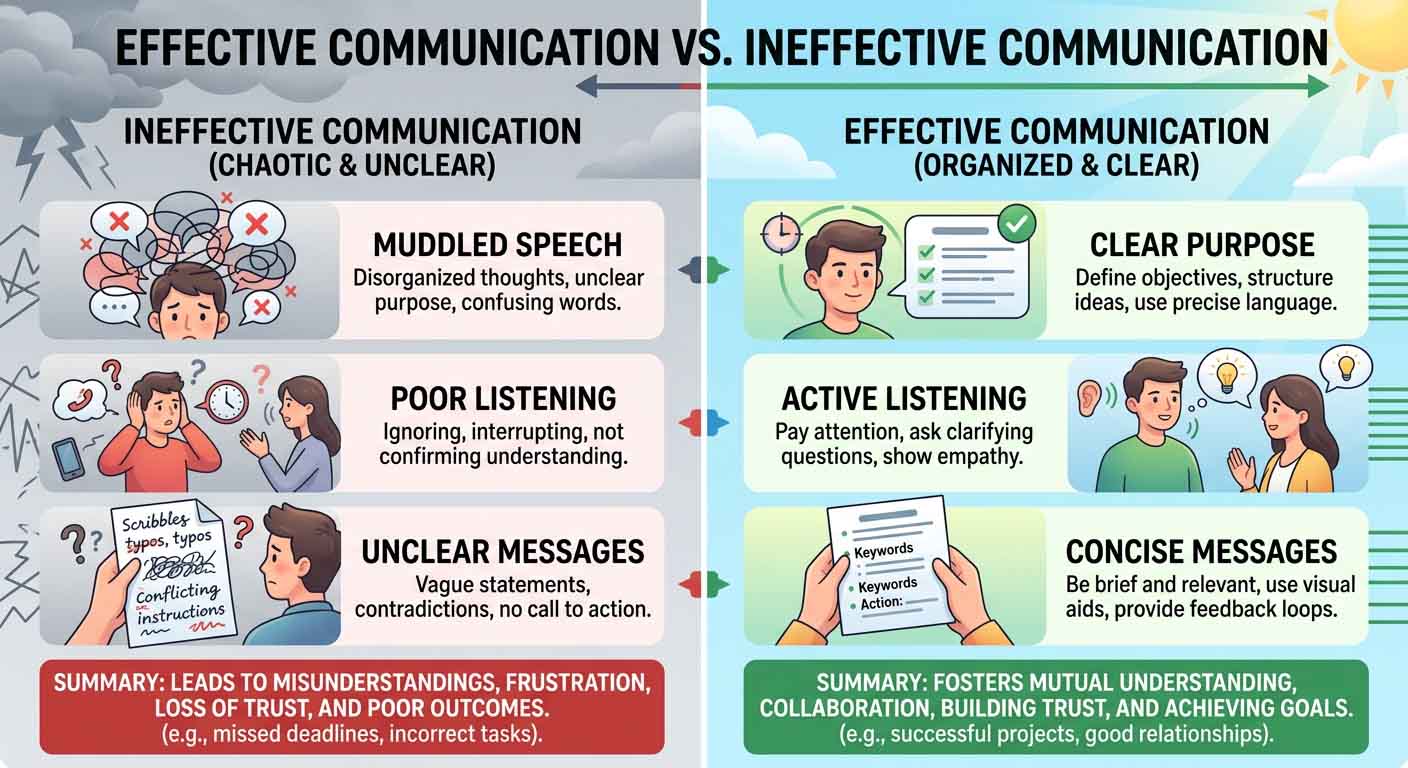
1. Clarity is King: Use simple, direct English. Avoid complex idioms or slang. Structure your messages logically, using bullet points or numbered lists for specifications or action items.
2. Visuals are Universal: Always include visuals! Provide clear drawings (CAD files if possible), detailed photos of similar bags or specific features, and reference samples with explicit dimensions marked. A picture (or diagram) truly is worth a thousand words, especially across language barriers.
3. Document Everything: After verbal discussions (even via chat), summarize agreements in writing (email). Include confirmed specs, material choices, tolerances, packaging details, delivery timelines, and payment terms. Ask your account manager to confirm each point explicitly. This creates a shared record and prevents “he said/she said” later.
4. Consider a Bridge Builder: For complex projects, high-value orders, or if communication feels persistently strained, leveraging a sourcing agent or third-party inspection company based in China can be invaluable. They act as cultural and linguistic interpreters, manage communication locally, and provide on-the-ground oversight.
Conclusion: Communication is a Manageable Factor
While communication challenges exist when sourcing custom bags from China, they are far from insurmountable. By understanding the typical landscape, carefully vetting potential suppliers’ communication styles before committing, and employing clear, visual, and documented communication practices throughout the project, you can significantly mitigate risks and foster a productive partnership. Remember, a supplier’s willingness and ability to communicate effectively is as important as their manufacturing capability.
Ready to explore custom bag manufacturing? Share your project details – bag type, target quantity, and preference for factory-direct or agent-assisted sourcing – and we can advise on the specific communication benchmarks you should set and the exact questions to ask potential suppliers in your first outreach.
Post time: Mar-09-2026