
Mastering Bag Imports from China: Your Guide to Reliable Shipping and Logistics
Introduction
As an independent e-commerce seller in the competitive bag industry, you know that sourcing high-quality products from China is just half the battle—the real challenge lies in getting those trendy totes, durable backpacks, or luxury handbags to your doorstep reliably. Shipping delays, damaged goods, or unexpected costs can derail your business, eroding customer trust and eating into profits. Based on extensive industry data and real-world insights, this guide dives deep into the reliability of Chinese shipping methods and logistics partners for bag products. We’ll cover everything from transit times and common risks to choosing trustworthy suppliers and insurance options. By the end, you’ll have actionable strategies to minimize disruptions and maximize confidence in your import process. Remember: In the bag business, reliability isn’t just about speed—it’s about building a resilient supply chain that supports your brand’s reputation. Let’s get started.
Understanding Shipping Methods: Reliability, Timelines, and Best Uses for Bags
When importing bags from China, your choice of shipping method directly impacts reliability—defined by factors like transit consistency, tracking capabilities, and risk of delays. As highlighted in key insights (e.g., insights 1–4), options range from high-speed express services to cost-effective sea freight, each with strengths and pitfalls. Below, we break down the four main methods, drawing on data from sources like Alibaba and CargoFromChina to help you match them to your order size, budget, and timeline.
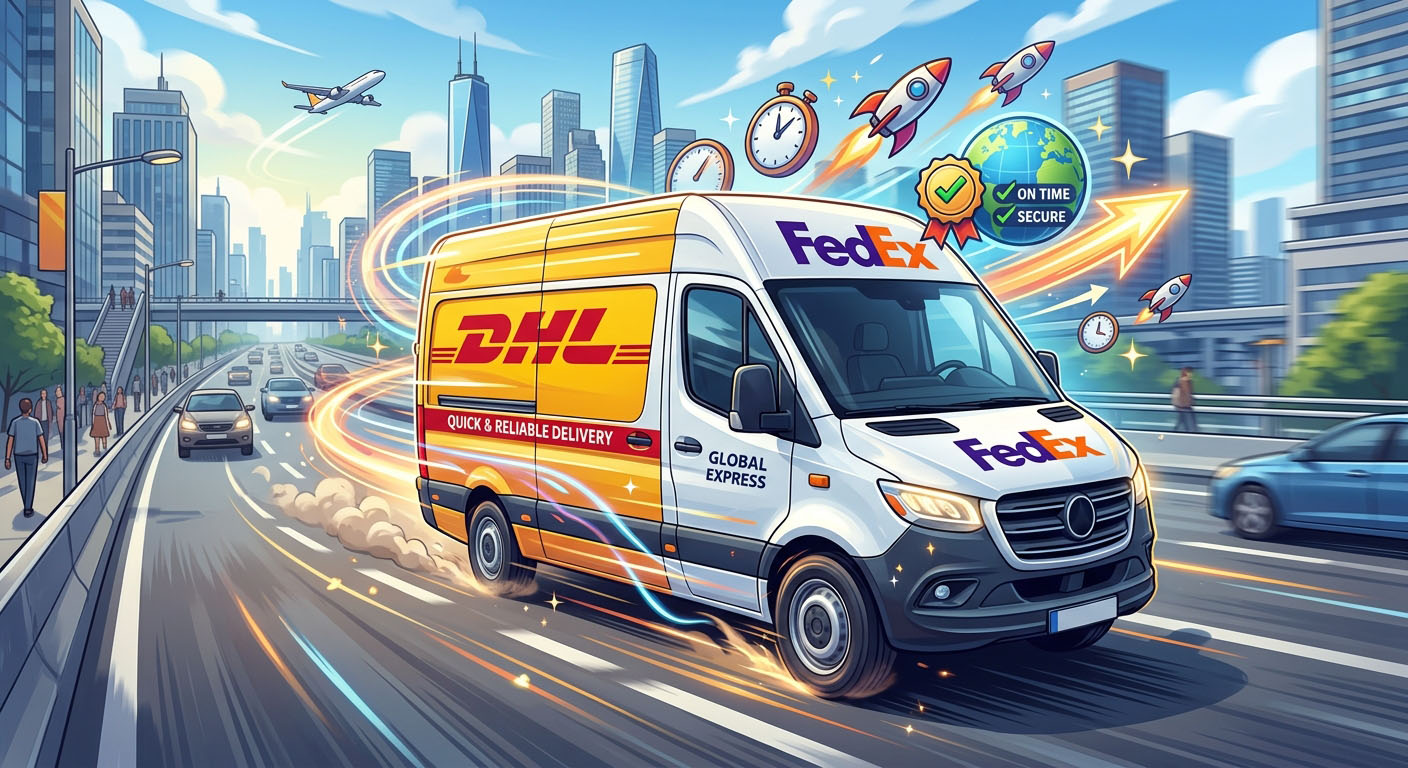
1. Express Couriers (e.g., DHL, FedEx, UPS, EMS)
For most bag imports, express services offer the pinnacle of reliability, making them ideal for urgent or high-value shipments like samples or limited-edition releases.
Reliability Highlights: These providers boast near-perfect on-time delivery rates (typically 3–7 days door-to-door), backed by robust tracking systems and responsive customer service. For instance, EMS provides government-backed reliability at a more affordable rate than private couriers, while DHL and FedEx excel for time-sensitive e-commerce orders.
Common Risks: Higher costs (often 2–5 times pricier than sea freight) and potential surprise import duties if Incoterms aren’t clarified upfront. As insight 7 notes, reliability also hinges on your destination country’s local infrastructure—e.g., remote areas might face slight delays.
Best For: Small to medium orders (e.g., under 50 kg), where speed and certainty outweigh cost concerns. Use this for launching new collections or restocking popular items quickly.
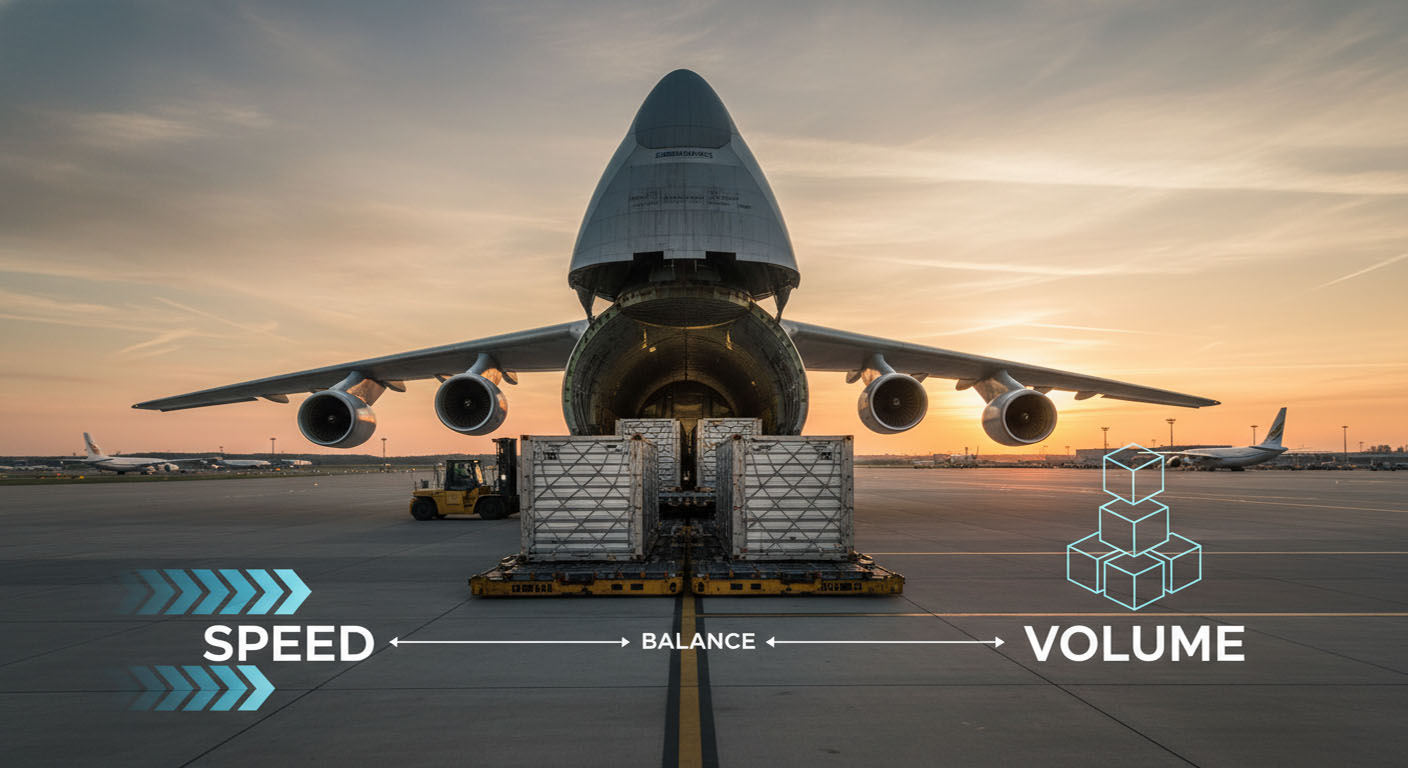
2. Air Freight (Airport-to-Airport with Local Forwarder)
Air freight strikes a middle ground, offering solid reliability for medium-sized bag shipments when express costs escalate but sea freight is too slow.
Reliability Highlights: Transit times are dependable (2–10 days), with factors like route efficiency and carrier partnerships minimizing delays. As noted in insight 6, comprehensive tracking enhances predictability, allowing better inventory planning.
Common Risks: Reliability depends heavily on your freight forwarder’s coordination—poor partners may mishandle customs clearance or documentation, leading to holdups. This method isn’t immune to peak-season slowdowns (e.g., around holidays), as per insight 9.
Best For: Orders of 50–500 kg where bags aren’t overly bulky (e.g., compact purses or clutches). It’s a smart choice when you need a cost-speed compromise, especially for mid-tier products.
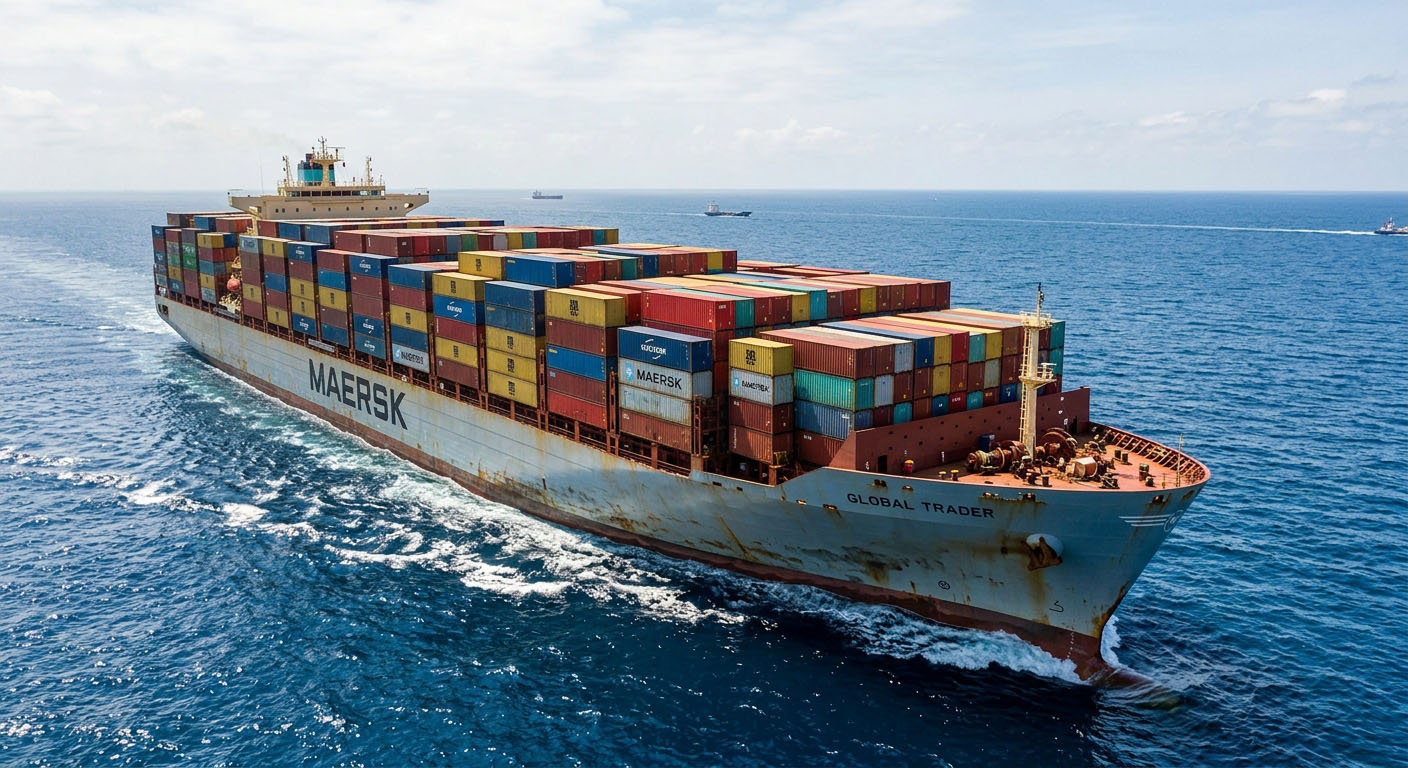
3. Sea Freight (FCL or LCL)
Sea freight is the most cost-effective for large-volume bag imports, but its reliability for door-to-door delivery varies significantly due to operational complexities.
Reliability Highlights: For bulk shipments (e.g., full container loads or FCL), it’s operationally sound with typical transit times of 3–60 days. LCL (less than container load) options are viable for smaller orders but add handling risks. Insight 3 emphasizes that this method shines for cost savings if timing is flexible.
Common Risks: Key delays stem from port congestion, customs inspections, or peak-season disruptions like Chinese New Year or Black Friday backlogs. Demurrage fees can accrue if paperwork is mishandled, and as insight 8 warns, poor packaging increases damage chances for delicate bags.
Best For: High-volume orders (e.g., thousands of units) of sturdy bags like duffel bags or backpacks where margins rely on low freight costs. Ideal for seasonal inventory or budget-conscious sellers.
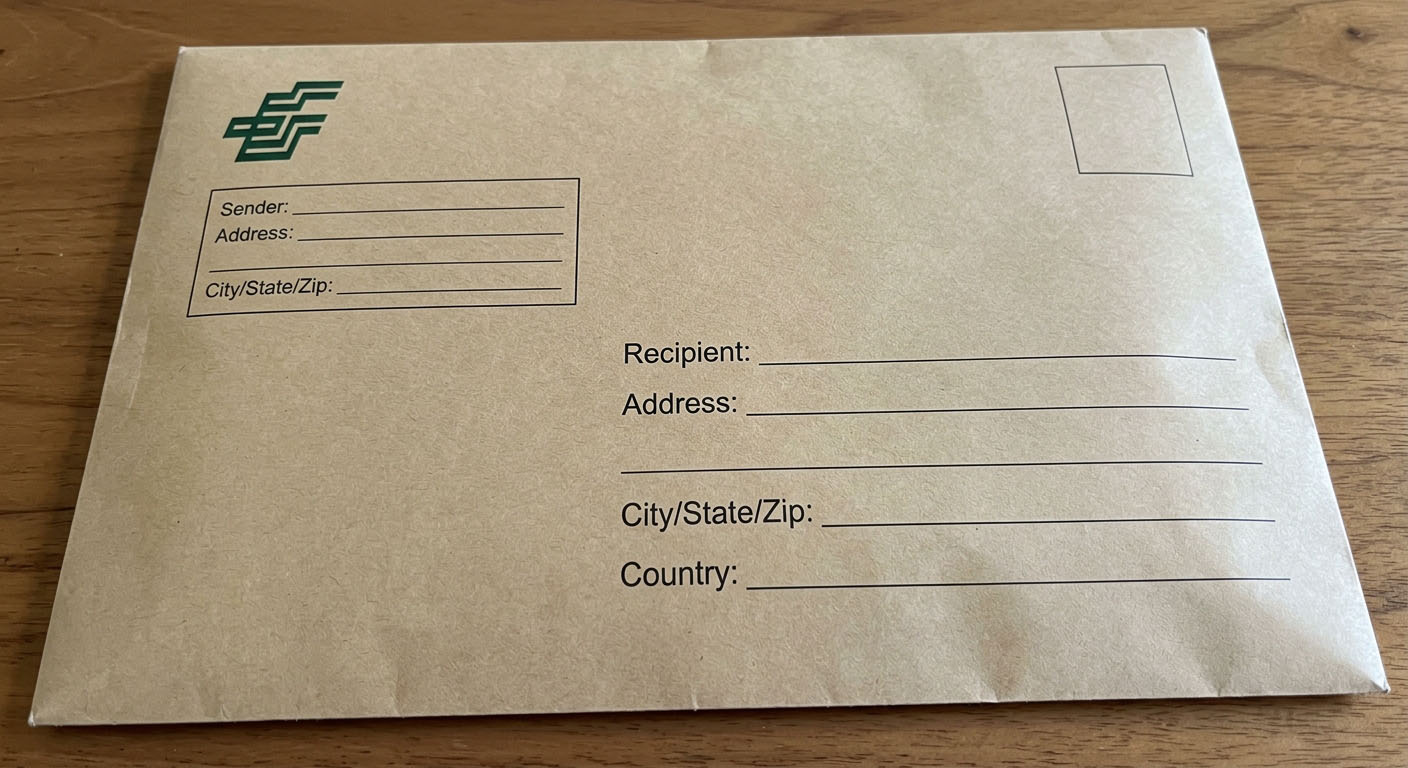
4. Postal Services (e.g., China Post, Hong Kong Post, ePacket)
This budget-friendly option suits very small, low-value bag parcels but ranks lowest in reliability due to limited tracking and higher loss rates.
Reliability Highlights: Affordability makes it accessible for micro-orders, with transit usually spanning 2–5 weeks. However, as per insight 4, it lacks the strong tracking of private couriers, which increases uncertainty.
Common Risks: Loss or damage claims are hard to resolve, and delays are frequent due to lagging updates or destination country inefficiencies (insight 7). Not recommended for business-critical shipments.
Best For: Tiny consignments like sample accessories or personal use items. Avoid for core inventory.
Overall, for bags, reliability heavily depends on shipping method choice. As insight 10 advises, large e-commerce platforms often optimize channels—consider emulating their logistics partnerships for your store.
How to Choose Reliable Suppliers and Shipping Methods
Selecting trustworthy partners is paramount for bag imports, as insight 5 notes customs processes directly impact reliability. Based on your materials, here’s how to vet suppliers and methods:
Vetting Suppliers: Prioritize those with export experience, particularly in bags. Reputable suppliers handle documentation, book freight, and ensure packaging meets export standards (e.g., moisture barriers for leather bags). As insight 8 stresses, poor packaging risks damage—request third-party inspections via firms like SGS or QIMA to verify quality. Test new suppliers with small trial shipments first.
Choosing Shipping Methods: Align with your order profile. For speed, opt for express; for bulk, sea freight; and consider air for balance. Always clarify Incoterms (e.g., FOB or DDP) to avoid surprises. Insight 6 suggests tracking capabilities as a reliability indicator—demand real-time updates from partners.
Customer-Specified Freight Forwarders: Your materials note that “customers can also specify freight forwarders.” This adds control; vet forwarders for industry specialization (e.g., bag-focused ones handle volume-weight nuances better) and check references to avoid bait-and-switch scams.

Common Risks, Delays, and How to Mitigate Them
Even with careful planning, risks arise. Based on insights 5, 7, and 9, here’s a breakdown of top issues for bag imports and proven solutions:
Peak-Season Delays: Holidays like Chinese New Year or sales events (e.g., 11.11) cause port congestion. Mitigate by ordering early, shipping partial loads via air, and avoiding sailings near holidays.
Incoterms Misunderstandings: Unclear terms (e.g., EXW vs. DDP) lead to hidden costs or customs holds. Clarify responsibilities in writing—start with simple options like FOB for beginners.
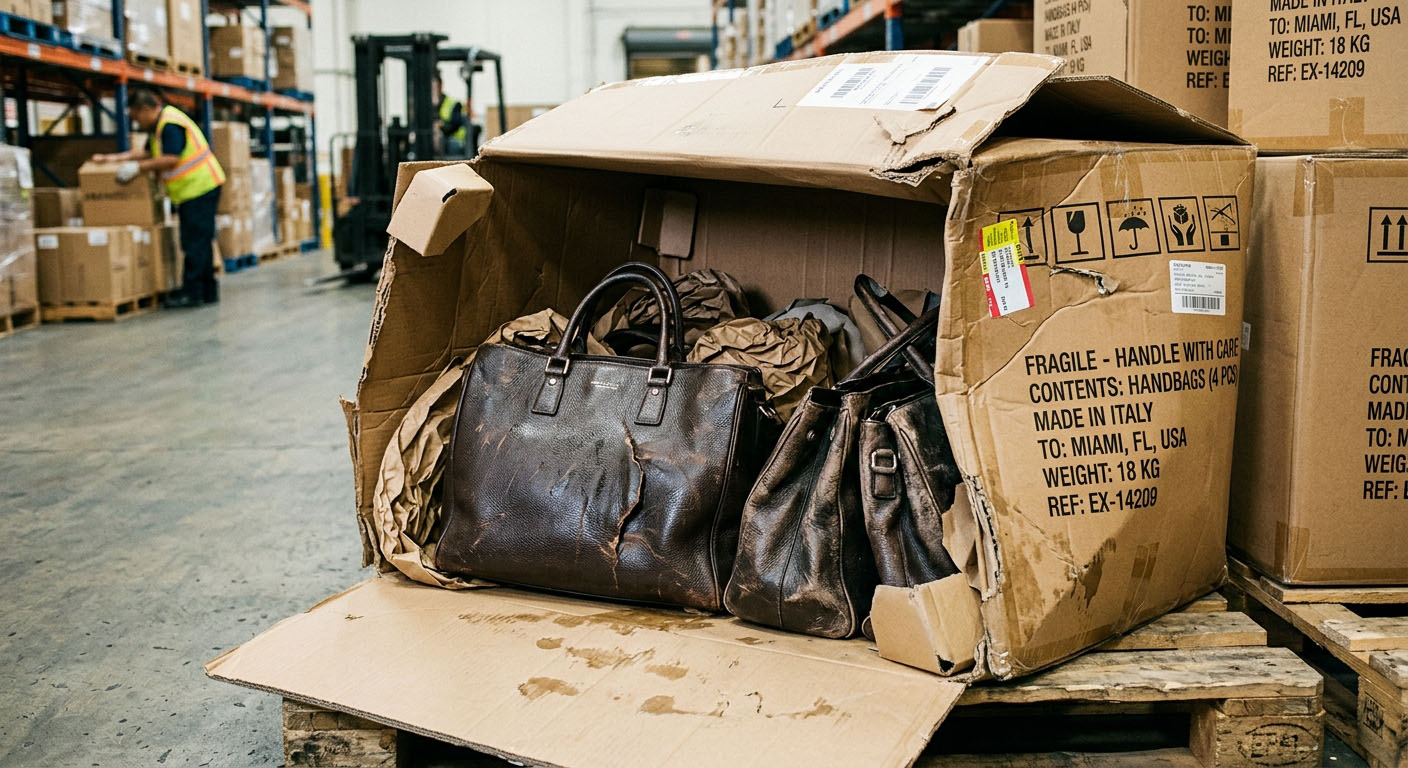
Packaging and Damage: Bags are prone to scuffs or moisture damage. Combat this by specifying export-grade cartons, corner protectors, and conducting pre-shipment drop tests.
Scams or Bait-and-Switch: Unreliable forwarders may inflate fees or use slow routes. Reduce risk by verifying licenses, using Alibaba’s Trade Assurance, and starting with small orders.
Practical Checklist for Reliable Bag Imports
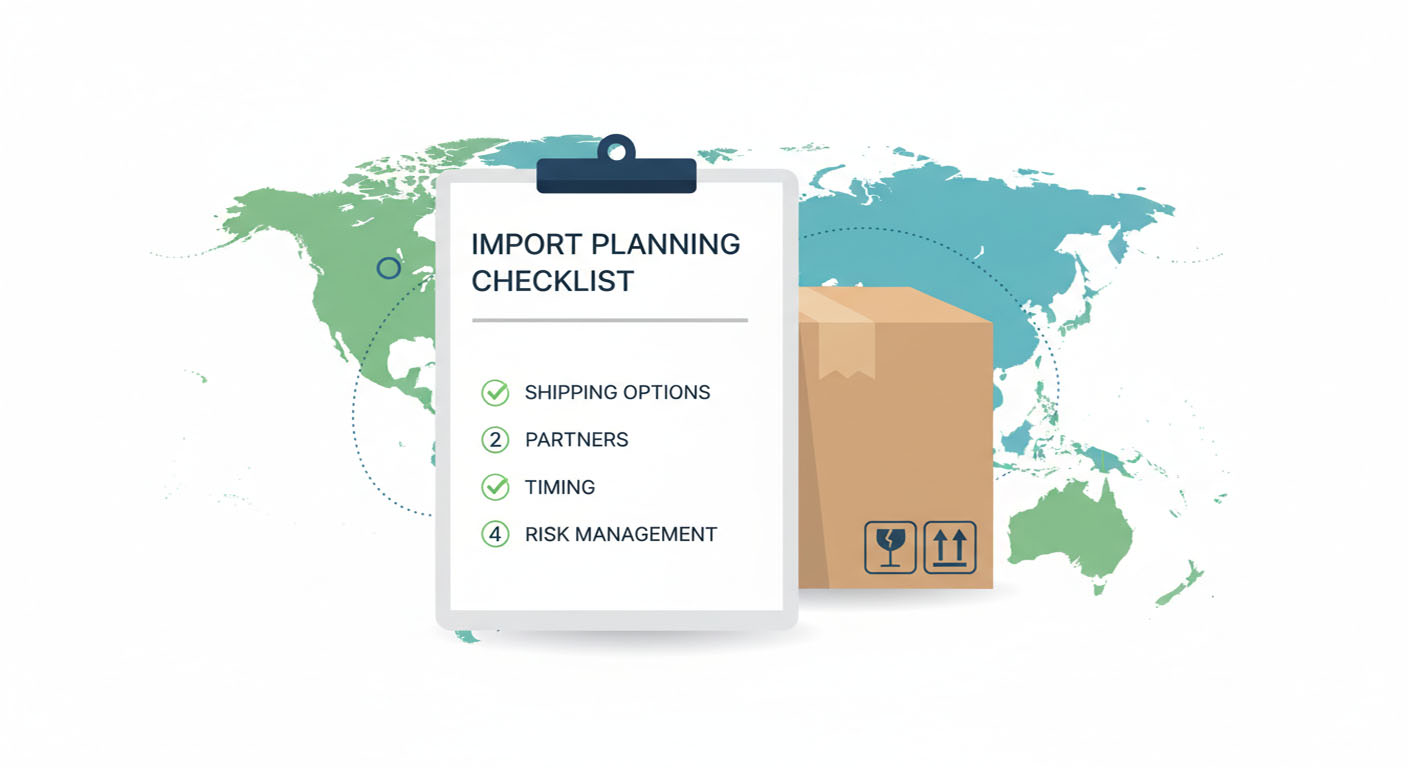
As a final step, here’s a streamlined checklist from your materials to ensure every shipment goes smoothly. Use this before placing orders:
1. Evaluate Shipping Options:
Ask for transit time ranges, reliability history on your route, and tracking details (e.g., milestone vs. real-time).
Confirm Incoterms (e.g., FOB, DDP) and who bears costs like customs duties.
2. Assess Partners:
Check if suppliers work with reputable carriers (e.g., DHL or COSCO) and if insurance is included.
Verify freight forwarder credentials and industry expertise.
3. Timeline Planning:
Factor in production lead times (15–30 days for bags) plus shipping to set realistic customer ETAs.
Consider a mix like 80% sea freight for bulk and 20% air/express for urgent needs.
4. Risk Management:
Include insurance options for loss or damage—marine cargo insurance often covers transit mishaps.
Schedule third-party inspections and maintain clear communication channels.
Conclusion: Building a Reliable Bag Import Strategy
Shipping bags from China can be highly reliable—if you choose wisely. As we’ve seen, methods like express couriers offer speed and security for critical shipments, while sea freight saves costs for volumes where time isn’t pressing. Remember, reliability isn’t just about the carrier; it’s about partnering with experienced suppliers, mitigating risks like packaging flaws or customs snags, and using tools like tracking and insurance. By applying this guide, you’ll not only protect your inventory but also elevate your brand as a professional, dependable player in the bag industry.
Call to Action: Need personalized advice? Share your typical order size (e.g., cartons or cubic meters), timeline, and budget in the comments, and we’ll suggest a tailored shipping mix (e.g., “80% sea + 20% air”). For more expert tips on bag sourcing, explore our other resources!
Post time: Mar-20-2026