
As an independent seller in the competitive bag industry, protecting your intellectual property (IP) when sourcing from Chinese factories is not just a best practice—it’s essential for safeguarding your unique designs and brand reputation. Chinese manufacturers are a cornerstone of global bag production, offering unparalleled expertise in OEM and ODM services for everything from affordable totes to premium designer handbags. However, concerns about IP theft can be a major hurdle. This guide addresses your top questions—based on extensive industry data and firsthand insights—to help you navigate Non-Disclosure Agreements (NDAs) in China confidently. We’ll cover factory willingness, legal enforceability, common risks, and practical steps for implementation, all tailored to the bag sector. By the end, you’ll have a clear roadmap to secure your collaborations and elevate your business with professional, enforceable agreements.
1. Willingness of Chinese Factories to Sign NDAs for Bag Manufacturing
Chinese factories are generally receptive to signing NDAs, especially in the bag industry, where custom designs are common. This openness stems from a combination of industry standards and a desire to build trust with international clients like you. Based on aggregated data from sources like Maple Sourcing and Reddit discussions, here’s what you need to know:
General Acceptance for Custom Orders: Reputable factories, particularly those specializing in OEM handbag manufacturing, are accustomed to signing confidentiality agreements before reviewing design files or tech packs. This is standard practice to protect client IP and foster long-term partnerships.
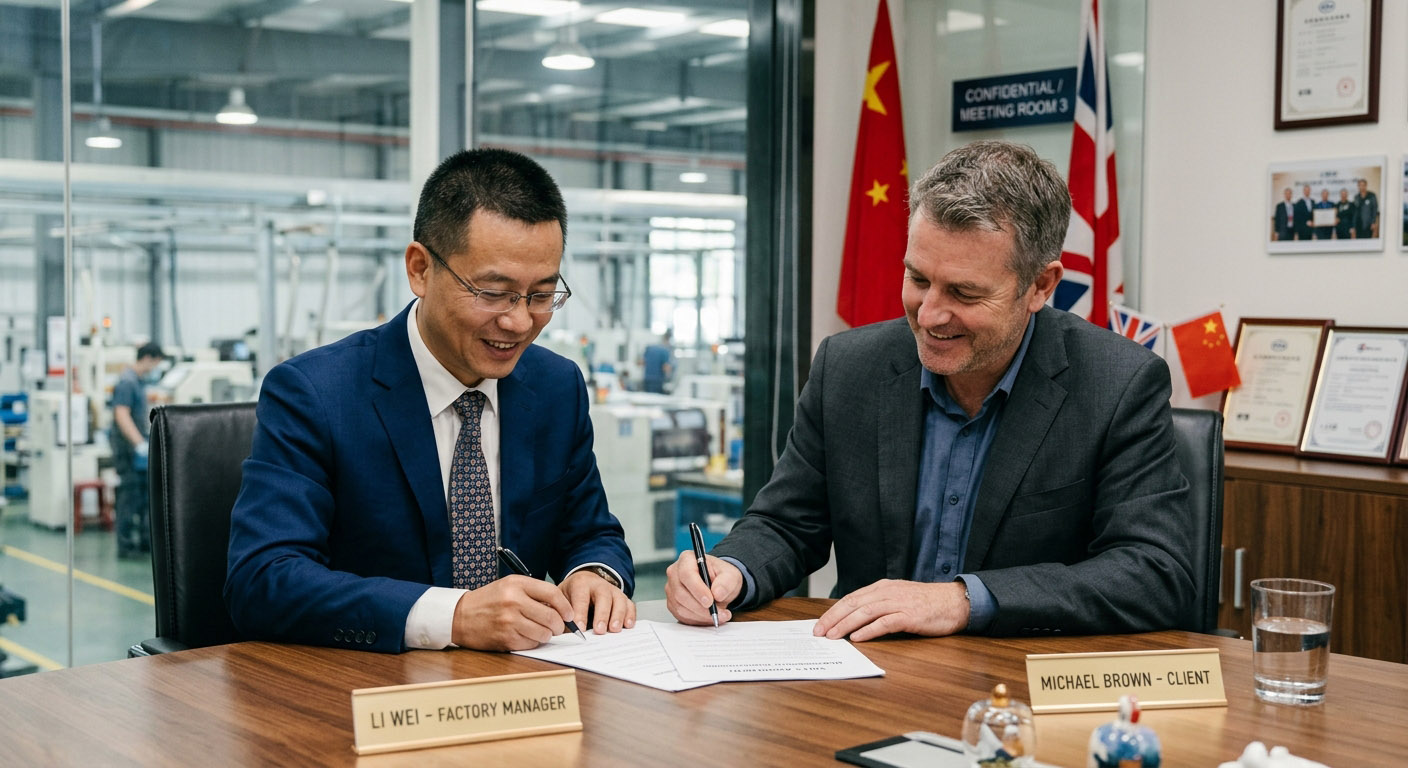
Insight 1: Chinese factories generally accept signing NDAs to protect client designs in bag manufacturing.
Insight 2: NDAs are standard practice for custom orders to ensure intellectual property security.
For example, factories in major hubs like Guangdong frequently handle NDAs for international clients due to their high volume of export-oriented collaborations.
Variations Based on Factory Scale and Professionalism: Larger manufacturers often streamline the process with pre-drafted NDA templates, making it efficient for both parties. Smaller workshops may be less formal but still agree to NDAs upon request, especially if they value your business. However, lower-tier factories might push back, offer weak templates, or even refuse—making their willingness a key indicator of reliability.
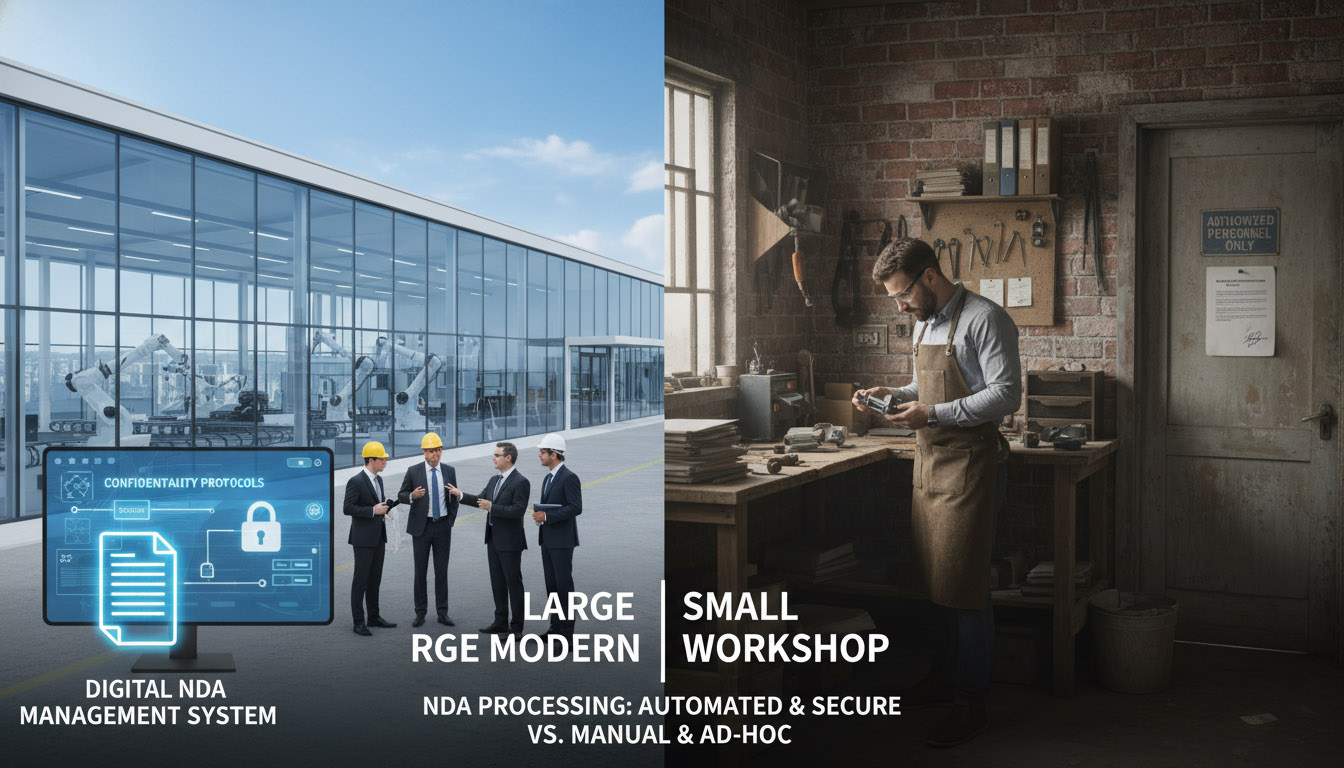
Insight 3: Larger manufacturers often have pre-drafted NDA templates for efficiency.
Insight 7: Smaller workshops may be less formal but still agree to NDAs upon request.
Factories with strong export records prioritize NDAs to maintain their global reputation, as noted in industry reports. Additionally, cultural emphasis on long-term relationships can ease negotiations—many factories actively state they will “sign confidentiality agreements based on client requirements and cooperate fully,” as one factory response puts it.
Potential Costs and Requirements: Be prepared for some factories to charge fees or impose minimum order quantities (MOQs) as part of NDA agreements. This is more common for high-value or exclusive designs, where the factory invests in dedicated resources. Digital platforms have modernized the process, enabling faster NDA processing for remote collaborations, which benefits indie sellers like you.
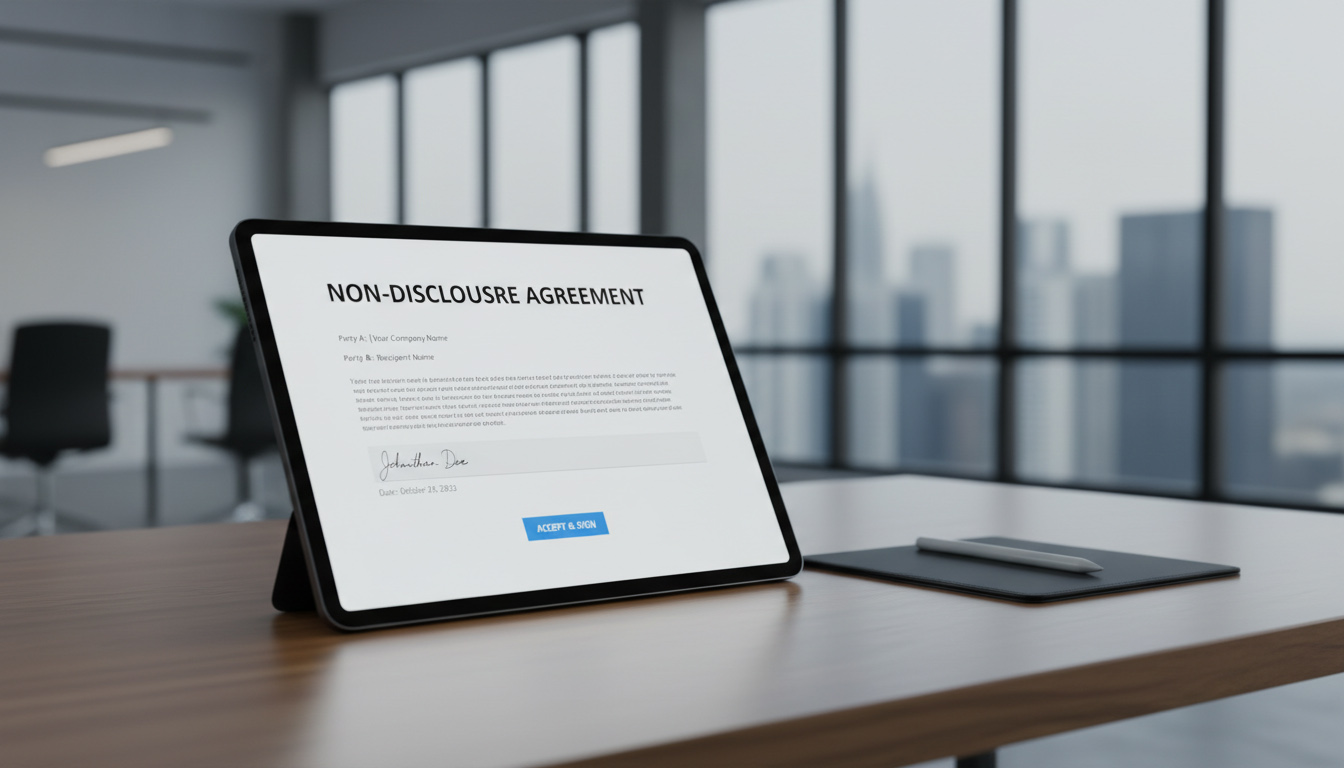
Insight 4: Some factories may charge fees or require minimum order quantities for NDA agreements.
Insight 10: Digital platforms now enable faster NDA processing for remote collaborations.
Insight 8: Factories with strong export records prioritize NDAs to maintain global reputations.
Insight 9: Cultural emphasis on long-term relationships can ease NDA negotiations.
In summary, while most serious bag manufacturers are willing, use this as a screening tool: if a factory hesitates, it might signal unprofessionalism. As Maple Sourcing advises, “Serious OEM/handbag manufacturers are used to signing NDAs before seeing tech packs,” but be wary of those who resist or offer unenforceable terms.
2. Legal Enforceability of NDAs in China
A common concern is whether NDAs hold up in Chinese courts. The short answer is yes—but only if crafted correctly. Chinese law recognizes and enforces confidentiality agreements, but vague Western-style NDAs often fail. Based on legal analyses from sources like Harris Sliwoski and China Law Blog, here’s how to ensure your agreement stands strong.
Key Legal Requirements: For an NDA to be enforceable in China, it must include specific clauses, such as clear jurisdiction details (e.g., specifying disputes will be resolved under Chinese law), defined confidential information (like drawings, tech packs, molds, and pricing), and explicit penalties for breaches. Chinese courts require a Chinese-language version of the agreement to avoid ambiguity.
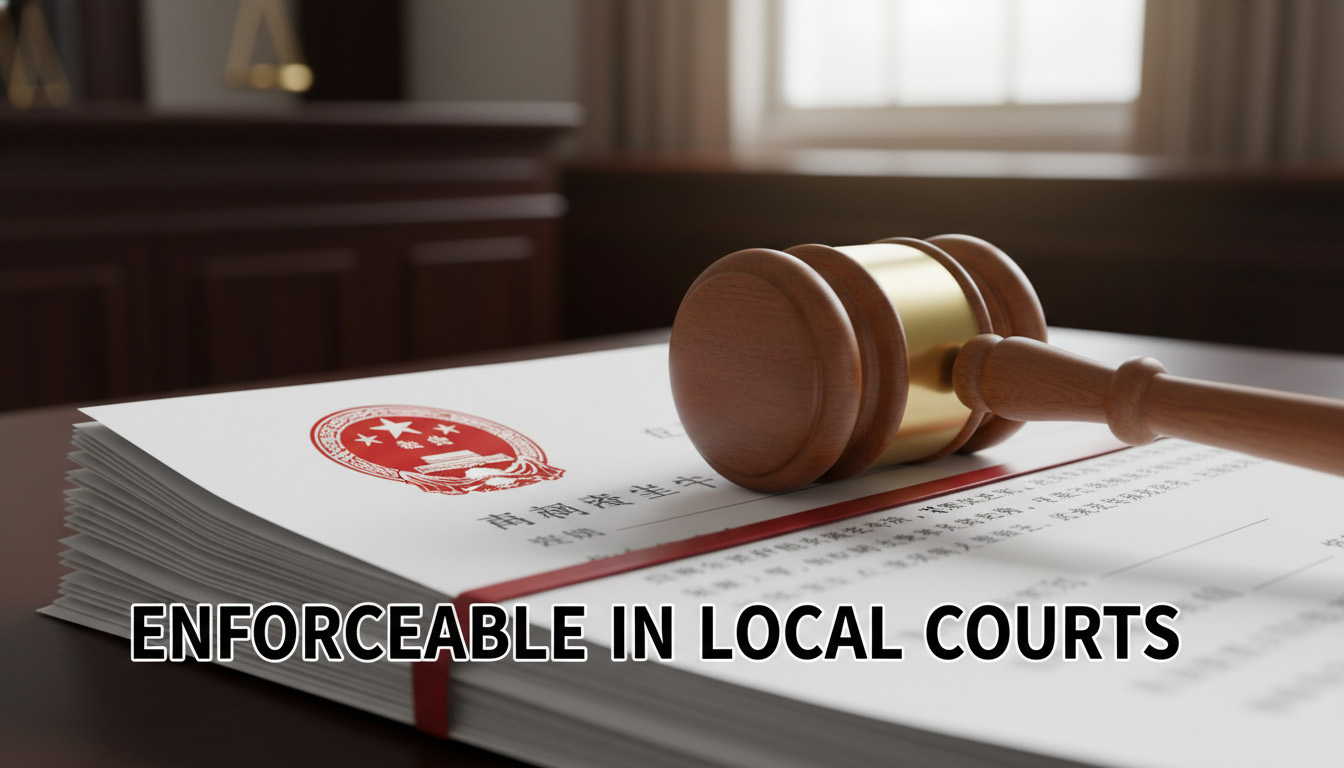
Insight 5: Chinese law enforces NDAs if they include specific clauses like jurisdiction details.
This is why experts recommend upgrading to an NNN agreement (Non-Use, Non-Disclosure, Non-Circumvention), which goes beyond a basic NDA. As highlighted by LinkedIn contributors, an NNN explicitly prevents factories from using your designs for themselves, sharing them with others, or bypassing you to sell directly to your customers—critical for bag designs where knockoffs are a risk.
Why NNNs Trump Standard NDAs: In China, a simple NDA might not suffice due to loopholes. An NNN agreement is tailored to local legal frameworks, making it more robust. For instance, it must clearly limit the factory’s use of your IP solely to producing your bags, with stipulated damages for violations. Omaska emphasizes this: “Use a China-specific NNN rather than a Western-style NDA, and draft it carefully before sending designs.”
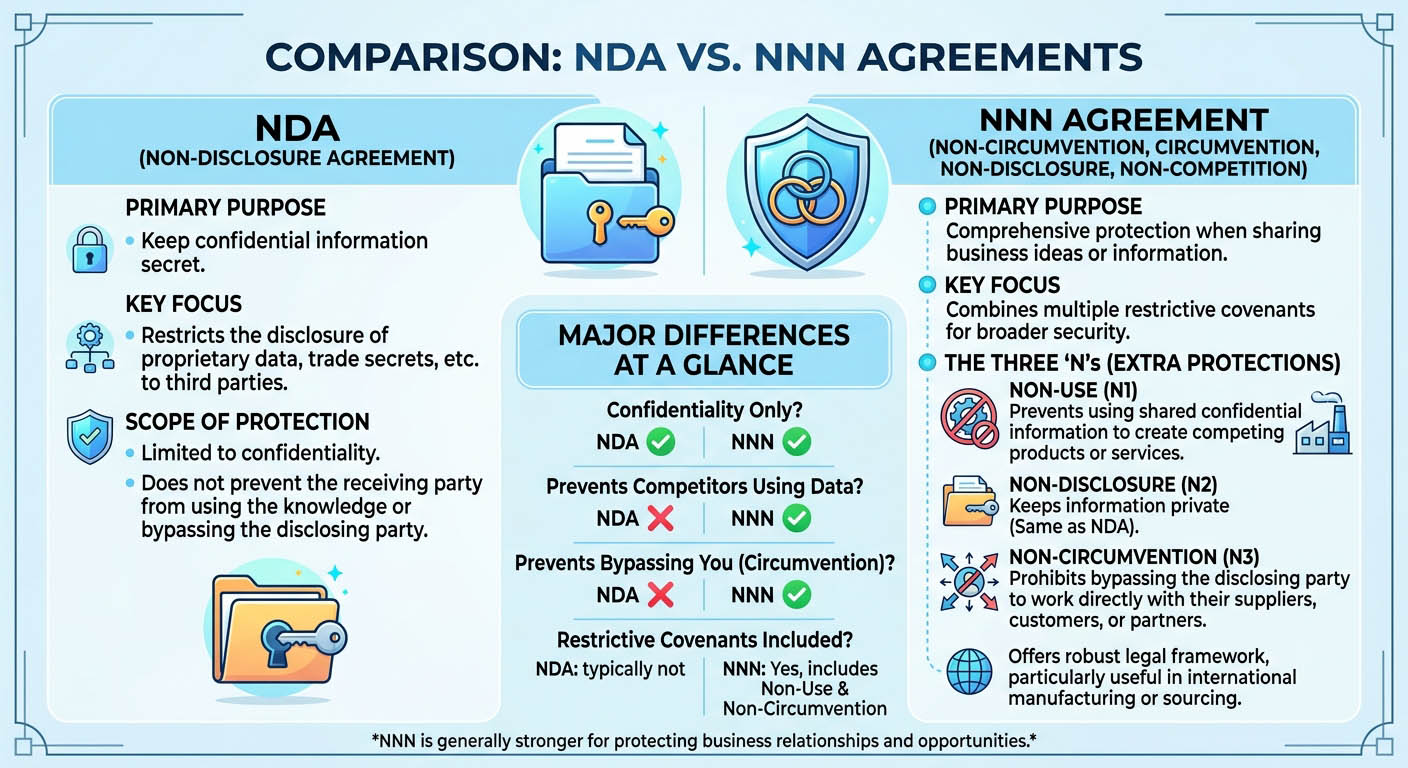
Without these elements, enforceability drops, leaving your bag designs vulnerable. Always work with a China-focused lawyer to draft bilingual (English and Chinese) agreements governed by PRC law—this small investment can prevent costly disputes.
3. Common Risks of Intellectual Property Theft with Chinese Manufacturers
Even with willing factories, IP theft remains a significant risk in the bag industry. Understanding these threats helps you mitigate them proactively. Common issues include design replication, unauthorized sales, and data leaks, often exacerbated by informal practices or high competition.
Top Risks for Bag Sellers: The most frequent problems involve factories using your tech packs or molds to create identical bags for competitors, or leaking designs to third parties. Smaller workshops pose higher risks due to less stringent controls, while even reputable factories might face internal breaches if agreements aren’t airtight. Reddit discussions note that refusal to sign strong NDAs often correlates with higher theft incidents.
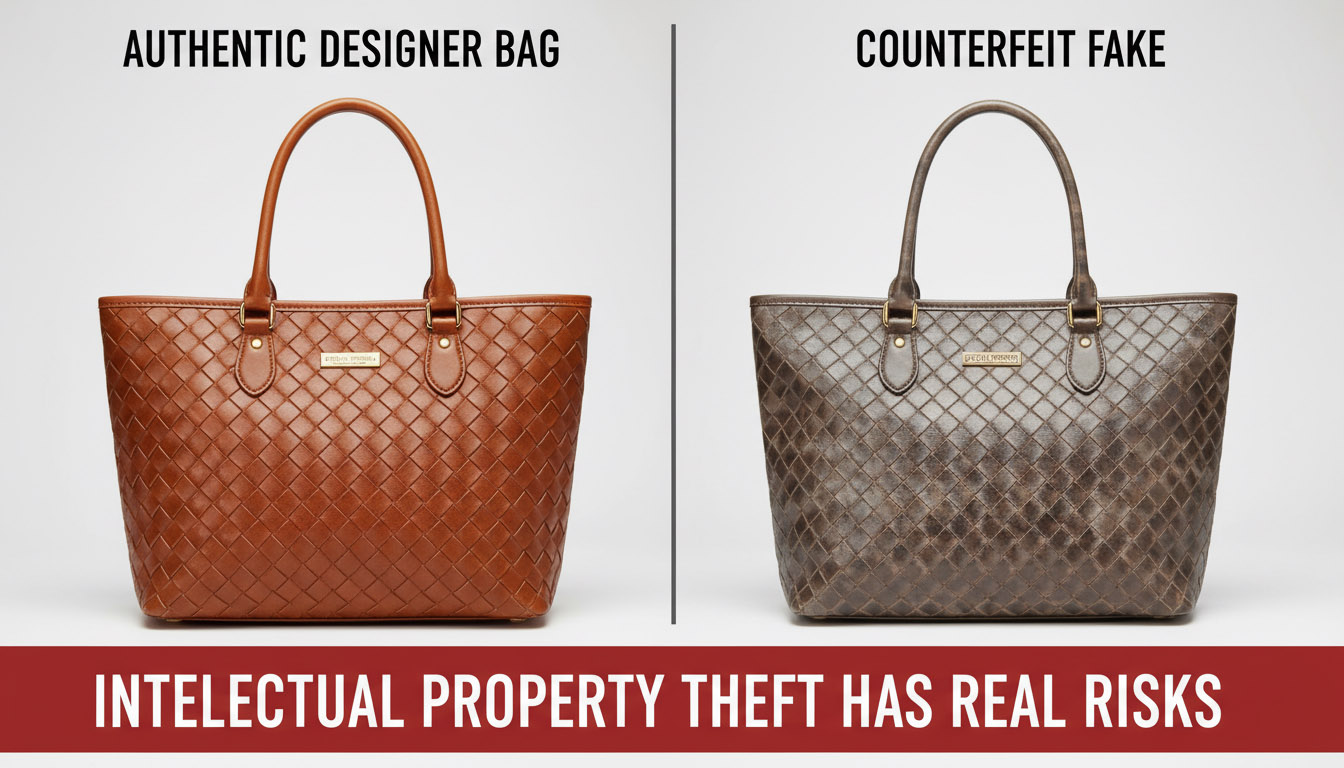
Note: This addresses the user’s question on common risks, drawing from sources like Reddit and Titoma.
For example, without clear non-use clauses, a factory might produce your “signature tote” for another client at a lower price, eroding your market share. Digital files add another layer of risk—unsecured email transfers can lead to data interception.
Mitigation Through Agreements: An effective NNN agreement directly counters these risks by forbidding unauthorized use and circumvention. Clark Hill recommends including “exclusive manufacturing clauses” for larger orders, ensuring the factory doesn’t make similar bags for others in your market. This is especially crucial for premium designs where uniqueness drives value.
4. How to Ensure Effective NDA/NNN Implementation with Chinese Factories
Securing a signed agreement is just the first step; implementation requires a strategic approach. Based on practical tips from Izvoznookno, Titoma, and Clark Hill, follow these best practices to make your NDA work for your bag project.
Step-by-Step Process for Bag Sellers:
1. Qualify Factories with Generic Info First: Share only rough details (e.g., style, materials, estimated quantity) to gauge interest. Ask directly, “Do you sign NNN agreements before reviewing tech packs?” This filters out uncooperative factories early.
2. Draft and Sign a China-Specific NNN: Once shortlisted, engage a China-focused lawyer to prepare a bilingual agreement. Include penalties, define confidential items (e.g., patterns, pricing), and ensure it’s governed by PRC law. Get it signed and stamped before sending full designs—never skip this step.
3. Add Exclusivity for High-Volume Orders: For larger runs, incorporate clauses that prevent the factory from producing similar bags, protecting your niche.
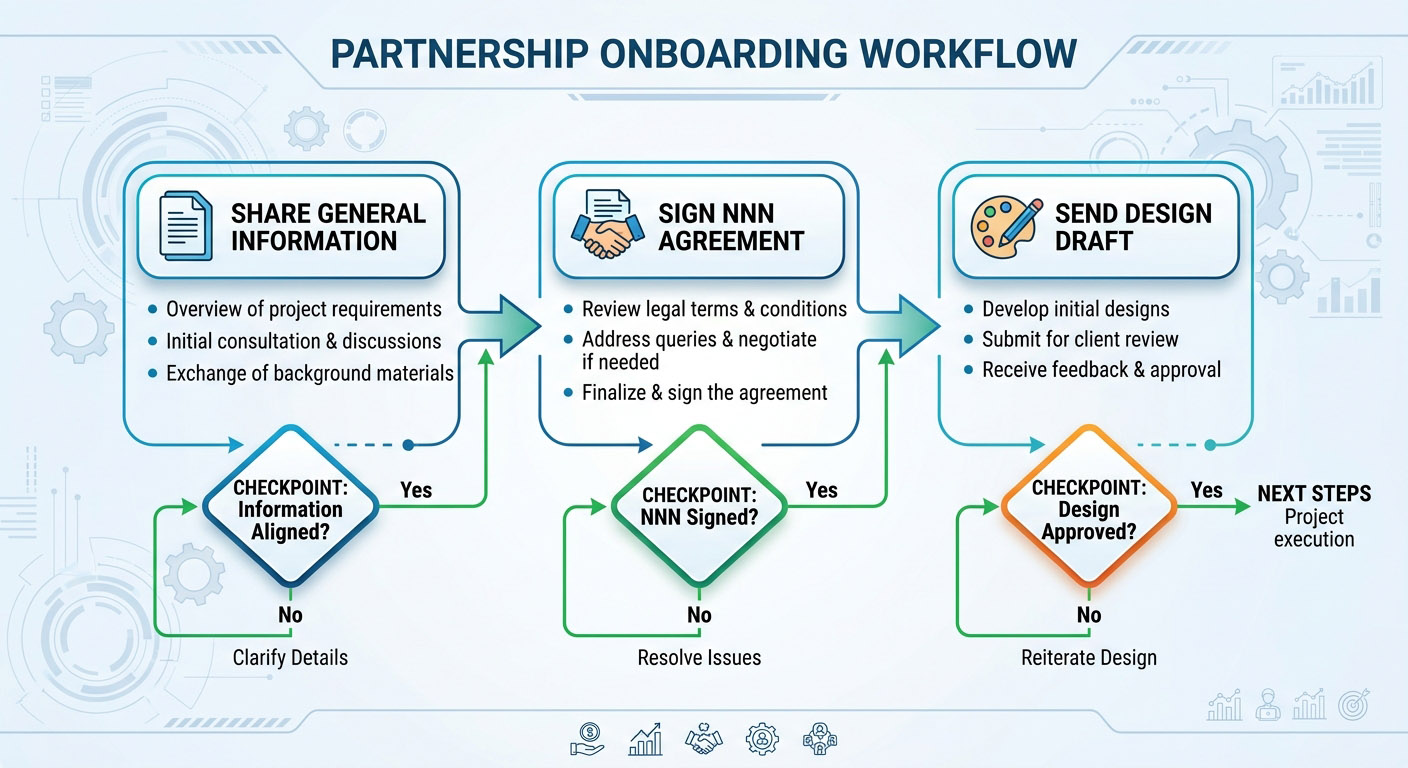
Note: This integrates practical advice from sources like “For larger volumes, consider an exclusive manufacturing clause” (Titoma).
Digital tools can expedite this—use e-signature platforms for faster execution, as noted in insights. Remember, factories often expect clients to provide the agreement, so take the lead in drafting a robust NNN.
Ongoing Monitoring: After signing, maintain open communication and conduct sample checks to ensure compliance. If issues arise, the clear penalties in your NNN will support legal action in China.
5. Factors Affecting a Factory’s Willingness to Sign NDAs Based on Industry or Scale
Willingness isn’t uniform—it varies with factory size, location, and your project’s specifics. For bag sellers, understanding these factors helps tailor your approach and choose the right partners.
Key Influencers:
Factory Size and Expertise: Large-scale manufacturers in hubs like Guangdong are more willing, as they handle international clients regularly and have templates ready. Smaller factories may agree but require more hand-holding.
Order Value and Bag Type: Premium designer bags with high MOQs often see higher NDA acceptance, as factories invest in exclusivity. Budget projects might face more resistance unless you negotiate firmly.
Industry Reputation: Factories with strong export histories prioritize NDAs to uphold credibility, while those new to global markets might be less proactive.
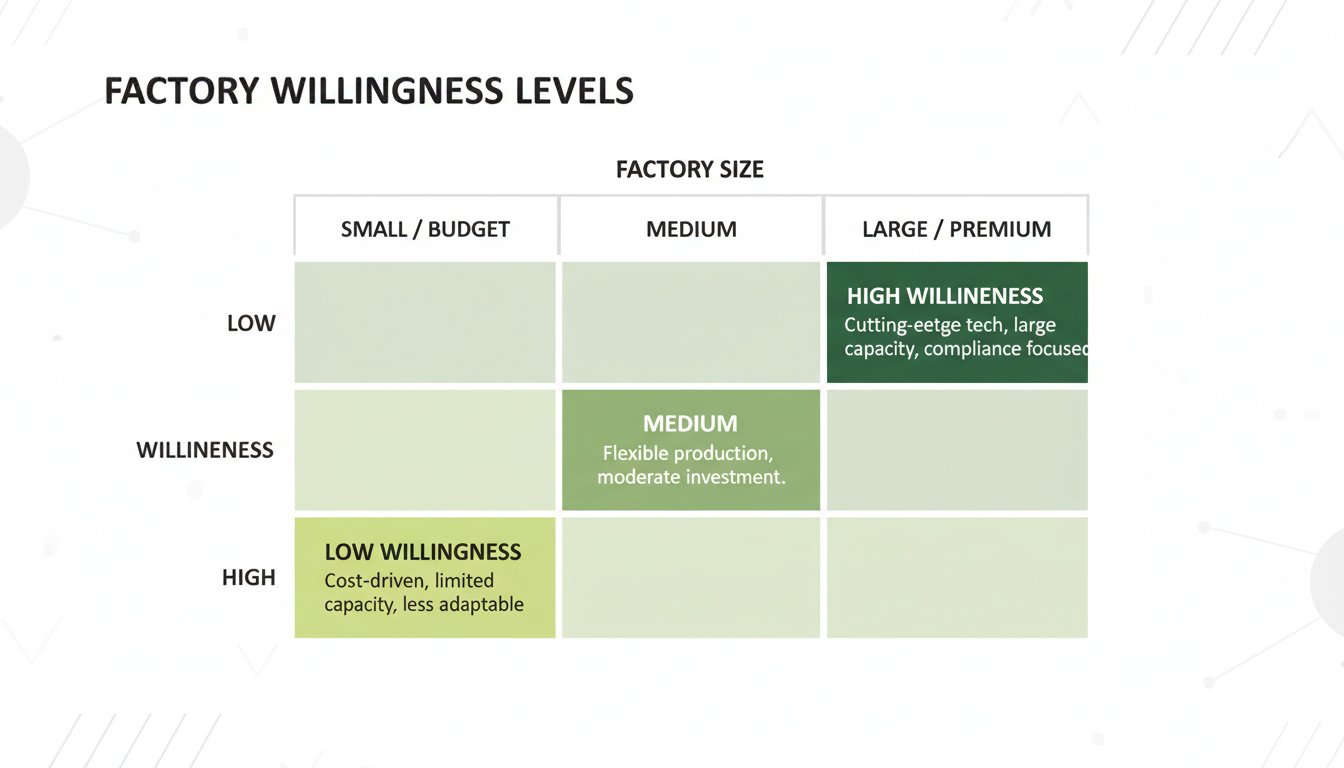
Insight 6: Factories in major hubs like Guangdong frequently handle NDAs for international clients.
This section covers factors from insights and user questions, e.g., “What factors affect willingness based on industry or scale?”
As one factory response states, “We cooperate based on client demands,” so clearly communicate your needs. For instance, if you’re producing a luxury handbag line with 500+ MOQ, push for strict NNN terms with exclusivity. For smaller, affordable batches, focus on finding factories with proven NDA experience.
Conclusion: Building Secure and Successful Bag Sourcing Partnerships
Navigating NDAs with Chinese factories doesn’t have to be daunting. By understanding their general willingness, leveraging enforceable NNN agreements, and addressing risks head-on, you can protect your bag designs and foster trustworthy collaborations. Always start with factory qualification, insist on a China-specific NNN drafted by experts, and consider exclusivity for high-stakes projects. As an independent seller, this proactive approach not only secures your IP but also positions you as a professional in the global bag market—ready to innovate and grow with confidence. For tailored advice, share your target order quantity and bag tier (e.g., cheap vs. premium), and we can refine your NNN strategy. Remember, in the words of industry veterans, “Draft it carefully and get it signed before sending any designs”—it’s your best defense in a dynamic industry.
Post time: Mar-23-2026