
Navigating the Maze: Ensuring Your Bag Imports from China Meet US & EU Regulations (And How We Can Help)
Importing bags from China offers significant advantages in terms of manufacturing capability and cost-effectiveness. However, navigating the complex web of US and EU import regulations, labeling requirements, and liability issues can be a daunting challenge for buyers. A common question we hear is: “Do Chinese factories truly understand these requirements?” The answer, as with many things in global trade, is nuanced.
As a professional factory specializing in customized bag solutions for international markets, we understand these concerns deeply. This blog post aims to shed light on the realities of compliance capabilities, liability allocation, cost implications, and preparing for future regulatory changes. Our goal is to equip you with knowledge and showcase how partnering with a knowledgeable manufacturer mitigates risk.
Understanding the Compliance Landscape: Factory Capabilities vs. Buyer Responsibility
The core challenge lies in balancing factory expertise with ultimate importer liability.
1. Factory Knowledge: A Spectrum of Understanding
Chinese factories, especially those with extensive export experience like ours, generally possess a foundational understanding of major US and EU requirements for bags. This includes basics like country-of-origin labeling (“Made in China”) and common material disclosures. Many manufacturers actively offer labeling services as part of their package.
Size Matters: Larger factories with dedicated export compliance teams or significant experience shipping to specific regions (like the US or EU) often demonstrate a more robust understanding than smaller workshops. They are more likely to be familiar with key directives such as:
US: CPSIA (Consumer Product Safety Improvement Act) for safety, FTC rules for labeling (country of origin, fiber content), and specific requirements from agencies like CPSC for children’s items (e.g., choking hazard warnings).
EU: REACH (chemical restrictions), GPSR (General Product Safety Regulation), and crucially, Regulation (EU) No. 1007/2011 on textile fiber names and labeling.
Technological Adaptation: Forward-thinking factories are increasingly utilizing tools, sometimes AI-powered, to monitor regulatory updates in real-time, helping them stay ahead of changes.
The Emerging Focus: Sustainability is no longer a niche concern. Factories attuned to market trends understand the growing importance of eco-labels and disclosures related to recycled materials or environmental impact.

Caption: Dedicated export teams are key to navigating complex international regulations.
2. The Stark Reality: Buyer Liability is Paramount
Despite factory knowledge, the legal responsibility for compliance rests squarely with the importer (the buyer). This is non-negotiable under both US Customs and Border Protection (CBP) and EU market surveillance frameworks.
Key Responsibilities Include:
Accurate Country-of-Origin Labeling.
Correct Harmonized Tariff Schedule (HTS) Classification for duty calculation.
Providing complete and accurate import documentation (e.g., CBP forms).
Ensuring products meet all applicable safety standards (e.g., CPSIA in the US, GPSR in the EU).
Adherence to specific labeling requirements (textile fiber content, care instructions, warnings).
Factory Role is Execution, Not Guarantee: Factories apply labels and prepare documentation based on your instructions*. If your instructions are incomplete, inaccurate, or based on a misunderstanding of the regulations, the factory executing them correctly doesn’t absolve you. Errors lead to customs delays, seizures, fines, or costly product recalls.
The Knowledge Gap Risk: As highlighted in industry discussions (like those on Reddit) and by compliance experts, a significant risk exists. While factories may claim general compliance, they often lack the deep, specific* knowledge required for complex or evolving regulations. Relying solely on a factory’s assurance, especially without verification, is risky. Suppliers on platforms like Alibaba may not proactively provide full technical dossiers or certificates unless explicitly requested and verified.
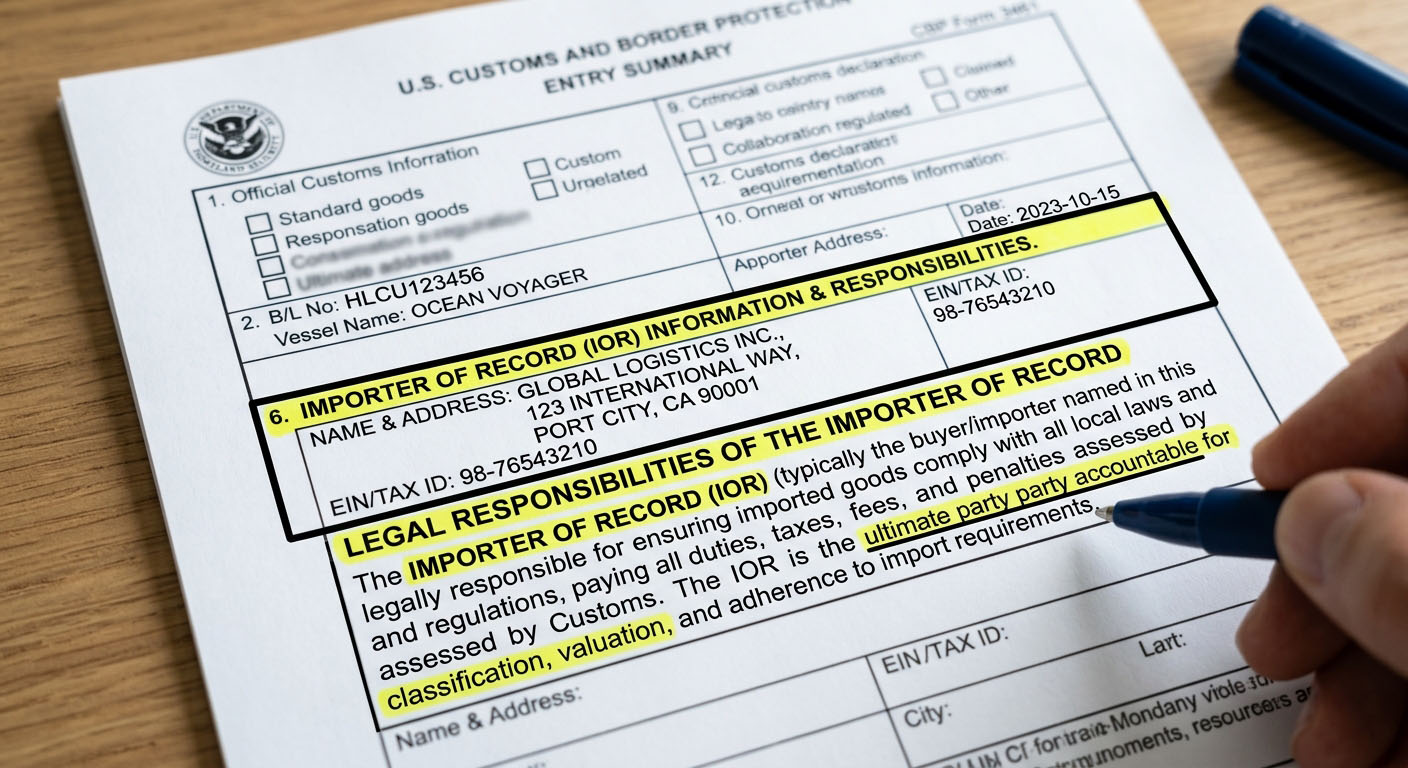
Caption: The buyer is legally the “Importer of Record,” bearing ultimate responsibility. Common Pitfalls and Challenges in Bag Import Compliance
Understanding where things typically go wrong helps you avoid them:
1. Misinterpretation and Cultural Nuances: Clear communication is vital. Cultural differences or language barriers can lead to misunderstandings of labeling instructions or safety requirements. What seems explicit to you might be interpreted differently by the factory.
2. Material & Chemical Compliance: Regulations like EU REACH or California Prop 65 restrict specific chemicals (e.g., phthalates, lead, AZO dyes). Factories might not inherently know the restricted substance lists (RSLs) applicable to your market or the exact composition of sub-supplied components (like dyes or hardware). This is where Material Safety Data Sheets (MSDS) or full ingredient disclosures become critical before production starts.
3. Labeling Specificity: Beyond “Made in China,” requirements can be intricate:
Textile Labeling (EU 1007/2011): Mandates fiber composition by percentage, care symbols, and size labeling in specific formats. Mistakes here are common.
Safety Warnings: Requirements vary (e.g., choking hazard labels for children’s bags in the US must be very specific). Generic warnings may not suffice.
Specialized Needs: Products for specific demographics (children, elderly) or functions (e.g., medical bags) often require additional testing reports for market access.
4. Reliance on Generic Claims: Factories stating “We export to the EU/US, we know the rules” is insufficient. The burden is on you to define the exact rules applicable to your specific product.
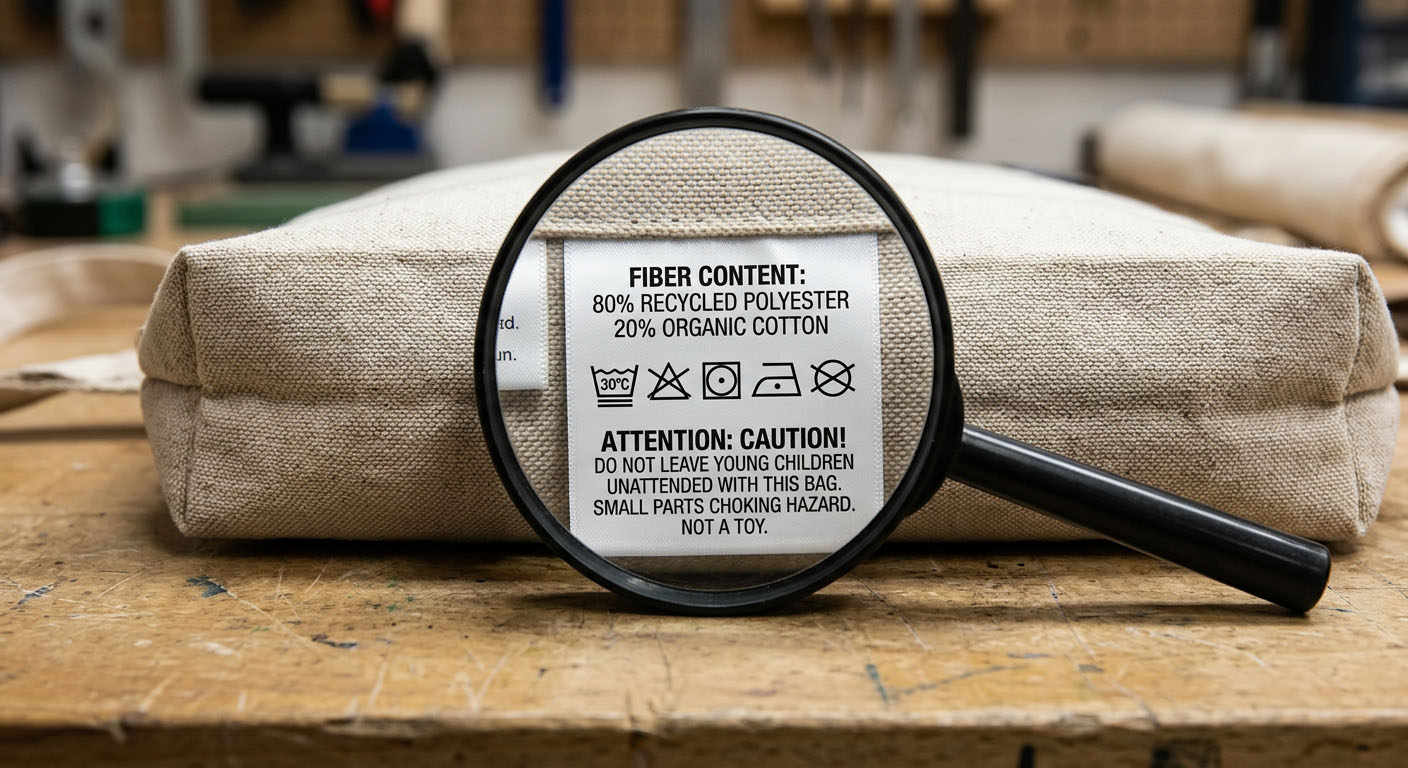
Caption: Scrutinizing labels for specific regional requirements is essential. Cost Implications of Non-Compliance vs. Proactive Management
Ignoring compliance is far more expensive than managing it proactively:
1. Direct Costs of Failure: Customs delays incur storage fees. Seizures or rejections mean lost product and shipping costs. Fines can be substantial. Product recalls are incredibly costly, damaging your brand reputation and involving logistics, replacements, and potential legal liability.
2. Costs of Proactive Compliance:Yes, ensuring compliance has costs:
Third-Party Testing: Labs like SGS, TÜV, or Intertek provide essential verification for safety (e.g., CPSIA testing) and labeling accuracy. This is often non-negotiable.
Expert Consultation: Hiring a customs broker experienced in your product category and target market is highly recommended. They assist with HTS classification and documentation. Legal or compliance consultants might be needed for complex products.
Internal Due Diligence: Your time spent researching regulations, verifying factory documentation, and inspecting pre-shipment samples.
3. The Value of the Right Partner: Working with a factory that possesses genuine expertise and a proactive approach to compliance reduces your risk and lowers the likelihood of incurring the high costs of failure. They can help source compliant materials, apply labels correctly based on your verified instructions, and facilitate the testing process.
Preparing for the Future: Regulatory Agility
Regulations are not static. Sustainability mandates, new chemical restrictions, digital labeling requirements (like Digital Product Passports in the EU), and evolving safety standards are constant factors.
1. Factory Adaptability: How does your factory stay informed? Do they have mechanisms (like those AI tools mentioned) or partnerships to track changes? Can they quickly adapt labeling or material sourcing?
2. Buyer Vigilance: You must also stay informed about upcoming changes in your target markets. Building a relationship with a factory that views compliance as a shared, ongoing challenge, not a one-time box to tick, is crucial for long-term success.

Caption: Staying ahead requires adaptability to evolving regulatory landscapes. Recommendations for Successful (and Compliant) Bag Imports
Based on the realities and challenges, here’s a roadmap:
1. Accept the Mantle of Responsibility: You are the Importer of Record. Own it.
2. Do Your Homework: Research the specific regulations for your bag type (material, function, target demographic) in your target market(s). Resources like the CBP website, EU Commission portals, and specialized compliance firms (e.g., ComplianceGate) are invaluable.
3. Choose Your Factory Partner Wisely: Prioritize factories with:
Demonstrable Experience in your target market.
A dedicated export/compliance team.
Transparency about their processes and limitations.
Proactive Communication on regulatory matters.
Willingness to provide documentation (material specs, test reports from sub-suppliers).
4. Verify, Don’t Assume:
HTS Classification: Work with your customs broker to verify the correct code.
Labeling: Provide the factory with exact, verified* labeling text, symbols, and placement instructions. Require and scrutinize pre-production samples and pre-shipment samples specifically for label accuracy and compliance.
Testing: Mandate third-party testing for safety and labeling compliance from accredited labs. Do not rely solely on factory-provided certificates without verification.
Documentation: Review all shipping and compliance documentation meticulously.
5. Build Compliance into Your Sourcing Process: Factor compliance costs (testing, brokerage) into your sourcing budget from the start. Consider it an essential cost of doing business, not an optional extra.
How Our Factory Expertise Makes a Difference
As a specialized bag manufacturer serving global clients, we go beyond basic production:
Market-Specific Awareness: We maintain up-to-date knowledge of core US and EU requirements relevant to bags, including labeling regulations (textile, safety, origin) and key safety standards.
Structured Compliance Support: Our processes are designed to facilitate your* compliance:
We clearly communicate that you define the requirements; we execute precisely based on your verified* instructions.
We assist in gathering necessary material information and documentation from our vetted sub-suppliers.
We understand the critical importance of specialized testing reports for market access, particularly for sensitive demographics or unique product claims, and can guide you through the process.
We prioritize accurate labeling application based on your specs.
Proactive Partnership: We view compliance as a shared journey. We invest in staying informed about trends like sustainability labeling and are committed to clear communication to bridge any potential cultural gaps in understanding requirements.
Conclusion: Knowledge is Power (and Protection)
While Chinese factories can possess significant export knowledge, the importer’s legal liability cannot be transferred. Successfully navigating US and EU import regulations for bags requires a proactive, informed approach from the buyer, coupled with choosing a factory partner that acts as an extension of your compliance efforts, not a black box. By understanding the capabilities, accepting the responsibilities, implementing rigorous verification, and partnering with experts (including knowledgeable manufacturers, brokers, and test labs), you can mitigate risks, avoid costly setbacks, and build a sustainable import business.
Partner with a factory that prioritizes your compliance success as much as product quality. Let’s discuss how we can build your next bag line with confidence.
Post time: Mar-26-2026