
As an independent seller in the competitive bag industry, finding a reliable manufacturing partner can make or break your business. China has emerged as a global powerhouse in custom bag production, offering a blend of cutting-edge technology, scalable solutions, and cost-effectiveness that empowers brands to innovate and grow. This guide draws on extensive industry insights to demystify the manufacturing capabilities available when you partner with Chinese factories. We’ll explore material options, customization techniques, order flexibility, quality control, and sustainability practices—all tailored to help you make informed decisions and elevate your brand. By the end, you’ll see why leveraging China’s expertise is not just smart sourcing; it’s a strategic advantage for independent sellers aiming to stand out.
Section 1: Diverse Material Options and Customization Techniques
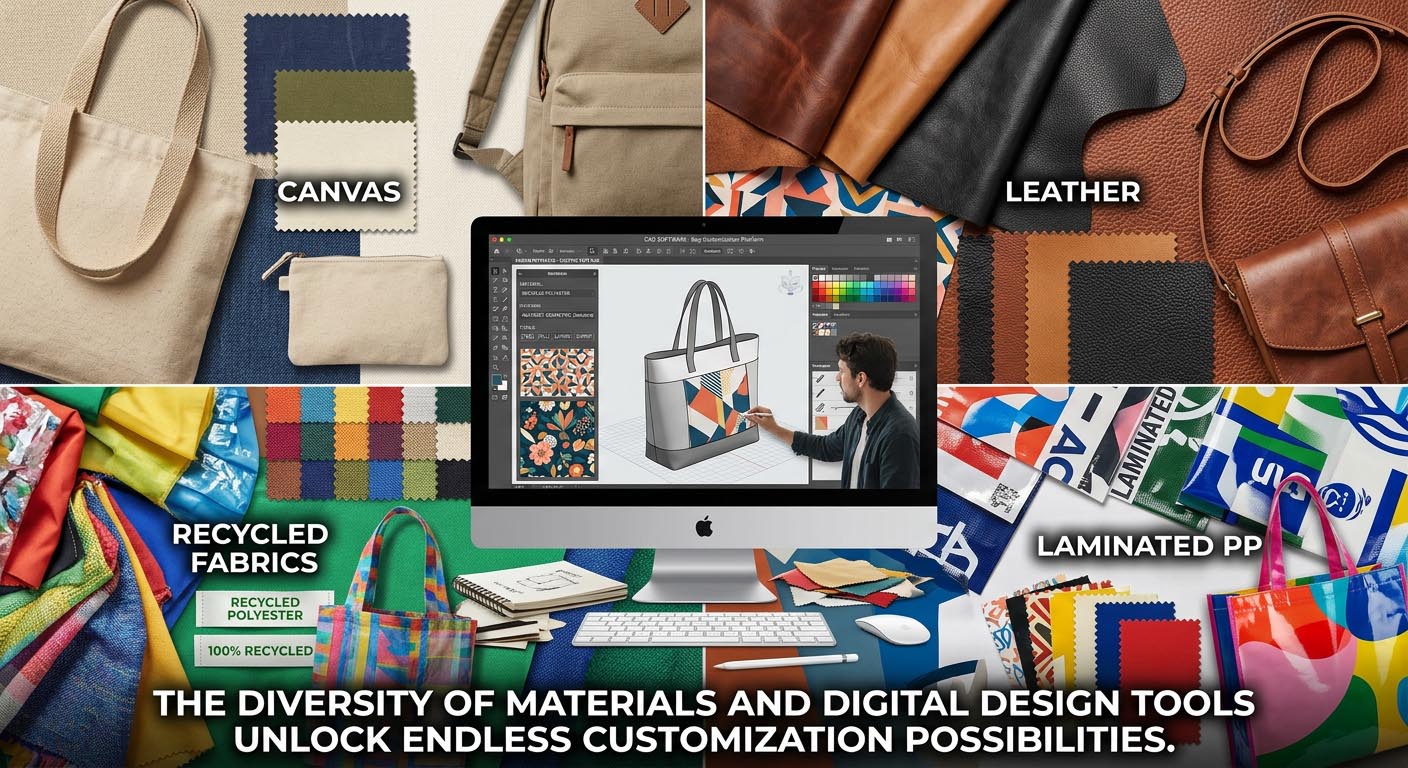
Chinese factories provide an unparalleled range of materials to suit any bag design, from eco-conscious totes to premium leather accessories. This versatility ensures your products align with current trends while catering to specific functional needs like waterproofing or durability. Material options include:
Natural and Synthetic Fabrics: Choose from organic cotton, canvas, polyester, nylon, and non-woven PP for everyday bags. For specialized applications, factories offer laminated PP or technical textiles ideal for outdoor gear or medical equipment, providing UV resistance or antimicrobial properties.
Leather and Alternatives: Real leather (e.g., cowhide or goatskin) is available for high-end fashion bags, while synthetic options like PU and PVC offer vegan-friendly alternatives at a lower cost. Recycled materials are increasingly popular, supporting sustainability without compromising quality.
Eco-Friendly Innovations: Factories now integrate recycled PET fabrics or biodegradable textiles, meeting demand for greener products. These materials are tested for durability and often come with certifications to assure ethical sourcing.
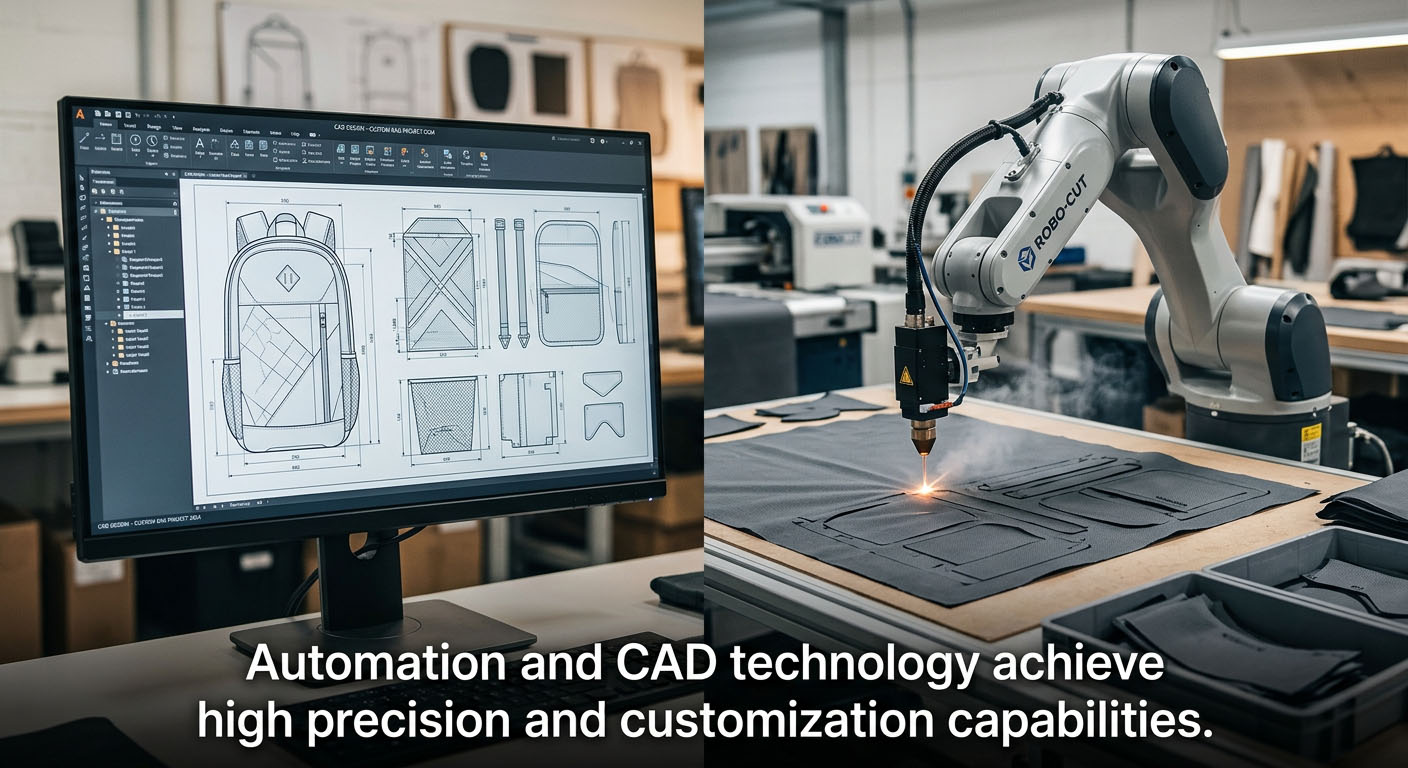
Customization techniques transform these materials into unique products using advanced technologies. For instance, computer-aided design (CAD) allows for precise pattern creation and rapid prototyping, enabling complex features like hidden RFID-blocking layers or ergonomic straps tailored to your specs. Factories combine CAD with state-of-the-art sewing and stitching equipment—such as industrial machines capable of handling heavy-duty seams—ensuring consistent, long-lasting construction. Additional branding methods like digital printing or embroidery let you add logos, graphics, or all-over designs with high resolution and color accuracy. This flexibility means you can create anything from simple promotional items to bespoke luxury pieces.
Section 2: Flexible Minimum Order Quantities (MOQs) and Streamlined Production Timelines
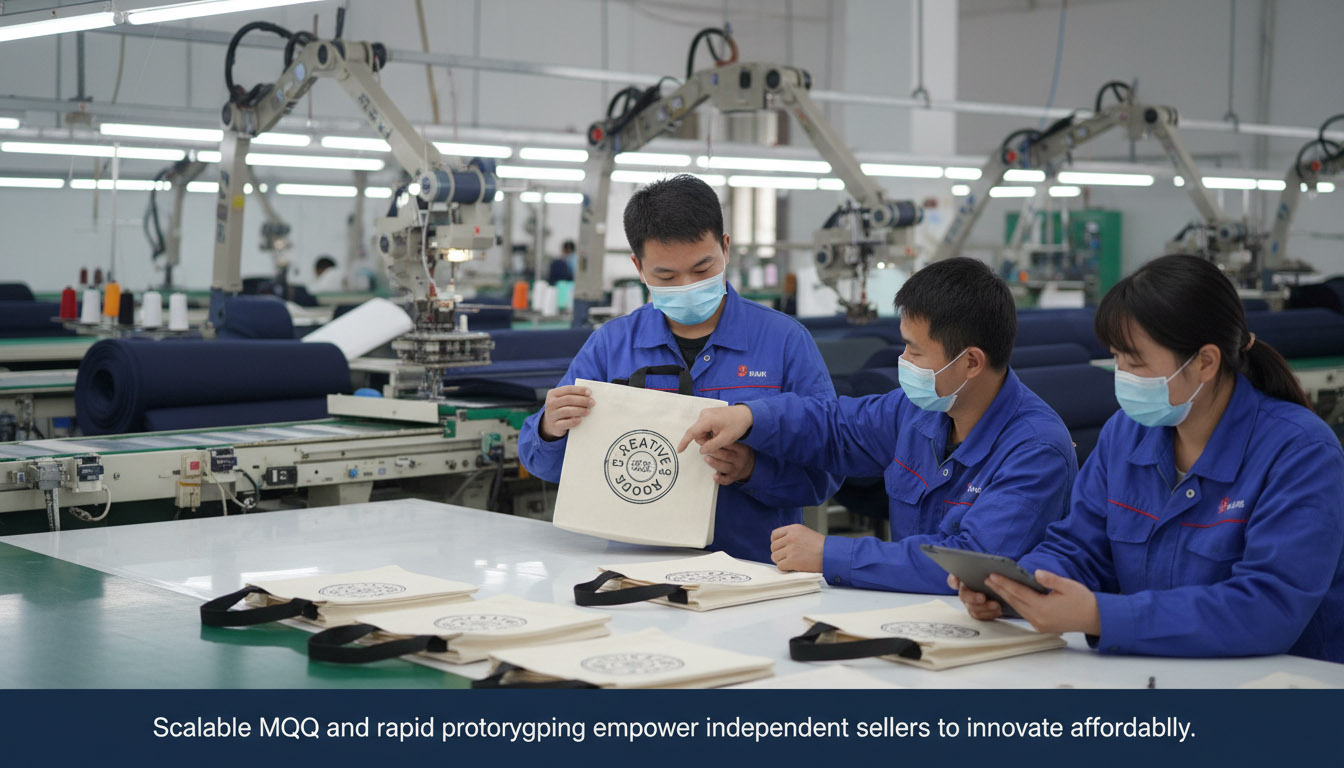
As an independent seller, you likely face budget constraints and the need for agility. Chinese factories excel here, offering scalable MOQs that adapt to your business stage—from small pilot runs to large-scale orders. This minimizes upfront risks while supporting growth. MOQs typically start as low as 50-500 units for basic bags, with options for even smaller batches when customizing existing stock. For instance, factories accommodate “mixed batch” orders, allowing you to combine styles or colors to test market response. This flexibility stems from modern production lines that integrate automation, enabling efficient transitions between sample and mass production phases.
Production timelines are equally responsive, ensuring you meet seasonal demands or fast-changing trends. Samples can be delivered in as little as 7 days for quick prototyping, allowing you to refine designs before committing. For full-scale orders, lead times range from 15-30 days for simple bags to 45-60 days for complex, high-volume projects involving custom hardware or printing. Factories optimize this with integrated supply chains, reducing delays in material sourcing and logistics. By leveraging bulk production facilities, they maintain consistency across thousands of units, helping you scale without quality compromises—a key factor for sellers building brand reliability.
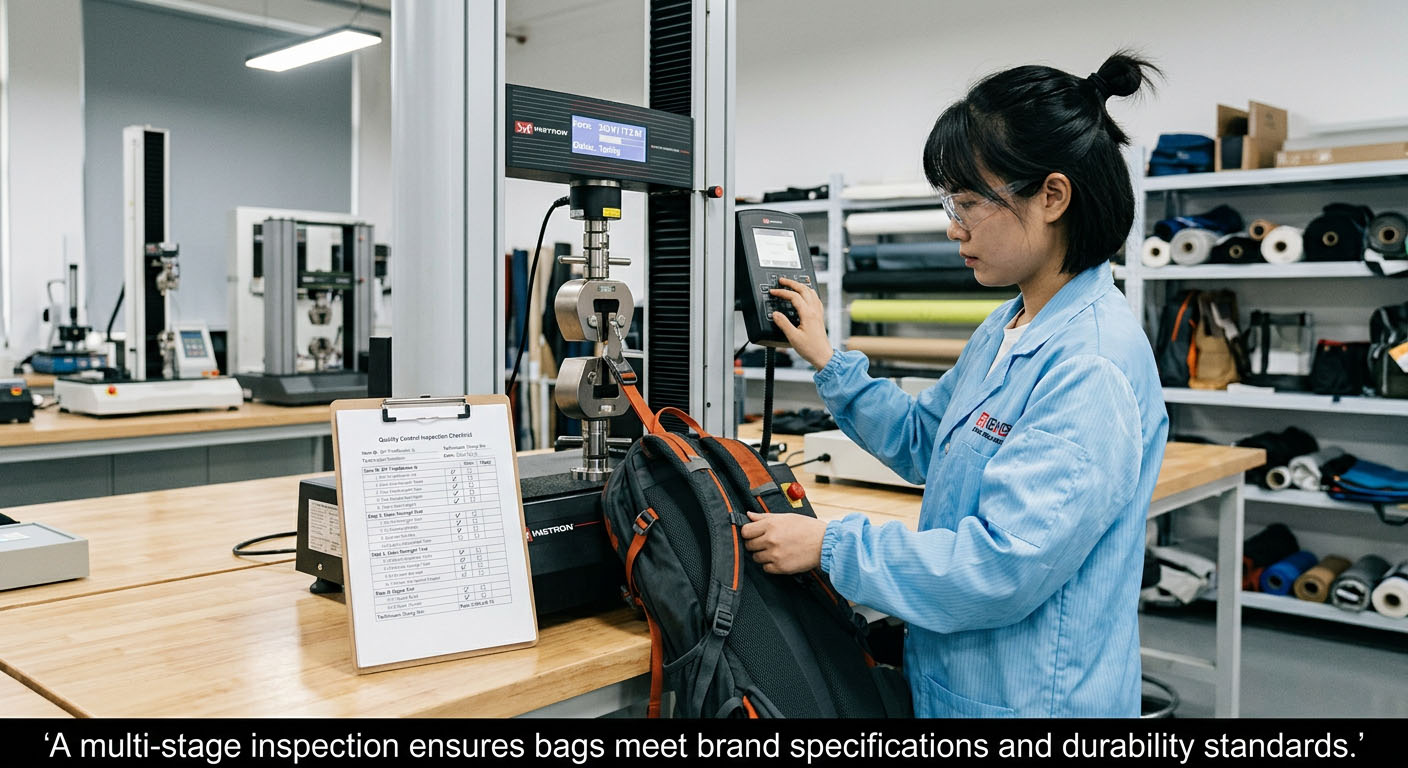
Section 3: Rigorous Quality Control Processes for Reliable Products
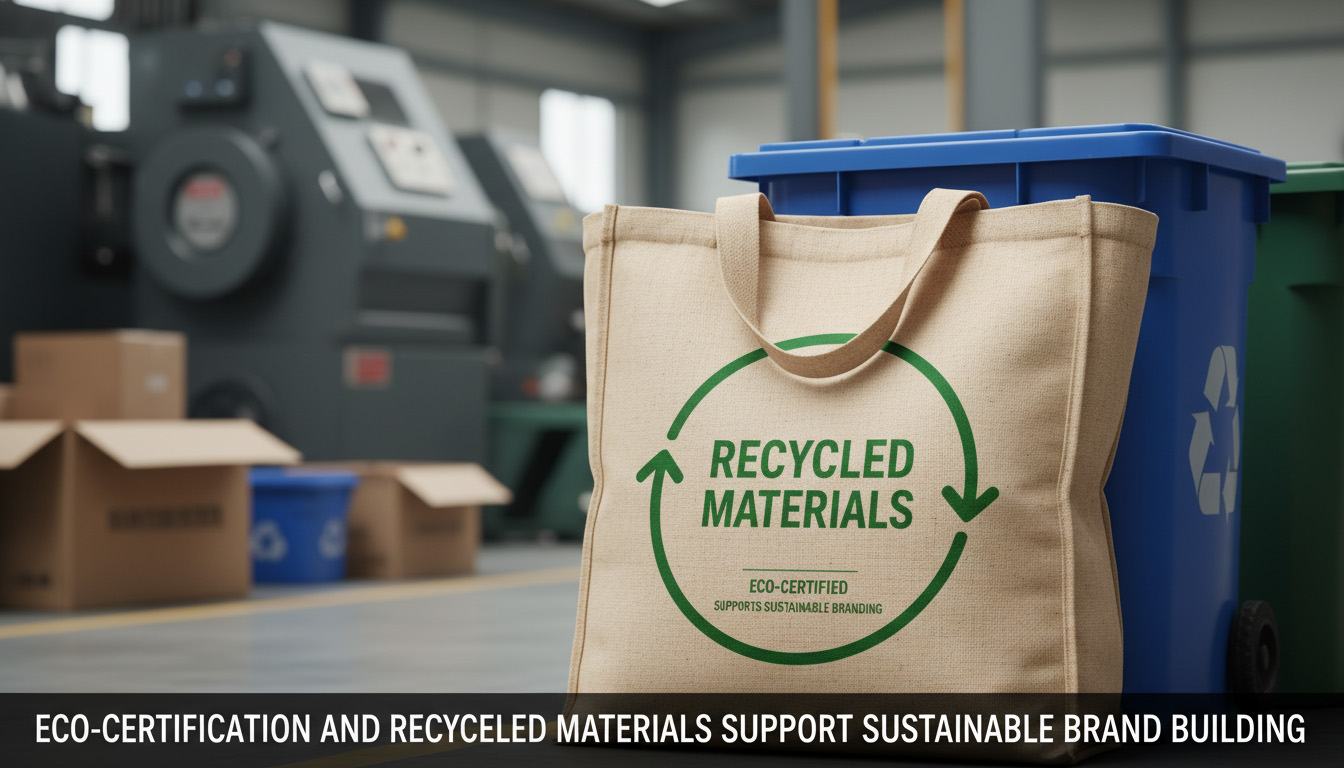
Sustainability isn’t just a trend—it’s a competitive edge for eco-conscious brands. Chinese factories are responding with robust green practices, from material choices to production processes. They offer recycled fabrics (e.g., rPET from plastic bottles), biodegradable options, and low-impact dyes, reducing environmental footprints. Certifications like GRS (Global Recycled Standard) or OEKO-TEX validate eco-friendly claims, while factories implement water-saving techniques and energy-efficient machinery to cut waste during cutting and sewing.
Beyond materials, many facilities pursue ISO 14001 for environmental management, ensuring compliance with global regulations. This commitment extends to packaging, where recycled or reusable materials are prioritized. By partnering with these factories, you can market your bags as sustainable, appealing to modern consumers and enhancing your brand’s ethical profile.
Section 5: Advanced Manufacturing Technologies Driving Innovation
Chinese factories harness cutting-edge tech to elevate customization and efficiency. Automated equipment like CNC or laser cutters ensures precise panel shaping, reducing material waste by up to 20%. High-frequency welding and ultrasonic sealing create waterproof seams for travel or outdoor bags, while thermoforming molds rigid components like EVA panels for structured designs. CAD software remains central, enabling 3D prototyping and virtual fittings to refine ergonomics before physical samples.
For branding, digital printers handle complex, full-color graphics on any surface, complemented by embroidery machines stitching intricate logos. These technologies integrate with smart manufacturing systems for real-time monitoring, ensuring consistency even in large orders—ideal for sellers launching innovative collections.
Section 6: End-to-End Support for Your Branding Needs
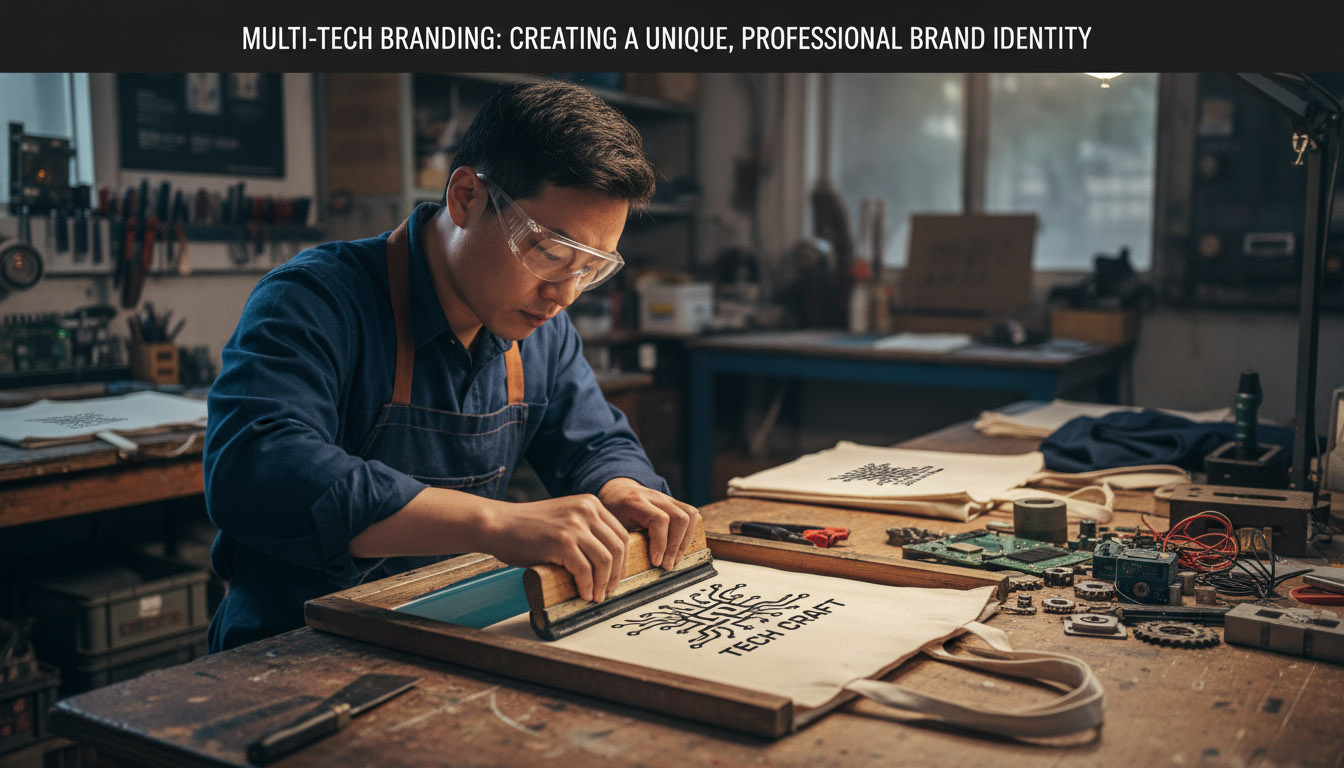
From initial design to final branding, factories provide comprehensive OEM/ODM services. They assist with everything from scratch designs to hardware customization, including metal zippers, buckles, or logo plates. Printing methods like screen, heat-transfer, or flexography allow vibrant, durable branding across bag surfaces, while laminated finishes add gloss or matte effects for premium appeal. Combined with embroidery, these options ensure your brand identity shines through consistently.
Moreover, factories offer integrated solutions like packaging design and logistics support, streamlining your supply chain. This holistic approach means you can request specialized features—say, waterproofing for gym bags or RFID protection for tech accessories—without complexity.
Post time: Mar-17-2026