
Navigating Minimum Order Quantities (MOQs) for Bags from Chinese Suppliers: A Practical Guide for Importers
Sourcing bags from Chinese manufacturers offers incredible value, variety, and quality. However, one of the most common hurdles importers, especially new businesses or those testing the market, face is understanding and navigating Minimum Order Quantities (MOQs). This guide cuts through the confusion, providing clear insights based on typical industry practices to help you plan your sourcing strategy effectively.
What Exactly is an MOQ and Why Does it Exist?
MOQ is the smallest number of units a supplier is willing to produce for a specific bag style, colorway, or order. It’s not an arbitrary number; it’s rooted in practical economics:
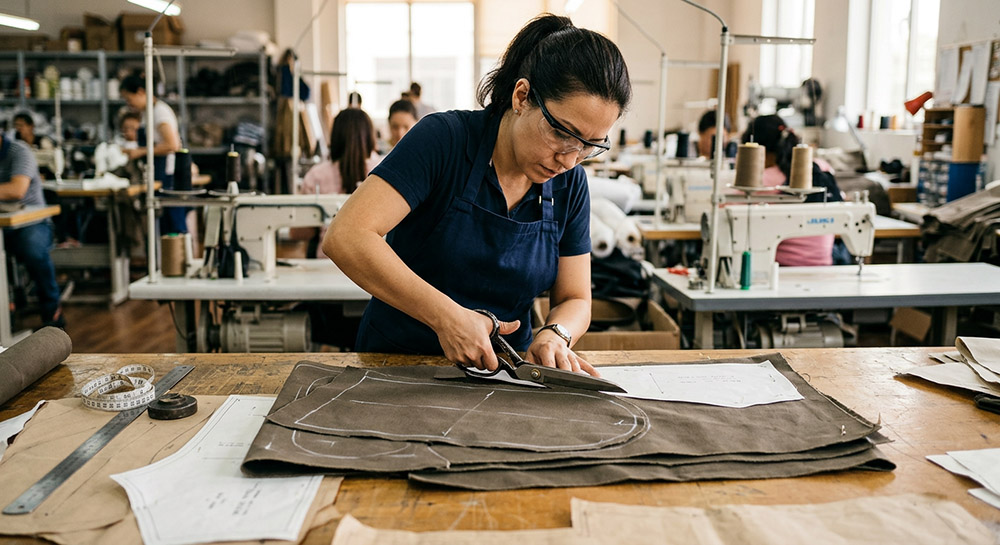
1. Production Efficiency & Setup Costs: Factories have fixed costs for setting up production lines – cutting patterns, calibrating machines, preparing printing plates. Running small batches means these setup costs are spread over fewer units, making the unit price uneconomical. An MOQ ensures the run is profitable.
2. Raw Material Purchasing: Suppliers of fabrics, zippers, hardware, and printing materials often have their own MOQs. A bag factory must buy these materials in minimum quantities, which naturally flows down to the minimum quantity they can produce for you.
3. Recovering Customization Investment: Unique designs, custom hardware molds, or complex printing techniques require significant upfront investment. Higher MOQs (sometimes thousands of pieces) are necessary to amortize these costs.
Understanding these whys helps in appreciating the constraints suppliers face and lays the groundwork for effective negotiation.
Typical MOQ Ranges: What to Expect for Different Bag Types
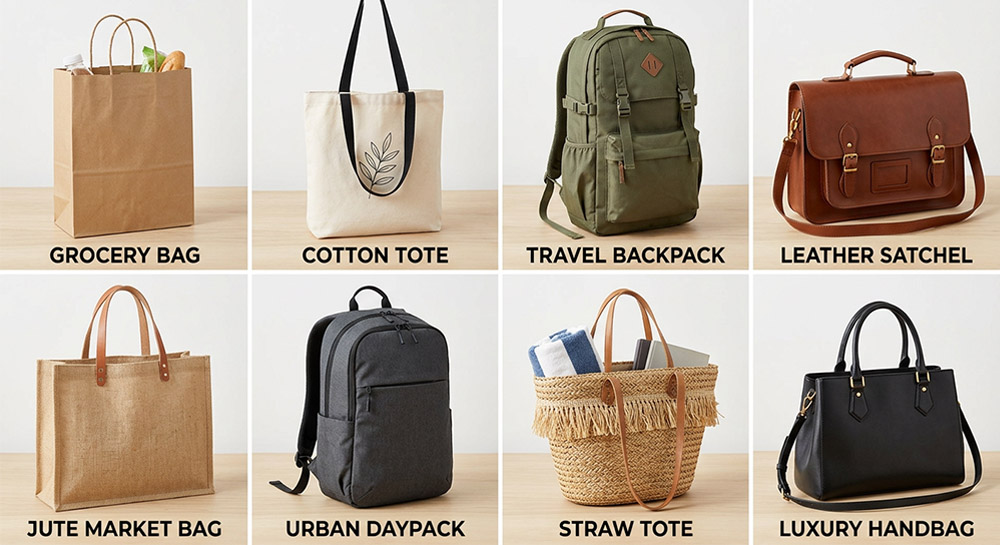
MOQs vary dramatically based on the bag type, materials used, level of customization, and the specific factory’s capabilities. Here’s a breakdown based on aggregated industry data:
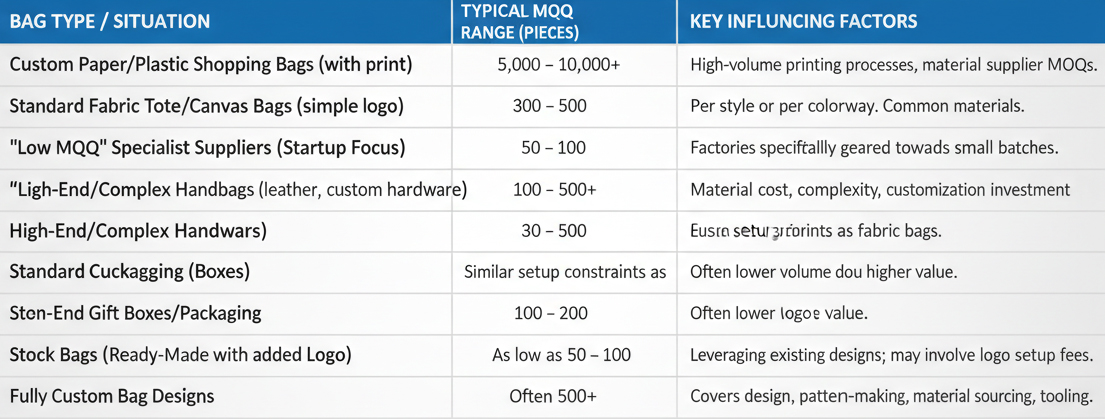
Key Takeaways:
Per Style vs. Per Colorway: Always clarify! A common structure is a higher MOQ per style (e.g., 300 pieces), which can then be split across colorways with a lower minimum per color* (e.g., 50-100 pieces per color within that 300-piece style order).
First Trial Orders: Many suppliers are open to reduced MOQs for initial market testing, often in the range of 50-100 pieces for a specific style/color combination. This demonstrates goodwill and potential for future business.
Mixing Styles: Crucially, mixing different styles within one container shipment is generally permitted to meet the overall* MOQ requirement. This flexibility allows importers to offer a varied product line without needing huge quantities of each individual item.
The Cost of Going Below Standard MOQ

What if you absolutely need fewer pieces than the standard MOQ? It’s often possible, but be prepared for financial implications:
Unit Price Surcharges: Orders placed below the standard MOQ frequently incur a 20% to 50% surcharge on the unit price. This directly compensates the factory for the inefficiency of running a smaller batch.
Setup Fees: For adding logos or minor customizations to stock bags below MOQ, suppliers may charge separate mold fees or labor fees to cover the setup cost.
Strategies for Negotiating Better MOQ Terms
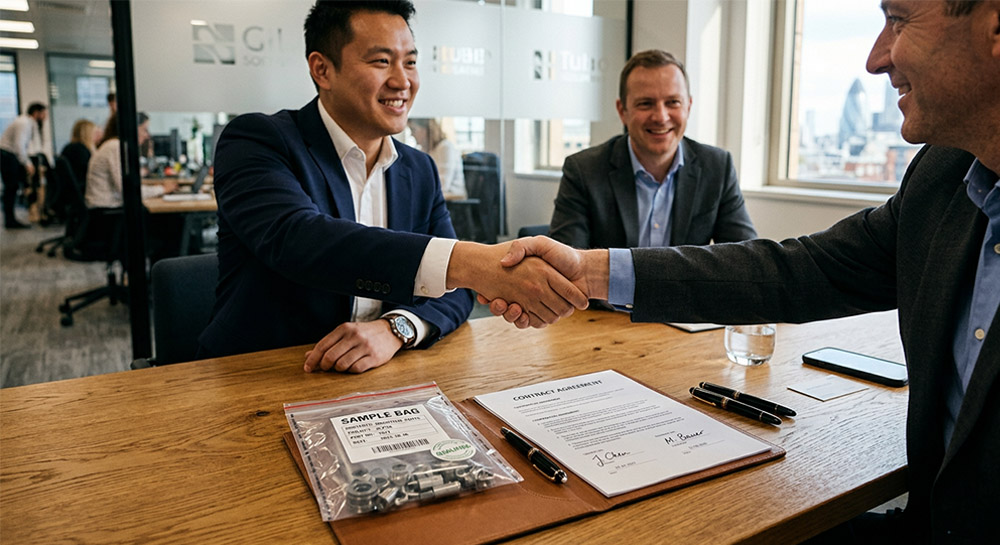
Knowledge is power when negotiating MOQs. Here are proven strategies:
1. Understand the Breakdown: Ask the supplier why their MOQ is set at a specific level. Is it driven by material MOQs? Cutting setup? Understanding their constraints helps find solutions. Ask if the MOQ is per style, per color, per material, or per order.
2. Offer Financial Incentives: Proactively offer to pay a higher unit price or a specific setup fee for a trial order below the standard MOQ. This makes the small run financially viable for the factory.
3. Simplify Your Requirements: Opt for standard materials, common color palettes, and simple printing techniques. This allows the factory to potentially use existing stock materials or combine your order with another similar run.
4. Target the Right Suppliers: Seek out factories that explicitly advertise “low MOQ” capabilities or specialize in working with startups and small brands. Their production lines and business models are designed for flexibility. Smaller workshops often have lower overheads and can be more accommodating.
5. Leverage Payment Terms: Be flexible with payment terms. Offering more secure or faster payment options (like a larger deposit or T/T in advance) can sometimes give you leverage to negotiate a lower MOQ, as it reduces the supplier’s financial risk.
6. Build the Relationship: New customer MOQs are often more negotiable than repeat order requirements once processes are established. Starting with a successful small trial can build trust for future flexibility. Communicate your growth potential.
Tailoring Your Approach: Advice for Different Business Models
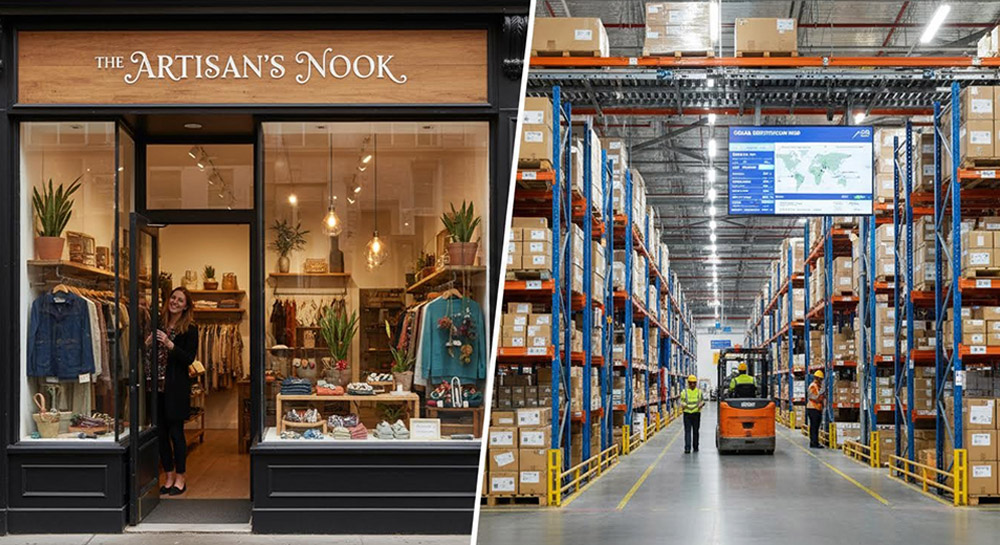
Startups & Small Brands: Focus on suppliers advertising low MOQs (50-100 pieces). Be prepared for slightly higher per-unit costs initially. Utilize stock bag + logo options where possible. Prioritize building relationships with flexible factories.
Established Businesses Testing New Lines: Negotiate trial order MOQs (50-100 pieces). Use mixed-style ordering within containers to diversify offerings without massive per-SKU commitments.
Large Volume Importers: While standard MOQs (300-500+) are less of a barrier, understanding the structure (per style vs. per color) is still crucial for efficient ordering and assortment planning. Negotiation leverage is higher.
Conclusion: Knowledge and Communication are Key

MOQs are a fundamental aspect of sourcing bags from China. While they present a challenge, particularly for smaller orders, they are rarely insurmountable. By understanding the typical ranges, the reasons behind them, and employing smart negotiation tactics, you can find suppliers and structures that work for your business model. Clarity in communication, flexibility in approach, and targeting the right manufacturing partners are essential. Don’t hesitate to discuss your specific needs upfront – a transparent conversation is the first step towards a successful partnership.
Post time: Mar-05-2026