
The Strategic Advantage of MOQ Flexibility for Small B Customers in the Bag Industry
Suppliers offering MOQs as low as 1-2 pieces per SKU gain a competitive edge by reducing inventory risk for small B customers, particularly startups and niche markets prioritizing cash flow management. This flexibility allows buyers to test new products with minimal financial commitment before scaling orders, fostering long-term partnerships. However, suppliers must offset reduced economies of scale through tiered pricing or streamlined processes to maintain profitability. Digital platforms and on-demand manufacturing technologies further enable cost-effective fulfillment of small orders.

Operational Strategies for Low-MOQ Profitability
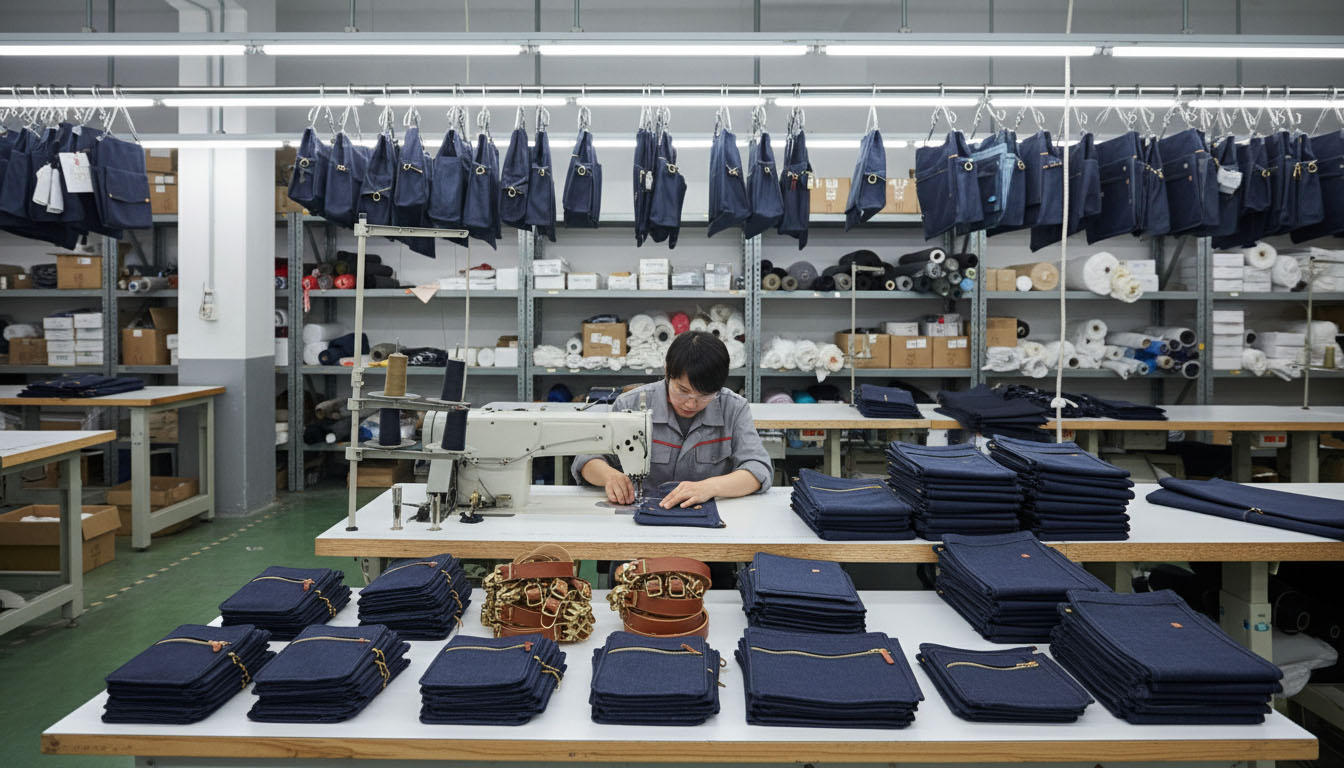
To accommodate low MOQs without sacrificing efficiency, forward-thinking bag suppliers adopt modular manufacturing designs and hybrid batch-processing models. For instance, grouping small orders by material type or design complexity optimizes production runs. Vertical integration—common in Chinese textile hubs—reduces lead times for customized low-volume orders. Some suppliers leverage AI-driven demand forecasting to dynamically adjust MOQs while controlling operational costs, creating a win-win for both parties.
How Small B Customers Evaluate MOQ-Flexible Suppliers
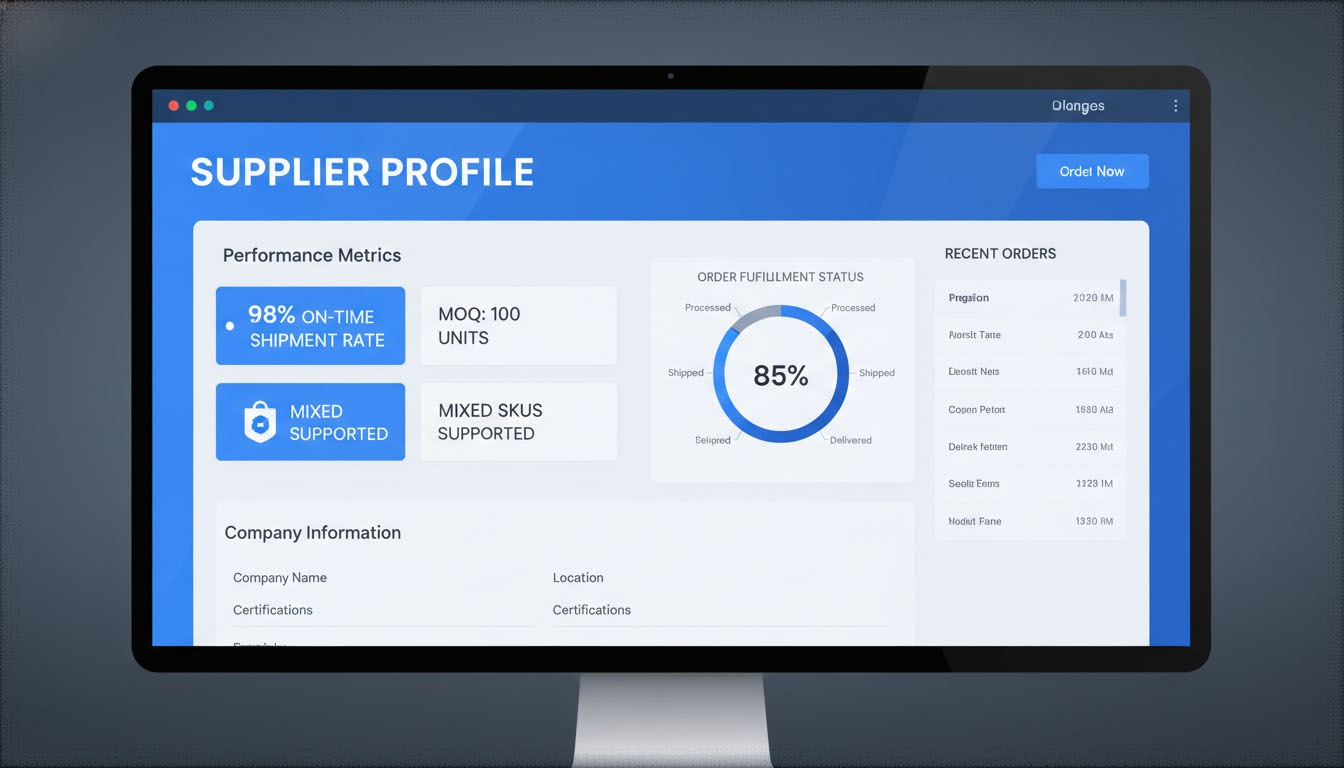
Transparency in pricing and reliability metrics (e.g., 98% on-time shipment rates) are top evaluation criteria for buyers. Suppliers highlighting OEM/ODM support—like logo customization at 100-unit MOQs or mixed-SKU orders—attract more small B clients. Digital storefronts should prominently feature these capabilities, as seen in high-converting Alibaba supplier profiles. Regional suppliers with localized logistics networks often outperform by offering lower MOQs due to reduced shipping costs.
Risk Mitigation in Low-MOQ Operations
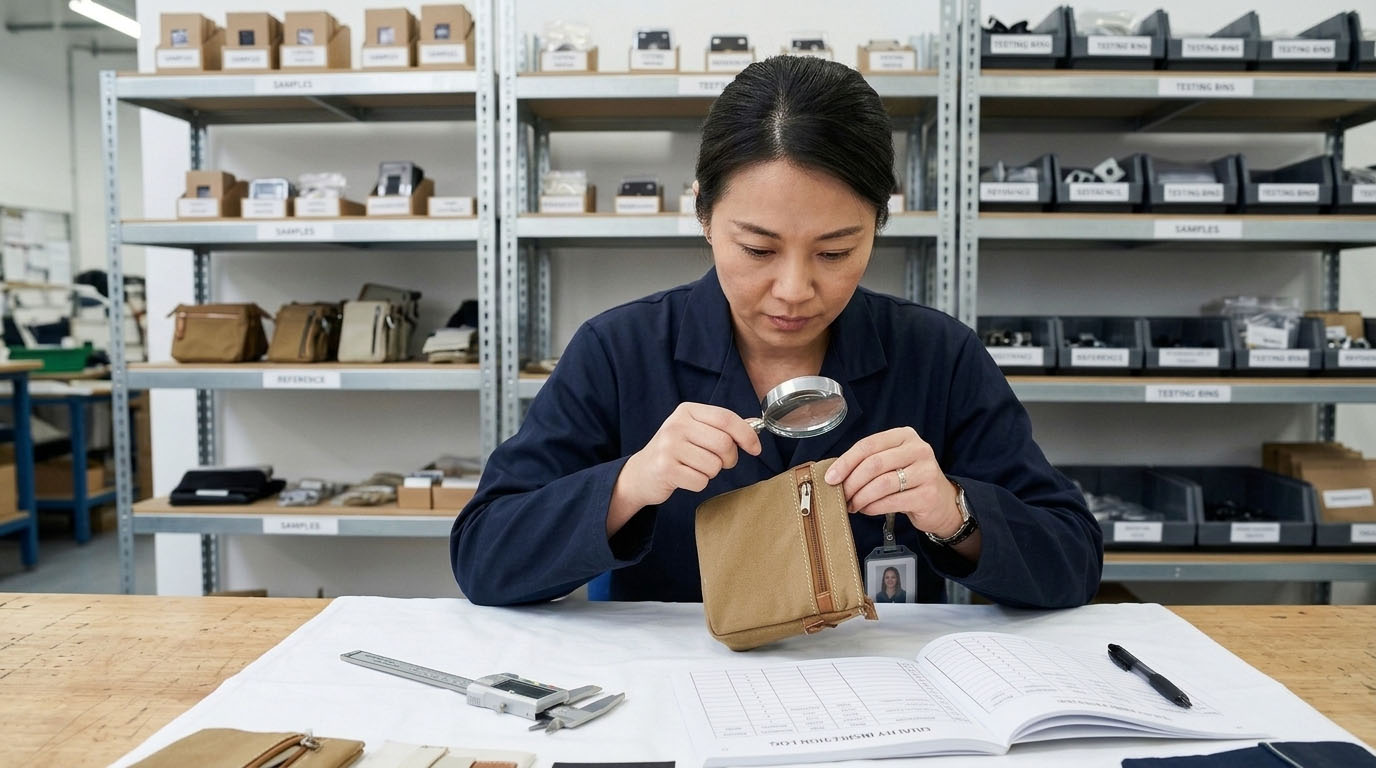
Extremely low MOQs (1-2 pieces) can fragment supply chains and strain quality control. Savvy bag suppliers mitigate this by:
Implementing dynamic MOQ models where repeat customers unlock tiered pricing
Requiring deposits for sample orders under 10 units
Partnering with shared warehousing providers to reduce storage costs
Prioritizing materials with stable lead times to prevent fulfillment delays
Case Study: Our MOQ Framework for Bag Customization
At Trust-U Bag, we specialize in bridging the gap between flexibility and scalability:
1. Stock Items: 100-piece MOQ with mixed-SKU options and logo customization
2. Standard Customization: 300-500-piece MOQs with multi-color/design options
3. Premium Materials: Competitive MOQs for sustainable fabrics (e.g., 200-piece threshold for recycled PET)
Our tiered approach allows startups to begin with sample packs while offering growth incentives like 5% bulk discounts at 1,000+ units.

Why MOQ Flexibility Wins Long-Term Business
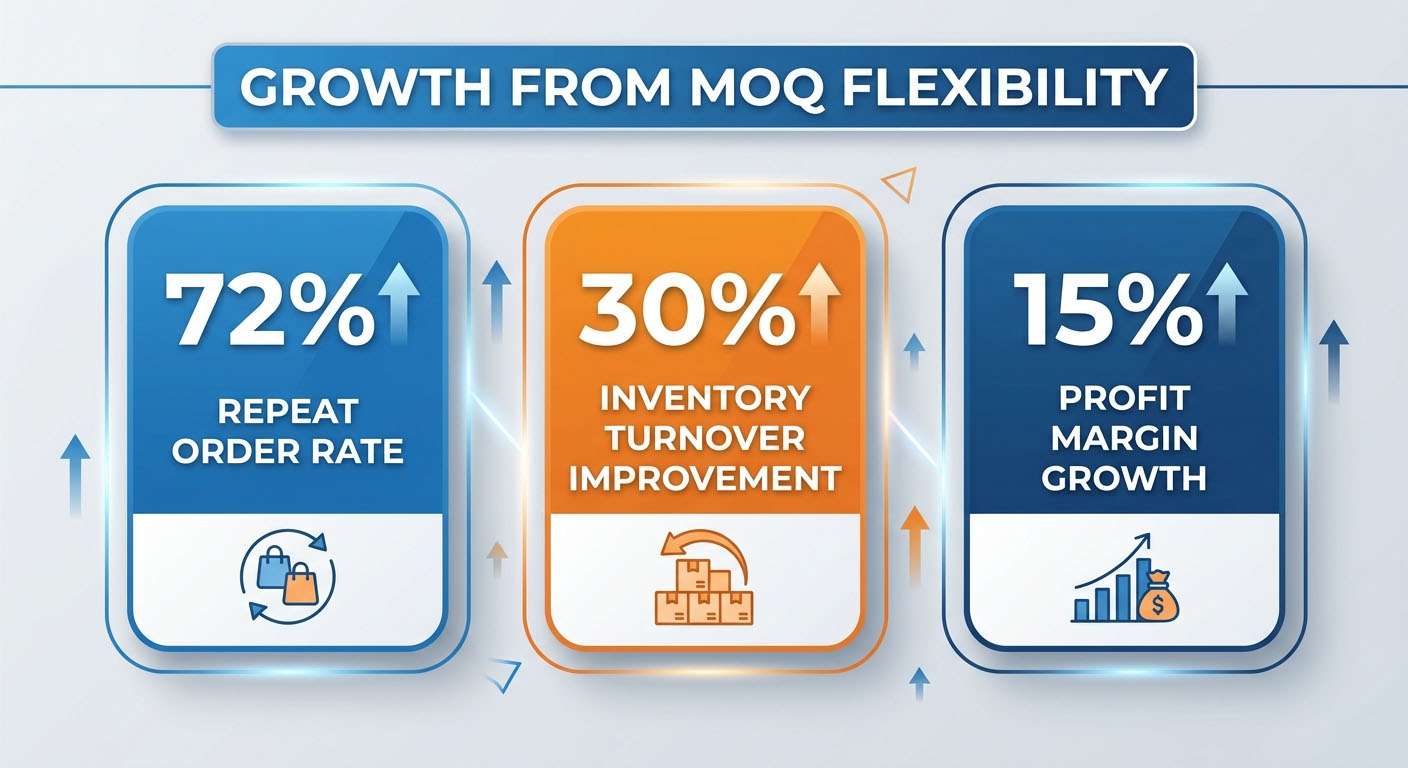
Independent retailers—representing 38% of our client base—consistently rank MOQ flexibility higher than bulk discounts when choosing suppliers. By offering starter orders as low as 50 units with logo personalization, we’ve achieved:
72% repeat order rate within 6 months
30% faster inventory turnover for boutique buyers
15% higher margins through value-added customization
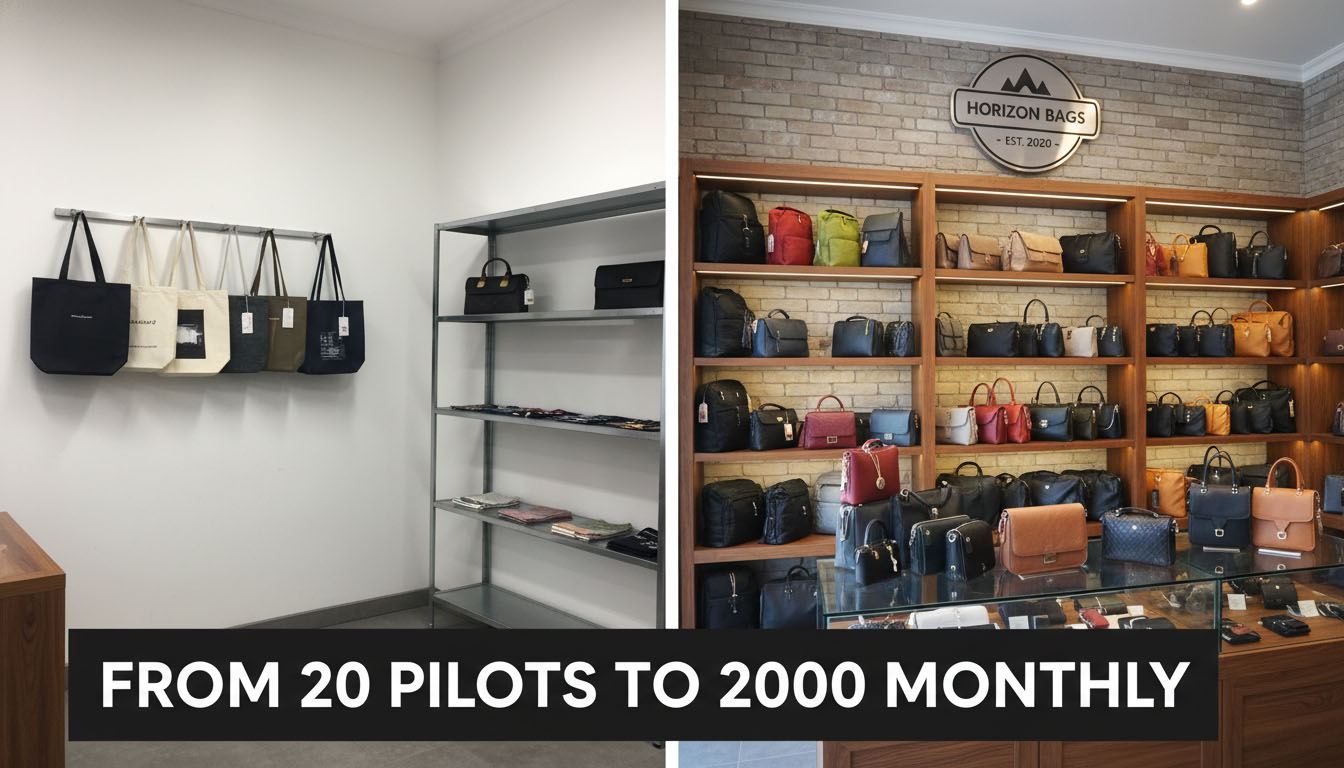
 Pro Tip: Feature customer success stories—like a startup that scaled from 20 trial units to 2,000 monthly orders—to demonstrate your MOQ strategy’s ROI.
Editor’s Note: All MOQ policies should align with your cost structure. We recommend quarterly profitability reviews to adjust thresholds based on material volatility and production innovations.

This article reflects Trust U’s expertise in balancing operational efficiency with client-centric flexibility—the hallmark of modern B2B bag sourcing.
Post time: Apr-15-2026