
As a small online bag seller, navigating the world of Chinese manufacturing can feel overwhelming—but it doesn’t have to be. With a focus on craftsmanship, transparency, and risk management, you can source high-quality handcrafted bags that stand out in your market while protecting your business. Below is your complete guide to every step of the process.
1. Finding and Vetting Reliable Chinese Bag Manufacturers
For small businesses, the key to successful sourcing is prioritizing craftsmanship and verifiable expertise over rock-bottom prices. Here’s how to build a shortlist of trustworthy suppliers:
Prioritize Craftsmanship Credentials
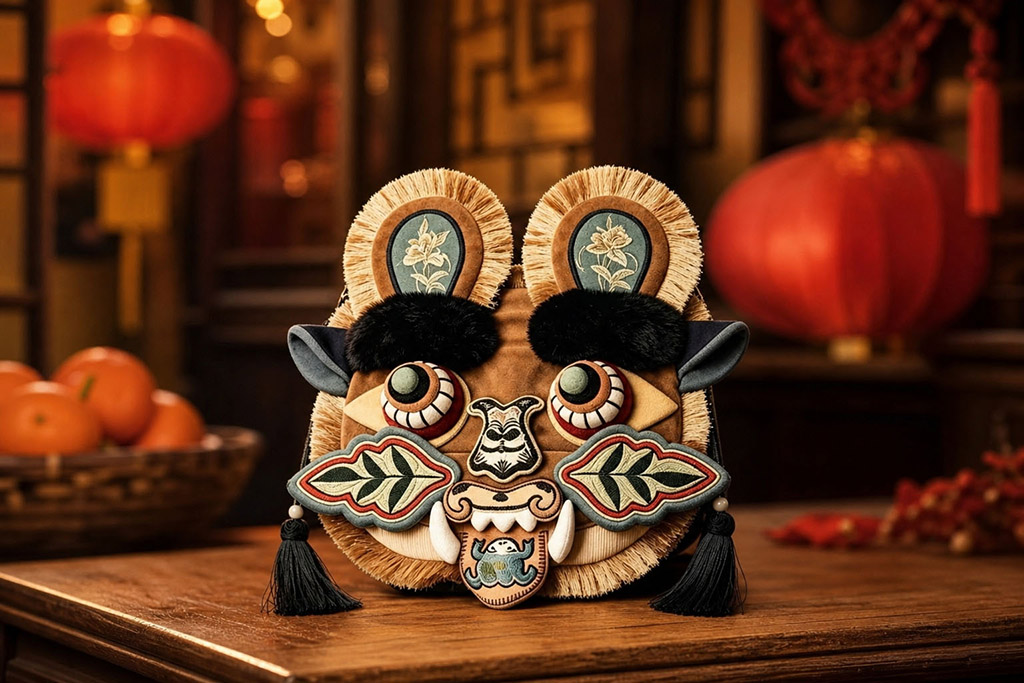
Foreign buyers increasingly value artisans with proven skills in traditional techniques like embroidery, knotting, and metalwork. For example, Guangxi’s tiger-head bags—an intangible cultural heritage item—are renowned for their intricate hand-embroidery, a detail that adds significant cultural and market value.
Guangxi Tiger-Head Bag
When vetting suppliers, ask for:
Proof of artisan experience (years in business, specialized technique certifications)
Samples of work showcasing traditional skills
References from overseas buyers who prioritize craftsmanship
Verify Quality and Transparency
Don’t skip these critical steps to avoid costly mistakes:
1. Order samples first: Test stitching, hardware durability, lining quality, and consistency across multiple pieces.
2. Request factory audits: Third-party inspection reports and quality certifications add an extra layer of verification for distant suppliers.
3. Assess communication responsiveness: A supplier who replies quickly and clearly will resolve issues faster, keeping your orders on track.
Bag Manufacturing Craftsmanship
A Simple Vetting Strategy
Start with 3-5 suppliers, then compare their craftsmanship evidence (not just quotes). Narrow down your list by evaluating sample quality, communication speed, and transparency about their production processes.
2. Minimum Order Quantities (MOQs) and Pricing Structures
Small businesses need flexibility to test market demand without overstocking, and many Chinese manufacturers now offer adaptable terms:
Typical MOQs for Handcrafted Bags
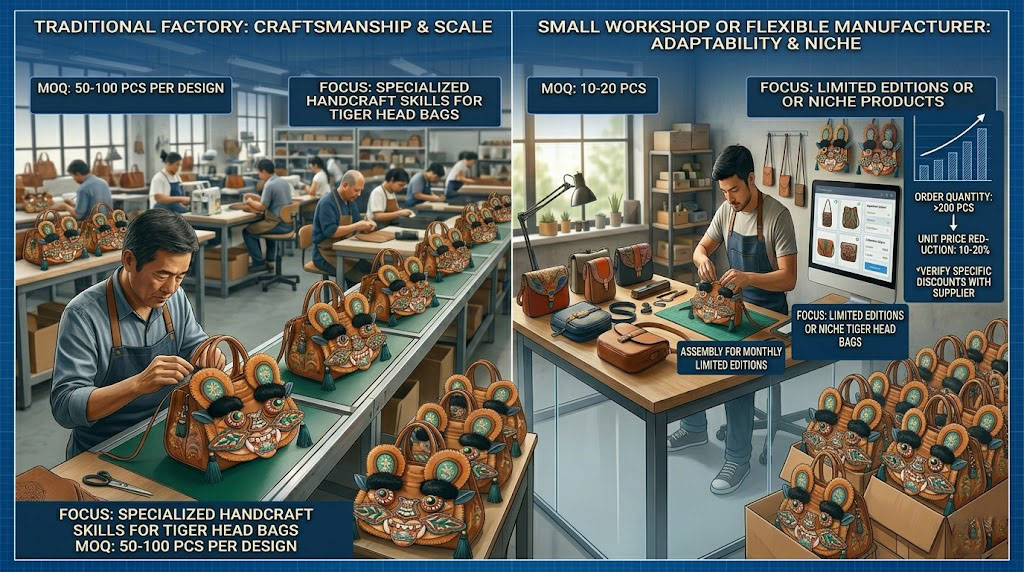
Traditional factories: MOQs often start at 50-100 units per design, especially for bags requiring specialized handwork.
Small workshops or agile manufacturers: Some offer MOQs as low as 10-20 units, ideal for limited-edition or niche products.
Bulk discounts: Prices usually drop by 10-20% when you order 200+ units, but always confirm this with your supplier.
Pricing Breakdown
Handcrafted bag pricing depends on:
Materials: Premium leathers or specialty fabrics can increase costs by 30-50%.
Craftsmanship complexity: Intricate embroidery or metalwork adds $5-$15 per unit.
Customization: Unique hardware, linings, or monogramming may require additional fees.
Always ask for a detailed quote that includes material costs, labor, and any customization charges to avoid hidden fees.
3. Shipping, Customs, and Import Procedures
Smooth logistics are critical to maintaining inventory flow and meeting customer deadlines. Here’s what you need to prepare:
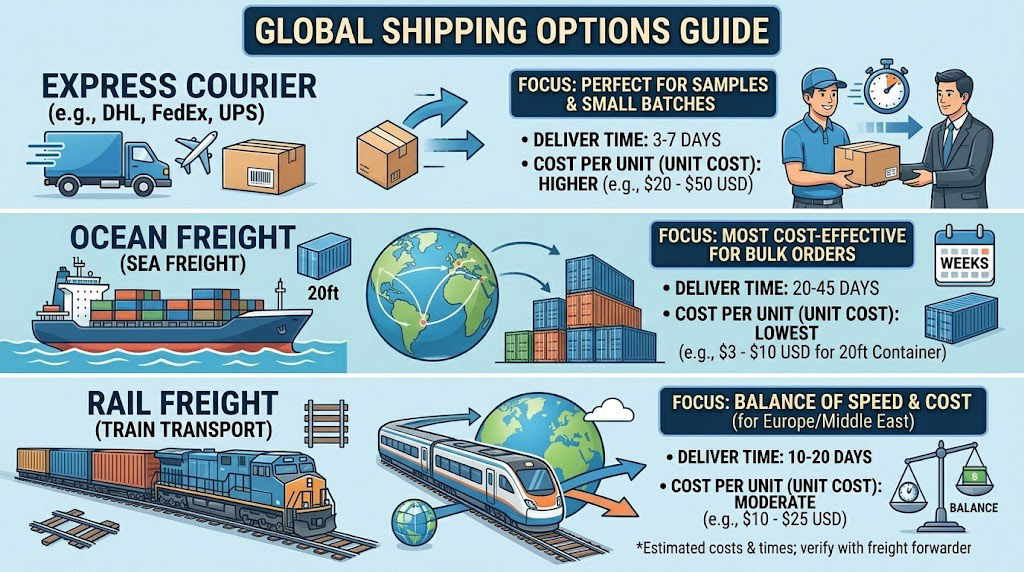
Shipping Options
Express shipping (DHL, FedEx): 3-7 day delivery, ideal for samples or small orders, but costs $20-$50 per unit.
Sea freight: 20-45 day delivery, the most cost-effective option for bulk orders (costs $3-$10 per unit for a 20ft container).
Rail freight: A middle ground between speed and cost, taking 10-20 days for European or Middle Eastern destinations.
Customs and Import Steps
1. Documentation: Prepare a commercial invoice, packing list, bill of lading, and certificate of origin.
2. Tariffs: Check your country’s import tariffs for bags (average 10-25% in the U.S. and EU).
3. Customs brokers: Hire a local broker to handle paperwork and ensure compliance with import regulations—this reduces the risk of delays.
Pro Tip
Always factor shipping and tariff costs into your pricing strategy to avoid eating into your profit margins.
4. Protecting Your Designs and Intellectual Property (IP)
IP theft is a valid concern, but you can safeguard your designs with these steps:
Secure Agreements First
Non-Disclosure Agreements (NDAs): Have suppliers sign an NDA before sharing any proprietary designs or product specifications.
IP registration: Register your designs, trademarks, and patents in both your home country and China through the China National Intellectual Property Administration (CNIPA).
Practical Protections
Avoid oversharing: Only provide detailed design files after the NDA is signed and you’ve verified the supplier’s trustworthiness.
Watermark samples: Add a subtle watermark to digital design files to prevent unauthorized use.
Monitor the market: Regularly check e-commerce platforms for counterfeit versions of your products and take legal action if needed.
IP Protection Agreement
Final Tips for Small Business Success
1. Start small: Test new designs with minimum orders to gauge customer demand before scaling up.
2. Build long-term relationships: A reliable supplier can become a strategic partner, offering better terms and priority production over time.
3. Stay transparent: Share your quality standards and brand values with suppliers to ensure alignment with your business goals.
By focusing on craftsmanship, due diligence, and proactive risk management, you can source unique, high-quality handcrafted bags from China that set your small business apart.
Post time: May-19-2026