
Introduction: Why This Matters for Your Bag Business
As a small business owner selling bags online, you’re likely always looking for ways to stay ahead of trends, respond to customer feedback quickly, and differentiate your brand. One of the biggest challenges when sourcing products from China is managing design changes—especially when you need to make adjustments after you’ve already placed an order.
The good news? Most Chinese suppliers can accommodate last-minute design changes for small orders, but understanding how to navigate this process effectively can save you time, money, and headaches.
In this comprehensive guide, we’ll walk you through everything you need to know about requesting design modifications, avoiding unnecessary fees, and ensuring your orders arrive on time—even when changes are needed at the eleventh hour.
Understanding How Chinese Suppliers Handle Design Changes
The Reality of Flexibility in Manufacturing
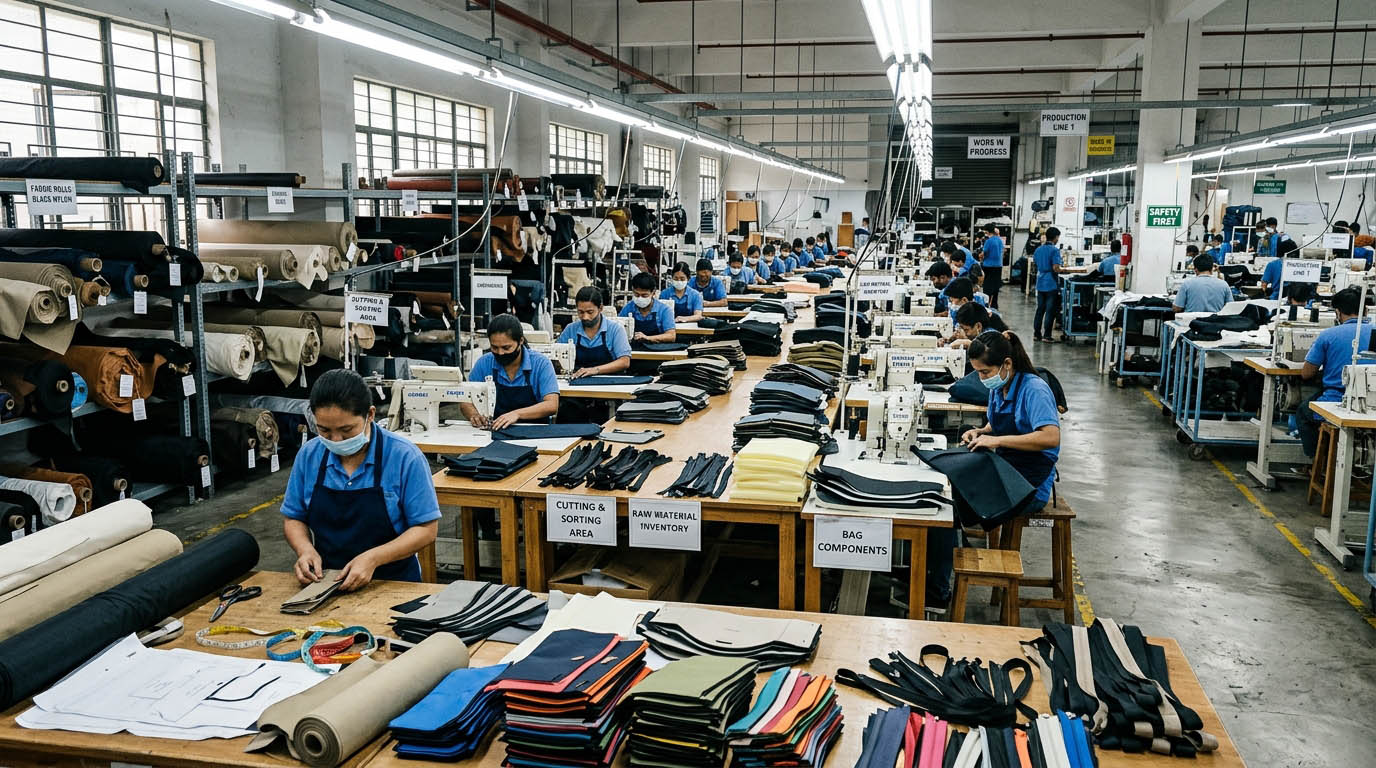
When working with Chinese bag manufacturers, flexibility exists—but it has limits. Suppliers are generally willing to accept design changes, but only if you communicate them early enough and the supplier has not yet started cutting, printing, or mass production.
Key Insight: For small orders, Chinese bag factories are more likely to accept last-minute design changes when the order is still in sampling or pre-production stages.
What Can Typically Be Modified?
For small orders, last-minute changes are usually possible for minor edits such as:
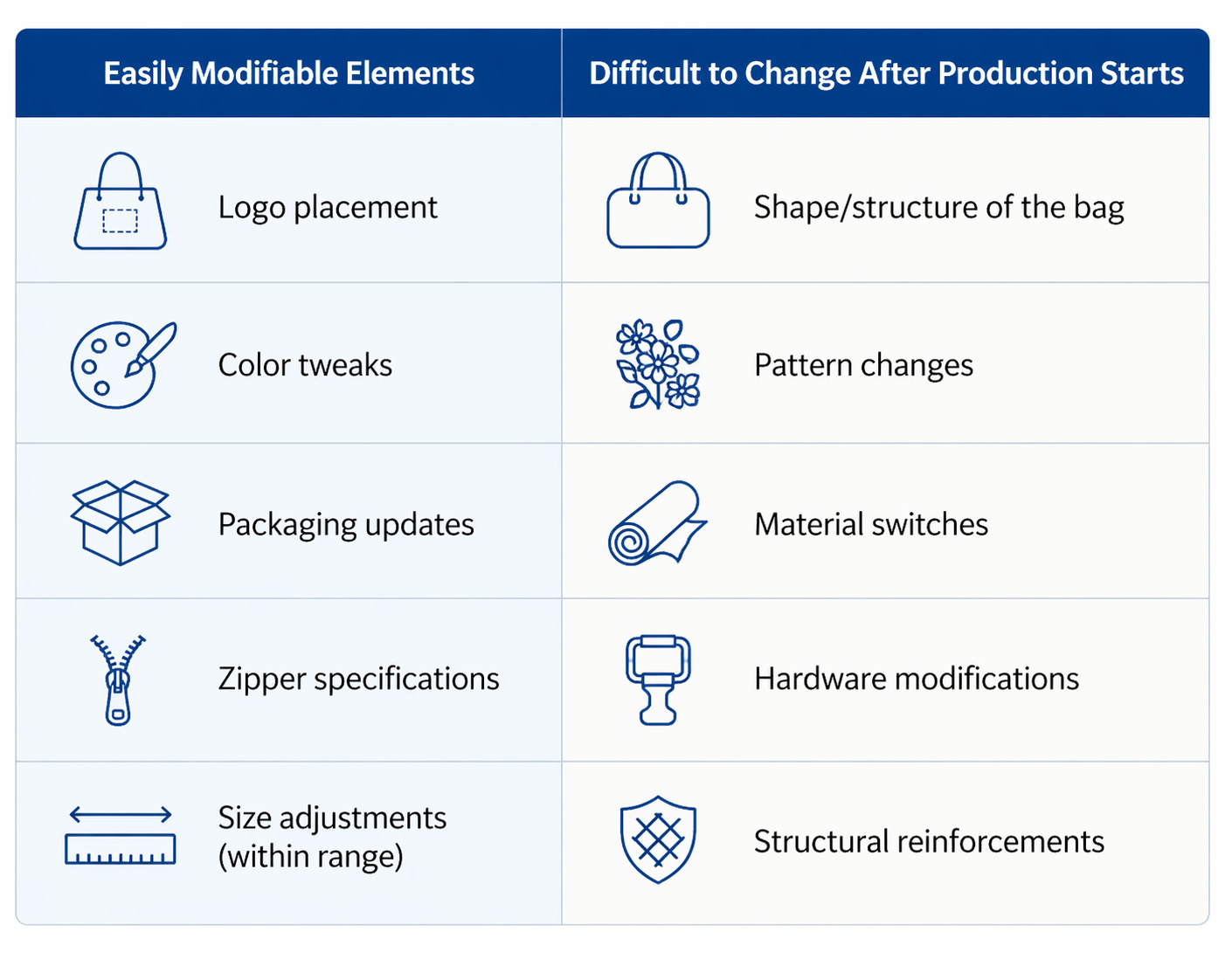
Many suppliers also offer OEM/ODM customization for bags, giving you more flexibility in how your products are manufactured.
The Cost Question: Will You Pay Extra?
Understanding Additional Fees
This is one of the most common concerns for small business owners, and the answer isn’t straightforward. Here’s what you need to know:
Yes—last-minute design changes may incur additional fees, particularly in these scenarios:
1. Materials already procured: If the supplier has already purchased materials matching your original specifications
2. Cutting completed: Once fabric or materials have been cut, changes become significantly more expensive
3. Production in progress: Mid-production changes require reworking assembly line processes
Key Insight: Communication speed is crucial; suppliers with dedicated English-speaking teams handle changes faster and can often find cost-saving solutions.

How to Minimize or Avoid Extra Costs
The best approach is prevention rather than correction:
Confirm flexibility upfront before placing your order
Document all change requests via email or WeChat to avoid disputes over verbal agreements
Keep changes small if your order is under the factory’s minimum quantity
Request digital proofing services (like 3D mockups) to visualize changes before production begins
Key Insight: Digital proofing services help visualize changes before production, reducing errors and the need for costly revisions.
Lead Time Adjustments: What to Expect
Typical Timeline Impacts
When you request design changes, expect some adjustment to your delivery schedule. Here’s a general framework:
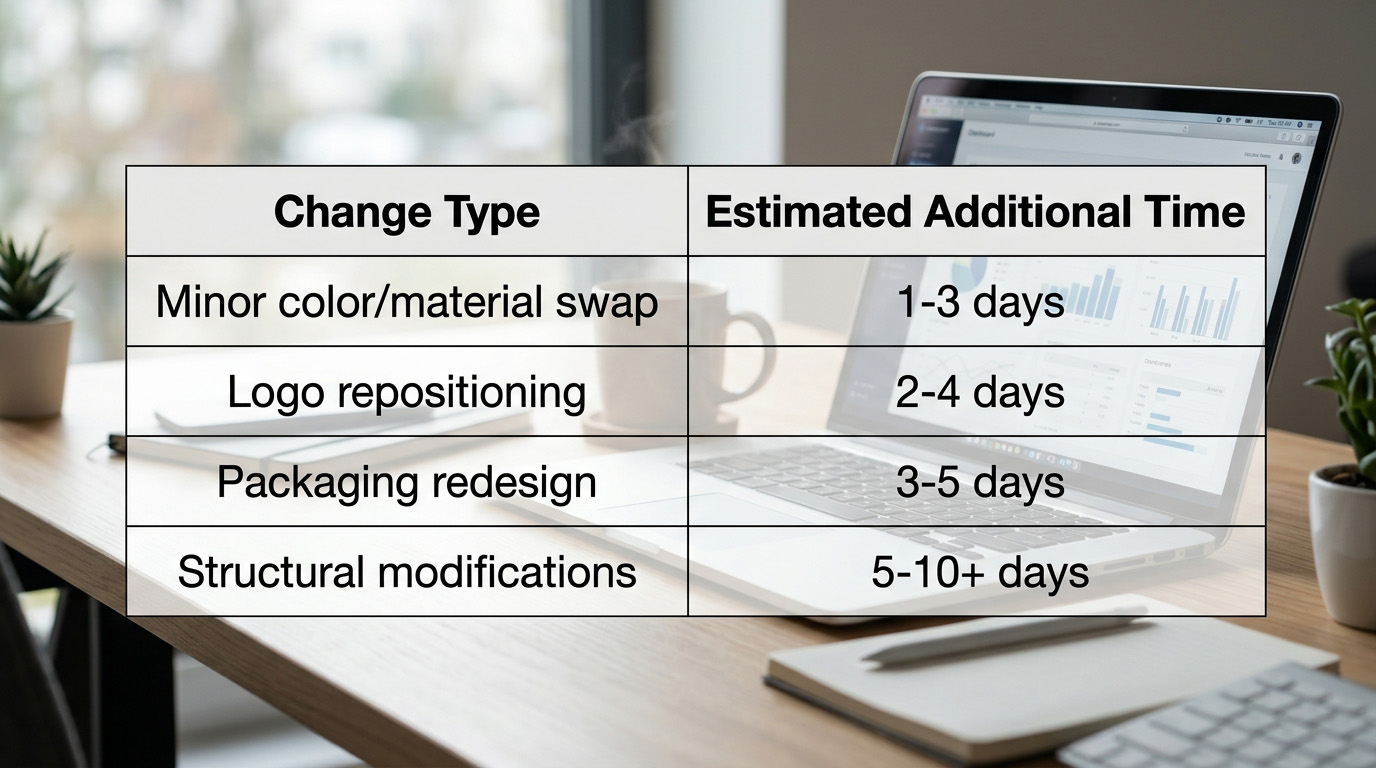
Key Insight: Fast-turnaround suppliers often prioritize small businesses with flexible design adjustment windows (e.g., 24-48 hours).
Factors That Affect Timing
Several variables influence how much your timeline will be affected:
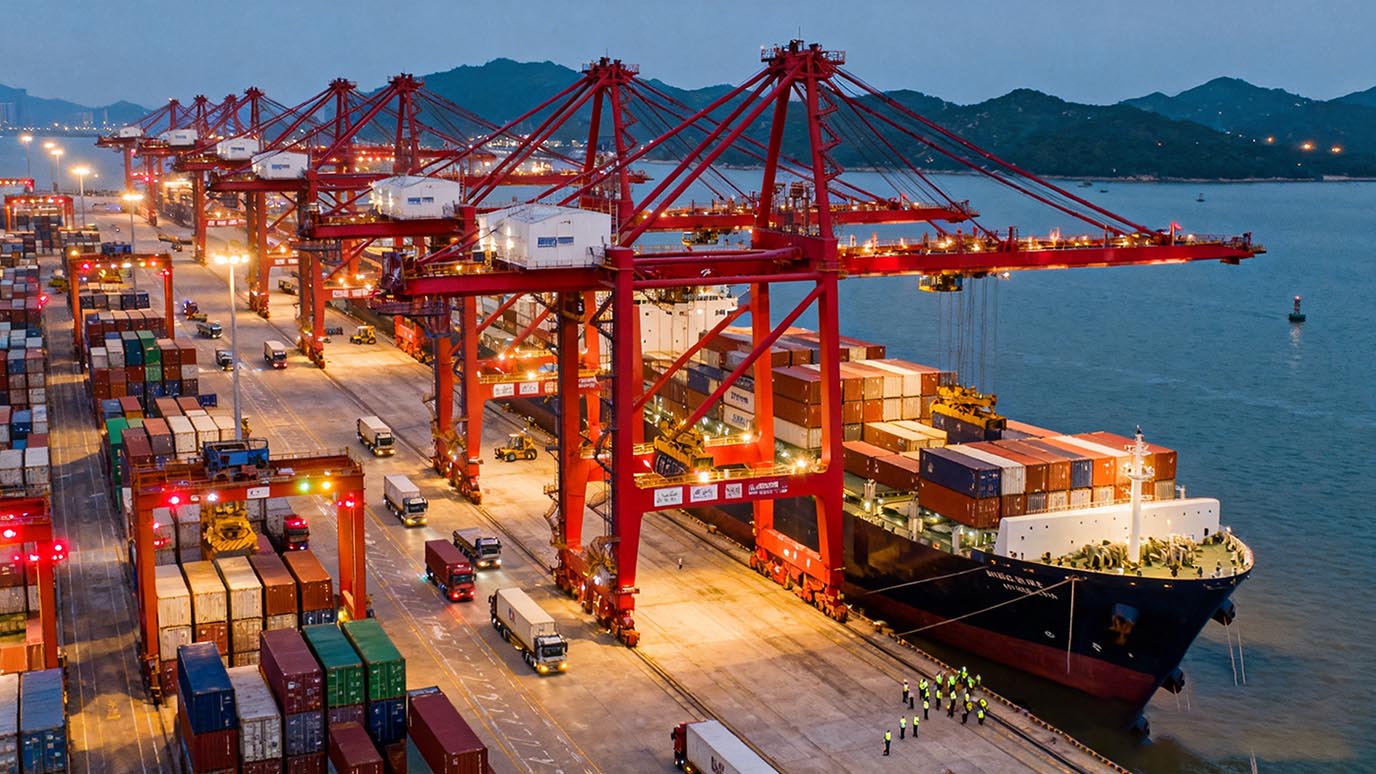
1. Supplier location: Suppliers near major ports (e.g., Guangzhou/Shenzhen) adapt quicker due to streamlined logistics
2. Factory technology: Tech-savvy factories using ERP systems track modifications more efficiently
3. Seasonal factors: Seasonal peaks (like Chinese New Year) may limit last-minute change options
4. Order complexity: Simple changes process faster than complex structural modifications
Key Insight: Suppliers near ports adapt quicker due to streamlined logistics networks.
Elements That Cannot Be Modified Last-Minute
Understanding Hard Limits
While flexibility exists, there are practical boundaries. Understanding these limits helps you plan better and avoid frustration.
Design elements that become difficult or impossible to change once production begins:
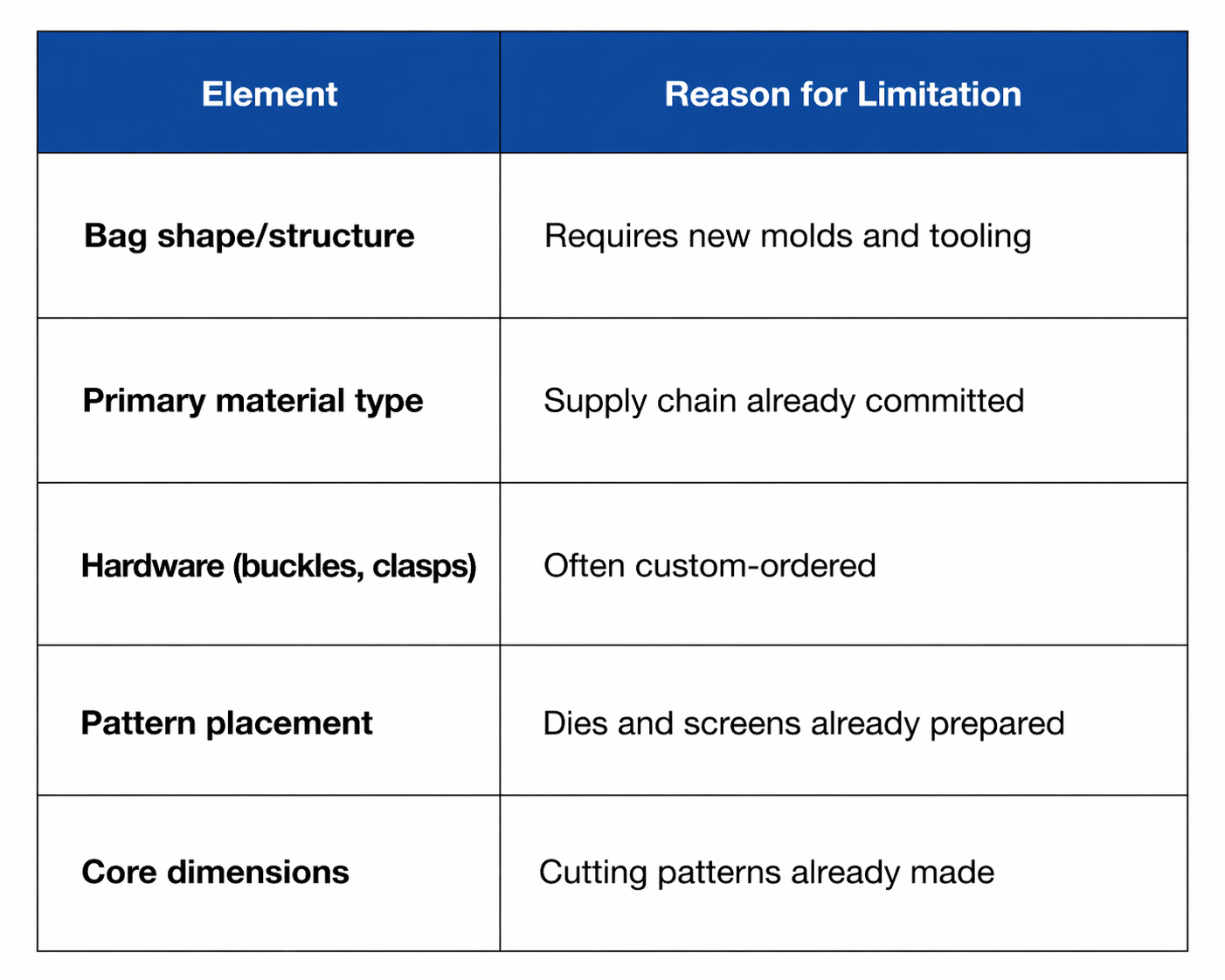
Key Insight: Eco-friendly material swaps (e.g., vegan leather) are easier to modify than hardware/structural changes.
Strategic Workarounds
If you anticipate needing flexibility in these areas:
Negotiate upfront: Discuss potential changes before signing contracts
Work with local agents: They can negotiate design changes more effectively than direct buyers
Choose suppliers with in-house design teams: They offer smoother revisions than those outsourcing to studios
Key Insight: Local agents in China can negotiate design changes more effectively than direct buyers.
Sample Timeline for Small Orders with Design Changes
Recommended Process Flow
Here’s a practical timeline you can use as a reference when placing orders with potential design modifications:
Week 1: Initial inquiry & quote
↓
Week 2: Design confirmation & sample request
↓
Week 3: Sample review & approval
↓
Week 4: Pre-production check (LAST CHANCE for major changes)
↓
Week 5-6: Production phase
↓
Week 7: Quality inspection & packaging
↓
Week 8: Shipping & delivery
Key Insight: Sample approval processes should include clear revision timelines to avoid delays.
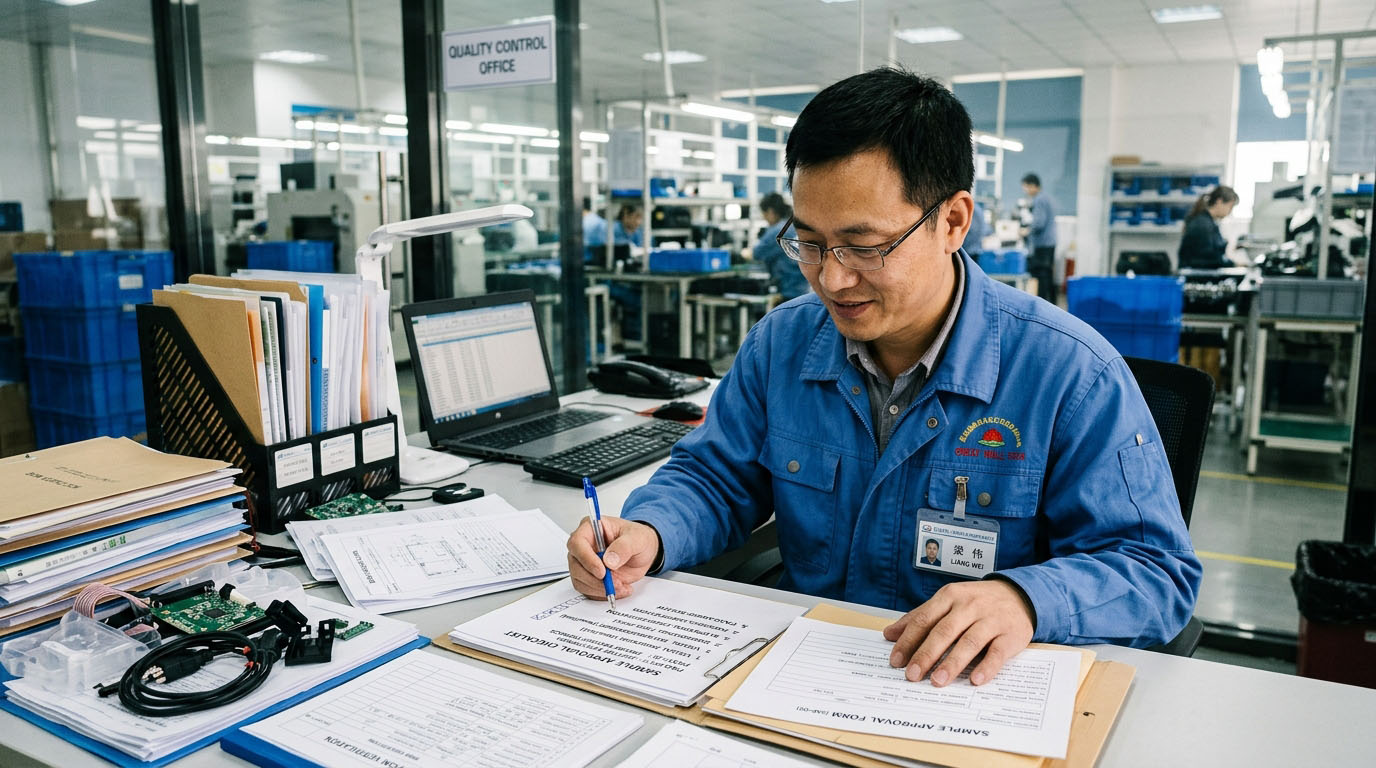
Best Practice: The Written Approval Process
Protect yourself by implementing a formal approval workflow:
1. Confirm the final design in writing before production begins
2. Request photos or a pre-production sample for verification
3. State clearly that any changes after approval need your confirmation and may affect price or lead time
4. Keep changes minimal if your order is under the factory’s minimum quantity
Questions to Ask Your Supplier Before Ordering
Essential Questions Checklist
Before placing any order, make sure you get clear answers to these critical questions:
Can you accept design changes after sample approval?
What stage becomes “final” for the design?
Are changes possible for logo, color, material, size, zipper, or packaging?
Is there an extra fee for revisions on small MOQ orders?
What is your cutoff time before production starts?
What is your policy on changes after deposit payment?
Key Insight: Payment terms (e.g., 30% deposit) often lock in design specs—confirm flexibility upfront.
Sample Message to Send Suppliers
Want to get clear answers fast? Try sending this message:
“Can you accommodate last-minute design changes for small orders? Please tell me until what stage changes are allowed, which parts can be changed, and whether there will be extra cost or delay.”
This direct approach demonstrates professionalism and gets you the information you need quickly.
Emerging Technologies and Trends
Innovations Changing the Game
The manufacturing landscape is evolving rapidly. Here are some exciting developments that are making design changes easier:
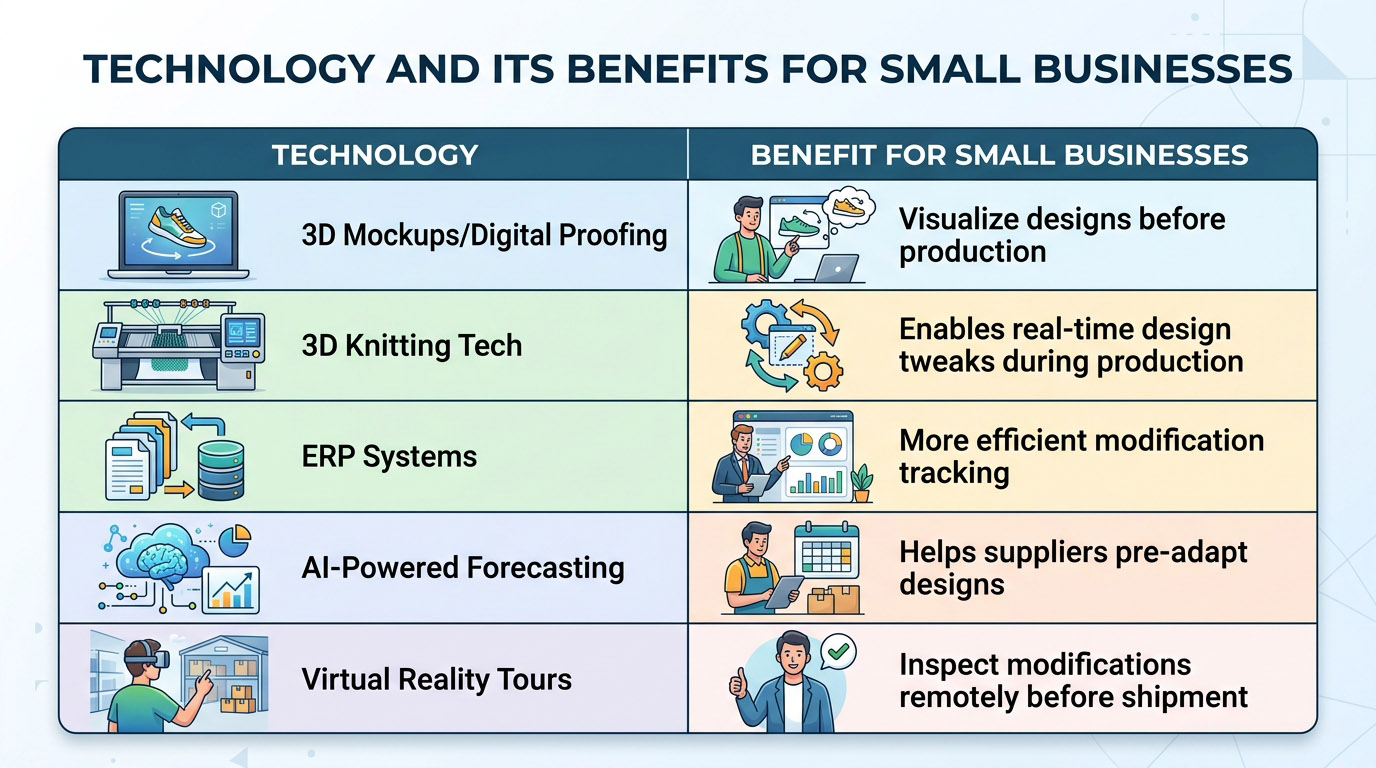
Key Insight: Micro-factories using 3D knitting tech enable real-time design tweaks during production.
Key Insight: Virtual reality (VR) factory tours allow buyers to inspect modifications remotely before shipment.
Future Considerations
Some suppliers are now offering innovative solutions like:
“Design change insurance” for unpredictable small-order adjustments
Blockchain-backed contracts to automate design-change approvals
AI-powered trend forecasting tools to help suppliers pre-adapt designs
Key Insight: Some suppliers now offer “design change insurance” for unpredictable small-order adjustments.
Key Insight: Blockchain-backed contracts are emerging to automate design-change approvals with suppliers.
Special Considerations for Small Orders
Navigating Low MOQ Challenges
Small orders come with unique considerations when it comes to design flexibility:
What works in your favor:
Many factories now support low-MOQ or mixed-style orders
This makes testing new designs easier for small businesses
Some suppliers allow design modifications even for 50-100 units
Key Insight: MOQ (Minimum Order Quantity) policies vary—some factories allow design modifications even for 50-100 units.
Challenges to be aware of:
Higher per-unit costs may limit your negotiation power
Less room for error in design specifications
Suppliers may be less flexible due to lower profit margins
Tips for Maximizing Flexibility
1. Build relationships with suppliers over multiple orders
2. Order samples first to test design concepts
3. Be transparent about your business size and growth potential
4. Consider consolidated shipping to offset higher per-unit costs
Conclusion: Your Action Plan
Key Takeaways
Managing last-minute design changes when sourcing bags from China requires a strategic approach. Here’s your action plan:
1. Communicate early and often — Don’t wait until production has started to request changes
2. Get everything in writing — Email and WeChat documentation protects both parties
3. Understand the cost implications — Minor changes are manageable; structural changes are expensive
4. Plan for timeline adjustments — Build buffer time into your production schedule
5. Know your supplier — Choose partners with the technology and flexibility to support your needs
Final Thoughts
Success in the competitive bag market requires agility. By understanding how to work effectively with Chinese suppliers on design changes, you position your business to respond quickly to market demands, customer feedback, and emerging trends—all while maintaining quality and controlling costs.
Ready to take the next step? Start reaching out to suppliers today with the questions outlined in this guide. Building strong supplier relationships takes time, but the investment pays dividends in flexibility, reliability, and ultimately, your bottom line.
Post time: Apr-22-2026