
The Complete Guide to Sourcing Artisanal Bags from China: A Professional Framework for Quality Verification and Supplier Selection
Introduction: Why Craftsmanship Quality Matters in Modern Bag Sourcing
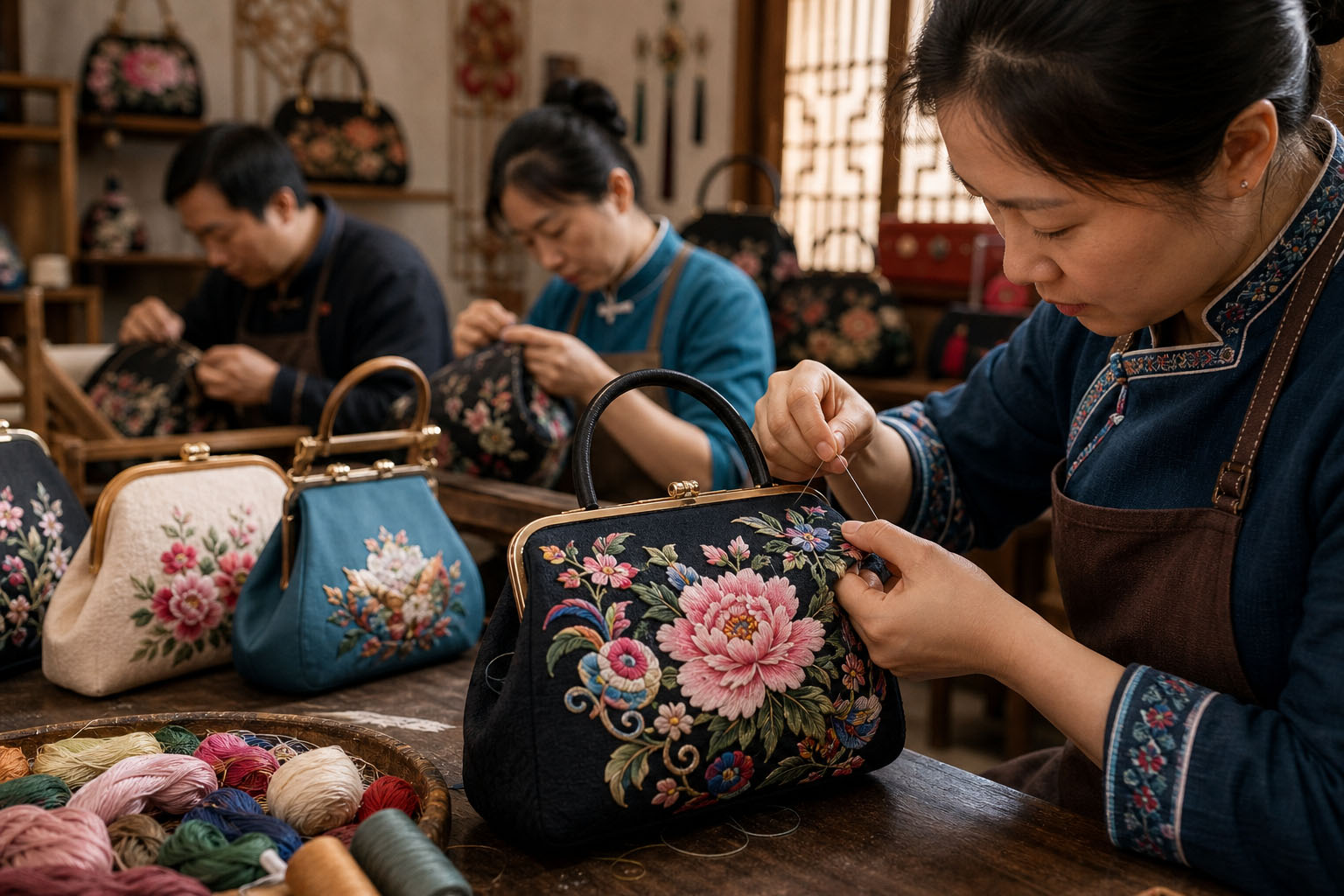
In today’s competitive global marketplace, foreign buyers increasingly recognize that the true value of a bag lies not merely in its materials, but in the artisan craftsmanship that transforms those materials into objects of lasting beauty and utility. This shift in buyer priorities represents a fundamental change in how the bags industry operates—where verified skill, heritage techniques, and hands-on experience have become the primary differentiators between products that command premium prices and those that fade into commoditized obscurity.
For small business owners selling bags online, understanding how to source and verify genuine artisanal craftsmanship from China has evolved from a nice-to-have knowledge into an absolute business necessity. Your customers—whether they are searching for hand-embroidered leather totes, intricately knotted pouches, or bags featuring traditional metal hardware—are making purchasing decisions based on perceived quality and authenticity. They want evidence that the bags they buy carry the genuine touch of skilled hands, not just the aesthetic appearance of traditional styles produced by automated machinery.
This comprehensive guide addresses the most critical questions that online bag sellers face when sourcing from Chinese artisan workshops: How can you verify that an artisan truly possesses the qualifications they claim? What cost differences should you expect between traditional craftsmanship and mass production? How do you establish quality control processes that ensure consistent standards across orders? And what minimum order quantities and production timelines should you plan for when working with traditional craft workshops?
By the end of this article, you will have a clear roadmap for navigating the complex landscape of Chinese artisan manufacturing, enabling you to make informed decisions that protect your business reputation while delivering exceptional products to your customers.
Section 1: Understanding the Foundation of Artisanal Craftsmanship in China
The Heritage of Traditional Chinese Bag Making
China’s bag manufacturing industry encompasses far more than simple production facilities. Within the country’s diverse regional landscape, specialized craft clusters have developed over centuries, each cultivating unique techniques and traditions that have been passed down through generations of artisans. These concentrated areas of specialized skill represent the backbone of China’s artisanal bag manufacturing sector and offer foreign buyers access to genuine traditional craftsmanship that cannot be replicated elsewhere.
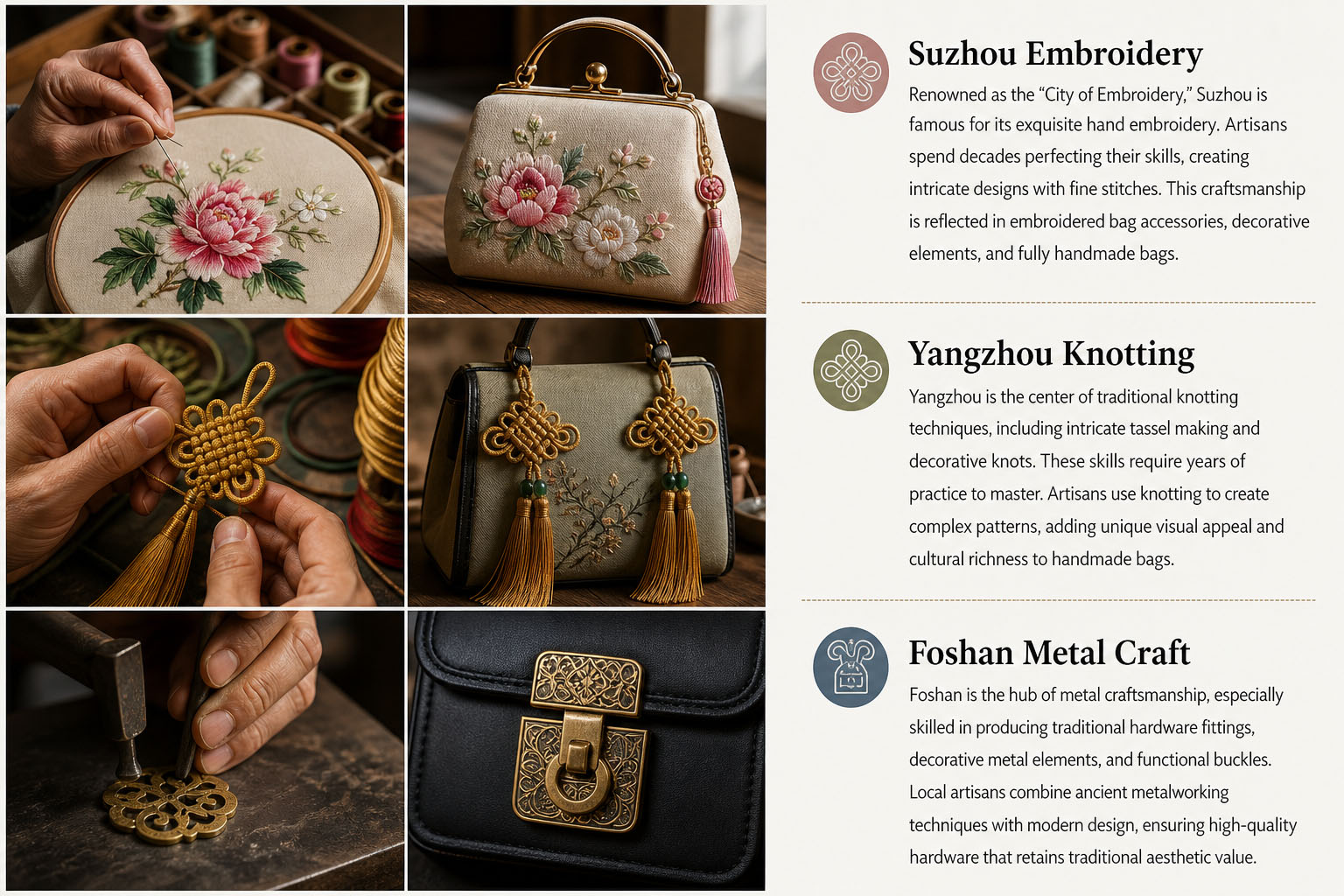
Three major craft clusters have emerged as the primary sources for specific traditional techniques that foreign buyers consistently seek:
Suzhou has long been recognized as China’s embroidery capital, producing hand-embroidered pieces of extraordinary detail and complexity. The region’s artisans typically train for decades before mastering the delicate techniques required for fine embroidery work, and this expertise naturally extends to the production of hand-embroidered bag components, decorative elements, and full artisanal bag designs.
Yangzhou has established itself as the center for traditional knotting techniques, including intricate macramé work and decorative knot closures that require years of practice to execute properly. Artisans working in this region develop specialized skills in creating complex patterns through knot manipulation, resulting in distinctive bag features that carry significant visual appeal and cultural authenticity.
Foshan represents the hub for metal craftsmanship traditions, particularly in the production of traditional hardware components, decorative metal elements, and functional metal closures. The region’s artisans combine ancient metalworking techniques with contemporary design sensibilities, producing hardware that meets modern quality standards while maintaining traditional aesthetic values.
The Realities of Artisan Experience and Training
When evaluating potential suppliers for artisanal bags, one of the most important metrics to assess is the actual hands-on experience of the craftspeople who will be working on your products. Chinese suppliers specializing in traditional embroidery, knotting, and metalwork typically employ artisans with 10 to 25 years of dedicated experience in their specific craft disciplines. This extensive training period reflects the reality that genuine traditional techniques cannot be mastered quickly—the skills required for consistent, high-quality output demand years of patient practice under the guidance of master craftsmen.
This depth of experience manifests in the tangible quality of the finished products. Artisans with extensive training backgrounds produce work with superior stitch density consistency, more secure knot tension, and more precise metal joining than those with shorter training periods. When you receive samples from potential suppliers, the evidence of this experience becomes visible in the evenness of embroidery tension, the symmetry of decorative knotting, and the security of metal hardware attachments.
Section 2: How to Verify Artisan Qualifications and Craftsmanship Skills
Documentation-Based Verification Methods
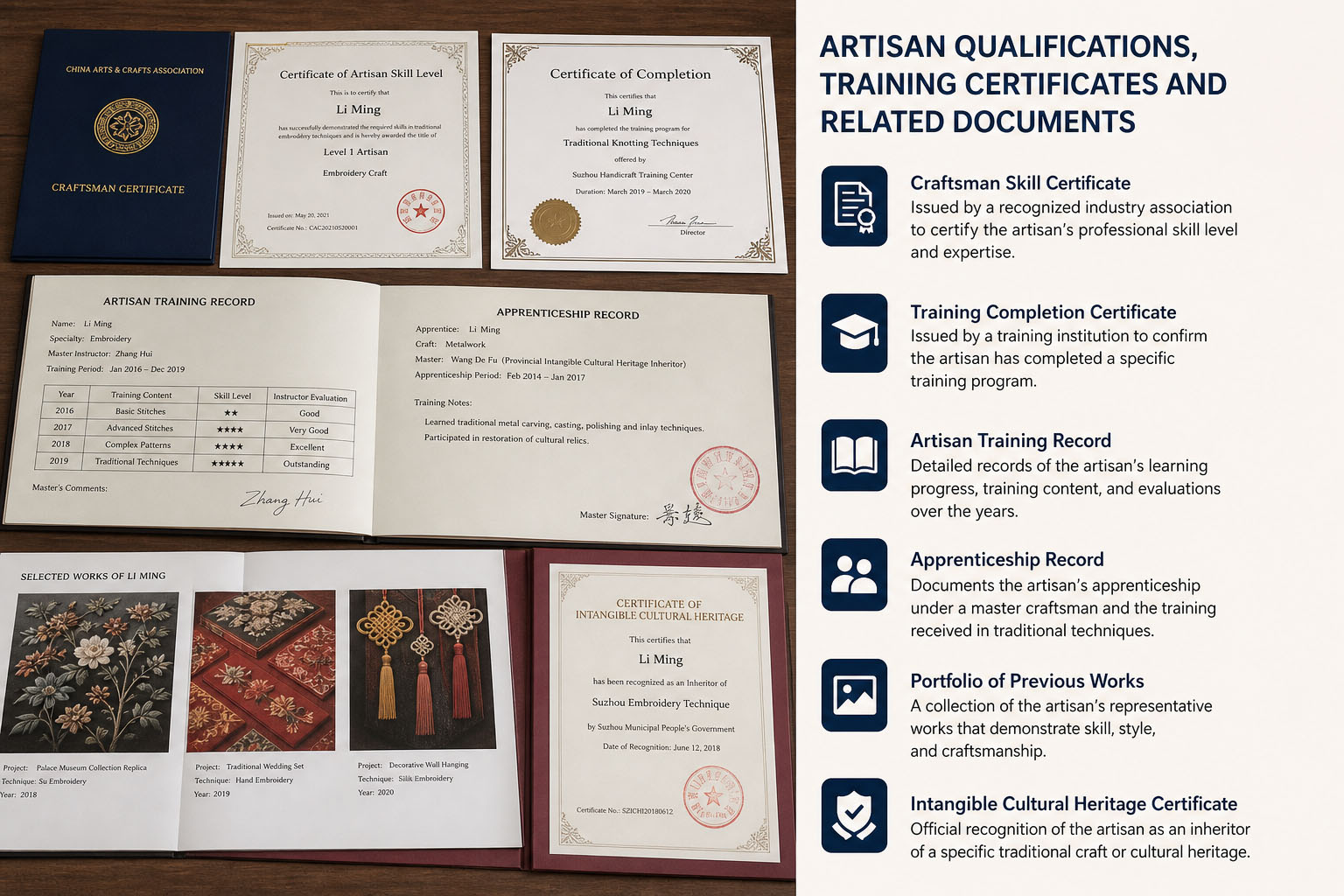
The first line of defense in verifying artisan qualifications involves examining the documentation that suppliers can provide regarding their craftspeople’s training and credentials. This documentation serves as the primary verification mechanism for foreign buyers assessing craftsmanship qualifications, and reputable suppliers should be able to provide evidence of their artisans’ backgrounds without hesitation.
Key documentation to request includes:
Training records that detail the specific programs or apprenticeships through which artisans developed their skills. Legitimate workshops maintain records of their artisans’ training progression, often showing progression from basic skills to advanced techniques over multi-year periods.
Skill certifications from recognized craft associations, regional heritage organizations, or master craft recognition programs. In China, various government and industry bodies award certifications that validate artisans’ abilities in traditional techniques, and these credentials provide independent verification of skill levels.
Heritage training records that connect artisans to established craft traditions, particularly important for suppliers claiming connection to specific regional craft specialties. These records help establish the authenticity of a supplier’s claimed craft heritage.
Portfolio documentation showing previous work, particularly examples that demonstrate expertise in the specific techniques relevant to your product requirements.
Visual and Physical Verification Through Sampling
Documentation alone cannot fully verify craftsmanship quality—physical evidence through systematic sampling provides the most reliable assessment of what a supplier can actually deliver on production orders.
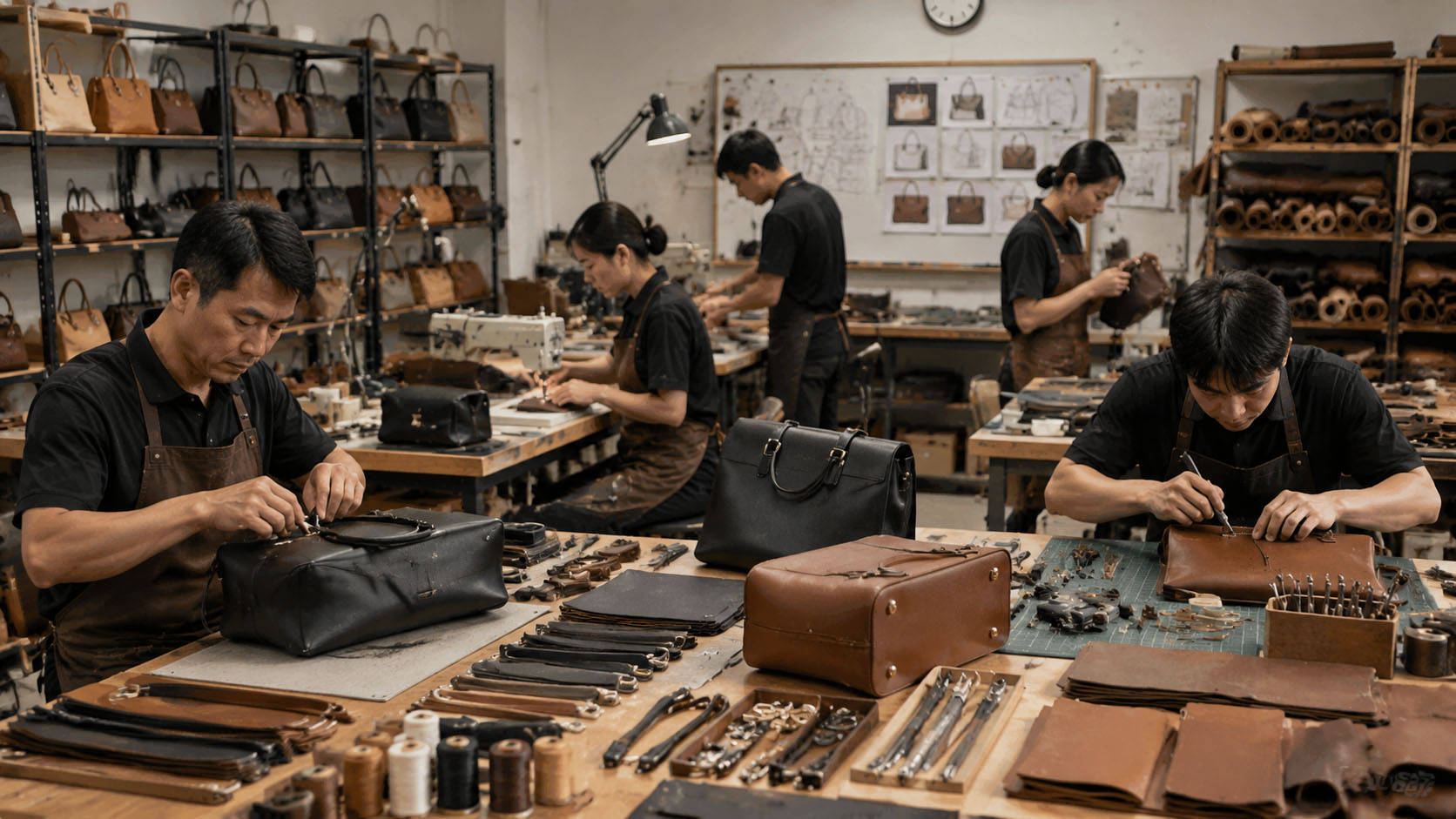
Request process photographs and videos that show artisans actively working on techniques relevant to your products. Authentic suppliers will be willing to share visual evidence of their production processes, including close-up footage of embroidery work, knotting operations, and metal fabrication. Watch for consistent evidence of hand-work versus automated processes, and pay attention to the settings and environments shown in any video footage—legitimate artisan workshops typically operate in environments that reflect traditional craft production.
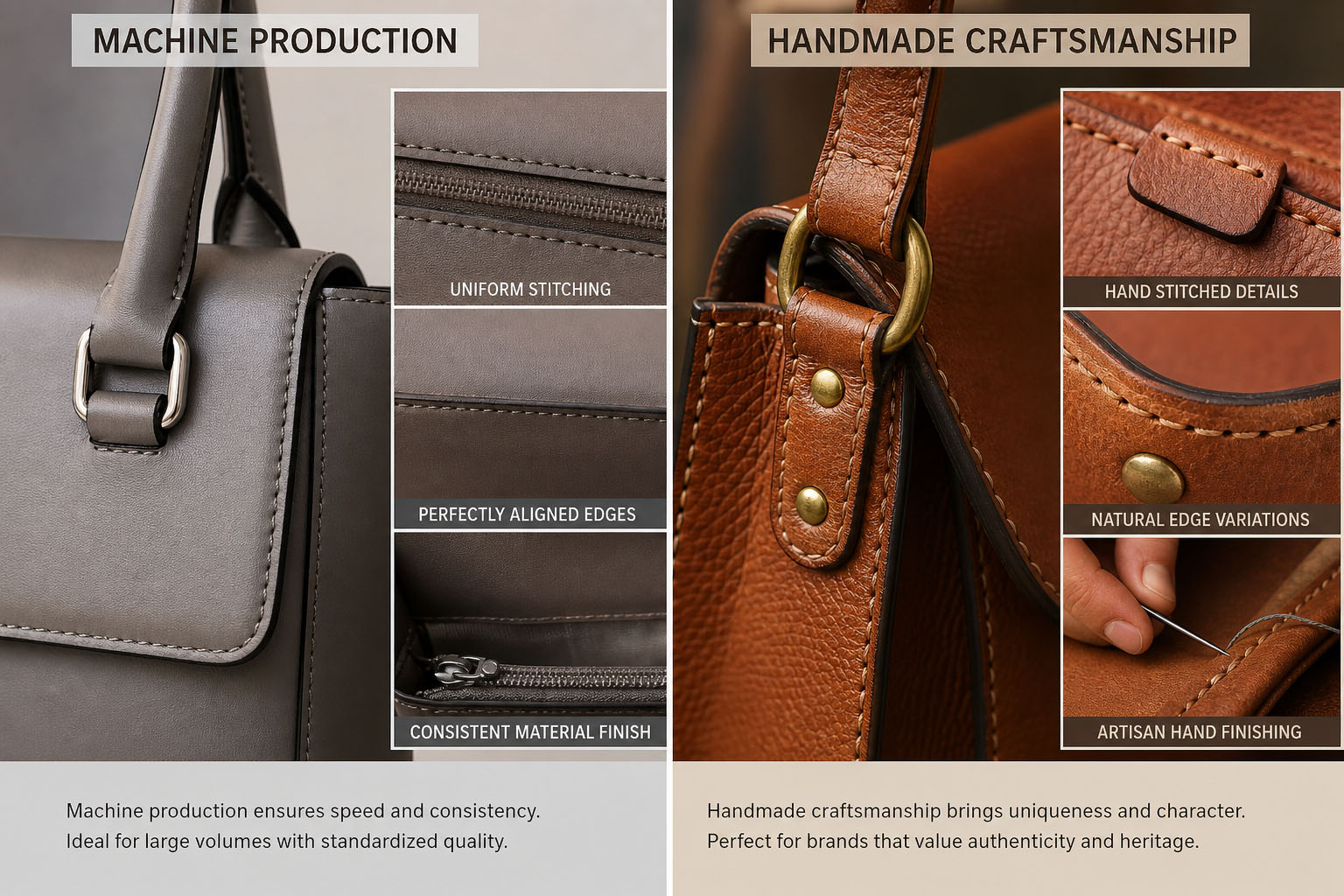
Order samples from multiple suppliers before committing to any single partnership. For small businesses, ordering one sample from each shortlisted supplier allows for direct comparison of craftsmanship quality, durability, finishing, and packaging standards. Examine samples not just for immediate visual appeal but for the subtle indicators of genuine hand-crafted quality: slight variations in stitching that confirm hand-work, irregularities in knot patterns that indicate traditional techniques, and metal components with the weight and finish that comes from genuine metalworking.
Direct Communication During Sampling Phases
One of the most effective verification strategies involves direct communication with master craftsmen during the sampling phase. This approach significantly improves final product accuracy and buyer satisfaction because it establishes relationships that continue through production.
When engaging with potential suppliers, request the opportunity to communicate directly with the master artisans who will be working on your products. This communication serves multiple purposes: it allows you to discuss specific quality requirements in technical detail, it provides insight into the artisan’s actual expertise through their responses to your questions, and it establishes expectations that carry forward into production.
Pay attention to how suppliers respond to technical questions about processes and techniques. Artisans with genuine expertise will be able to explain not just what they produce but how they produce it—the specific stitch patterns they use, the tension standards they maintain, the techniques they employ for metal joining. Suppliers who can only speak in general marketing language without technical depth may be intermediaries rather than actual manufacturers.
Section 3: Understanding the Cost Comparison Between Traditional Craftsmanship and Mass Production
The Reality of Skill-Based Pricing
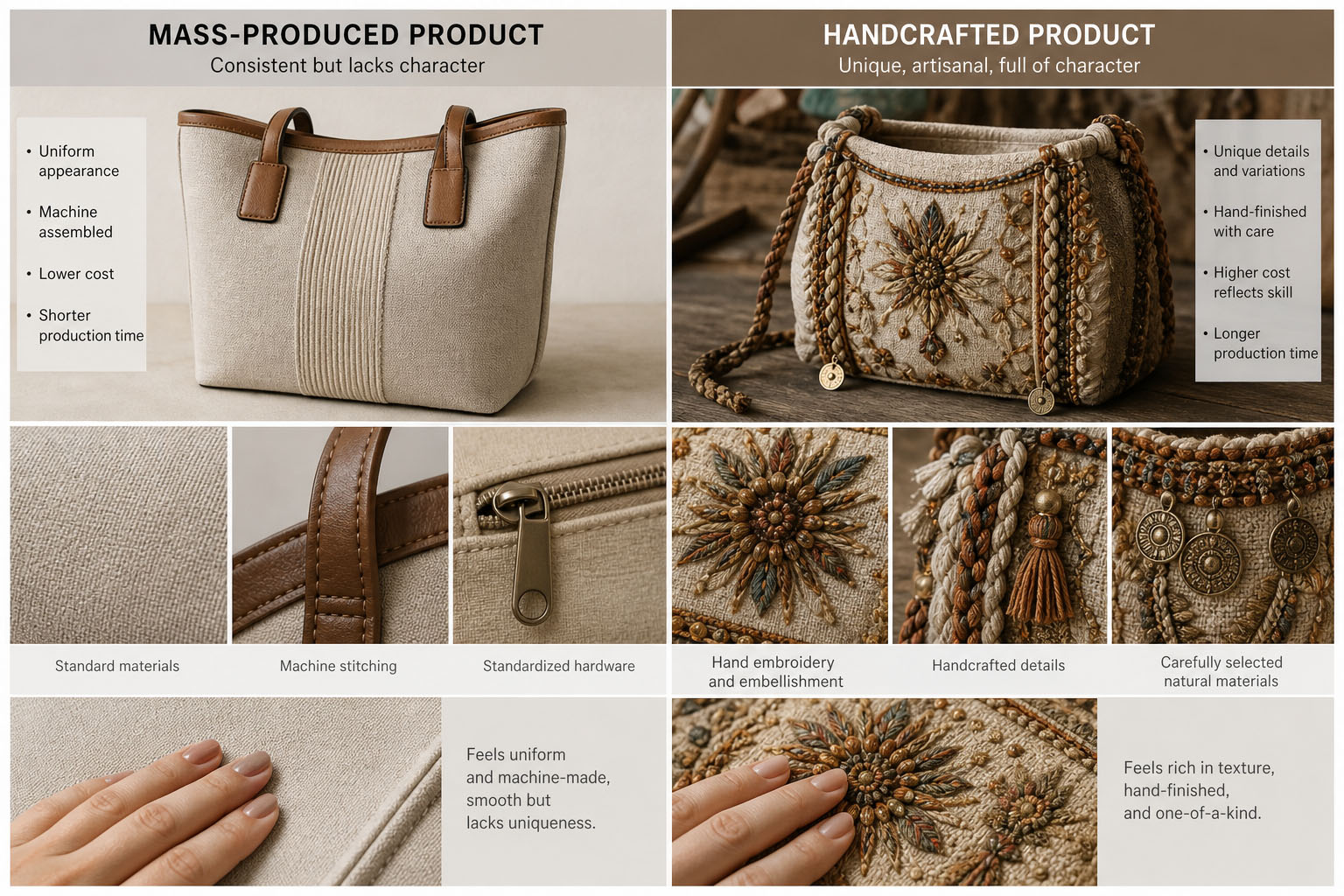
When evaluating quotes from artisanal suppliers, you should expect significant price differentials compared to mass-produced alternatives. Research indicates that price differentials of 35% to 120% between mass-produced and traditionally crafted bags reflect genuine skill-based cost variations rather than arbitrary premium pricing. Understanding what drives these differences helps you make informed sourcing decisions and appropriately position your products in the market.
The higher costs associated with traditional craftsmanship derive from several interconnected factors:
Labor intensity represents the most obvious cost driver. Hand-finishing processes for traditional techniques like embroidery, knotting, and metal detailing require substantially more labor time than automated production. Research shows that hand-finishing processes for traditional techniques require 40% to 70% longer production timelines compared to standard manufacturing methods, and this extended time translates directly into higher labor costs.
Skill premiums reflect the market value of artisans with extensive training and experience. Master craftspeople command compensation that reflects their rare abilities, and this premium flows through to the cost of products they produce. When you pay for genuinely artisanal products, you are paying for access to skills that cannot be replicated by standard manufacturing processes.
Material waste considerations affect pricing for hand-crafted items. Traditional techniques often involve higher waste rates than automated processes because artisans work with natural materials that may have inconsistencies. Skilled artisans learn to work around these variations, but this flexibility comes at a cost.
Quality-based selection means that hand-crafted items typically undergo more rigorous quality evaluation during production, with items that do not meet standards being rejected or reworked. This careful attention to quality adds to production costs but ensures that only items meeting your standards reach customers.
Evaluating Whether Premium Pricing Makes Sense for Your Business
Before committing to artisanal sourcing, evaluate whether the premium pricing aligns with your business model and market positioning. Consider:
Your target market’s willingness to pay for genuinely artisanal products. Premium positioning requires customers who value craftsmanship and are willing to pay for it—evaluate whether your customer base matches this profile.
Your margin requirements given the higher cost of goods. Artisanal products should command higher retail prices, but you need to verify that the pricing delta between cost and retail leaves adequate margin for your business needs.
Your differentiation strategy in a crowded market. Artisanal products offer genuine differentiation that mass-produced alternatives cannot match—if differentiation is a key part of your competitive strategy, the premium pricing may be justified by the unique value you can offer customers.
Your order volume and frequency relative to artisan availability. The pricing advantages of artisanal production often improve with relationship continuity, so consider how your ordering patterns will evolve over time.
Section 4: Quality Control Processes for Ensuring Consistent Craftsmanship Standards
Understanding the Unique Challenges of Artisanal Quality Control
Quality control in artisanal manufacturing presents distinct challenges compared to standardized factory production. The nature of hand-crafted work means that some variation is inherent in the production process—genuine traditional craftsmanship produces items with subtle differences that confirm their handmade origins. The challenge lies in distinguishing between acceptable variation that reflects authentic craftsmanship and problematic deviation that indicates quality control failures.
Effective quality control for artisanal bags must balance two considerations: ensuring that products meet minimum quality standards while accepting that hand-crafted items will naturally differ from each other in minor ways that do not affect functionality or overall appearance.
Specific Assessment Metrics for Traditional Techniques
Quality control protocols that focus on specific, measurable characteristics provide the most reliable assessment of craftsmanship quality. When evaluating artisanal bags, concentrate on these key metrics:
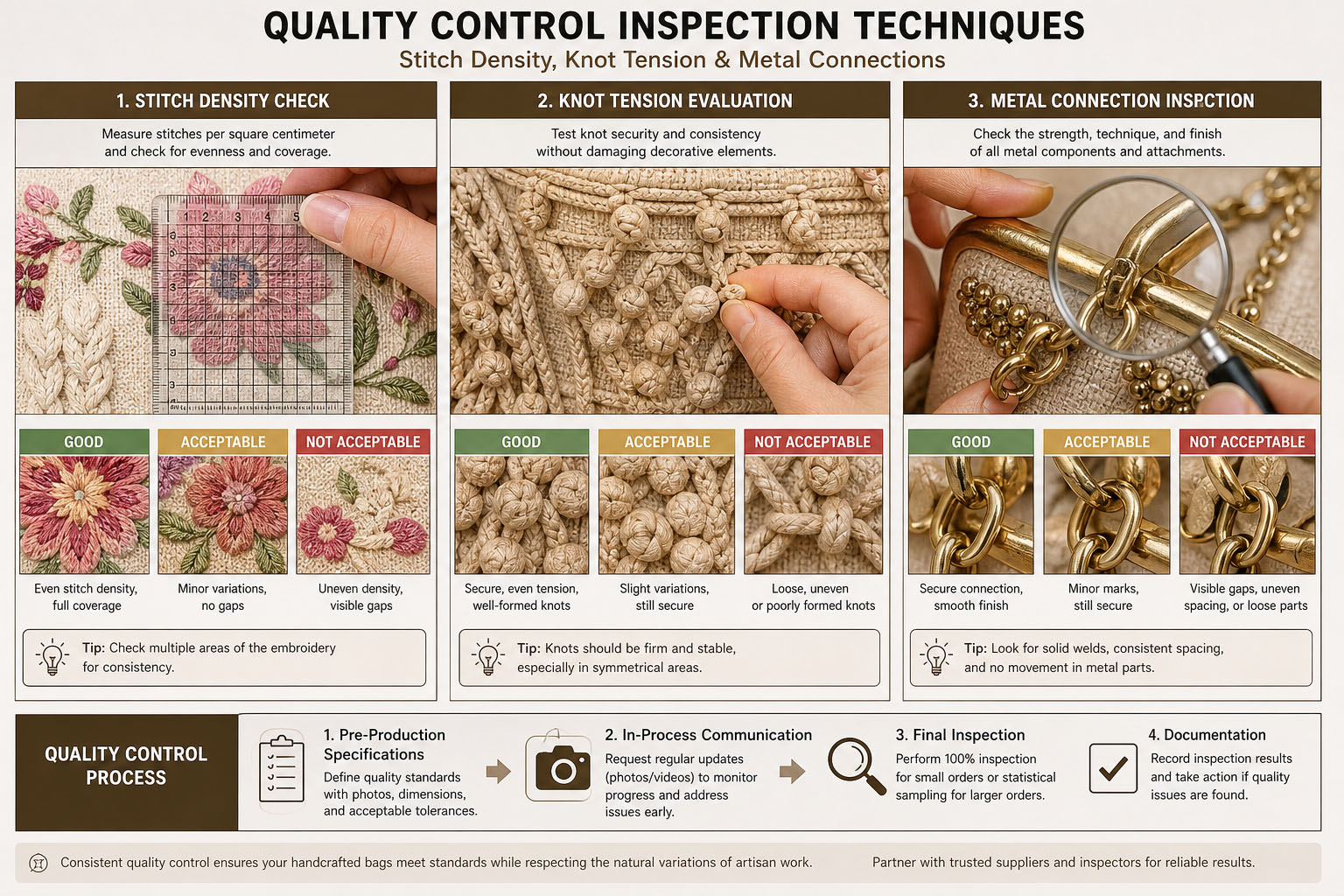
Stitch density assessment for embroidery work involves examining the number and consistency of stitches per square centimeter, the uniformity of tension across the embroidered area, and the absence of gaps or unevenness in coverage. Professional quality control requires examining multiple points across any embroidered surface to identify patterns of consistency or inconsistency.
Knot tension evaluation for knotted elements involves testing the security and consistency of knot work without damaging the decorative elements. Well-crafted knots should feel firm and stable, with consistent tension across symmetrical elements. Loose or inconsistent knotting indicates either inadequate artisan skill or quality control failures.
Metal joining assessment for hardware and metal components involves examining the security of all metal attachments, the quality of any joining techniques used (soldering, welding, mechanical fastening), and the finish consistency across metal elements. Poor metal joining often becomes apparent through visible gaps, irregular spacing, or components that feel loose or wobbly.
Building Your Quality Control Framework
For small businesses working with artisan suppliers, developing a systematic quality control approach requires establishing clear expectations before orders and implementing effective inspection processes upon receipt.
Pre-production specification involves creating detailed documentation of your quality requirements, including photographs showing acceptable and unacceptable variations, written specifications for key measurements and characteristics, and clear communication of the consequences of quality failures. Provide this documentation to suppliers before production begins so they understand exactly what you expect.
During-production communication means maintaining regular contact with suppliers during production runs to identify potential quality issues before they become widespread. For longer production runs, request periodic photographs or video updates showing progress, which allows you to address emerging problems before significant quantities of defective product are produced.
Final inspection protocols should be established before orders ship. Determine your inspection sampling rate (for smaller orders, 100% inspection may be practical; for larger orders, establish a statistically valid sampling plan), identify the specific characteristics you will check, and document your findings. Building relationships with third-party inspection services in China can provide professional quality assessment if internal inspection is not feasible.
Section 5: Minimum Order Quantities and Production Timelines for Artisan Workshops
Understanding MOQ Dynamics in Artisanal Manufacturing
Artisan workshops typically operate under different economics than standard factories, which affects their minimum order requirements and production scheduling. The nature of skilled labor deployment in artisanal production means that workshops must carefully manage their capacity to ensure that available artisan time is used efficiently.
Research indicates that small-batch orders of 50 to 200 units from artisan workshops often offer better quality control than large-scale production runs. This counter-intuitive finding reflects the practical realities of artisanal manufacturing: smaller orders can receive dedicated attention from skilled artisans without the pressures that come from overwhelming production volume, and quality issues can be identified and addressed more easily when quantities are manageable.
Establishing Realistic Production Timelines
Production timelines for artisan-manufactured bags must account for several factors that affect standard manufacturing schedules:
Artisan scheduling represents the most significant timeline variable. Seasonal demand fluctuations impact artisan availability significantly, with peak periods requiring 8 to 12 weeks of advance booking to secure artisan capacity. During Chinese New Year and other major holidays, production may halt entirely for extended periods, requiring careful advance planning to avoid timeline disruptions.
Hand-finishing time inherently extends production compared to automated manufacturing. When evaluating production timelines from suppliers, confirm that they have accounted for the extended time required for hand-finishing processes—some suppliers quote timelines based on machine production rates and then add arbitrary allowances for hand work, which can result in unrealistic scheduling.
Quality control time for artisanal products includes both in-process inspection and final quality verification. Build adequate time into your production schedules for thorough quality checking, particularly for products with multiple artisanal components that each require individual inspection.
Sample iteration time should be factored into your overall timeline if you require sample approval before production proceeds. The sampling phase often requires multiple iterations to achieve satisfactory results, and each iteration adds time to the overall process.
Planning Your Production Schedule
For small businesses working with artisan workshops, effective planning involves:
Booking artisan capacity well in advance, particularly for orders that must meet specific seasonal sales windows. When you identify reliable suppliers, establish forward-looking communication about your anticipated order volumes so they can plan their capacity accordingly.
Building buffer time into all schedules to account for unexpected delays. Artisanal production inherently involves more variability than standard manufacturing, and schedules that appear tight may become impossible if any issues arise.
Understanding supplier lead times for different order sizes and complexity levels. Request detailed breakdowns of how long each production phase requires so you can plan accurately.
Section 6: Building Long-Term Supplier Relationships for Ongoing Success
The Strategic Value of Partnership Development
Long-term supplier relationships yield significant advantages for consistent buyers seeking artisanal products. Research consistently shows that long-term partnerships yield improved customization capabilities and preferential pricing for consistent buyers—benefits that compound over time as your relationship with suppliers deepens.
When suppliers know you as a reliable, long-term customer, they become more willing to invest in understanding your specific requirements, more flexible in accommodating unusual requests, and more transparent about challenges that arise during production. This relationship value extends beyond any single transaction and creates a foundation for sustainable sourcing success.
Strategies for Relationship Development
Building strong supplier relationships in the artisanal manufacturing context requires different approaches than typical procurement relationships:
Invest in communication quality by providing detailed, clear feedback on samples and orders. Artisans and workshop managers appreciate detailed information about what you liked and did not like about their work, as this feedback enables them to improve their service to you specifically.
Respect artisan expertise by accepting that artisans possess knowledge about their craft that you may not have. Rather than dictating every detail of production, establish the outcomes you want while allowing artisans the flexibility to apply their expertise in achieving those outcomes. This collaborative approach often produces better results than rigid specification.
Provide reasonable scheduling flexibility by giving suppliers adequate time to produce your orders well. Rushing artisanal production often leads to quality compromises, and suppliers who feel pressured by impossible timelines may prioritize other customers who provide more reasonable expectations.
Share your business direction by communicating about your plans for product development, market expansion, and growth expectations. When suppliers understand your vision, they can proactively suggest opportunities for product development, flag potential supply constraints before they become problems, and position themselves as true partners in your business growth.

Section 7: A Spotlight on Traditional Chinese Craftsmanship — The Example of Tiger Head Bags
Understanding Tiger Head Bags as Cultural Heritage
To fully appreciate the depth of traditional Chinese craftsmanship available through artisan sourcing, consider the example of Tiger Head Bags (虎头包)—a distinctive category of traditional handcrafted bags that represents the intersection of artisanal skill, cultural heritage, and modern market appeal.
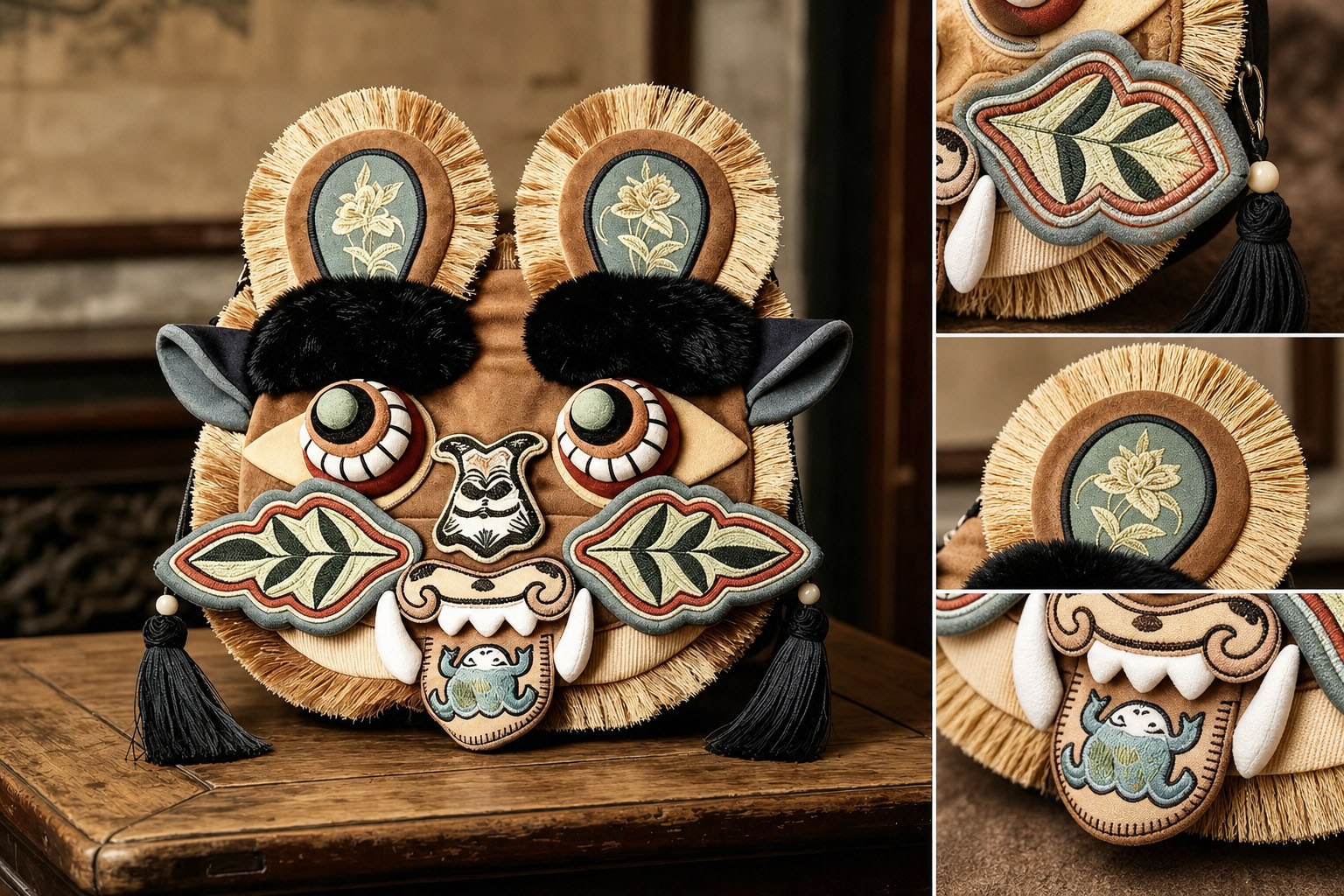
Tiger Head Bags represent a significant element of China’s intangible cultural heritage, embodying traditional handcraft techniques that have been refined over centuries. These bags feature elaborate embroidery work—particularly visible in the characteristic tiger face motifs that give the bags their name—along with traditional knotting and finishing techniques that reflect generations of accumulated skill.
The Guangxi region of China has emerged as a primary source for Tiger Head Bags, where local artisans have preserved and developed the traditional techniques required for their production. The distinctive features of these bags include:
Elaborate hand embroidery creating detailed tiger face motifs using traditional techniques passed down through generations of artisans
Decorative knotting work incorporating traditional patterns that carry cultural significance
Selection of materials and finishing techniques that reflect authentic heritage traditions
Construction methods that prioritize durability and authentic appearance over speed of production
Cultural Significance and Market Positioning
Tiger Head Bags are traditionally given as gifts during Chinese festivals, particularly to children, as expressions of good fortune and protective blessing. This cultural significance provides a powerful marketing angle for sellers targeting consumers interested in authentic cultural products with heritage connections.
The bags represent more than decorative accessories—they carry stories, traditions, and the genuine touch of skilled artisans practicing techniques that have been refined over centuries. For foreign buyers who understand the value that authenticity and cultural depth bring to product offerings, Tiger Head Bags exemplify the kind of craftsmanship that can differentiate an online selling business in competitive markets.
Products featuring traditional Chinese craftsmanship like Tiger Head Bags appeal to consumers who:
Value authentic cultural products over mass-produced alternatives
Appreciate the stories and traditions that handcrafted items carry
Seek meaningful connections to heritage traditions through their purchases
Understand the genuine quality that comes from generations of accumulated skill
Section 8: A Practical Sourcing Strategy for Small Business Bag Sellers
A Step-by-Step Approach to Artisan Supplier Selection
For small business owners ready to begin sourcing artisanal bags from China, a systematic approach helps minimize risk while maximizing the probability of finding suitable suppliers. Based on established best practices, the following strategy provides a practical framework for supplier identification, evaluation, and selection.
Step 1: Shortlist Potential Suppliers
Begin by identifying 3 to 5 potential suppliers who appear to match your requirements for specific artisanal techniques. Use online platforms, trade references, and industry connections to identify candidates, and verify that they operate in the established craft clusters (like Suzhou, Yangzhou, or Foshan) that match your technical requirements.
Step 2: Request Background Information
Before placing any orders, request artisan background information, production process photographs, and sample videos from each supplier on your shortlist. Evaluate the quality and detail of information provided—reputable suppliers with genuine capabilities will be transparent about their operations and eager to demonstrate their expertise.
Step 3: Order Comparative Samples
Order one sample from each supplier remaining on your shortlist. For small businesses, this investment in sampling provides essential information for making informed decisions. Evaluate samples not just for immediate visual appeal but for:
Consistency of stitching and embroidery work
Quality of knotting and decorative elements
Security and finish of metal hardware
Overall construction quality and durability
Packaging and presentation quality
Step 4: Conduct Comparative Analysis
Compare your samples across multiple dimensions:
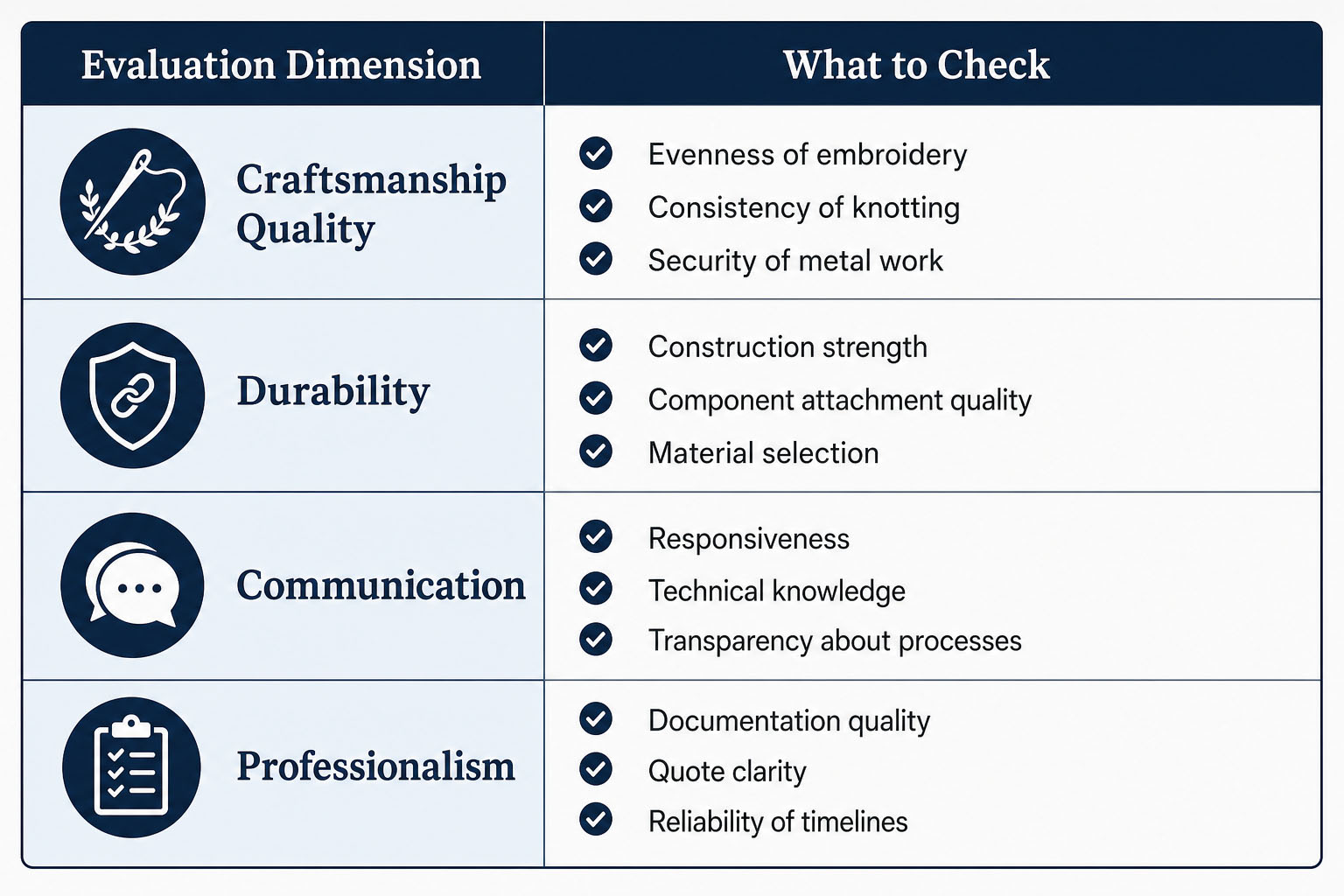
Step 5: Make Your Selection
Choose the supplier with the best combination of skill consistency, communication quality, and operational reliability. Remember that the lowest price rarely represents the best value when artisanal quality is your priority—the supplier who demonstrates superior craftsmanship, responsive communication, and reliable delivery will provide better long-term value despite potentially higher unit costs.

Conclusion: Building Your Artisanal Sourcing Success
Sourcing artisanal bags from China offers small business owners remarkable opportunities to access genuine craftsmanship traditions that differentiate their products in competitive markets. The key to success lies in understanding what drives quality in artisanal manufacturing, establishing effective verification and quality control processes, building relationships that enable ongoing improvement, and positioning your products appropriately to capture the value that authentic craftsmanship provides.
Remember that the strongest signal of genuine quality is not marketing language but repeatable workmanship—even embroidery tension, symmetrical knotting, secure metal fittings, and consistent finishing across multiple samples confirm that a supplier possesses the capabilities they claim. When suppliers can explain their techniques in technical detail, show production evidence that matches your requirements, and consistently deliver samples that meet your standards, you have found partners worthy of long-term collaboration.
The Chinese artisan manufacturing sector offers access to techniques and skills that simply cannot be replicated through mass production—traditional embroidery work refined over decades, knotting techniques preserved through generations of practice, metal craftsmanship that combines heritage methods with contemporary design. By approaching your sourcing strategy with appropriate diligence, realistic expectations, and genuine respect for the artisans whose skills you seek to access, you position your business to offer products that carry authentic value valued by discerning customers.
Your customers are looking for more than bags—they are looking for objects that embody genuine craftsmanship, cultural authenticity, and lasting quality. When you source from suppliers who can deliver these characteristics, you provide value that justifies premium positioning and builds the customer relationships that sustain long-term business success.

Post time: May-20-2026