
Why Payment Security Matters
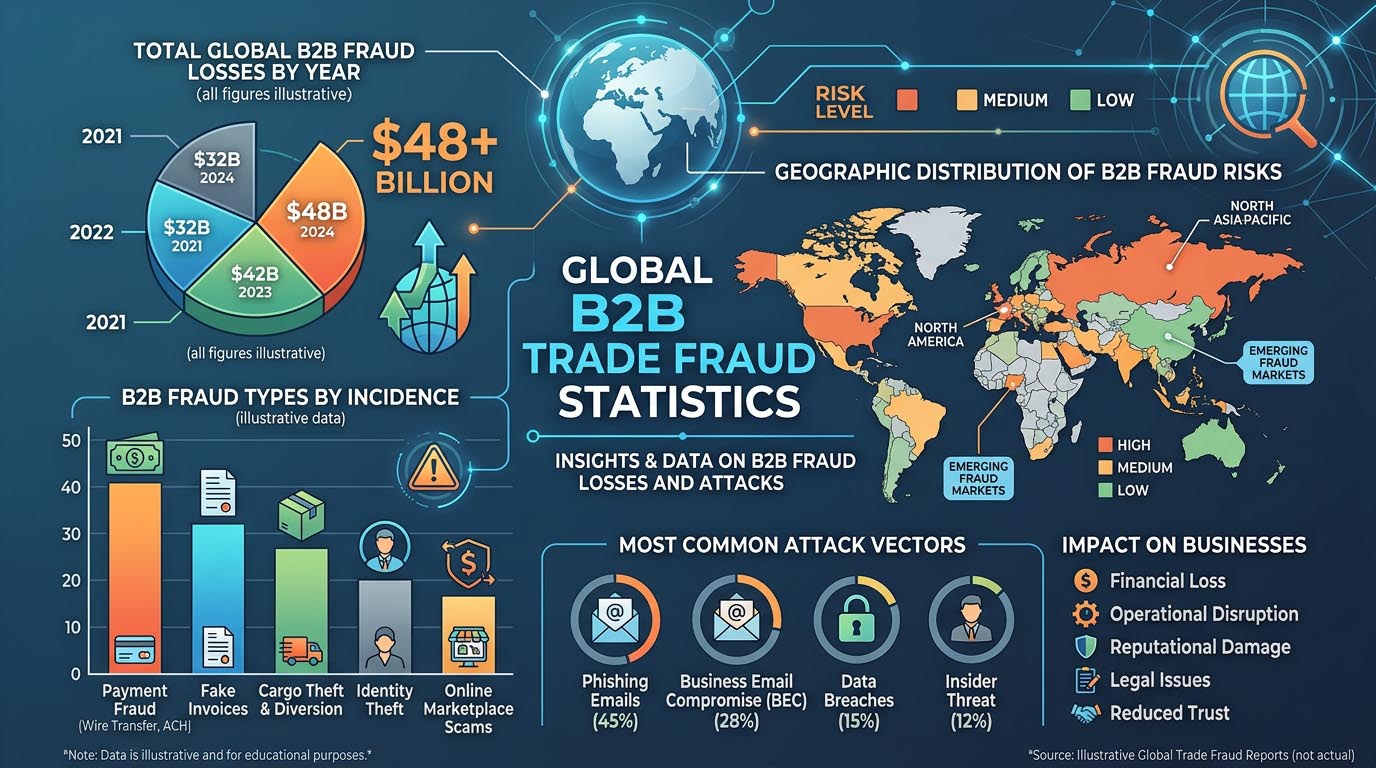
As an independent bag retailer, your sourcing success hinges on secure payments and supplier trust. With 72% of B2B fraud occurring during cross-border transactions (Global Trade Review), selecting the right payment method isn’t just convenient—it’s business-critical. This guide unpacks battle-tested strategies for balancing flexibility, cost, and risk when buying from Chinese bag manufacturers.
Section 1: Payment Methods Accepted by Chinese Bag Suppliers
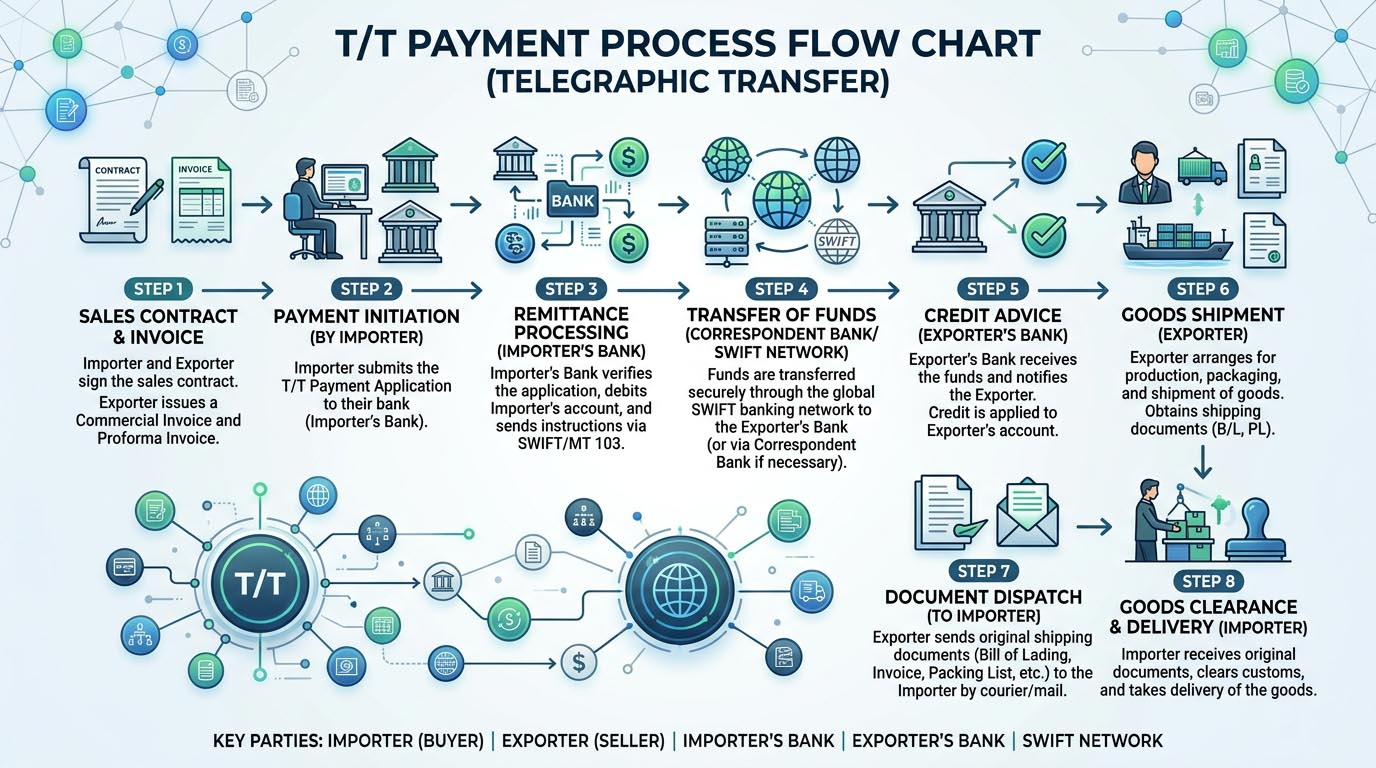
1. Bank Transfer (T/T) – The Industry Standard
How It Works: 30% deposit upfront + 70% balance before shipment.
Best For: Orders >$5,000; established supplier relationships.
Pros: Widely accepted (98% of factories), low fees (0.1% transaction fee).
Cons: Minimal buyer protection if quality issues arise post-payment.
Tip: Always verify supplier bank accounts via Alibaba’s Verified Supplier badges.
2. Alibaba Trade Assurance – First-Time Buyer Safety Net
How It Works: Escrow service holding funds until delivery confirmation.
Best For: Initial orders <$10,000; new suppliers.
Coverage: Quality discrepancies, shipping delays, contract breaches.
“Trade Assurance resolved 89% of disputes within 14 days” – Alibaba 2025 Report.
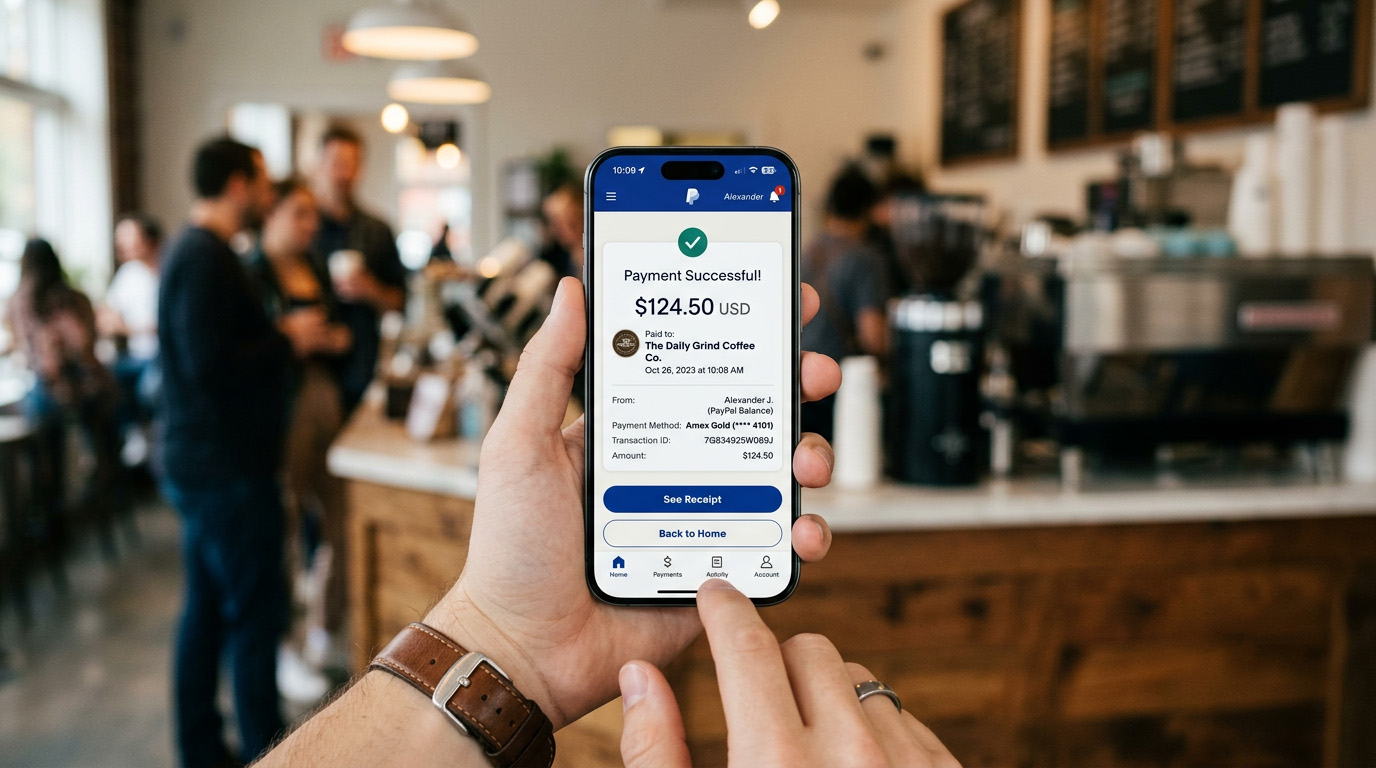
3. PayPal – Small Order Flexibility
How It Works: Full payment via PayPal (supplier absorbs 3.5% fee).
Best For: Samples or orders <$1,000.
Risk Shield: 180-day chargeback window for undelivered/defective goods.
Warning: Only 40% of Chinese factories accept PayPal due to fees.
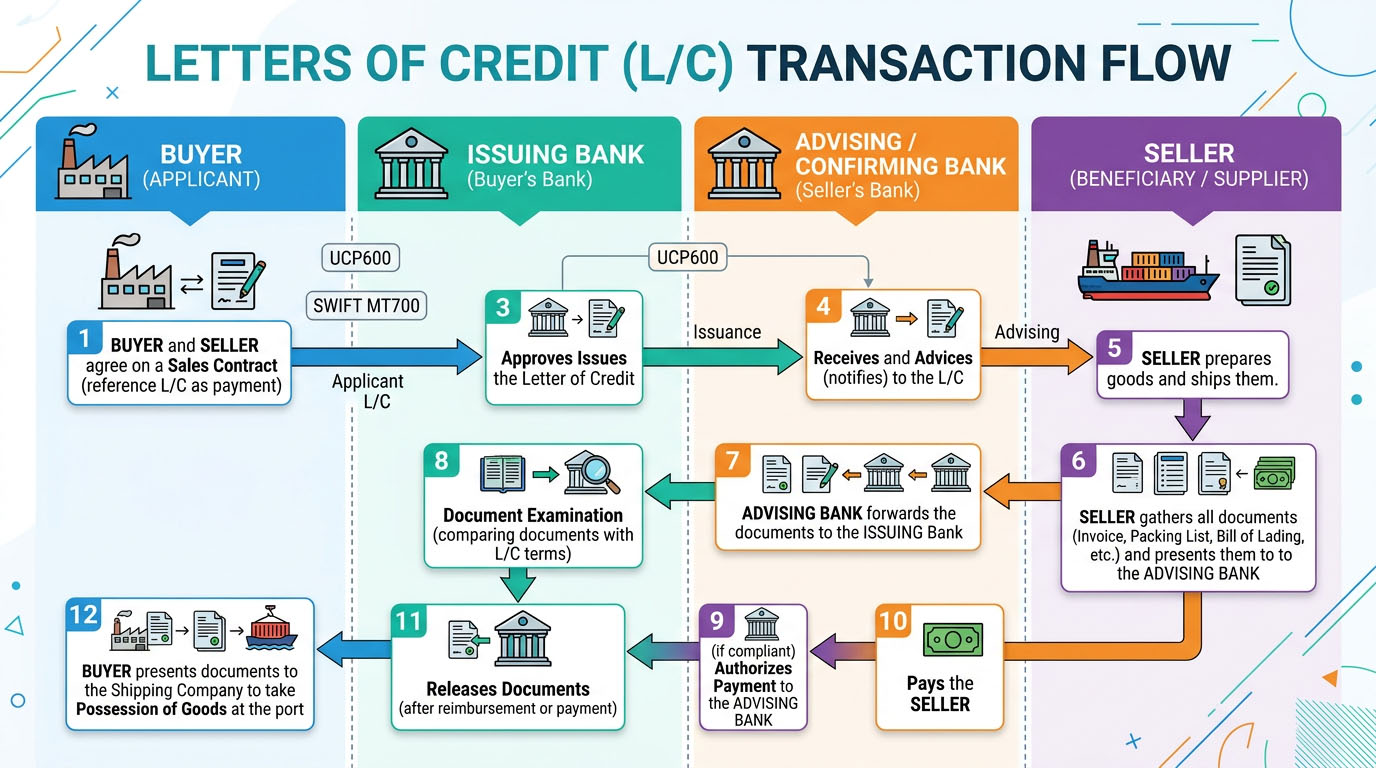
4. Letter of Credit (L/C) – High-Value Order Security
How It Works: Bank-guaranteed payment upon shipping document submission.
Best For: Orders >$50,000; complex custom designs.
Cost: 0.5–2% of order value + bank fees.
Pro Tip: Use “sight L/Cs” for faster release of funds.
Section 2: Negotiating Flexible Payment Terms
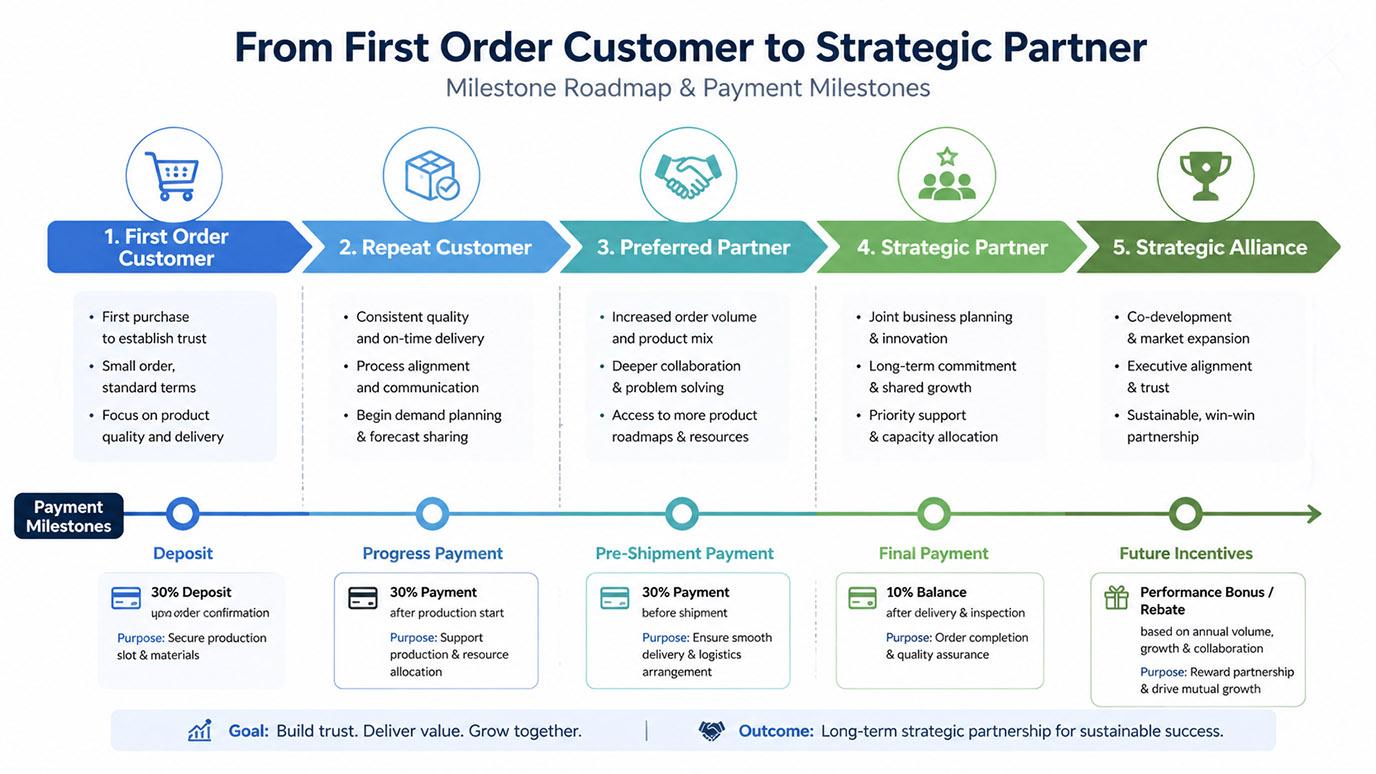
The 30/70 Split: Industry Standard for New Buyers
Why It Works:
Suppliers secure material costs (30% deposit).
You retain leverage until quality inspection (70% balance).
Script to Negotiate:
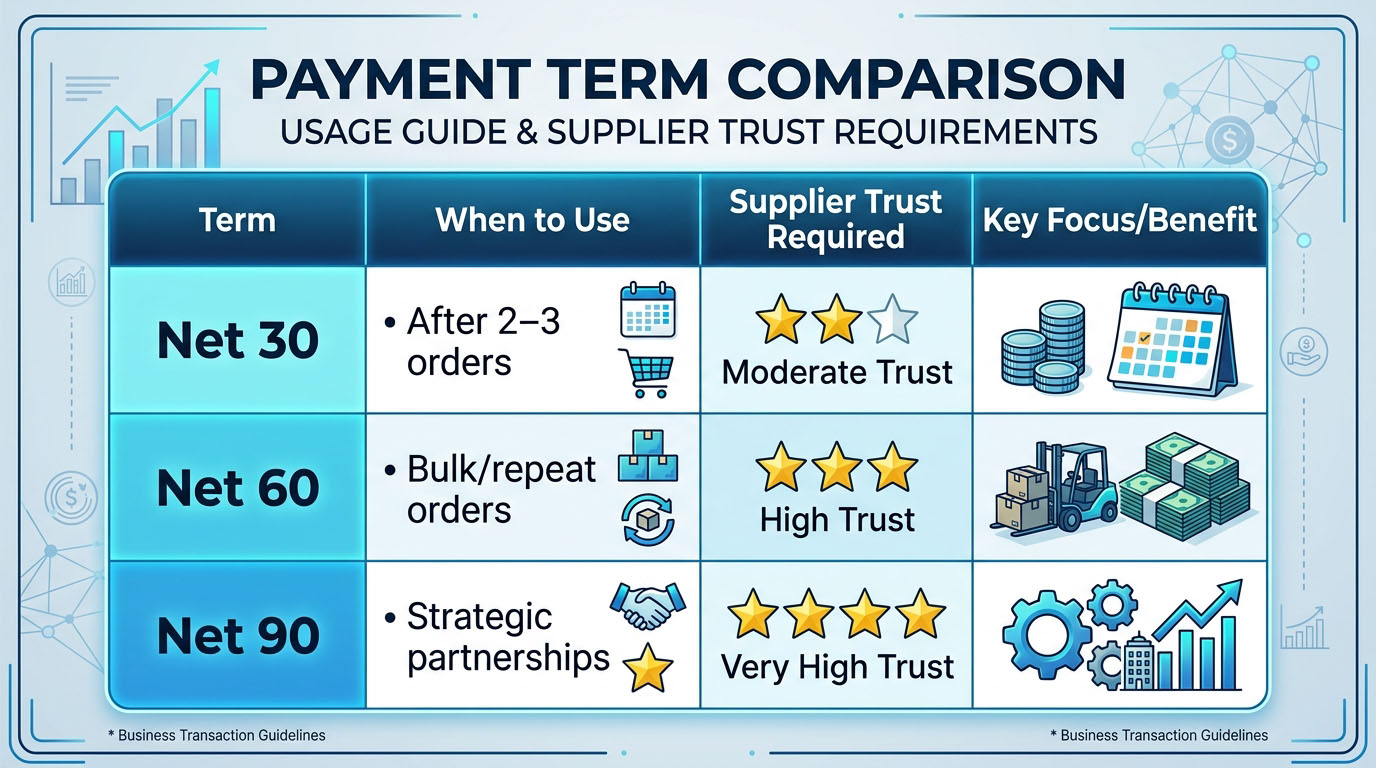
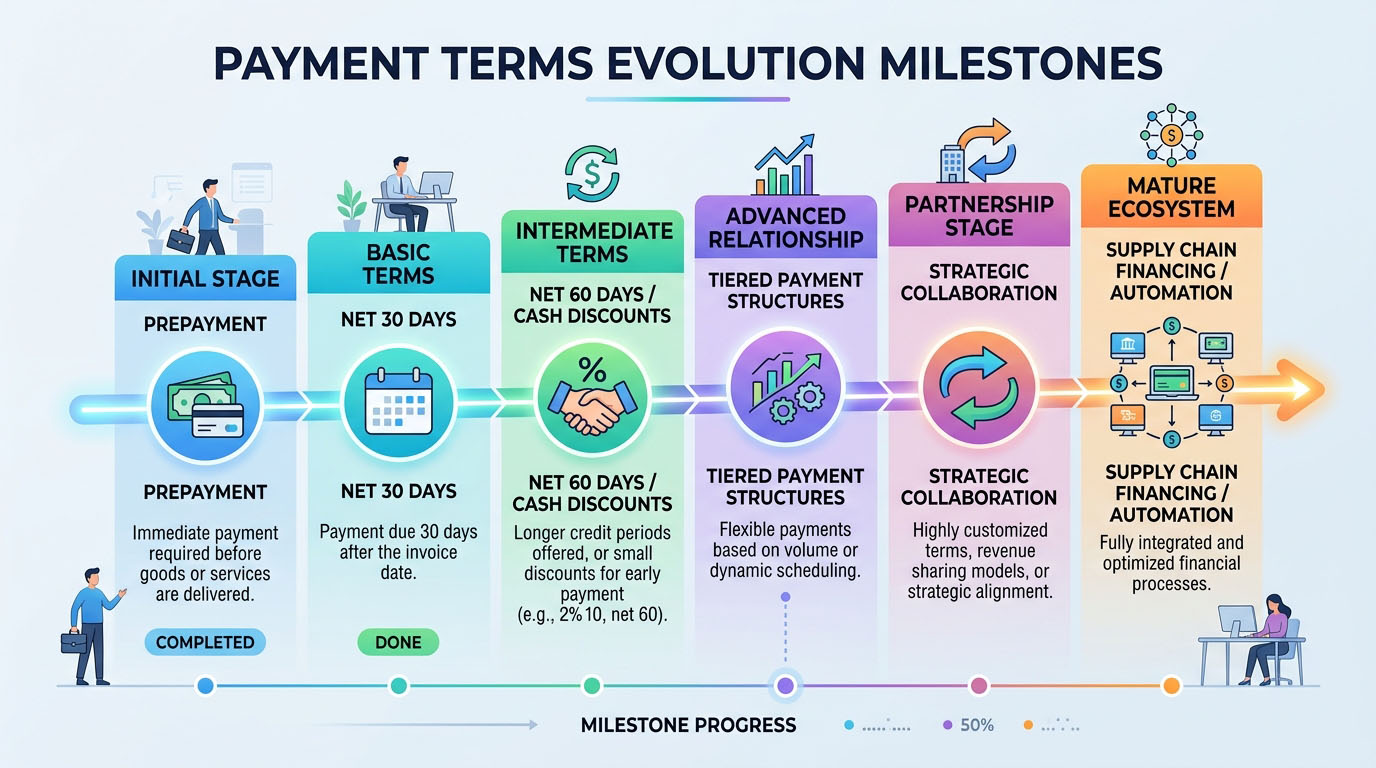
> “For our first order of 500 units, we propose 30% deposit via T/T and 70% via Trade Assurance upon pre-shipment inspection. We aim for long-term Net 60 terms after 3 successful shipments.”
Building Toward Net Terms
Section 3: Payment Security Protocols
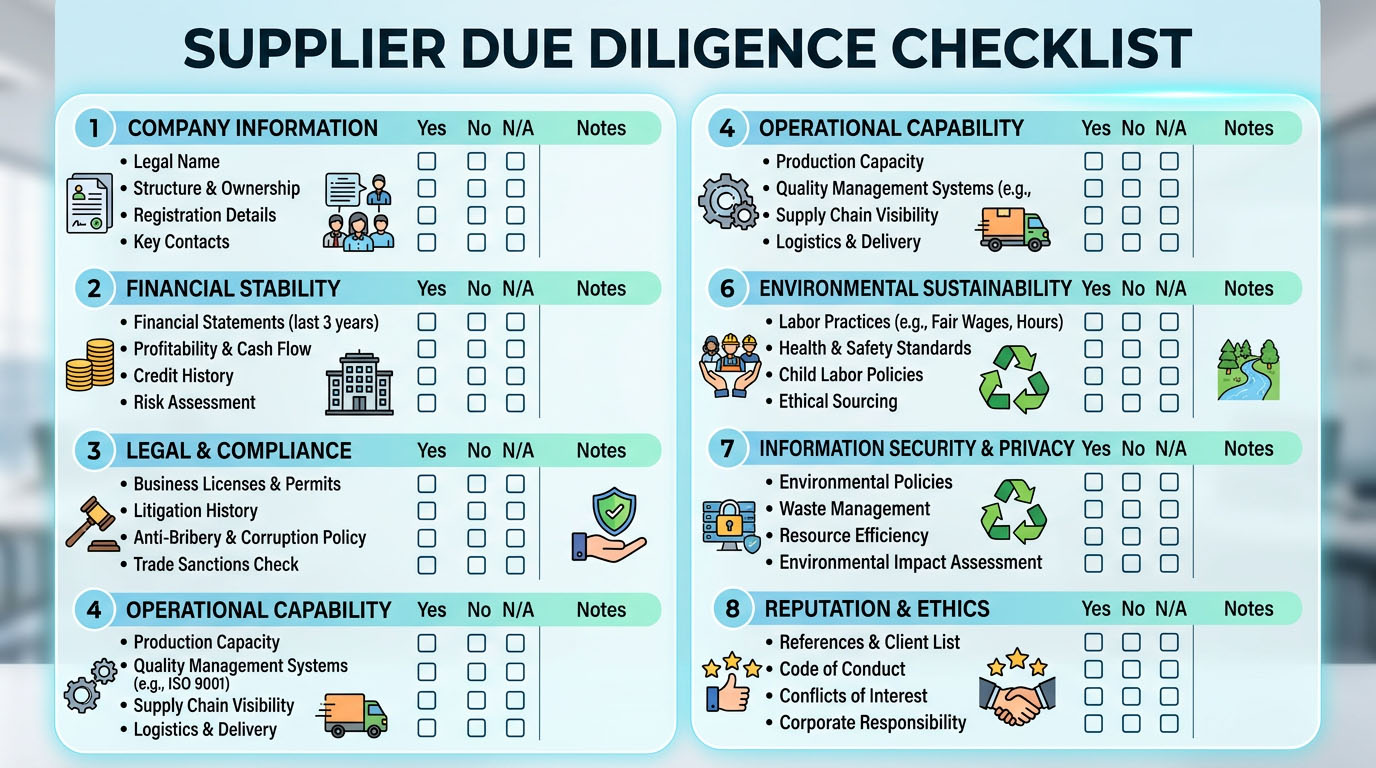
3-Step Verification for Safe Transactions
1. Supplier Vetting:
Confirm business license via China’s SAMR database.
Request factory audit reports (ISO 9001, BSCI).
2. Contract Safeguards:
Include penalty clauses for quality deviations (±5% tolerance).
Specify Incoterms (e.g., FOB Shenzhen) for shipping liability.
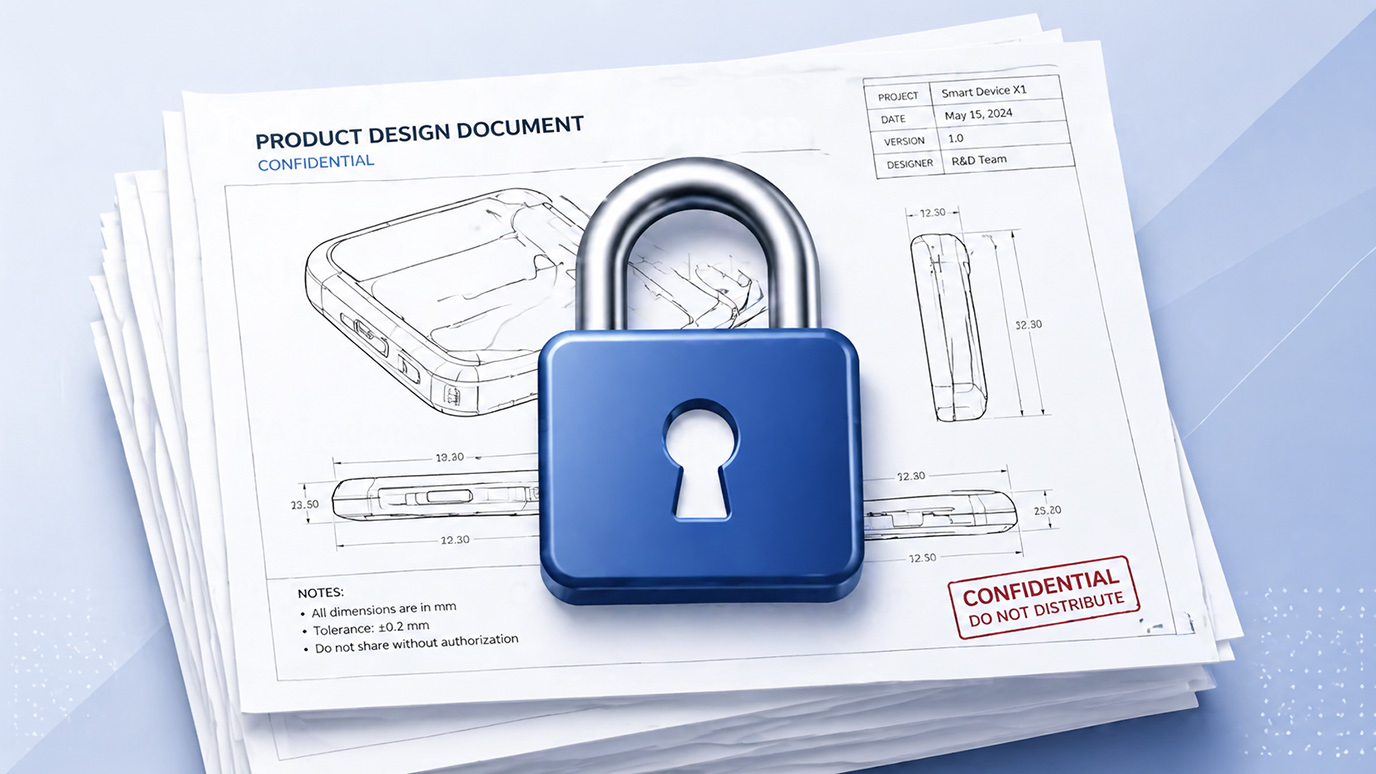
3. Phased Design Sharing:
Stage 1: Share material specs only.
Stage 2: Release partial tech packs after NDA signing.
Stage 3: Full design release after deposit clearance.
Section 4: Intellectual Property Protection
Non-Negotiable Legal Shields
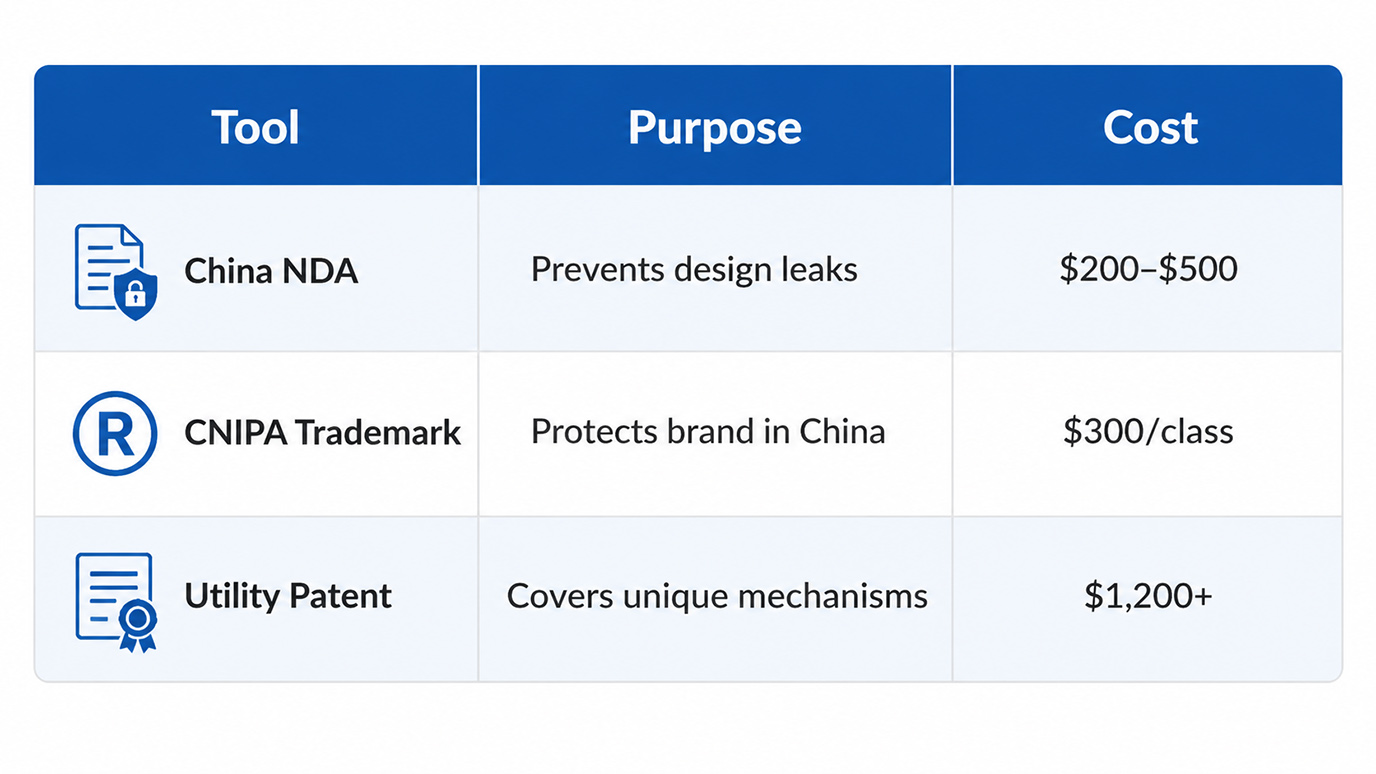
Case Study: A U.S. retailer saved $250K in counterfeit losses after registering trademarks pre-production.
Operational Tactics
Component Sourcing: Use different factories for zippers, leather, and hardware.
Digital Security: Share designs via encrypted platforms like Tresorit.
Audit Rights: Include quarterly factory inspection clauses.
Conclusion: Building a Fortified Sourcing Workflow
Start with Trade Assurance for orders under $10K, graduate to T/T with 30/70 terms, and leverage L/Cs for six-figure deals. Pair payments with:
1️⃣ CNIPA trademark registration
2️⃣ Phased design releases
3️⃣ Third-party quality checks (e.g., SGS)
“The safest payment method is the one aligned with your risk tolerance and supplier relationship stage.”
Post time: Apr-30-2026