
The Complete Guide to Order Tracking & Logistics Management for Small Business Bag Importers
A Professional Resource for E-commerce Entrepreneurs Sourcing Bags from China
Introduction: Why Logistics Excellence Matters for Bag Sellers
As a small business owner selling bags online, your supply chain efficiency directly impacts customer satisfaction, inventory management, and ultimately, your bottom line. When sourcing products from China, navigating international logistics becomes one of the most critical—and often most challenging—aspects of your operation.
This comprehensive guide draws from industry best practices and proven strategies to help you master order tracking, manage logistics effectively, and build a resilient supply chain for your bag business. Whether you’re just starting out or looking to optimize your existing processes, you’ll find actionable insights to streamline your operations.
Key Takeaway: Successful bag importers treat logistics as a core competency, not an afterthought. Investing time in building robust tracking and management systems pays dividends in reduced headaches and improved customer experiences.
Part 1: Your Step-by-Step Order Tracking & Logistics Process
Establishing a Repeatable Workflow
The foundation of effective logistics management lies in creating a systematic, repeatable workflow that works consistently across all your orders. Here’s how successful small business importers structure their operations:
Step 1: Written Order Confirmation
Before any production begins, confirm every order in writing with your supplier. Your purchase order should include:
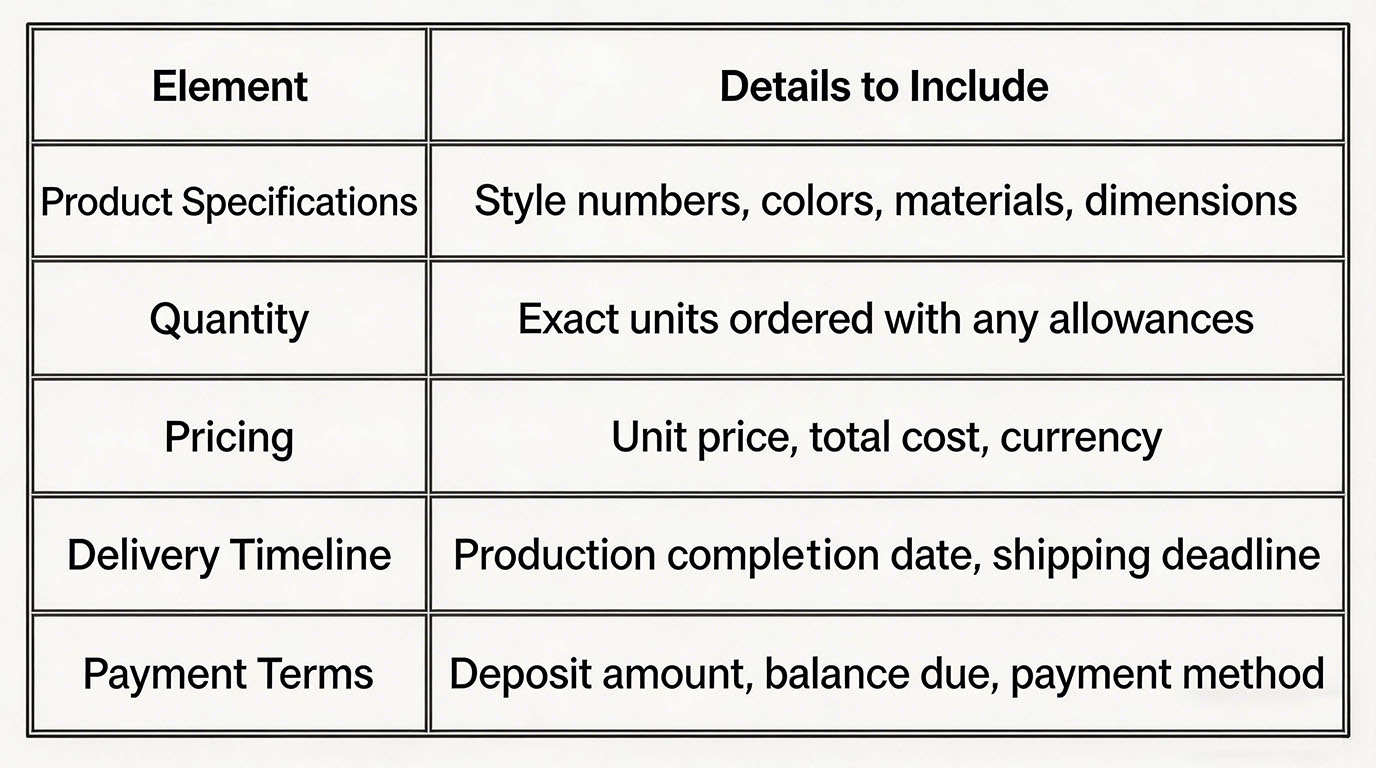
This documentation serves as your reference point throughout the entire process and protects both parties in case of disputes.
Step 2: Request Regular Production Updates
Don’t wait until shipment to check on your order. Establish a communication schedule where your supplier provides milestone updates during production, including:
Production commencement confirmation
Progress photos or videos at key stages
Completion date verification
Packaging photos before shipment
These updates allow you to catch delays early and make informed decisions about your inventory planning.
Step 3: Obtain Tracking Numbers Immediately
Upon shipment, request tracking numbers from your supplier immediately. Verify these numbers through the carrier’s official website before releasing final payment. This step prevents payment fraud and ensures you have visibility into your shipment from day one.
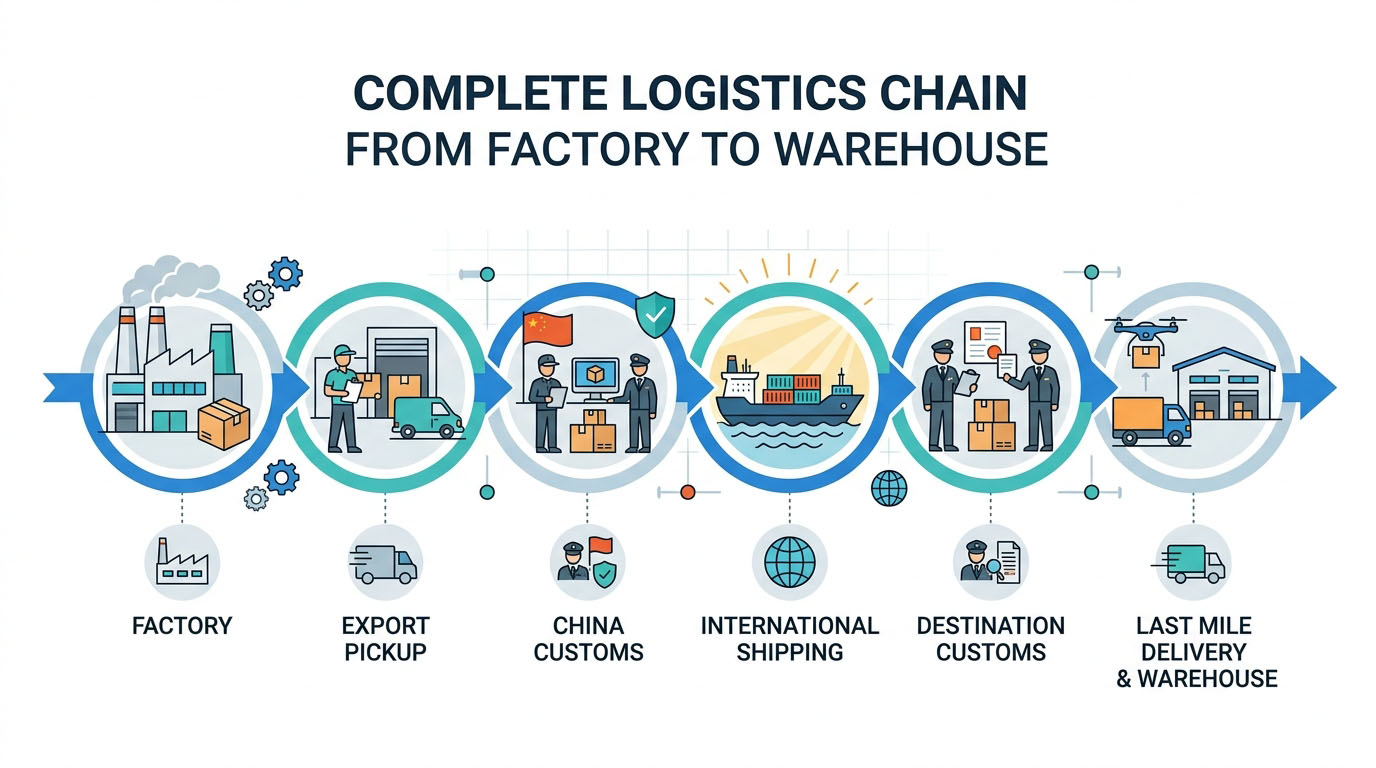
Step 4: Monitor the Handoff Chain
Your shipment passes through multiple hands during international transit:
Factory → Export Pickup → Chinese Customs → Carrier → International Transit
→ Destination Customs → Last-Mile Delivery → Your Warehouse
Maintain visibility at each transition point, noting when custody changes hands and any status updates provided by carriers or customs authorities.
Step 5: Warehouse Receiving Protocol
When goods arrive, implement a systematic receiving procedure:
1. Verify quantities against your purchase order
2. Conduct basic quality inspection
3. Update inventory records immediately
4. Document any discrepancies for supplier communication
Part 2: Real-Time Tracking Tools for Monitoring Shipments
Available Tracking Solutions
Modern technology offers numerous tools to keep you informed about your shipments in real-time. Here’s an overview of the most effective options:
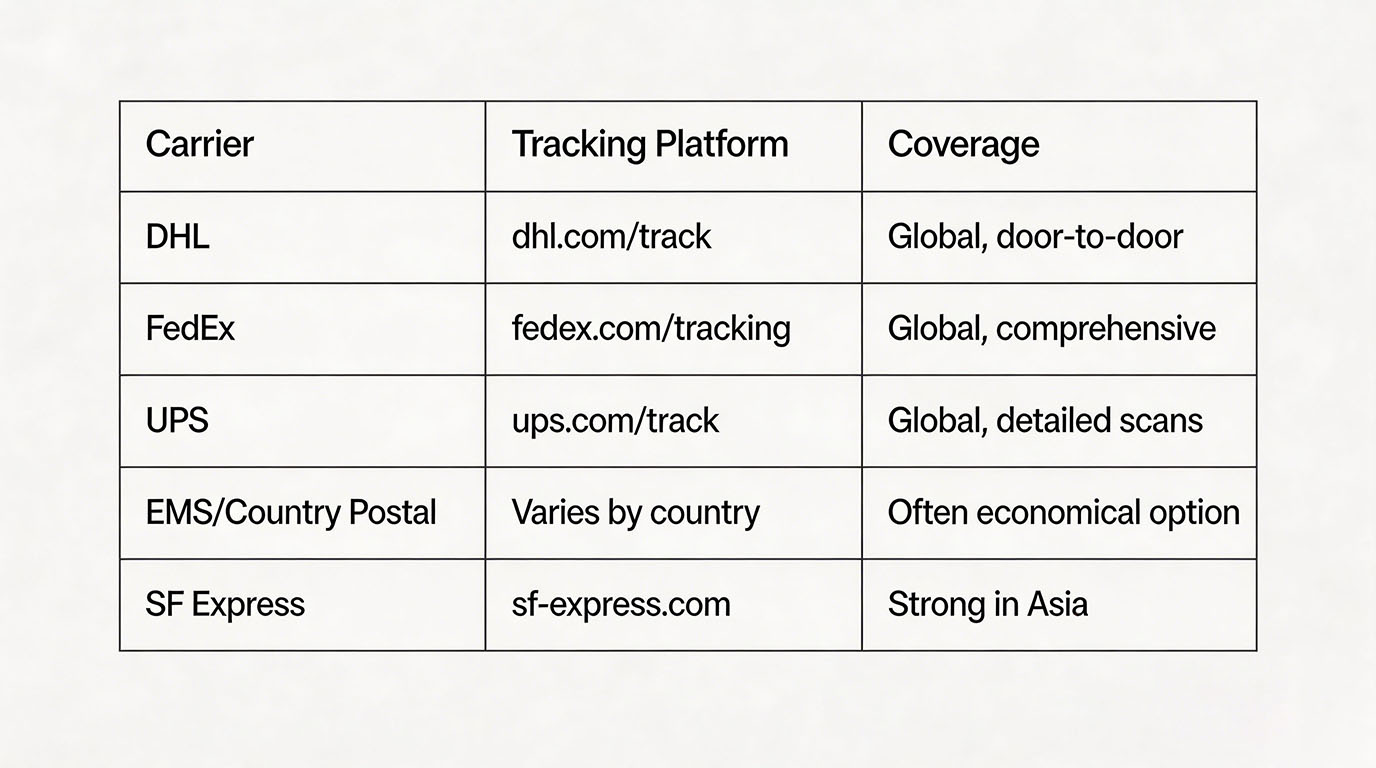
Carrier-Provided Tracking
Major international carriers offer robust tracking platforms:
 Freight Forwarder Portals
Working with an experienced freight forwarder often provides access to consolidated tracking dashboards that aggregate information across multiple carriers and shipments into a single view.
Third-Party Aggregation Services
Platforms like 17Track, Aftership, and parcelsapp.com aggregate tracking data from hundreds of carriers worldwide, giving you a unified interface for monitoring all your shipments.
Questions to Ask About Tracking
When setting up your logistics arrangement, clarify these points with your supplier:
Does tracking cover the full route or only certain segments?
What level of detail is available (city-level vs. facility-level)?
Are photo confirmations provided at pickup and delivery?
How quickly are tracking updates reflected in the system?
Pro Tip: Use Alibaba’s Trade Assurance or similar platform features that combine order tracking with buyer protection. These services add a layer of security while providing integrated shipment visibility.
Part 3: Handling Logistics Delays and Issues
Anticipating and Managing Disruptions
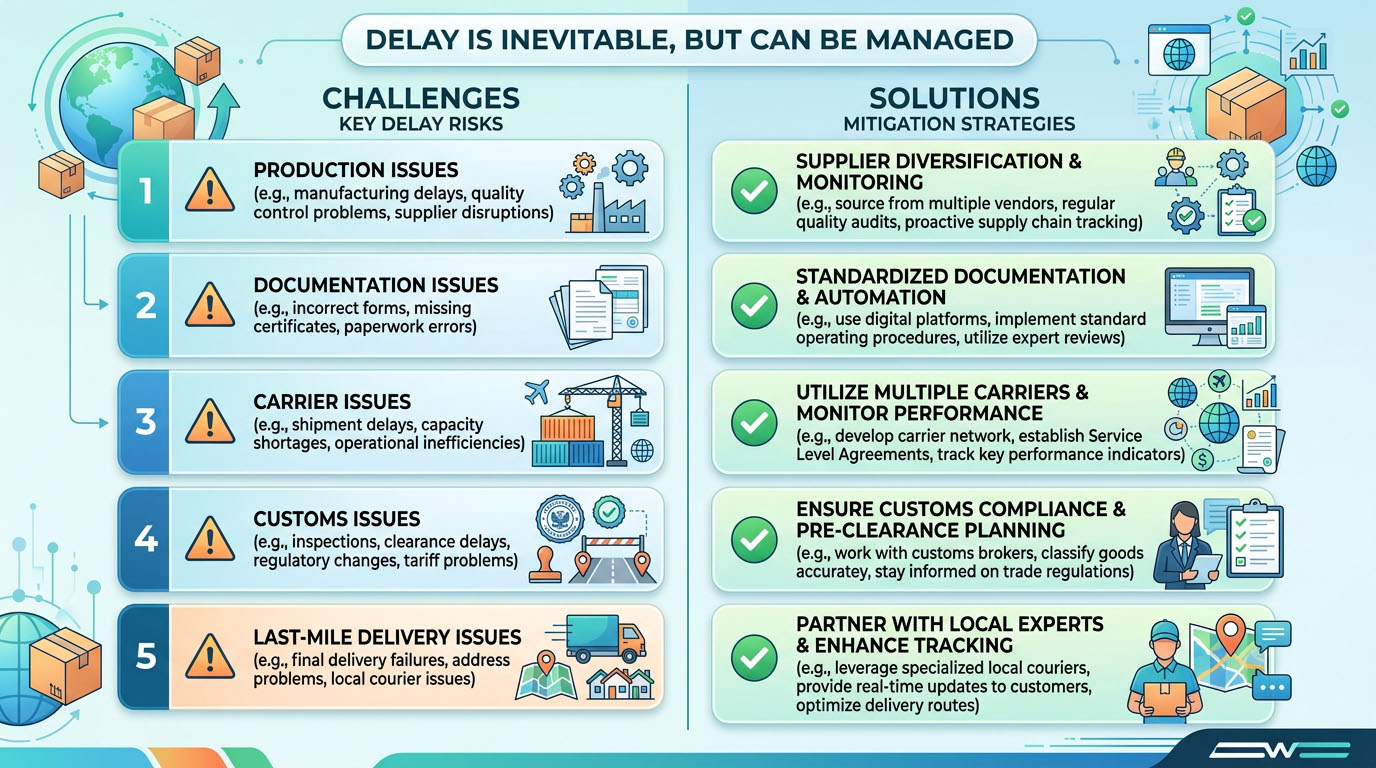
Delays are an inevitable reality of international shipping. Successful importers prepare for them rather than being caught off guard.
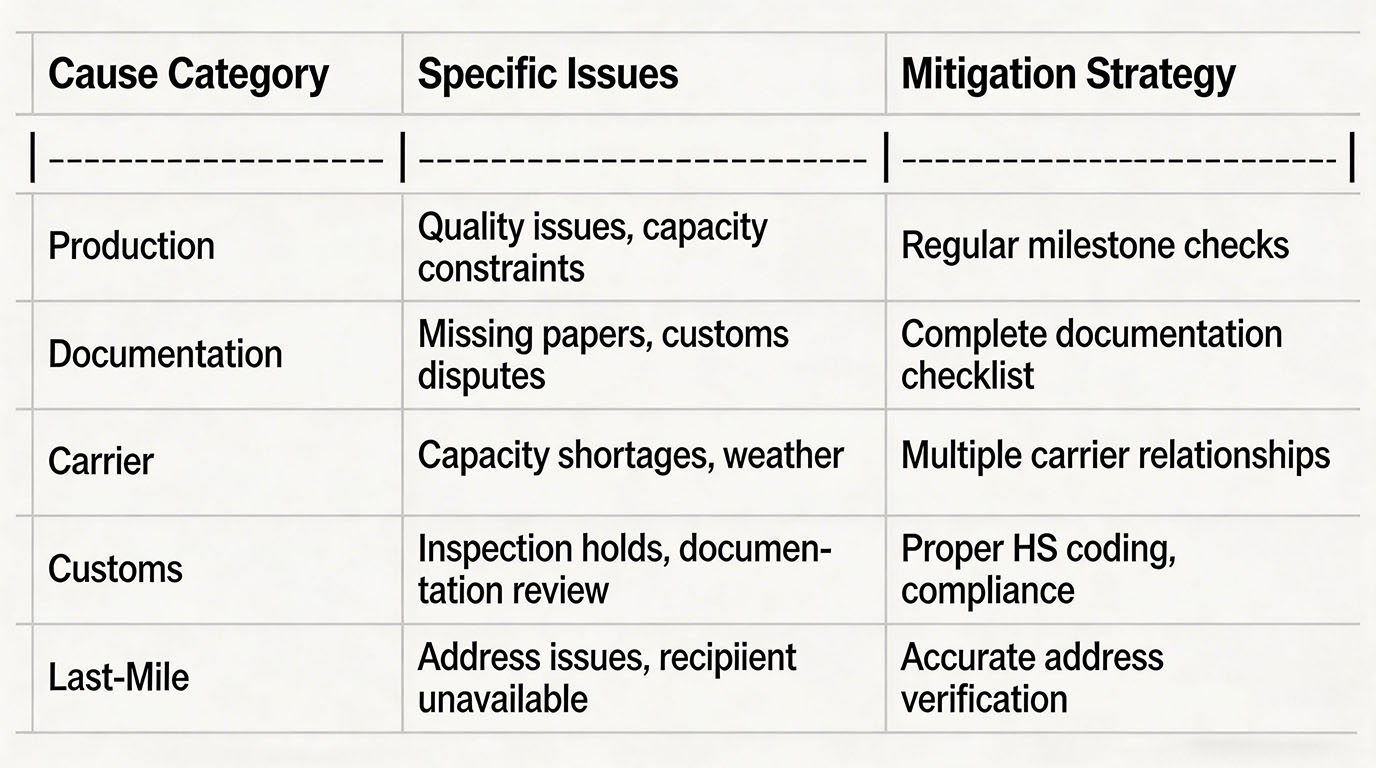
Common Causes of Delays
Understanding why delays occur helps you plan accordingly:
Building Buffer Time Into Your Planning
Industry experts recommend maintaining a minimum 2-3 week buffer in your inventory planning to account for potential shipping delays. This buffer:
Prevents stockouts during unexpected delays
Allows flexibility in managing customer expectations
Reduces stress and reactive decision-making
Establishing Clear Communication Channels
Set up dedicated communication channels with your supplier for real-time shipping updates. Determine preferred methods (email, WhatsApp, WeChat) and response time expectations. When issues arise, document all communications thoroughly for future reference.
Creating Contingency Plans
Consider using multiple carriers simultaneously to compare performance and build backup options. When one carrier experiences issues, having alternatives ready minimizes disruption to your business.
Document Everything
Maintain detailed records of all logistics issues and resolution communications. This documentation serves multiple purposes:
Future supplier evaluation
Dispute resolution support
Process improvement insights
Insurance claims if necessary
Part 4: Detailed Breakdown of Logistics Costs
Understanding Your Total Landed Cost
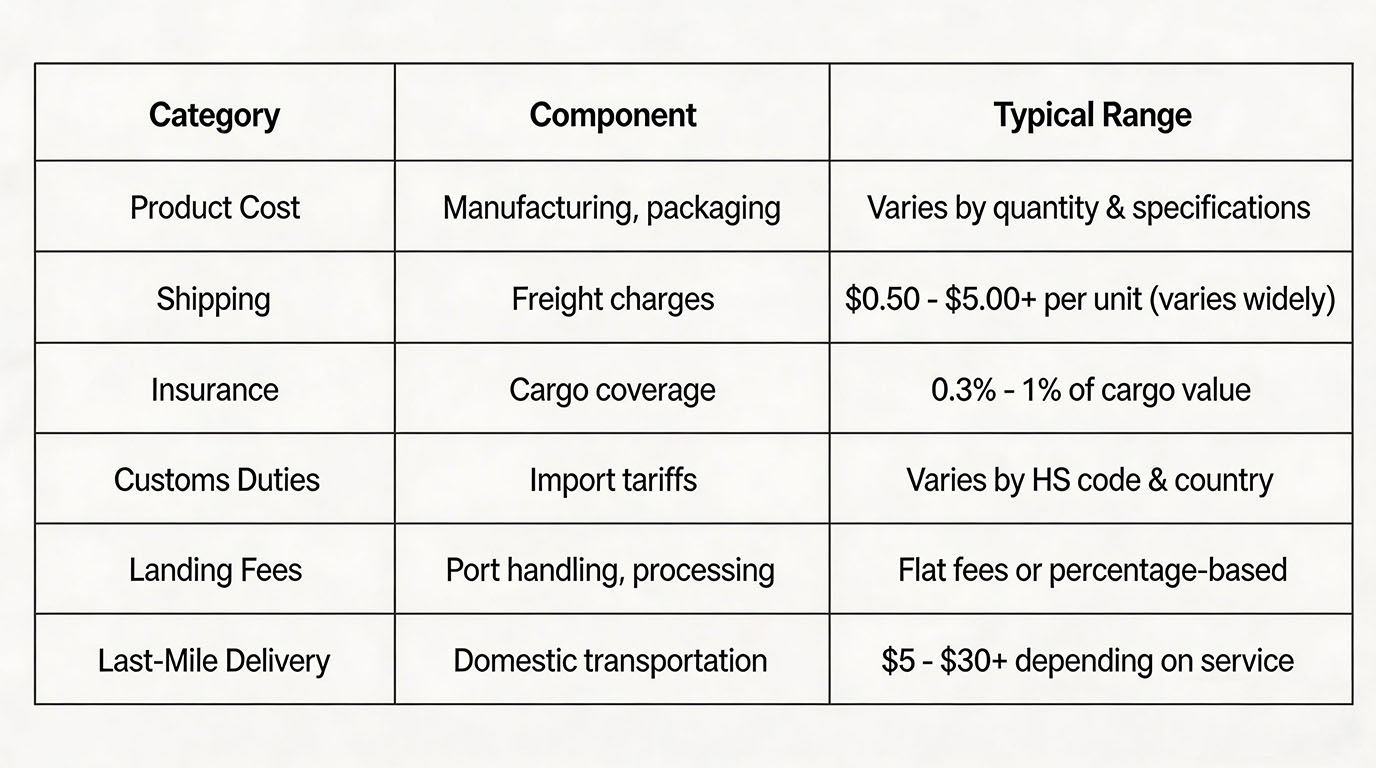
When importing bags from China, understanding the complete cost structure helps you price competitively while maintaining profitability.
Cost Components Overview
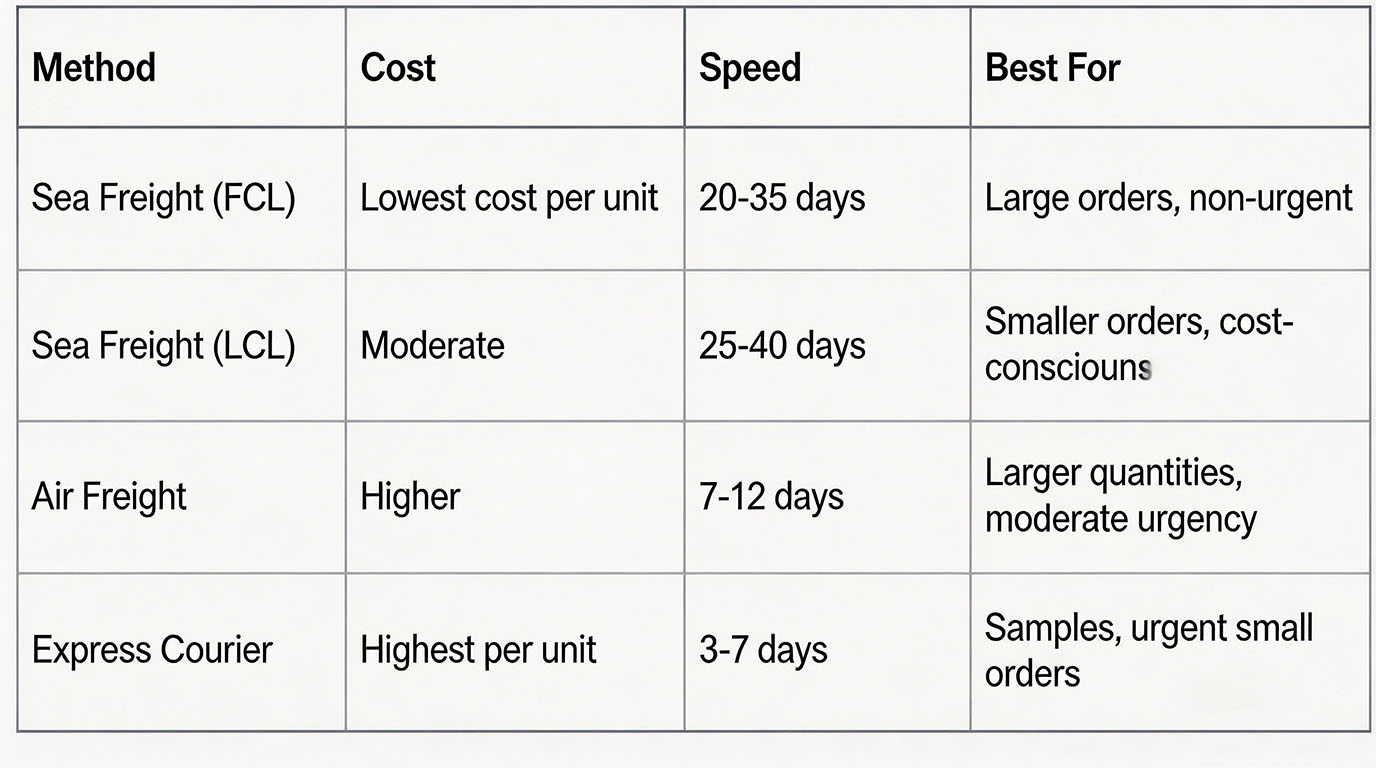
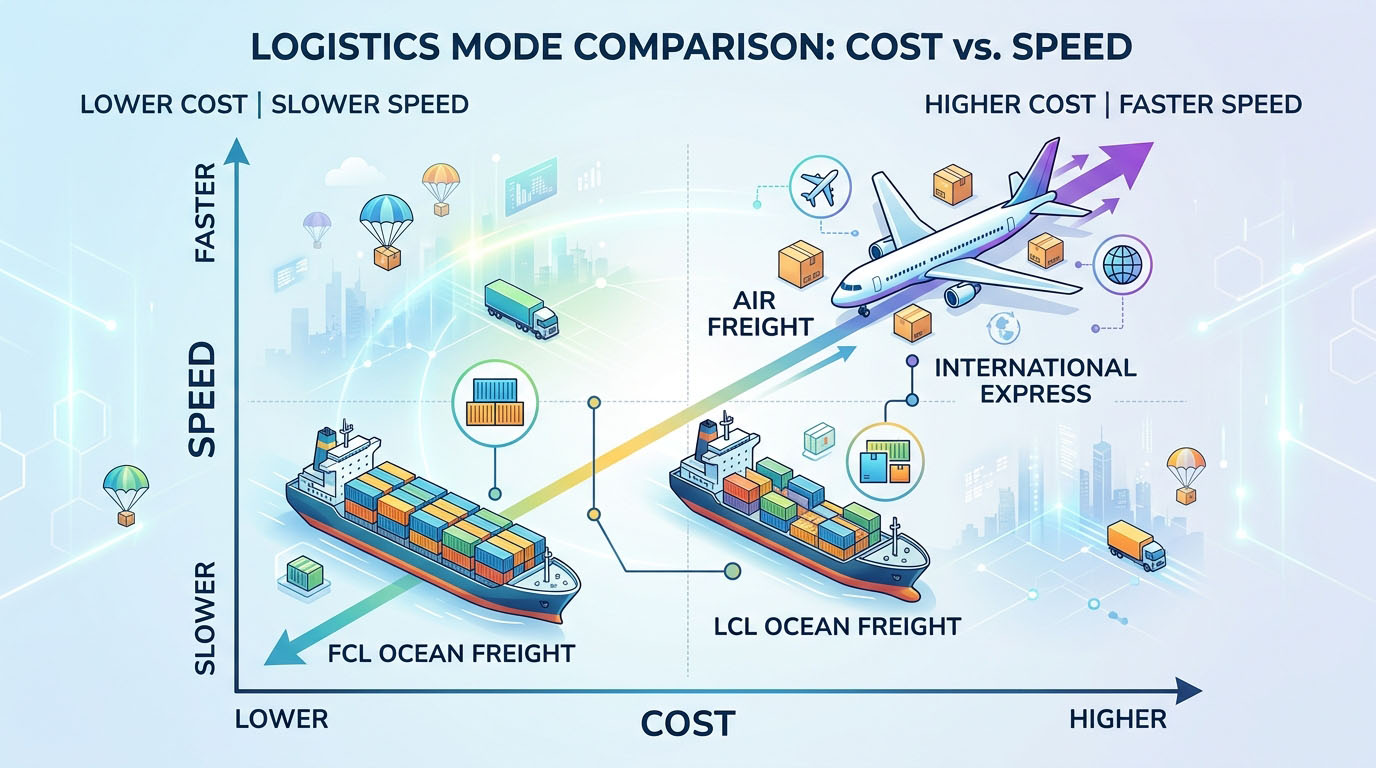
Shipping Method Cost Comparison
 Incoterms Considerations
The incoterms you negotiate with suppliers significantly impact your logistics costs and control:
EXW (Ex Works): You arrange everything; maximum control, more complexity
FOB (Free on Board): Supplier handles delivery to port; balanced approach
DDP (Delivered Duty Paid): Supplier delivers to your door; easiest but potentially higher cost
Negotiating EXW or FOB incoterms typically gives you better control over logistics arrangements and potentially lower costs, though it requires more coordination on your part.
Consolidation Strategies
For smaller quantities, consider consolidated shipping services where your goods are combined with others’ shipments. This approach:
Reduces individual shipping costs
Simplifies customs procedures
Provides shared tracking infrastructure
Factoring in Hidden Costs
Don’t forget to budget for:
Currency exchange fees
Bank transfer charges
Inspection services (if used)
Storage fees at ports or warehouses
Returns processing if needed
Expert Insight: Calculate your true “landed cost” by adding all expenses from production through delivery to your warehouse. This figure is essential for setting profitable prices and evaluating supplier quotes accurately.
Part 5: Alternative Shipping Options for Urgent Orders
When Speed Matters
Sometimes your inventory needs don’t align with standard shipping timelines. Here’s how to handle urgent situations:
Express Courier Services
For time-sensitive shipments, express services like DHL Express, FedEx International Priority, or UPS Worldwide Saver offer the fastest door-to-door delivery:
Transit Time: 3-7 business days
Typical Cost: $15-$30+ per kilogram
Advantages: Fastest option, comprehensive tracking, customs clearance included
Best For: Samples, urgent reorders, high-value items
Air Freight with Expediting
Working with your freight forwarder to expedite air freight can provide faster delivery than standard air options:
Transit Time: 5-10 business days
Typical Cost: $5-$15 per kilogram
Advantages: Faster than standard air, more economical than express
Best For: Urgent restocking, seasonal inventory needs
Premium Sea Freight Options
Some carriers offer faster ocean services with fewer port calls:
Transit Time: 15-25 days
Typical Cost: Premium over standard sea, still much lower than air
Advantages: Significant savings over air, reasonable speed
Best For: Urgent large orders where air isn’t financially viable
Strategies for Urgent Situations
1. Maintain Safety Stock: Keep a 2-3 week buffer of fast-moving styles
2. Pre-Position Inventory: Ship ahead during peak seasons
3. Build Supplier Relationships: Partners who know your business can respond faster
4. Have Emergency Contacts Ready: Know your forwarder’s after-hours contacts
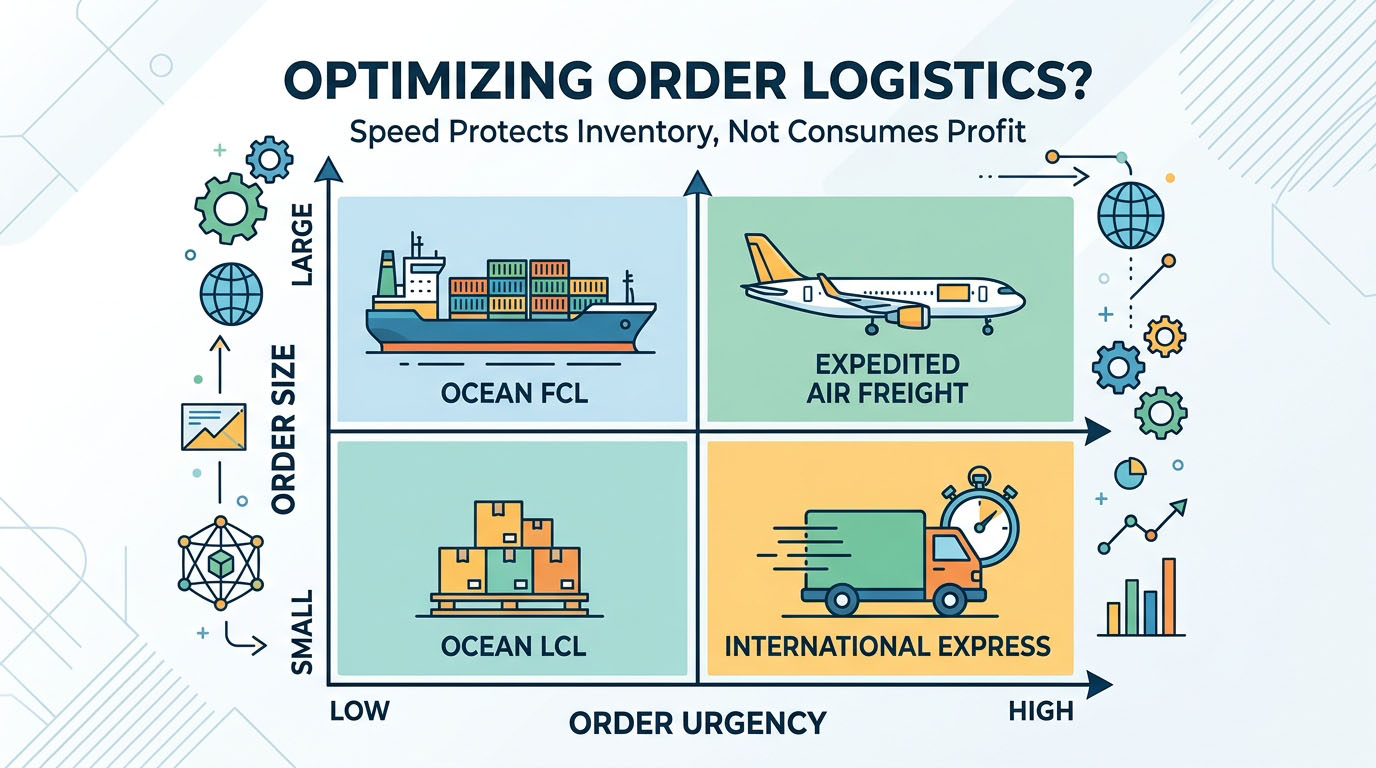
Balancing Speed and Cost
For small businesses, the premium for urgent shipping often significantly impacts margins. Consider:
Whether the additional cost justifies the speed for your specific situation
If partial air shipping (just the fastest-selling styles) makes sense
Whether customer communication about longer lead times is preferable to premium shipping costs
Part 6: Building a Sustainable Logistics System
Long-Term Best Practices
Moving beyond immediate logistics concerns, implementing these practices creates sustainable operational excellence:
Supplier Relationship Management
Build relationships with 2-3 reliable suppliers to avoid single-source dependency risks. Diversified sourcing provides:
Backup capacity when one supplier faces challenges
Competitive pricing through negotiation leverage
Access to different product specializations
Sample Testing Before Bulk Orders
Request samples and test shipping times before placing bulk orders. This investment:
Validates product quality meets expectations
Establishes realistic timelines for your location
Identifies any customs or documentation issues early
Builds working relationships with carriers
Technology Integration
Use cloud-based inventory management software that syncs with supplier shipping data. Automated notifications for shipment status changes keep you informed without constant manual checking.
Documentation Discipline
Keep digital copies of all shipping documents:
Commercial invoices
Packing lists
Bills of lading
Customs declarations
Insurance certificates
Correspondence records
Organized documentation simplifies customs clearance, supports dispute resolution, and aids in supplier performance evaluation.
Continuous Improvement
Review your logistics performance regularly:
Track on-time delivery rates
Monitor damage and discrepancy frequencies
Evaluate cost trends over time
Gather feedback from receiving team
Adjust processes based on learnings
Conclusion: Your Path to Logistics Excellence
Mastering order tracking and logistics management when importing bags from China requires attention to detail, proactive communication, and systematic processes. By implementing the strategies outlined in this guide, you’ll be well-equipped to:
✓ Maintain visibility across your entire supply chain
✓ Respond effectively to delays and disruptions
✓ Understand and control your true landed costs
✓ Make informed decisions about shipping options
✓ Build resilient, scalable logistics operations
Remember that logistics excellence is a journey, not a destination. Continuously refine your processes, learn from challenges, and build strong partnerships with suppliers and logistics providers.
Ready to Optimize Your Bag Import Operations?
Start by implementing one or two of these practices this week, then gradually expand your capabilities. Your customers will notice the difference in your reliability, and your business will benefit from improved efficiency and reduced stress.
Post time: Apr-27-2026