
Everything You Need to Know About Sourcing Bags from China for Your Online Business
Introduction: Why China Remains the Top Choice for Bag Suppliers
When it comes to sourcing bags for your online business, China has consistently remained the world’s manufacturing powerhouse. Whether you’re selling fashion handbags, backpacks, travel luggage, or crossbody bags, Chinese manufacturers offer competitive pricing, flexible MOQs (Minimum Order Quantities), and increasingly sophisticated fulfillment options that cater to online entrepreneurs worldwide.
This comprehensive guide covers everything small business owners and independent website sellers need to know about sourcing bags from China—including dropshipping options, shipping costs, delivery times, tracking, returns, and pro tips for working with suppliers effectively.
Understanding Dropshipping from China
What Is Dropshipping and How Does It Work?
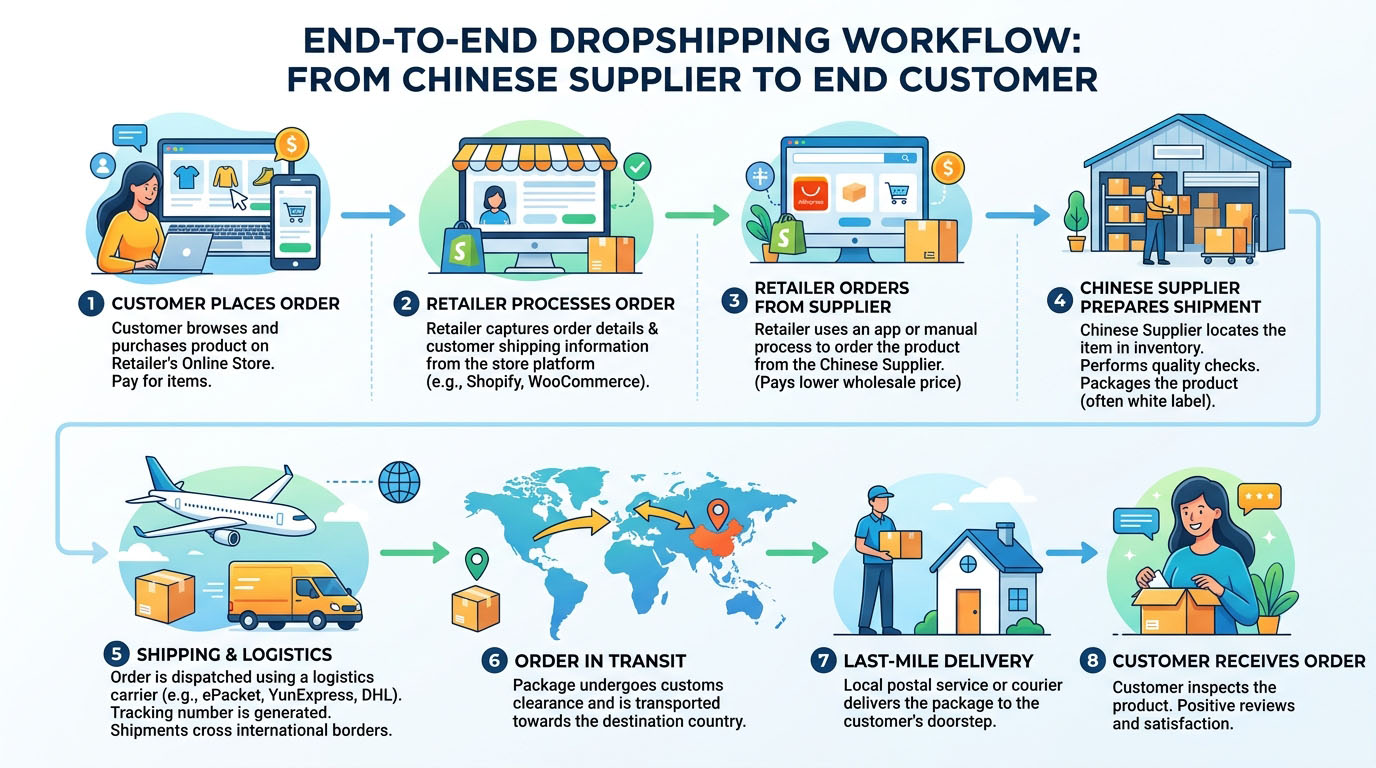
Dropshipping is a fulfillment method where the supplier ships each order directly to your end customer, eliminating the need for you to hold inventory. When a customer places an order on your website, you forward the order to your supplier, who then packages and ships the product with your branding directly to the customer.
Most Chinese suppliers now support dropshipping with branded packaging options, making it an attractive model for online sellers who want to minimize upfront costs and inventory risk. Platforms like AliExpress and 1688 have made it easier than ever to find suppliers who specialize in dropshipping services for bag products.
Direct Shipping vs. Dropshipping: Which Is Right for Your Business?
Understanding Your Options
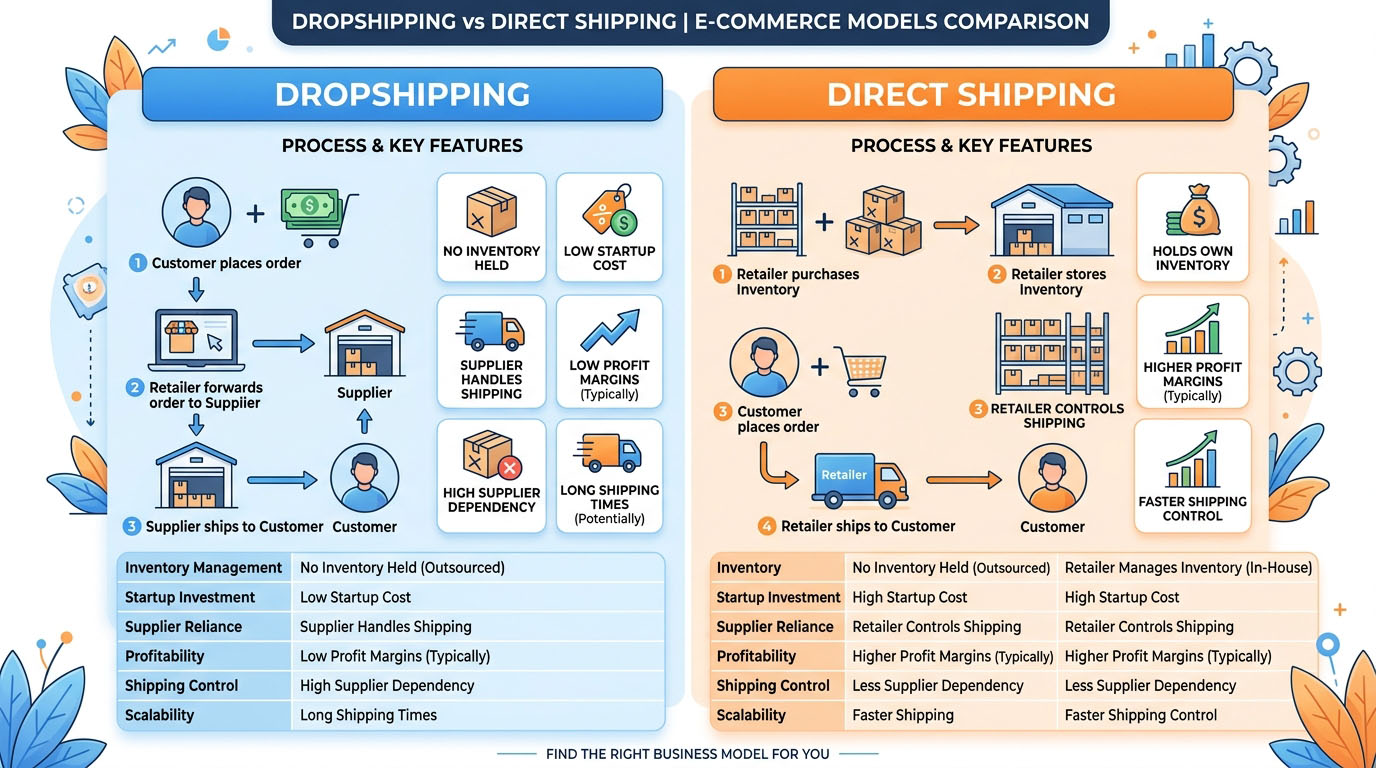
Many Chinese suppliers offer both dropshipping and direct shipping services, but it’s essential to understand the differences:
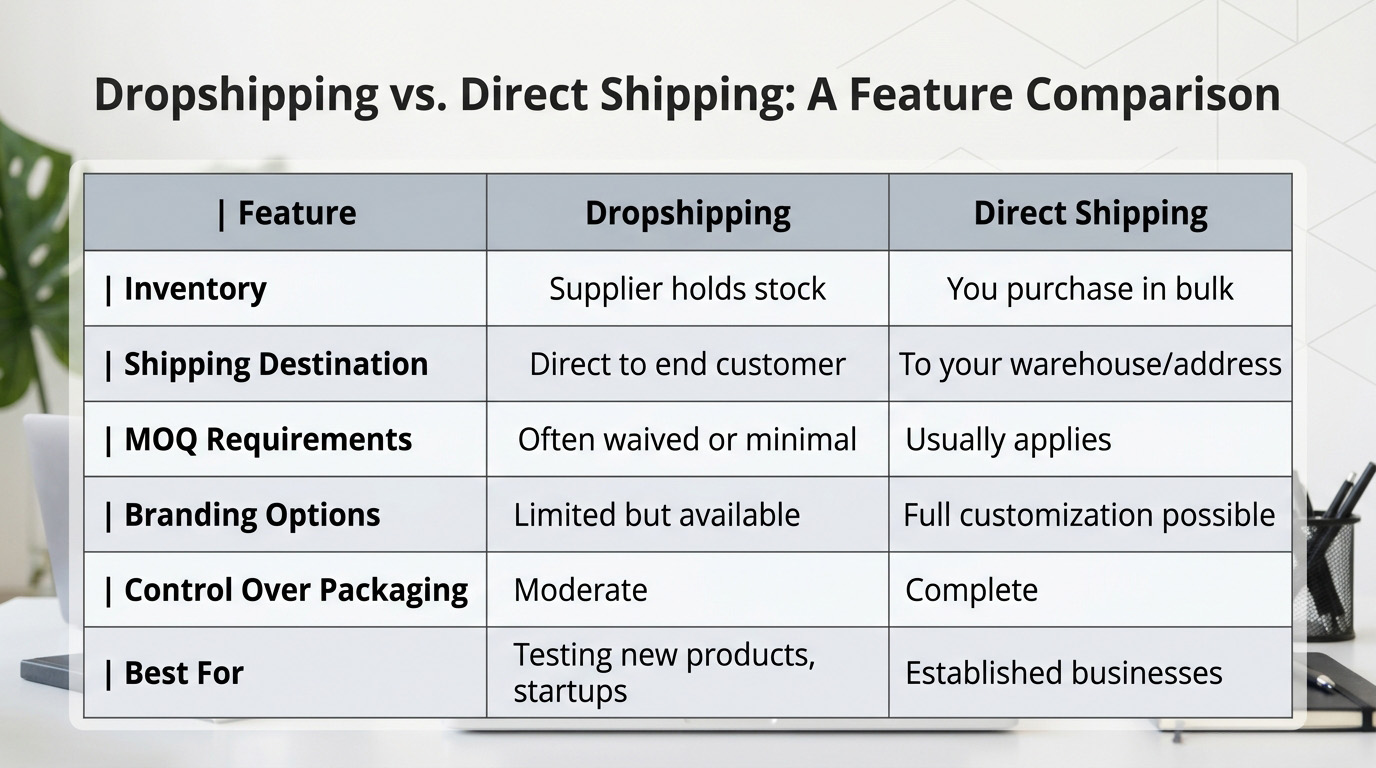
Some suppliers only do wholesale or bulk orders, while others support ready-to-ship or direct-to-consumer fulfillment. The key is finding a supplier whose capabilities match your business model.
Shipping Costs: What to Expect
Understanding the Cost Structure
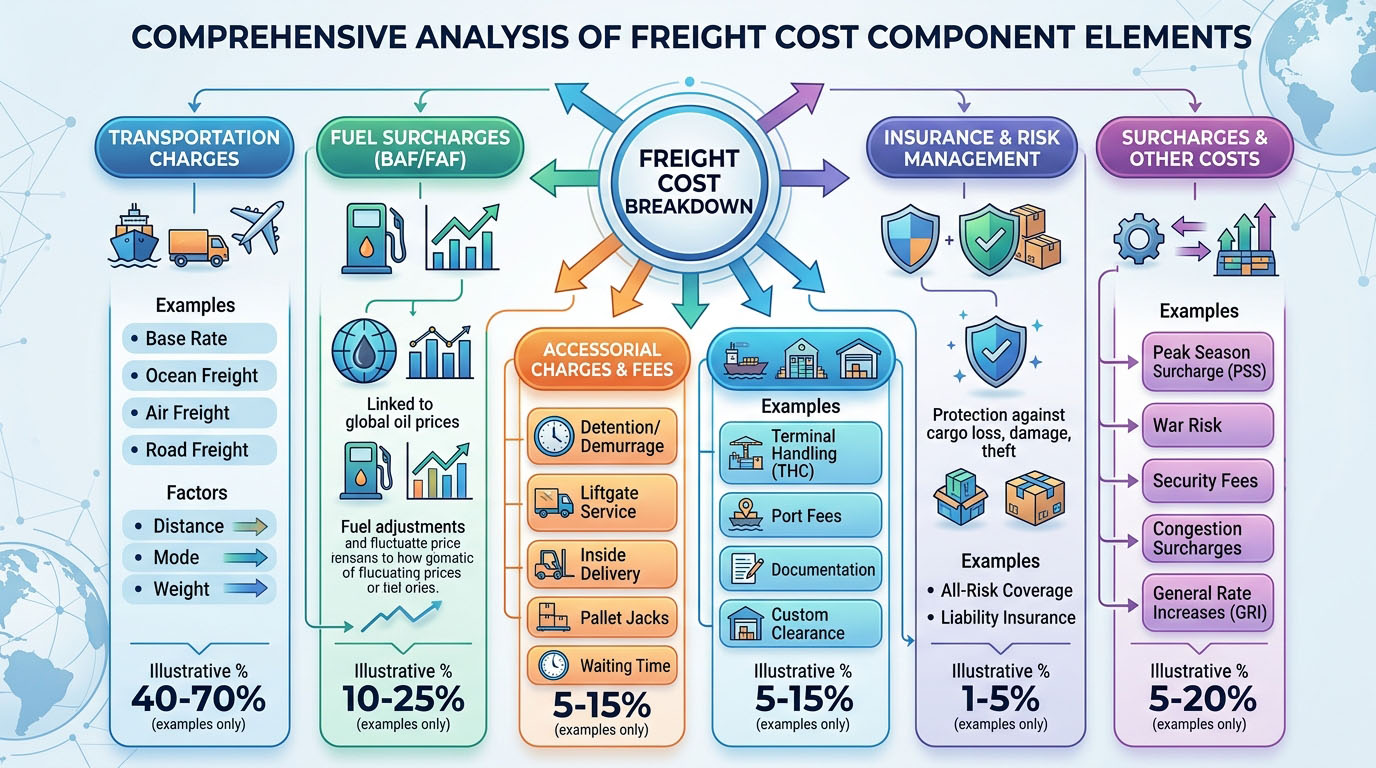
Shipping costs from China have become increasingly competitive, especially with the rise of ePacket rates and other economy shipping options designed for e-commerce sellers.
Key factors affecting shipping costs:
Shipping method: Express (3-7 days), standard (15-30 days), or economy (30-60 days)
Package weight and dimensions: Heavier or bulkier bags cost more to ship
Destination country: Shipping to the USA, UK, or EU varies in cost
Insurance requirements: Additional coverage for valuable items
Many suppliers now offer DDP (Delivered Duty Paid) shipping, which simplifies customs procedures for your end customers. This means your customers won’t face unexpected customs fees or duties upon delivery—a significant advantage for customer satisfaction.
Delivery Times: How Long Does Shipping Take?
Typical Shipping Durations
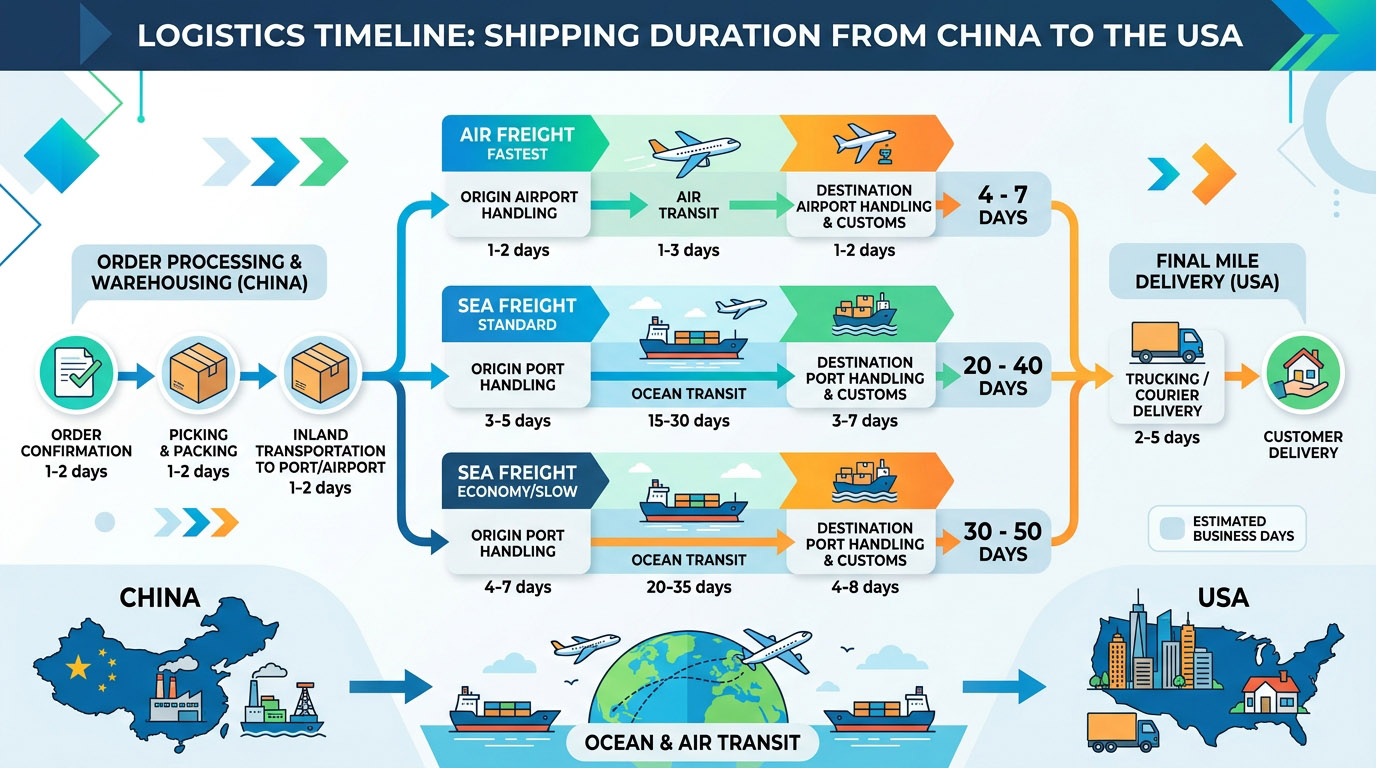
Direct shipping from China typically takes 15-30 days for standard delivery, though this can vary based on the shipping method chosen:
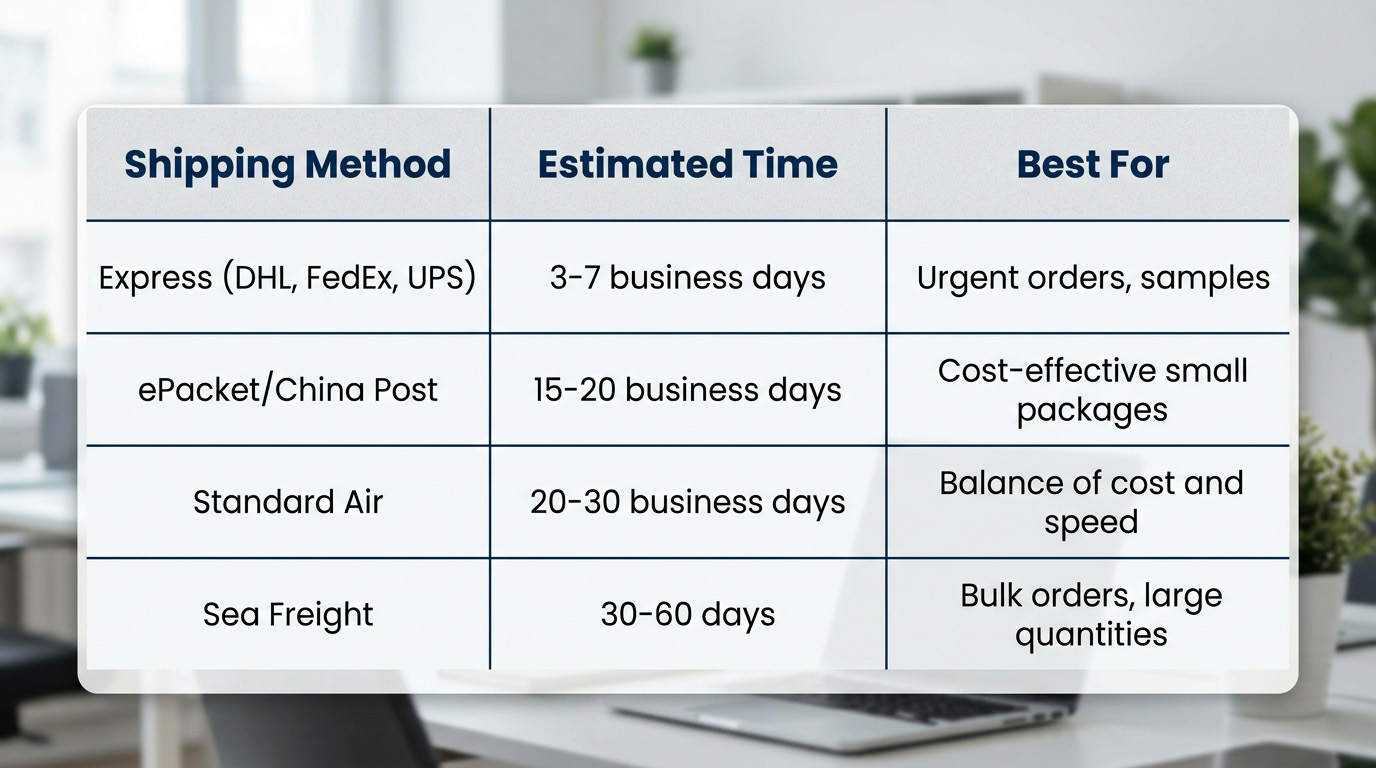
Local warehouse partnerships in your target country can reduce delivery times by up to 60%, making hybrid models (bulk shipping to local warehouse + local fulfillment) an excellent option for optimizing both cost and speed.
Seasonal products often have longer lead times during peak months (September-December for holiday orders), so plan accordingly.
Tracking Information and Order Visibility
What You Need to Know
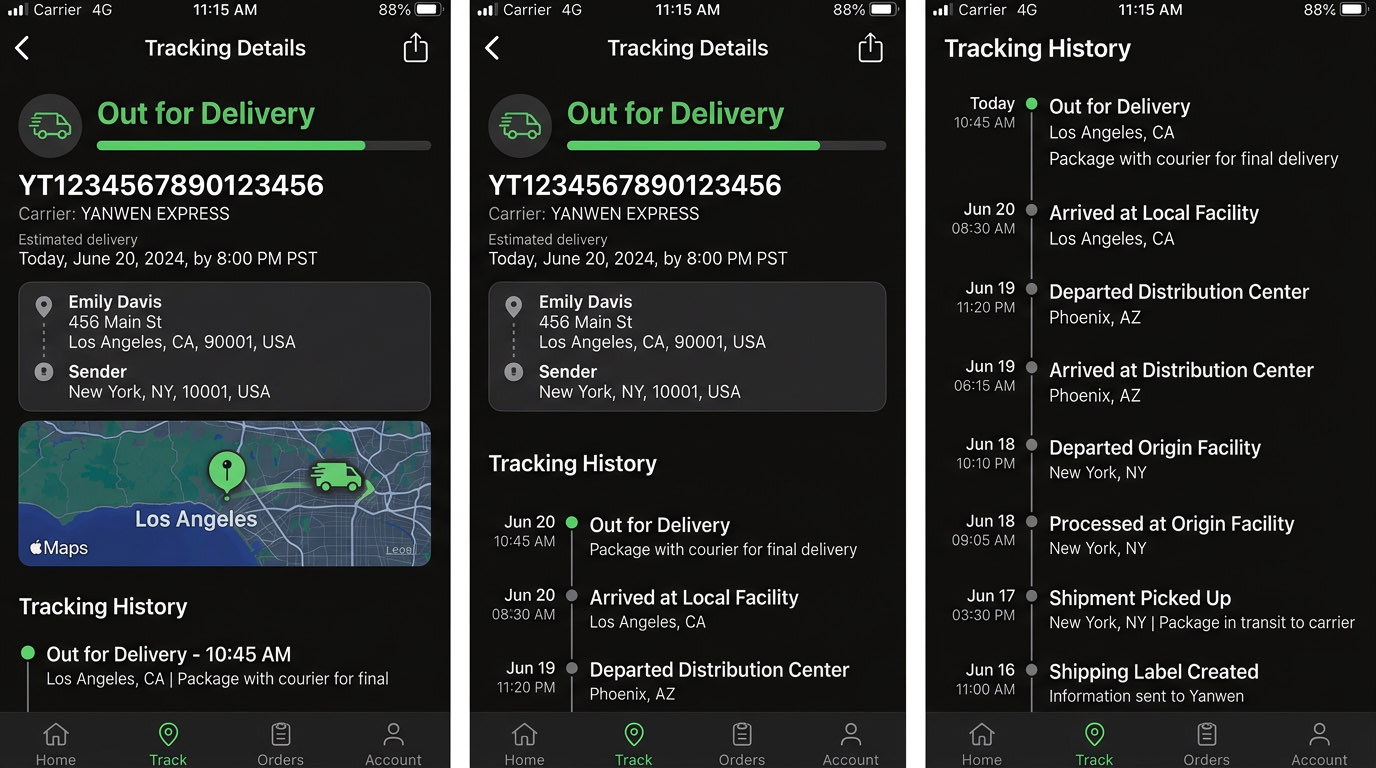
Most reputable Chinese suppliers provide tracking information for all shipped orders. When setting up your dropshipping or direct shipping arrangement, ensure your supplier offers:
Real-time tracking updates: Essential for customer service and dispute resolution
Multiple carrier options: China Post, ePacket, DHL, FedEx, UPS, and regional carriers
Proof of delivery: Confirmation when the package reaches the destination
Reliable tracking is crucial for maintaining customer trust and reducing “where’s my order” inquiries. Some suppliers also integrate with Shopify, WooCommerce, or other e-commerce platforms to automatically sync tracking numbers to your orders.
Returns and Exchanges: A Critical Consideration
Handling Returns from End Customers
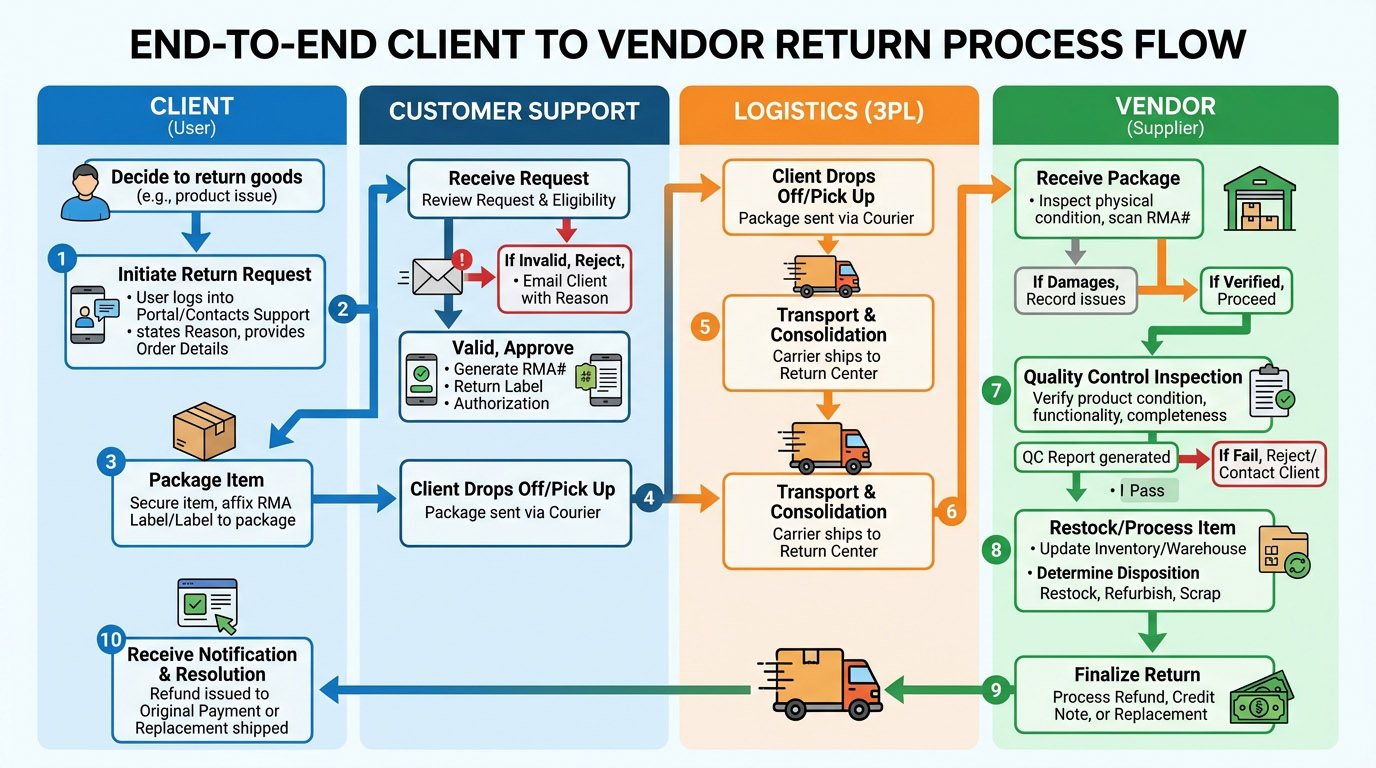
One of the biggest challenges with dropshipping from China is managing returns and exchanges. Dropshipping suppliers rarely handle returns directly—you’ll typically need to establish a separate return address or work with a local fulfillment center.
Strategies for handling returns:
1. Establish a local return address: Partner with a fulfillment service in your country to receive returns
2. Clear return policies: Set expectations with customers about return windows and processes
3. Quality verification first: Order samples to verify product quality before committing to a supplier
4. Partial refund options: Some sellers offer partial refunds instead of returns for minor issues
5. Supplier responsibility: Clarify with suppliers who bears responsibility for shipping errors or defects
Always confirm product quality, packaging, and return handling before starting any dropshipping relationship.
Minimum Order Quantities (MOQs) Explained
Balancing Inventory and Costs
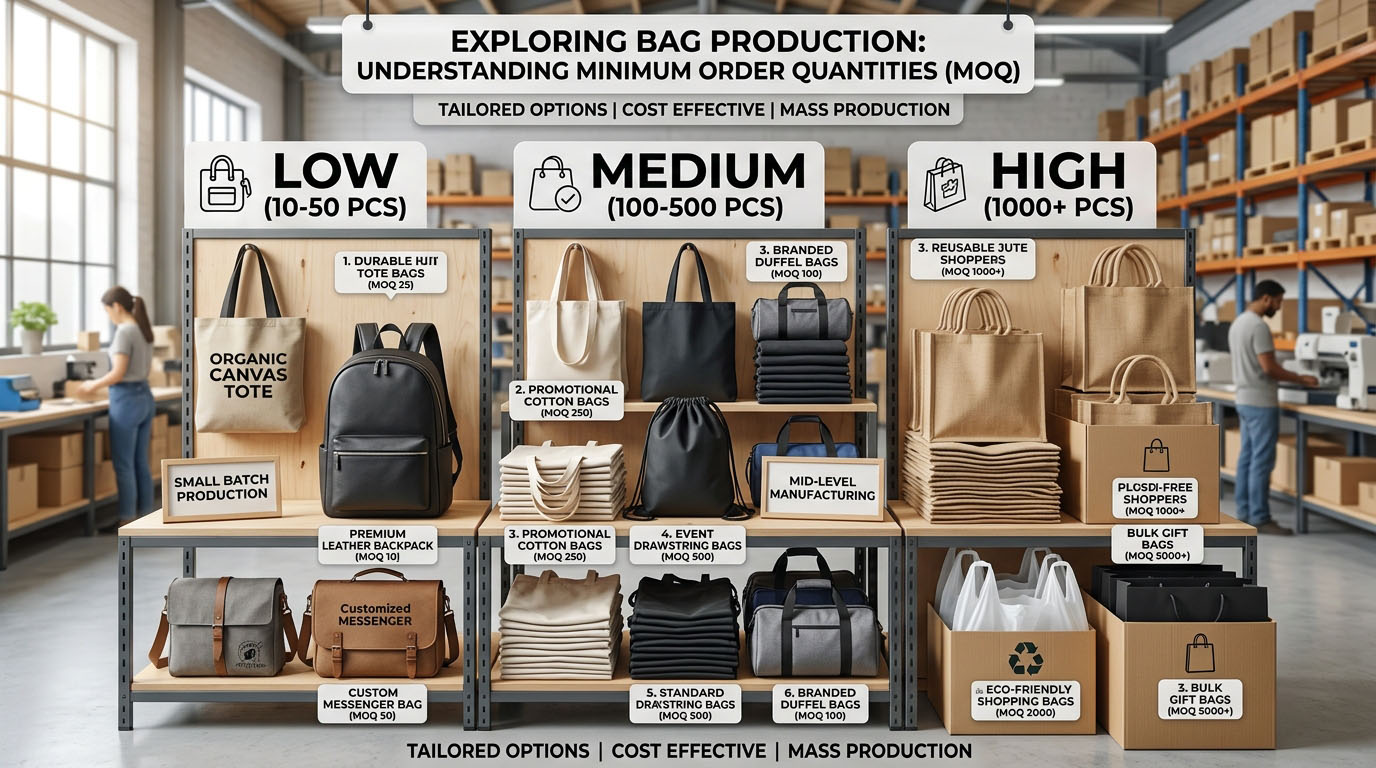
MOQs (Minimum Order Quantities) often apply for wholesale orders but may be waived or reduced for dropshipping arrangements. Understanding MOQ structures helps you choose the right supplier for your business stage:
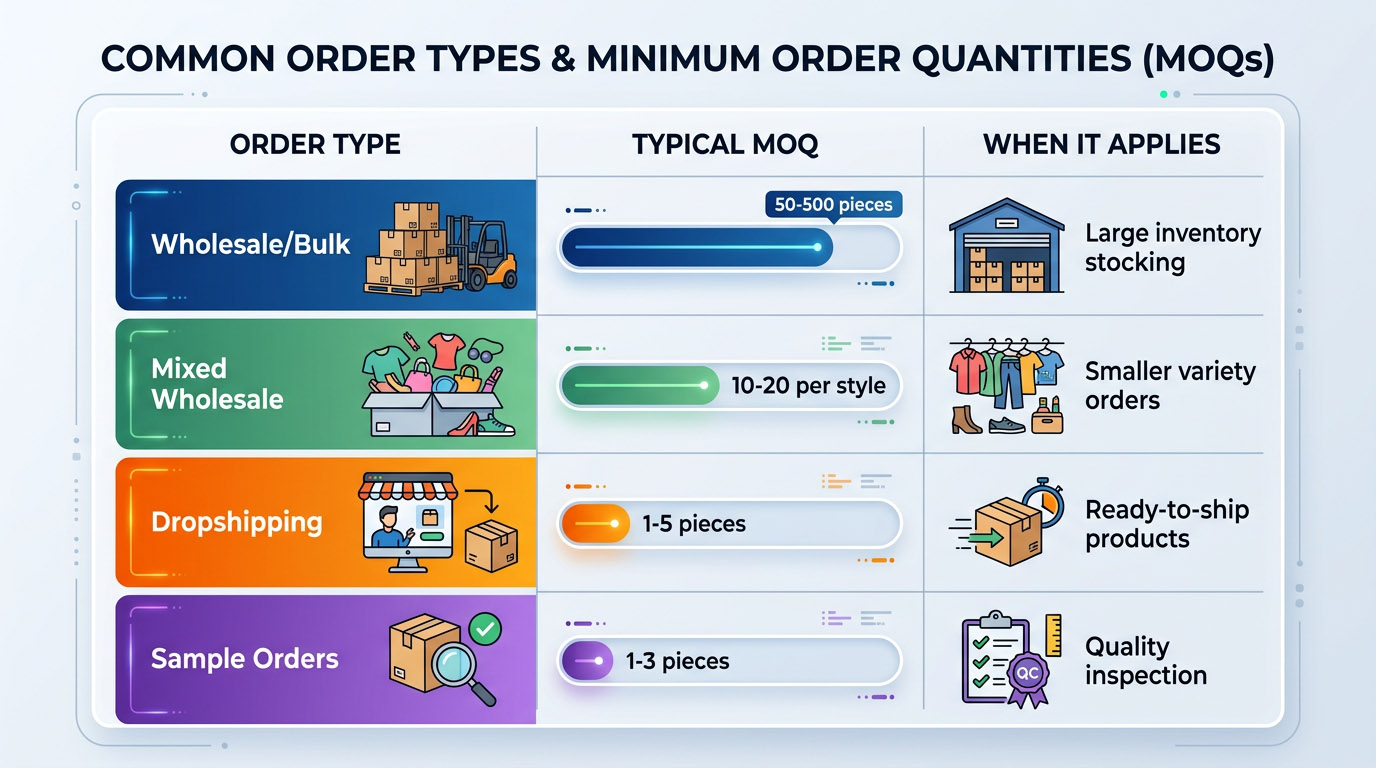
Sample orders typically ship within 3-5 days for quality inspection, allowing you to verify the product before committing to larger orders.
Branding and Customization Options
Making Your Products Stand Out
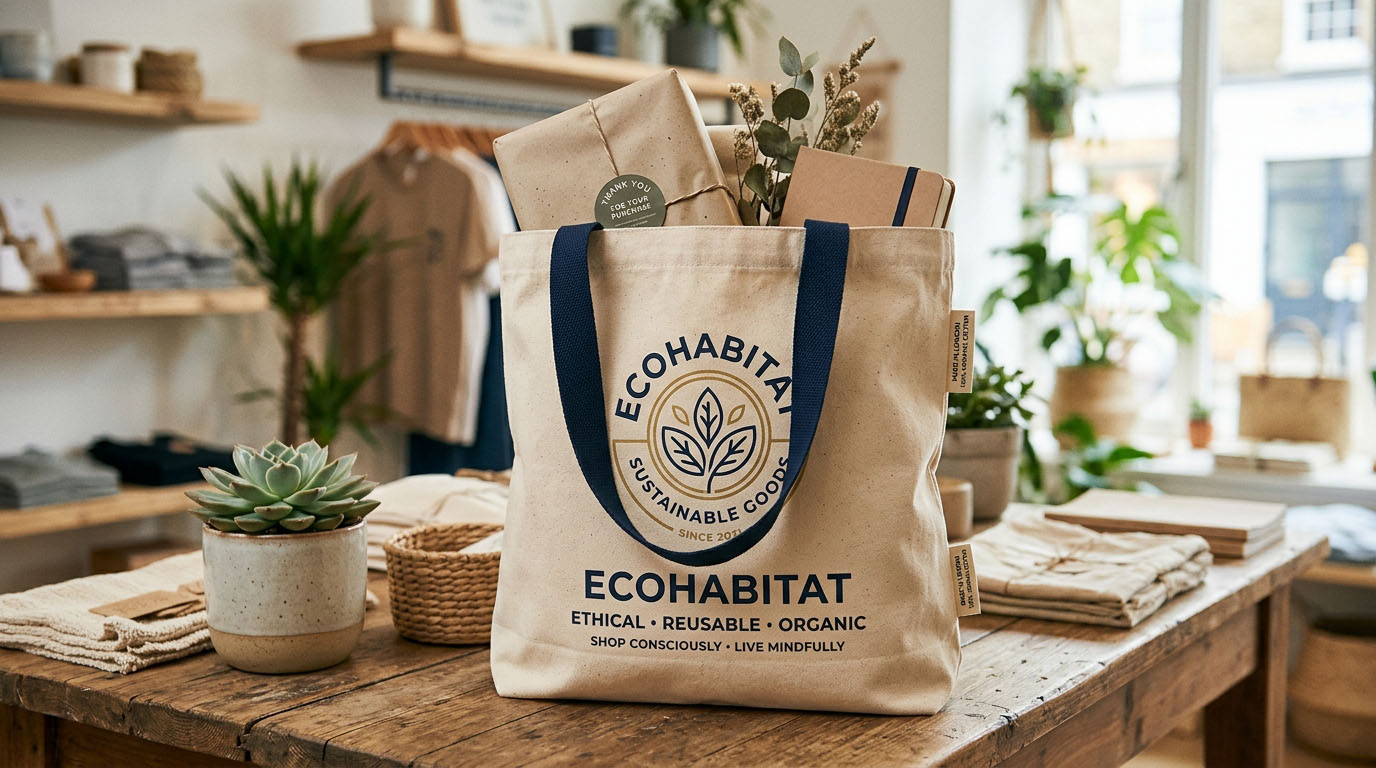
Custom branding is a crucial differentiator for online sellers. Here’s what you need to know about branding options:
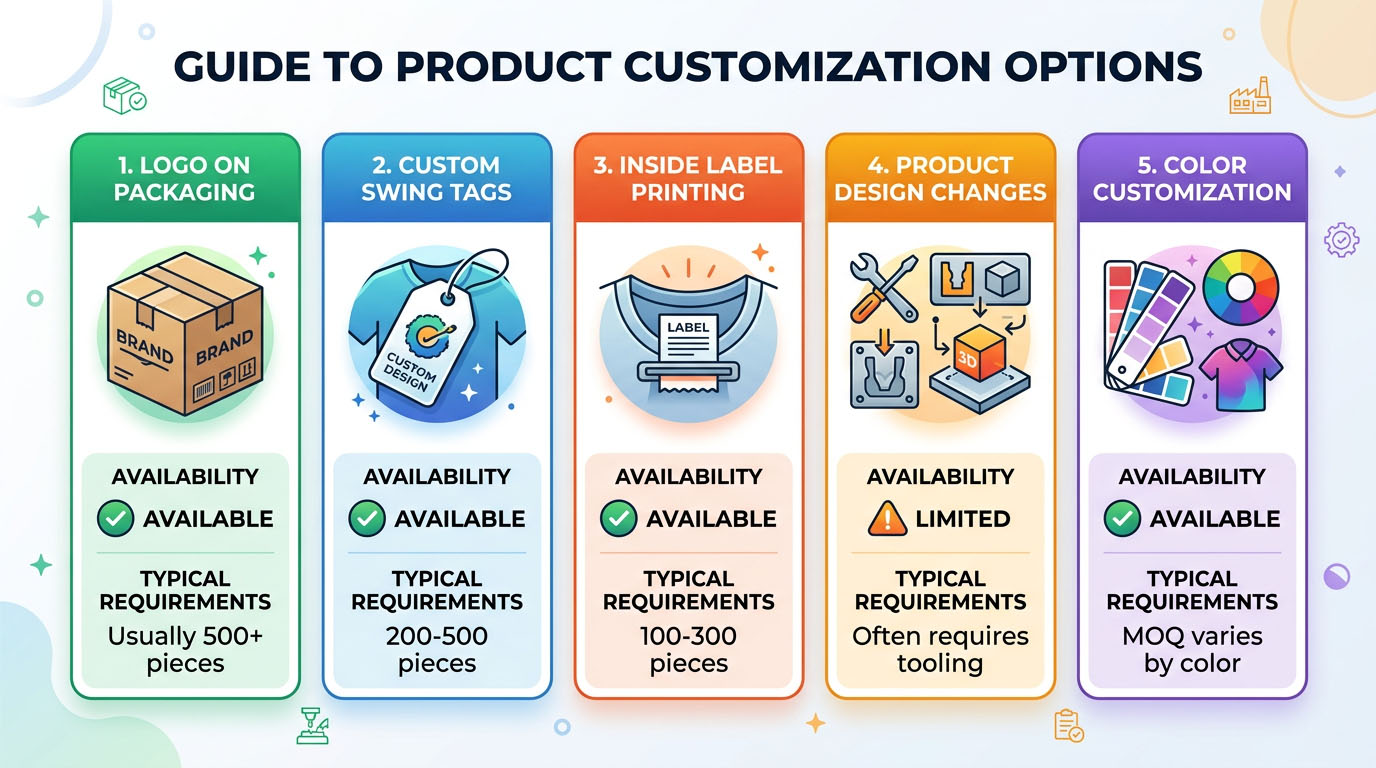
Custom branding (logo/design) is usually available for bulk orders only. Packaging customization requires additional fees and longer production time—typically 7-14 days extra beyond standard production.
Quality Control: Protecting Your Reputation
Why Verification Matters
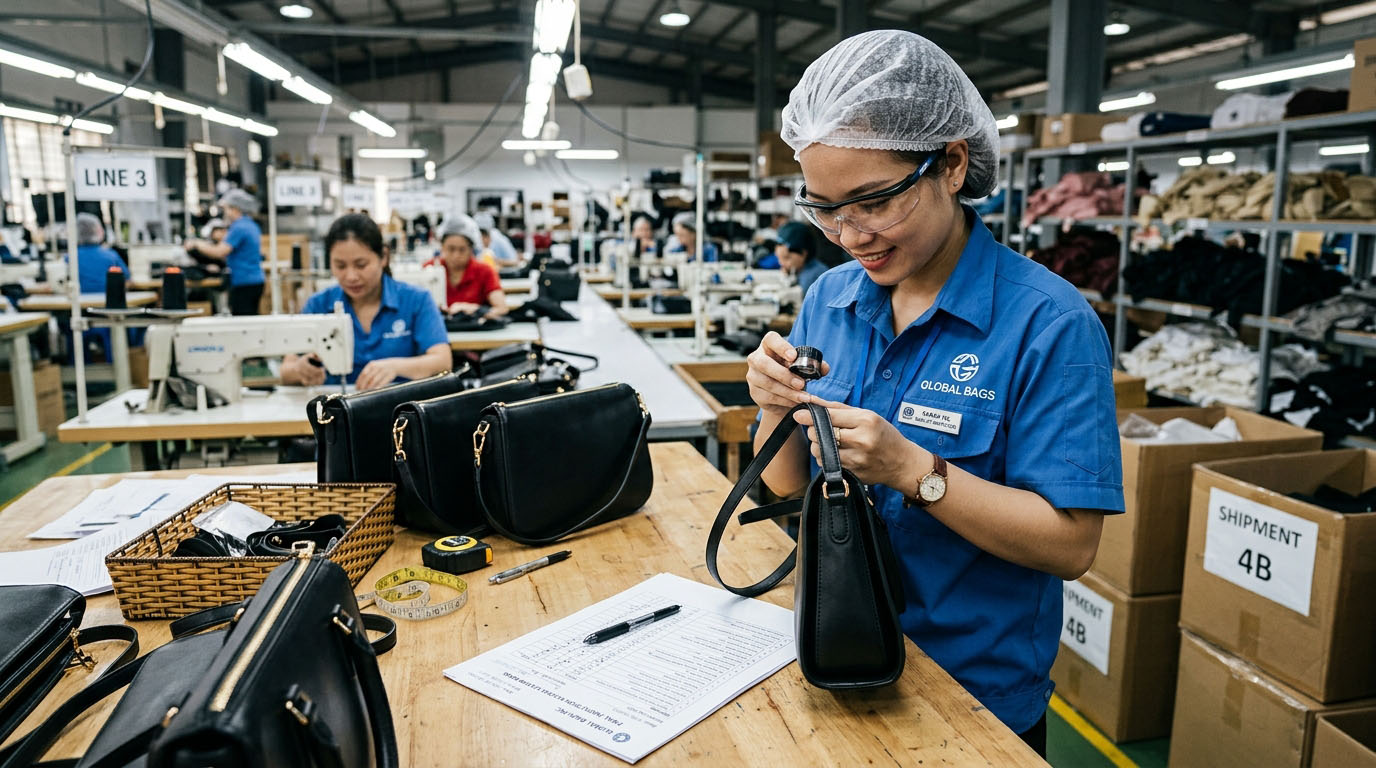
Product quality verification is critical before committing to a supplier. Your reputation depends on delivering quality products to your customers.
Quality control methods:
Order samples first: Always order samples from multiple suppliers before deciding
Third-party inspection services: Companies like QIMA, Bureau Veritas, or AsiaInspection can conduct factory audits and product inspections
Request product videos/images: Many suppliers provide detailed product videos and images for marketing use
Check certifications: Ensure products meet relevant safety and quality standards for your market
Supplier reliability can be checked via third-party inspection services, which analyze factors like factory conditions, production capacity, and quality management systems.
Payment Terms: What to Expect
Common Payment Arrangements
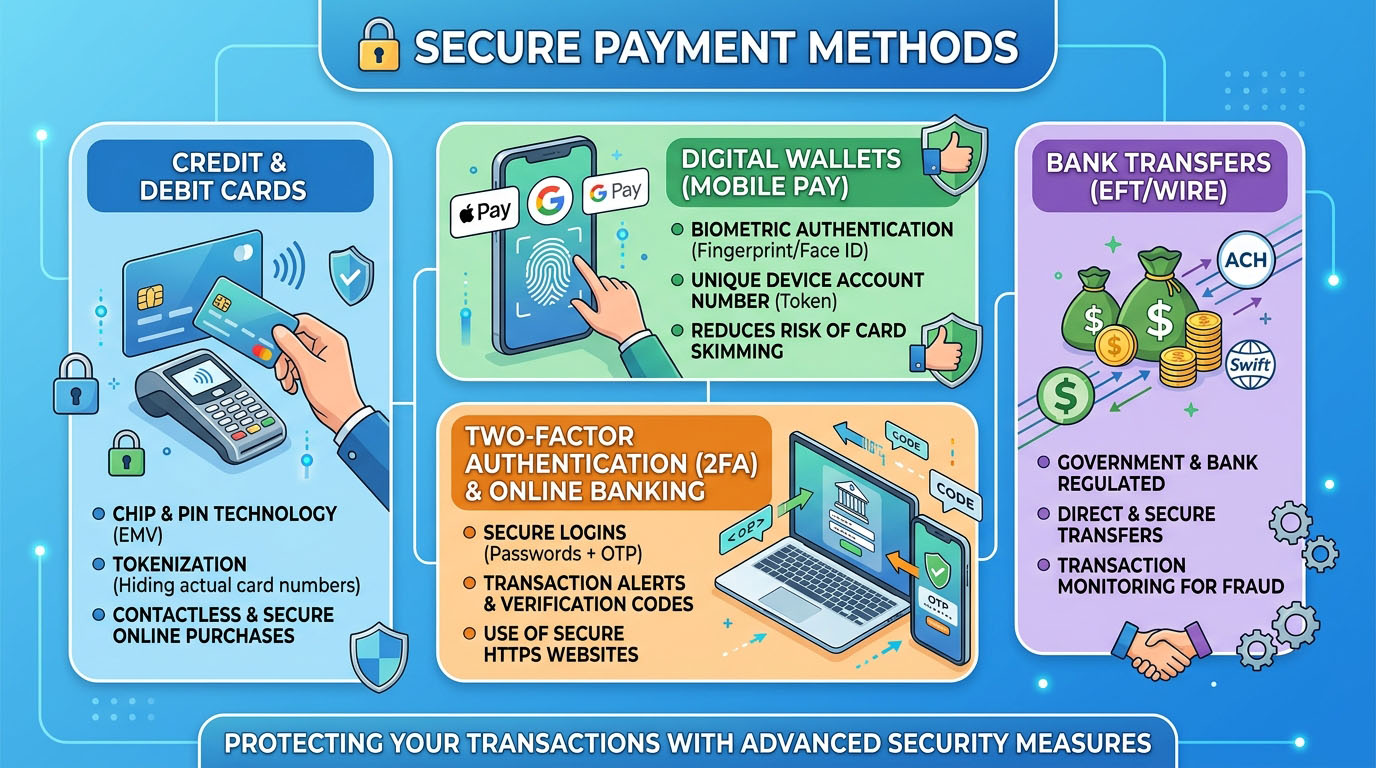
When working with Chinese suppliers, payment terms typically follow industry standards:
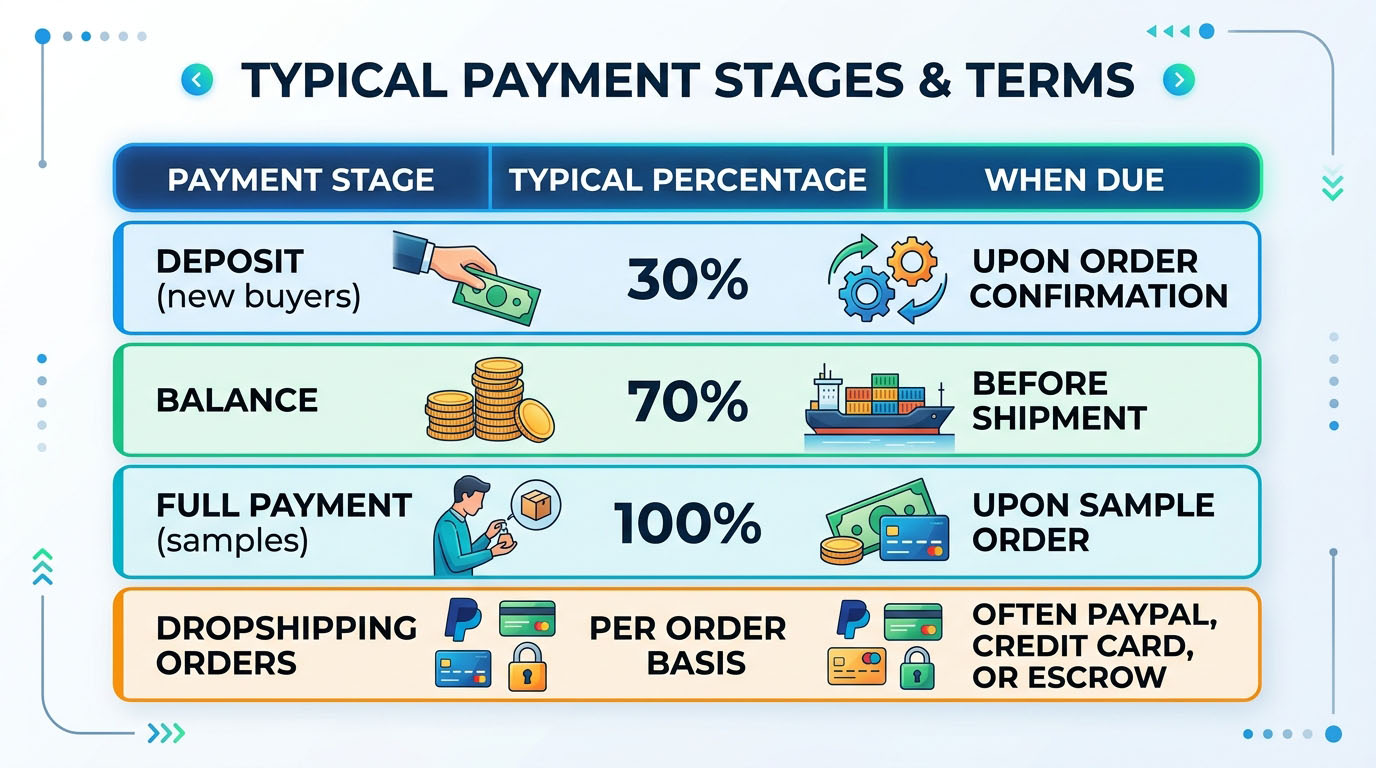
For new buyers, payment terms are usually 30% deposit and 70% balance before shipment. As you build a relationship with suppliers, you may negotiate more favorable terms like Net-30 or L/C (Letter of Credit) arrangements.
Finding Reliable Bag Suppliers in China
Where to Source
Popular platforms and methods for finding bag suppliers include:
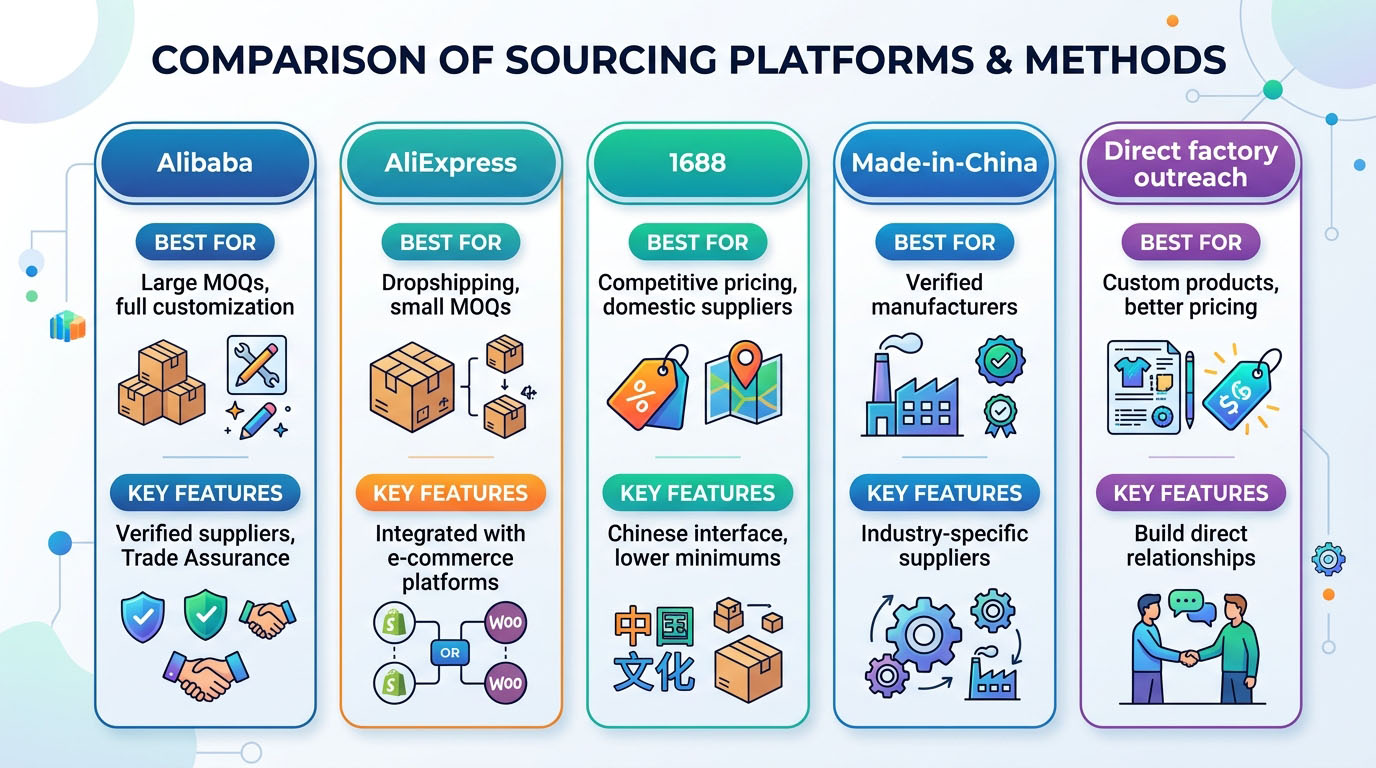
AI-powered supplier matching platforms now analyze over 100 quality metrics to help you find the most suitable suppliers for your specific needs.
Eco-Friendly and Sustainable Options
Meeting Consumer Demands
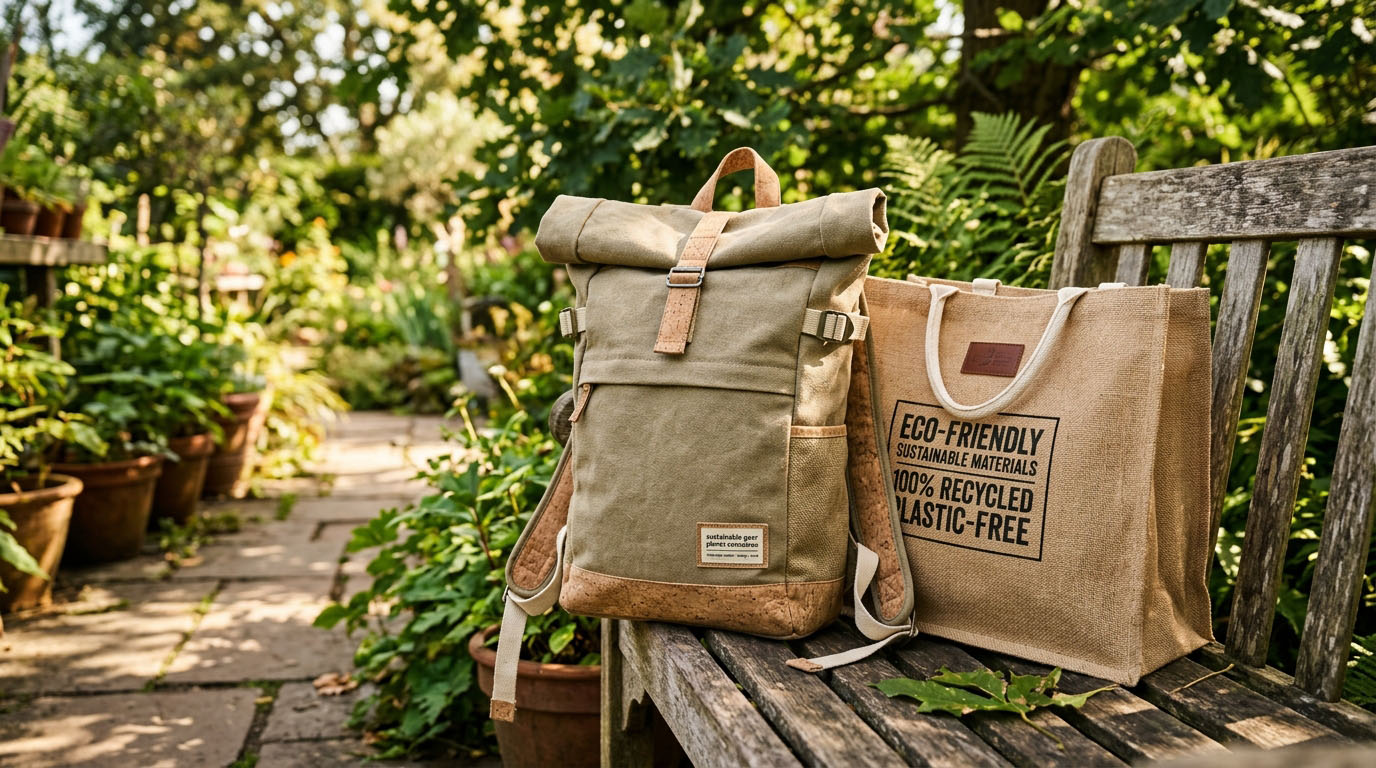
As sustainability becomes increasingly important to consumers, some niche manufacturers now offer eco-friendly packaging and sustainable bag options:
Recycled materials: Bags made from recycled plastics, ocean waste, or repurposed fabrics
Organic materials: Cotton, hemp, and other organic textiles
Eco-friendly packaging: Biodegradable or recycled packaging materials
Eco-friendly options typically come at a 10-15% premium, but can be a strong selling point for environmentally conscious consumers.
Technology and Innovation in Sourcing
Emerging Trends
The sourcing industry is evolving with new technologies:
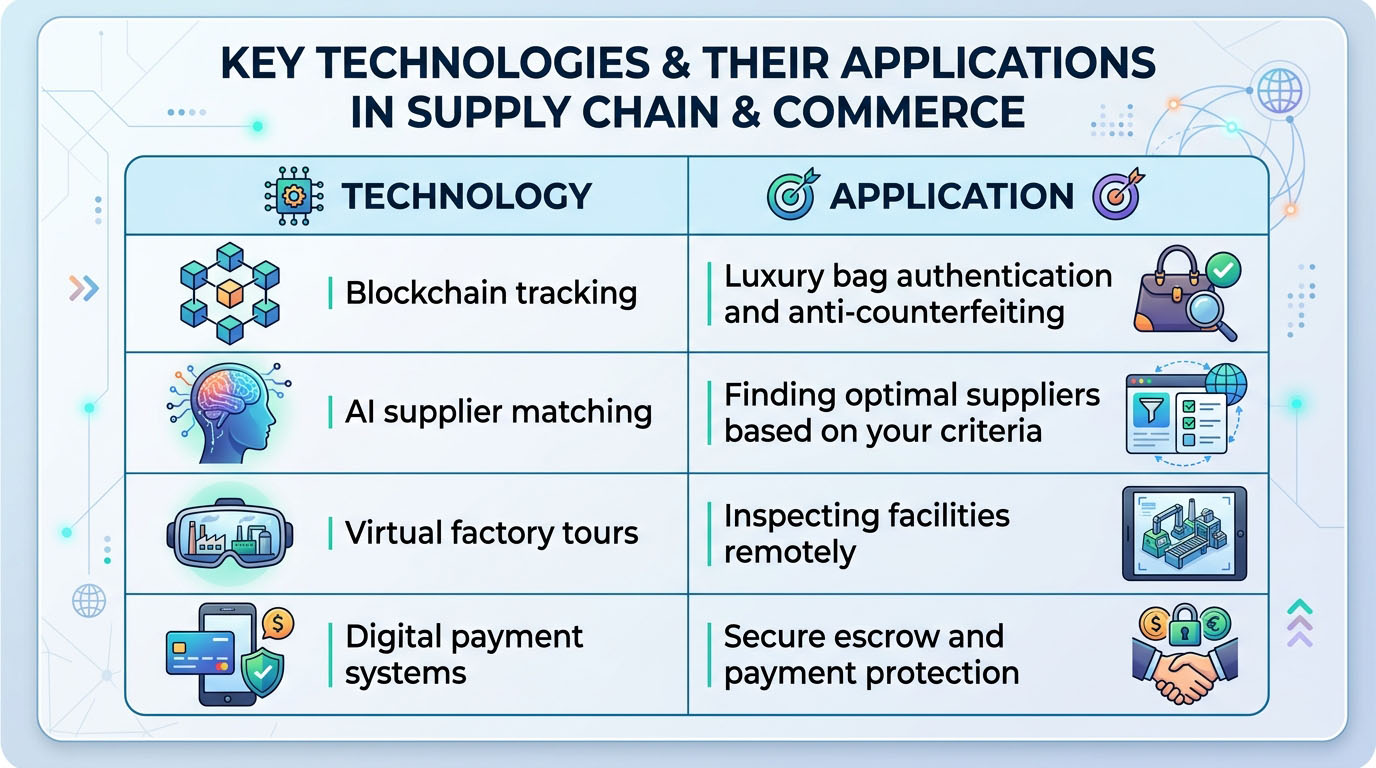
Blockchain-tracked shipments are emerging for luxury bag authentication, providing an extra layer of verification for high-value products.
Sample Orders: Your First Step
Why Samples Matter
Before committing to a supplier, always order samples:
What to check in samples:
Material quality and durability
Stitching and construction
Color accuracy (compare to photos)
Hardware quality (zippers, clasps, buckles)
Packaging presentation
Overall craftsmanship
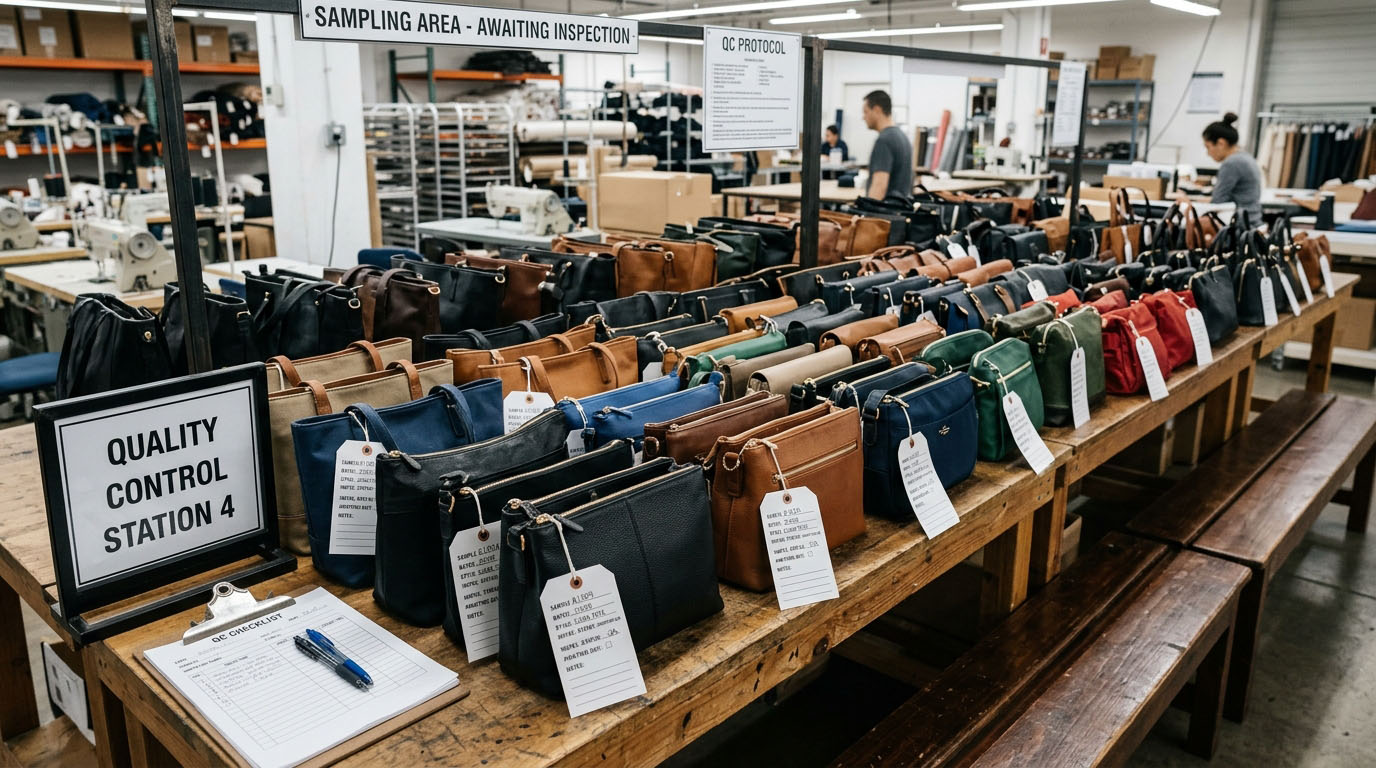
Sample orders typically ship within 3-5 days for quality inspection. Budget for sample costs—they’re an investment in protecting your business.
Conclusion: Building a Successful Bag Sourcing Strategy
Key Takeaways
Sourcing bags from China offers incredible opportunities for online entrepreneurs, but success requires:
1. Research thoroughly: Use multiple platforms and verification methods
2. Start with samples: Always verify quality before committing
3. Understand the costs: Factor in shipping, customs, and potential returns
4. Build relationships: Strong supplier relationships lead to better terms
5. Plan for growth: Start with dropshipping, scale to bulk as you grow
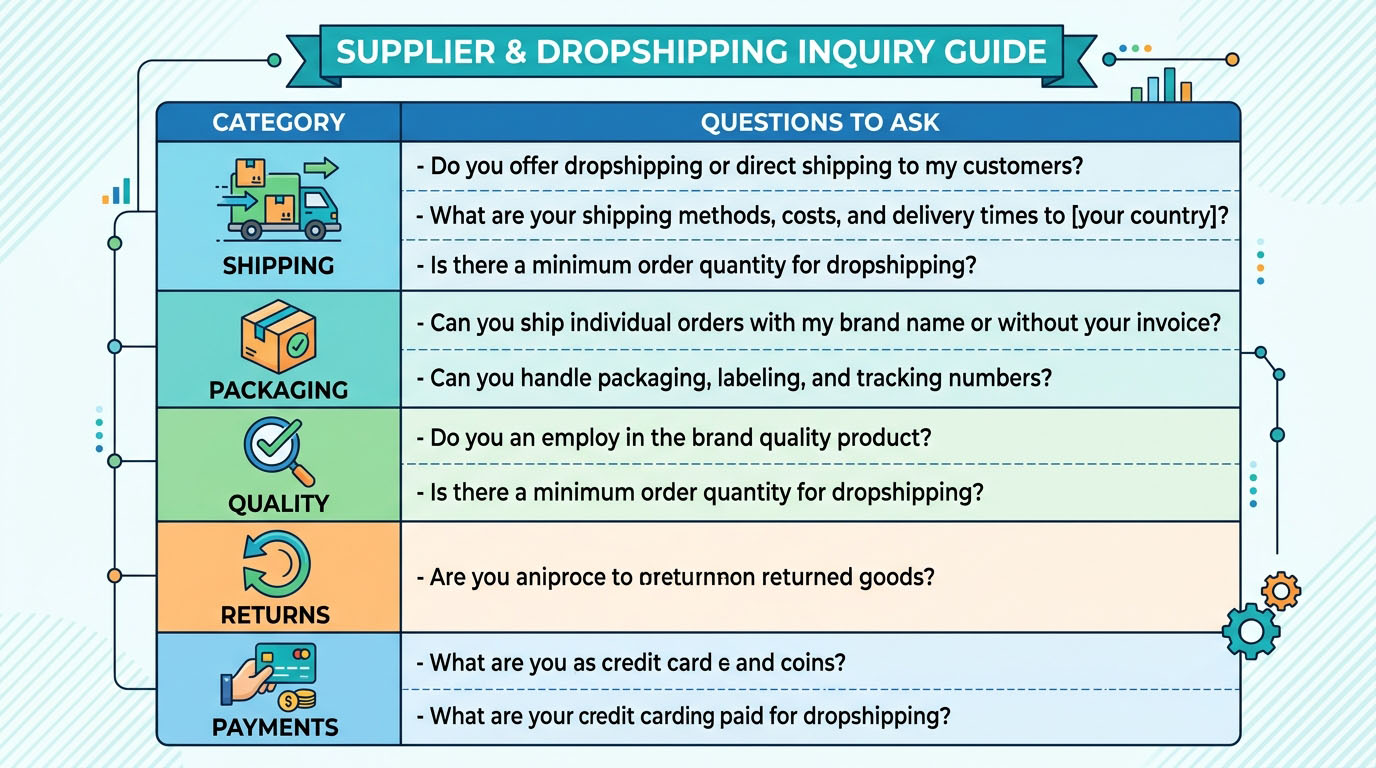
6. Communicate clearly: Use the supplier inquiry template below to get all the information you need
Simple supplier inquiry message:
“Hi, I sell bags online and want to source from China. Do you offer dropshipping or direct shipping to my customers in the USA? Please share MOQ, shipping cost, delivery time, and whether you can include custom packaging or no invoice.”
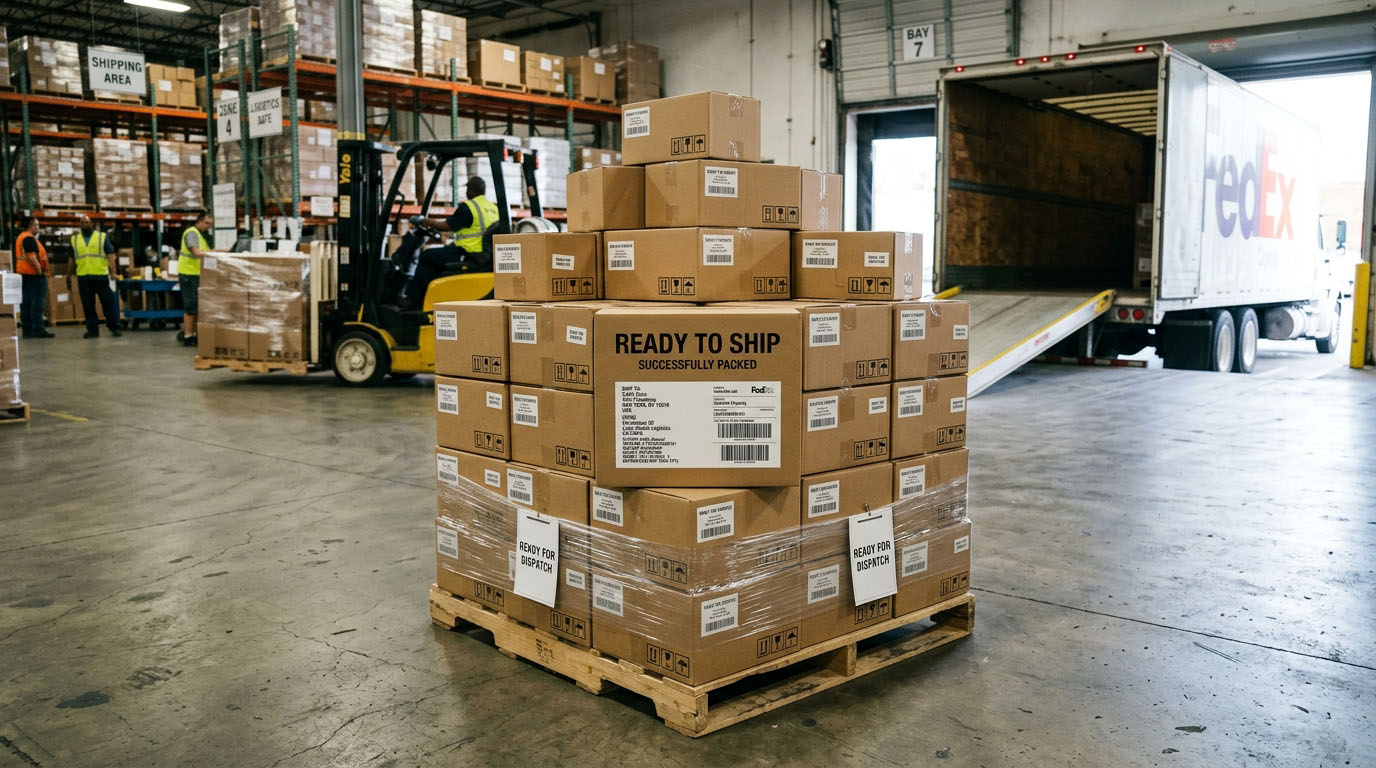
Quick Reference: Questions to Ask Your Supplier
Ready to Start Sourcing? With the right supplier and strategy, you can build a profitable bag business by sourcing from China’s extensive manufacturing capabilities. Take your time, verify quality, and scale gradually for long-term success.
Post time: Apr-24-2026