
As a small business owner selling bags online, navigating cross-border returns and exchanges with Chinese suppliers can feel like navigating a maze. But with the right knowledge and clear policies, you can turn this potential headache into a competitive advantage. Below, we break down everything you need to know to protect your business, satisfy your customers, and build strong partnerships with Chinese bag suppliers.
Key Questions to Ask Chinese Bag Suppliers Before You Order
Before placing your first small-batch or custom bag order, clarify these critical details with your supplier to avoid future disputes:
1. Return Eligibility: Do you accept returns for defective products, wrong styles/sizes, or transit-damaged goods?
2. Resolution Options: Will you offer a full refund, replacement, exchange, or store credit for eligible returns?
3. Cost Responsibility: Who covers international return shipping fees and customs duties?
4. Proof Requirements: What evidence is needed to file a claim (e.g., photos, videos, third-party inspection reports)?
5. Claim Window: How long do I have to report issues after delivery?
You can use this ready-to-send message to your supplier:
“Before I place orders, please confirm your return/exchange policy for defective, damaged, or incorrect bags. Please tell me the claim window, required proof, whether you offer replacement/refund/credit, and who pays return shipping and customs costs.”

Small business owner communicating with supplier
Typical Return & Exchange Policies for Chinese Bag Suppliers
Chinese suppliers have standardized policies tailored to small international business clients, but details can vary. Here’s what you can expect:
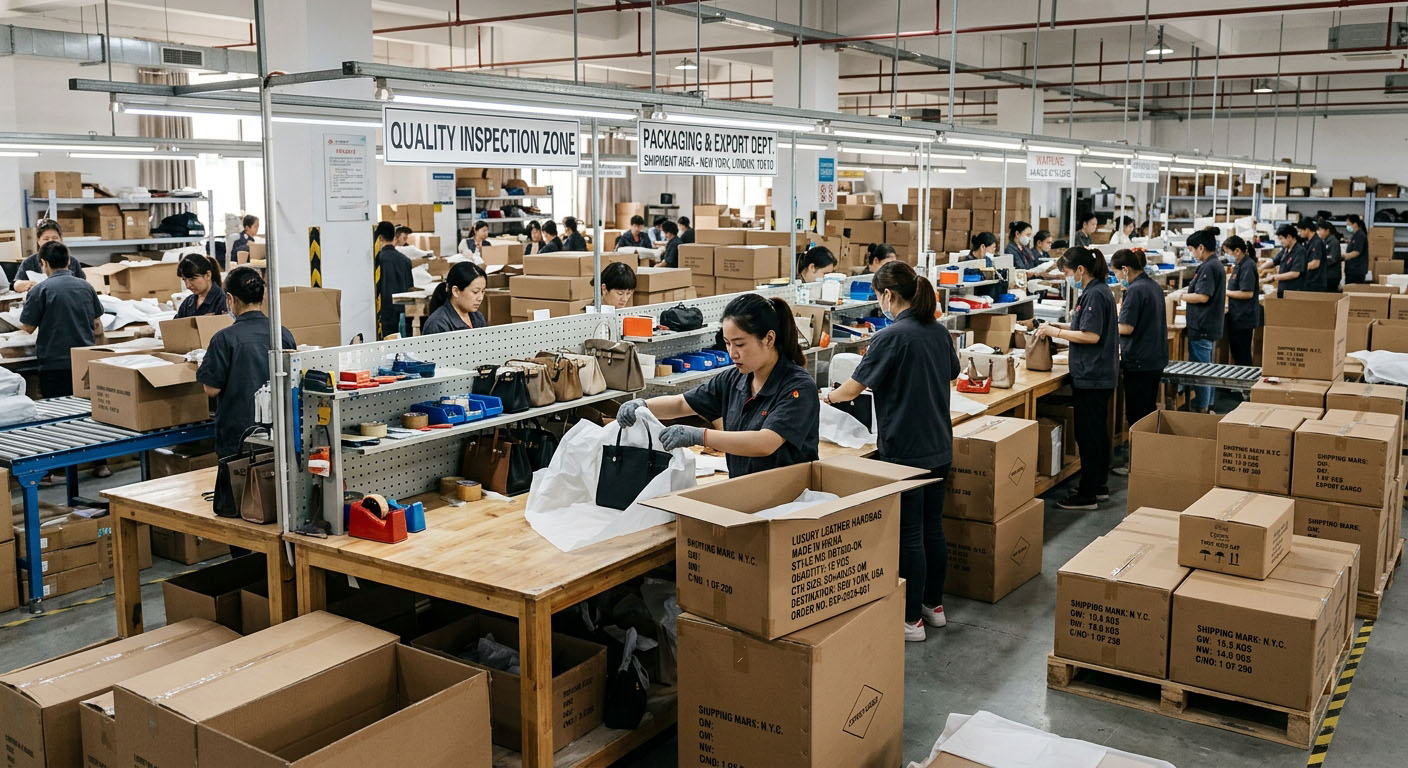
Defective Items: Most suppliers cover return shipping costs for defective bags and offer replacements, full refunds, or partial credits. For minor flaws, partial refunds without returns are often negotiated to avoid shipping expenses.
Non-Defective Returns: If you or your customer changes mind, you’ll typically cover return shipping, and suppliers may deduct a 15-30% restocking fee. Sample orders are usually exempt from return eligibility.
Transit Damage: File a claim immediately with photos of the damaged packaging and product. Suppliers may require you to work with the shipping carrier for compensation, or offer a replacement/refund depending on the agreement.
Seasonal Adjustments: During peak seasons like Christmas, some suppliers extend standard 7-14 day return windows to accommodate holiday shopping.
Return policy documentation
Lead Times & Logistics for Cross-Border Returns
Cross-border returns are slower than domestic ones, so set clear expectations with your customers:
Standard Timeline: Returns take 30-45 days on average, due to customs clearance and international shipping delays.
Local Return Warehouses: Some suppliers have warehouses in key markets like the US and EU. Returning to these locations cuts down on shipping time and costs significantly.
Advance Replacements: For trusted repeat clients, some suppliers offer “advance replacement”—shipping new bags before receiving the returned items.
Quality Control & Return Prevention for Small Batch Orders
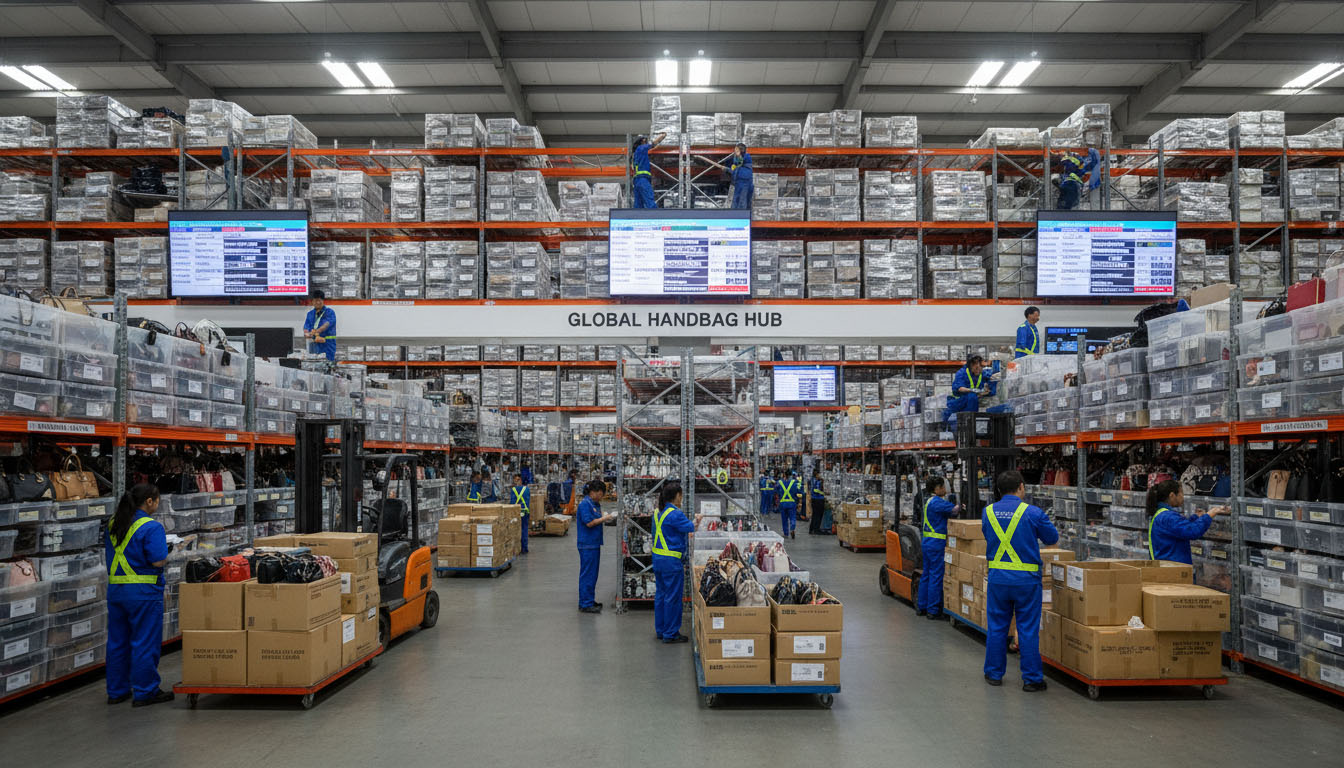
Chinese suppliers understand small businesses have limited resources, so they offer tailored quality control solutions:
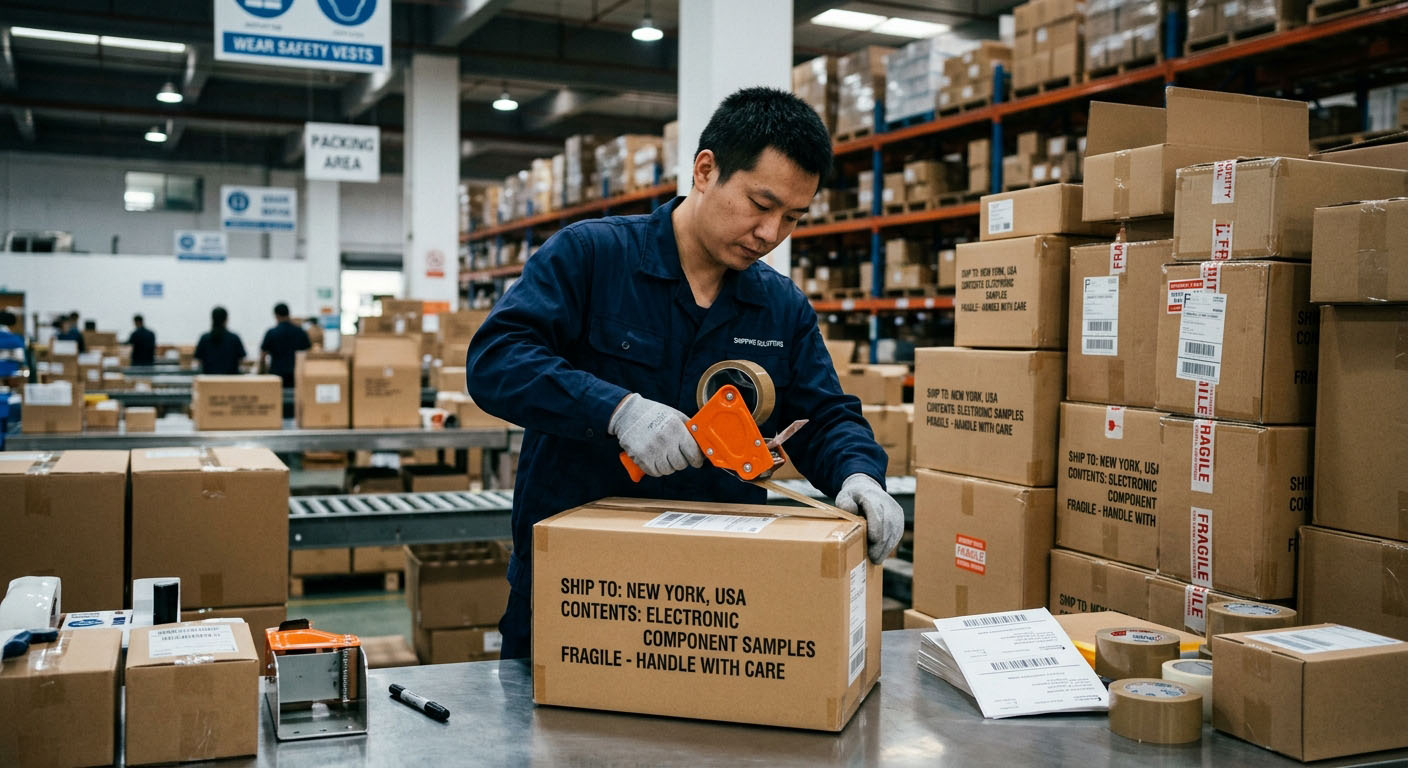
Pre-Shipment Inspections: Many suppliers allow third-party inspection services (e.g., SGS) to verify quality before shipment, reducing the risk of defective items reaching your customers.
AI-Powered Pre-Return Checks: 60% of suppliers now use AI chatbots to automatically assess defect validity through photos/videos uploaded by customers, speeding up the claim process.
Return Data Analytics: Some factories analyze return reasons to offer personalized discounts on future orders, helping you address recurring issues proactively.
Virtual Try-On Tools: Augmented reality virtual try-ons reduce bag return rates by 22% by letting customers preview how bags look and fit before purchasing.
Quality inspection process
Payment Terms & Return Security for First-Time Buyers
For first-time small business buyers, Chinese suppliers commonly accept these payment methods with return-related safeguards:
PayPal: A popular choice because PayPal disputes can be used to enforce return policies if suppliers don’t honor their agreements.
Escrow Services: Platforms like Alibaba offer escrow, where payment is held until you confirm the order meets quality standards, reducing the risk of losing money on defective goods.
Partial Payments: Some suppliers accept 30-50% upfront payment with the balance due after inspection, giving you leverage to resolve return issues before final payment.

Payment transaction security
Advanced Return Solutions for Modern Sellers
Innovative suppliers are adopting new technologies and processes to simplify cross-border returns:
Blockchain Tracking: Alibaba is piloting blockchain-based return tracking systems for transparent dispute resolution, giving both buyers and suppliers real-time visibility into return status.
Green Return Programs: Some suppliers incentivize keeping items with minor flaws through eco-points redeemable for future orders, reducing waste and shipping costs.
Destroy-and-Refund: For low-value items, suppliers may offer a refund in exchange for video proof of item destruction, eliminating the need for return shipping.
DDP Shipments: Delivered Duty Paid (DDP) shipments simplify returns by pre-paying import taxes on replacement goods, avoiding unexpected costs for you and your customers.
Sustainable return solutions
Creating Your Own Customer-Focused Return Policy
To build trust with your online customers, create a clear return policy that aligns with your supplier’s terms:
1. Separate Cases:
Supplier Defect: Offer free returns/exchanges and cover all shipping costs.
Customer Change of Mind: Allow returns within 14 days, but require customers to cover shipping costs and deduct a restocking fee.
Transit Damage: Guide customers to file claims with the shipping carrier and offer partial refunds or replacements as a goodwill gesture.
2. Clear Instructions: Provide step-by-step return instructions, including how to contact you, what proof is needed, and where to send returns.
3. Transparent Timelines: Clearly state how long returns take to process and when customers can expect refunds or replacements.
Small business return policy template
By mastering these cross-border return and exchange strategies, you’ll not only protect your business from financial losses but also build a reputation as a reliable, customer-focused seller in the competitive online bag market.
Post time: Apr-20-2026