
Introduction: Why Tiger Head Bags Are Captivating Global Markets
In the world of fashion accessories and bags, few items carry the cultural weight and artisanal significance of the Tiger Head Bag . This traditional Chinese handcrafted bag represents not merely a functional accessory but a living testament to centuries of artistic heritage, representing one of the most treasured aspects of China’s intangible cultural heritage . For B2B buyers, e-commerce entrepreneurs, and brand owners seeking distinctive products with authentic cultural narratives, Tiger Head Bags offer a compelling opportunity to differentiate their offerings in an increasingly competitive marketplace.
The Tiger Head Bag has transcended its origins as a folk craft item to become a symbol of cultural preservation, artisanal excellence, and meaningful gifting traditions. As global consumers increasingly seek products with stories, authenticity, and cultural significance, understanding the nuances of sourcing, quality evaluation, and market positioning for Tiger Head Bags has become essential knowledge for industry professionals. This comprehensive guide will equip you with the insights needed to confidently incorporate these remarkable products into your business portfolio.
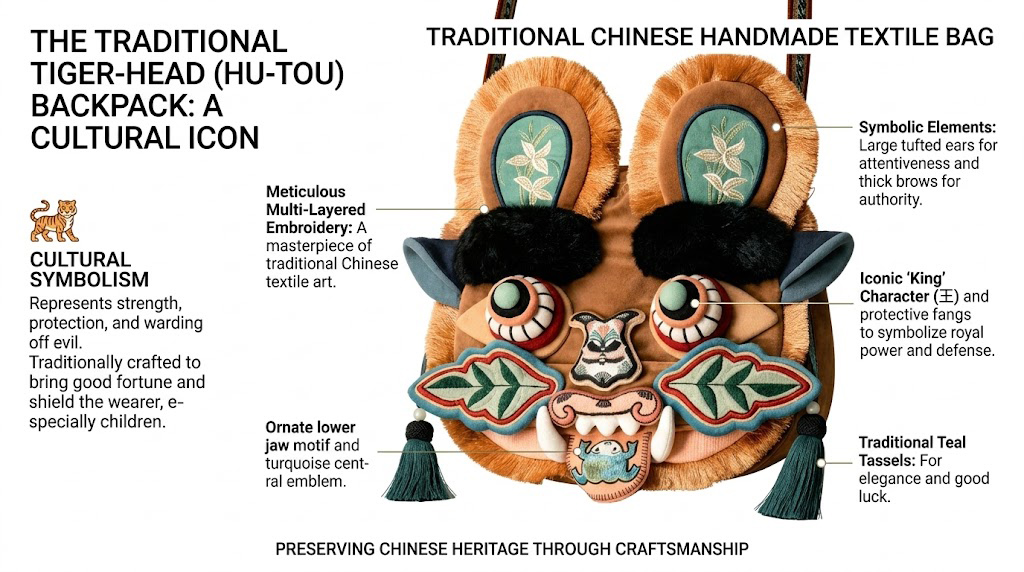
Section 1: Understanding the Heritage and Cultural Significance of Tiger Head Bags
1.1 Historical Origins and Regional Excellence
The Tiger Head Bag traces its roots deep into Chinese cultural history, emerging as a distinctive form of folk art that combines practical functionality with profound symbolic meaning. These bags are characterized by their signature tiger-head shaped designs, typically featuring elaborate embroidery work that transforms ordinary fabric into extraordinary works of art. The most renowned production of Tiger Head Bags originates from Guangxi Zhuang Autonomous Region in southern China, where generations of skilled artisans have refined and perfected these techniques, establishing the area as the undisputed center of Tiger Head Bag craftsmanship.
The regional concentration of Tiger Head Bag production in Guangxi is not coincidental but rather reflects centuries of cultural tradition, specialized skill development, and the transmission of techniques from master to apprentice within close-knit artisan communities. This geographical association has become so strong that “Guangxi Tiger Head Bag” has become synonymous with authenticity and quality in the international market, much like how specific regions are known for particular artisanal products worldwide.
Guangxi region landscape – the birthplace of Tiger Head Bag craftsmanship
1.2 Symbolic Meaning and Cultural Traditions
In Chinese culture, tigers symbolize courage, strength, and protection against evil spirits. The tiger’s significance in Chinese mythology and folklore dates back thousands of years, making it one of the most revered animal symbols in the culture. When artisans incorporate tiger head motifs into bag designs, they imbue these objects with protective qualities that go far beyond their practical use. This symbolic dimension transforms a simple carrying accessory into a meaningful talisman that carries deep cultural resonance.
The tradition of gifting Tiger Head Bags, particularly to children, represents one of the most touching expressions of this cultural significance. During traditional Chinese festivals and celebrations, elders present Tiger Head Bags to young children as tokens of blessing and protection. The bags serve as tangible expressions of wishes for the child’s safety, (healthy growth), and future success. This gifting tradition has sustained demand for Tiger Head Bags across generations and continues to provide a cultural foundation for their ongoing relevance in modern markets.

1.3 The Art of Embroidery: Defining Characteristic of Tiger Head Bags
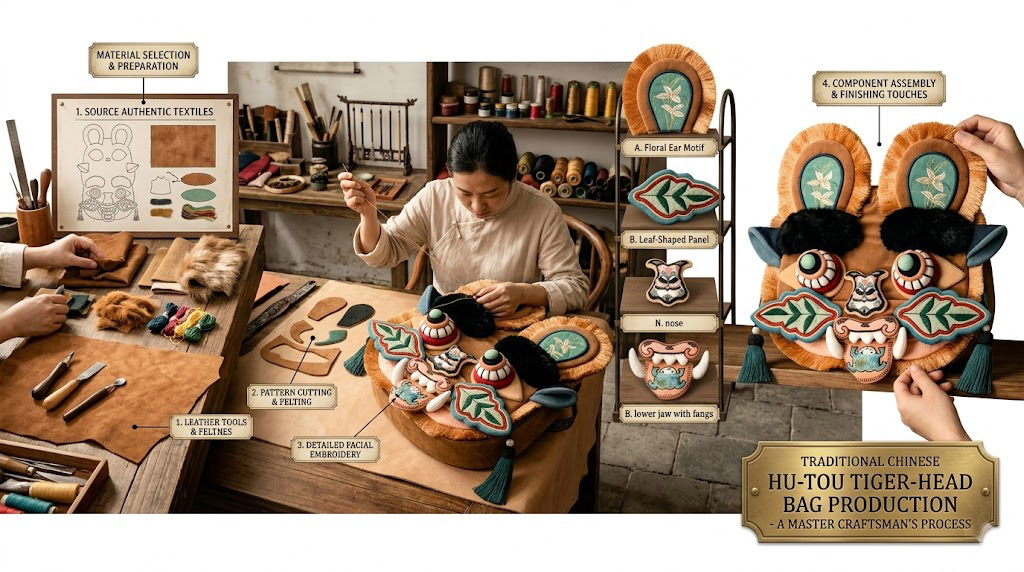
The embroidery work on Tiger Head Bags represents the pinnacle of traditional Chinese textile arts applied to functional objects. Skilled artisans employ intricate stitching techniques passed down through generations, creating elaborate patterns that feature vibrant colors, precise detailing, and remarkable depth. The embroidery typically incorporates silk threads, metallic yarns, and sometimes even precious materials, resulting in surfaces that catch light and create visual interest from every angle.
The complexity of Tiger Head Bag embroidery cannot be overstated. Each bag may require hundreds of hours of meticulous hand work, with artisans carefully building up layers of stitching to create the dimensional effect that distinguishes fine examples from mass-produced imitations. The color palettes used draw from traditional Chinese aesthetic principles, often featuring bold reds, golds, greens, and blacks that carry their own symbolic meanings within the cultural context.

Section 2: The Production Process and Quality Considerations for B2B Buyers
2.1 Material Selection and Sourcing
For B2B buyers sourcing Tiger Head Bags from China, understanding the materials used in production is essential for quality assessment and pricing negotiations. The primary materials include various fabric bases (typically cotton, linen, or silk depending on the bag’s intended use and price point), embroidery threads (silk being the premium choice), and structural components such as linings, closures, and straps. Hardware elements including buckles, clasps, and decorative fittings may be made from various metals or alloys, with brass and zinc alloy being common choices.
Quality variations in materials directly impact both the aesthetic appeal and durability of the finished bags. Premium Tiger Head Bags utilize natural silk fabrics and threads, which produce richer colors and a more luxurious feel compared to synthetic alternatives. However, the choice of materials ultimately depends on your target market positioning—children’s gift items may prioritize safety and washability, while luxury collectibles demand the finest materials available.
Various fabric and thread materials used in traditional bag making
2.2 Craftsmanship Standards and Quality Benchmarks
When evaluating Tiger Head Bags for your business, several quality indicators distinguish exceptional pieces from inferior products. Stitching quality forms the foundation of assessment—each stitch should be uniform, secure, and free from loose threads or skipped stitches. The embroidery work should display consistent tension throughout, with no puckering or distortion of the base fabric. Colors should remain vibrant without bleeding or fading, and the tiger head motif should be symmetrical and properly centered.
Structural integrity encompasses the bag’s ability to maintain its shape under normal use conditions. Handles and straps must be securely attached with reinforced stitching, and closures should function smoothly without catching or jamming. The interior construction, including lining attachment and seam finishing, often reveals the overall quality level of production. Professional third-party inspection services can provide objective assessments using established quality standards such as AQL (Acceptable Quality Limit) protocols, typically setting thresholds at 2.5 or 4.0 defects per hundred units depending on your quality requirements.
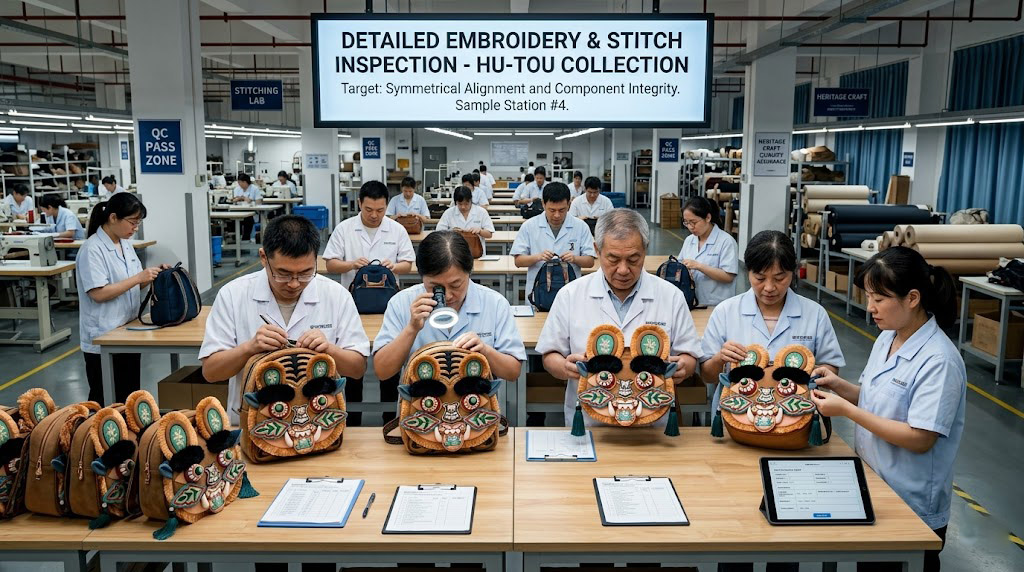
Professional quality inspection of bag stitching and embroidery details
2.3 Production Timeline and MOQ Considerations
Understanding production timelines is crucial for inventory planning and customer expectation management. Traditional handcrafted Tiger Head Bags require significant production time due to the intensive embroidery work involved. A single complex piece may require several weeks to complete, while larger production runs must account for the limited number of skilled artisans capable of producing quality work. This constraint means that lead times for custom orders may extend to 4-8 weeks or longer, depending on order size and design complexity.
Minimum Order Quantities (MOQs) for Tiger Head Bags vary significantly among manufacturers and reflect the labor-intensive nature of production. Some artisans and workshops accept smaller orders to accommodate boutique retailers and emerging brands, while others require substantial commitments to justify the setup time for custom designs. For businesses testing market demand, starting with smaller sample orders before committing to bulk production allows practical assessment of craftsmanship quality without significant financial risk—a strategy that aligns with prudent inventory management principles.
Section 3: Quality Control Protocols for International Buyers
3.1 Implementing Multi-Stage Inspection Processes
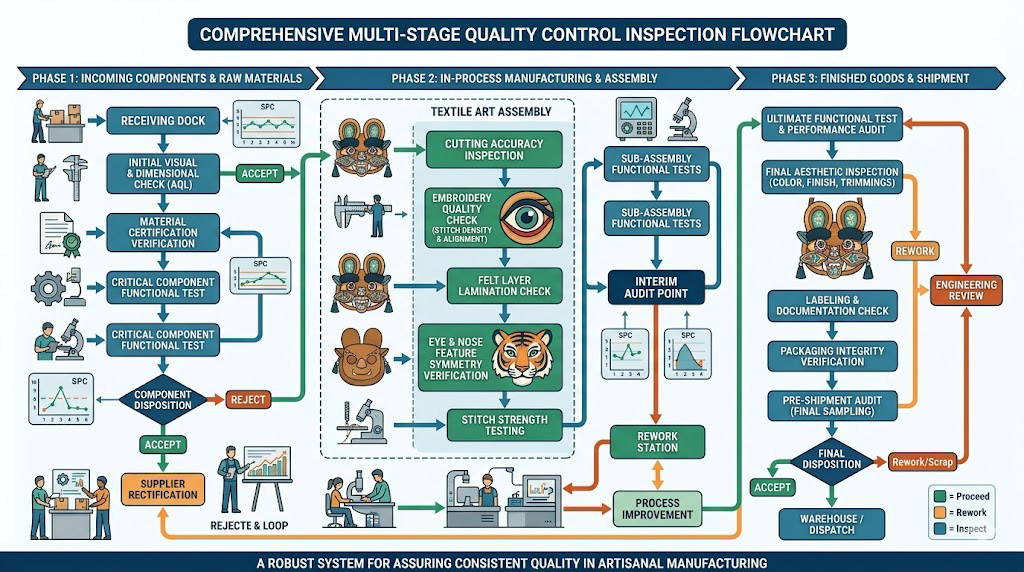
Establishing robust quality control processes at multiple production stages is essential for ensuring consistent product quality when sourcing Tiger Head Bags from China. A comprehensive approach includes incoming material inspection, in-process quality checks, and pre-shipment final inspection. Each stage serves a distinct purpose in the overall quality assurance framework, catching potential issues at the earliest possible point in the production cycle when corrections remain cost-effective.
Incoming Quality Control (IQC) focuses on verifying that raw materials—fabrics, threads, hardware, and packaging materials—meet specified standards before entering production. This stage prevents quality issues from propagating through the manufacturing process and establishes accountability for material-related defects. In-Process Quality Control (IPQC) monitors production as it progresses, examining critical operations such as cutting, sewing, assembly, and particularly the embroidery work that defines Tiger Head Bags. Pre-shipment inspection provides the final quality gate, verifying that finished goods match approved samples and meet all established criteria before incurring shipping costs.
3.2 Documentation Requirements and Reporting Standards
Professional inspection services should deliver comprehensive documentation that provides clear evidence of product condition at each inspection stage. For Tiger Head Bags, essential documentation includes timestamped photographs of inspected items, detailed defect descriptions categorized by severity (critical, major, minor), and quantitative data regarding sample sizes and defect rates. The inspection report must reference your approved golden sample or specification sheet to establish clear compliance criteria.
When engaging third-party inspection companies such as SGS, Bureau Veritas, TÜV, or specialized Asian inspection services, clearly communicate your documentation requirements upfront. Standard reports typically include product specifications, quantity verified, defect categories found, and overall pass-or-fail recommendations. For Tiger Head Bags specifically, request close-up photography of embroidery work, handle and strap attachments, closure mechanisms, and any areas where defects might occur. This photographic evidence provides verifiable documentation for quality discussions with suppliers and supports dispute resolution when necessary.
3.3 Establishing Clear Technical Specifications
The foundation of effective quality control lies in establishing clear, detailed technical specifications before production begins. For Tiger Head Bags, specifications should address dimensions and tolerances, material requirements (including fabric weight, thread type, and hardware specifications), embroidery design requirements with reference images, color matching standards using physical or digital color references, and functional requirements for handles, straps, and closures.
Functional testing requirements deserve particular attention for bags that will undergo actual use. Load-bearing tests for handles and straps verify that these components can withstand expected stress without failure. zipper and closure functionality testing ensures smooth operation over the product’s intended lifespan. Water resistance testing may be relevant for certain applications. By documenting these requirements clearly and referencing them in supplier contracts, you minimize misunderstandings and establish objective criteria for quality evaluation.
Section 4: Communication Strategies and Supplier Relationship Management
4.1 Effective Communication Protocols with Manufacturers
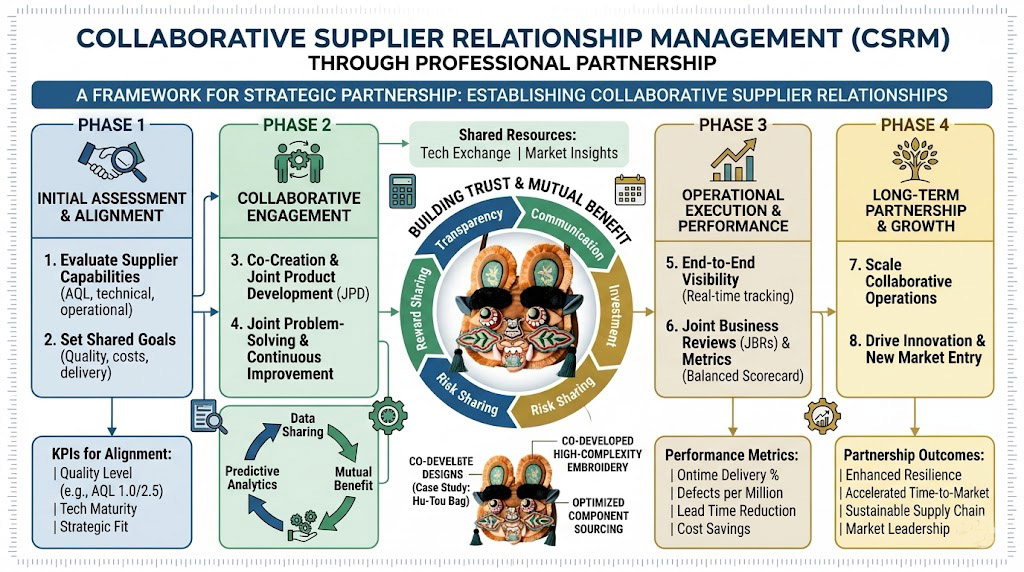
Establishing clear communication protocols with Chinese manufacturers is fundamental to successful quality control coordination. Cultural and linguistic differences can create challenges that proactive communication strategies can mitigate. Begin by ensuring all quality requirements, specifications, and expectations are documented in writing, using both English and Chinese where possible to eliminate ambiguity. Consider engaging professional translation services or working with sourcing agents who can facilitate clear communication.
Regular communication cadence should include progress updates at predetermined production milestones, immediate notification of any quality issues or production challenges, and scheduled video calls for visual verification when text communication proves insufficient. Many Chinese manufacturers appreciate and respond well to direct, respectful communication that demonstrates professional commitment to the business relationship. Using visual communication tools such as WeChat, WhatsApp, or dedicated project management platforms enables rapid exchange of photographs and videos that clarify requirements more effectively than text descriptions alone.
4.2 Contractual Protections and Payment Terms
Protecting your business interests through well-structured contracts and payment terms is essential when sourcing Tiger Head Bags from China. Contracts should clearly specify quality requirements, inspection protocols, acceptance criteria, and consequences for non-compliance. Including provisions for rework, replacement, or price adjustments when products fail to meet specifications provides recourse if quality issues arise despite preventive measures.
Payment protection methods significantly reduce risk when engaging with new suppliers. Escrow services hold funds until satisfactory delivery, while staged payments align cash flow with production milestones—typically 30% deposit to begin production, 40% upon passing pre-shipment inspection, and 30% upon confirmed delivery. Some buyers prefer Letter of Credit arrangements for larger orders, providing bank-backed security for both parties. The appropriate payment structure depends on order value, supplier relationship maturity, and your risk tolerance.
4.3 Building Long-Term Supplier Relationships
While initial transactions require careful risk management, building long-term relationships with qualified Tiger Head Bag suppliers offers significant advantages for sustained business success. Consistent ordering patterns encourage suppliers to prioritize your orders, provide preferential pricing, and invest in understanding your specific quality requirements. Relationship-based business often results in improved communication, faster problem resolution, and greater flexibility when unexpected challenges arise.
Nurturing supplier relationships requires mutual respect, fair dealing, and genuine interest in the supplier’s success alongside your own. Visiting production facilities when possible demonstrates commitment and provides insights into capabilities and working conditions. Sharing market feedback constructively helps suppliers improve their products and service. Recognizing and acknowledging good performance encourages continued excellence. Over time, these relationships can evolve into strategic partnerships that support business growth and competitive advantage.
Section 5: Handling Quality Disputes and Problem Resolution
5.1 Dispute Prevention Through Proactive Measures
The most effective approach to handling quality disputes is preventing them from occurring in the first place. Comprehensive quality control protocols, clear specifications, and consistent communication significantly reduce the likelihood of significant quality deviations reaching your customers. However, even the most rigorous preventive measures cannot eliminate all risk, making dispute resolution capabilities essential for any serious B2B operation.
Prevention strategies include requiring pre-production samples (golden samples) that establish the quality benchmark for mass production, conducting during-production inspections that identify issues before entire orders are completed, and maintaining open communication channels that enable suppliers to flag concerns before they become critical. Documenting all communications, approvals, and production decisions creates a record that supports dispute resolution if disagreements arise regarding what was agreed upon or what constitutes acceptable quality.
5.2 Systematic Approach to Quality Issues
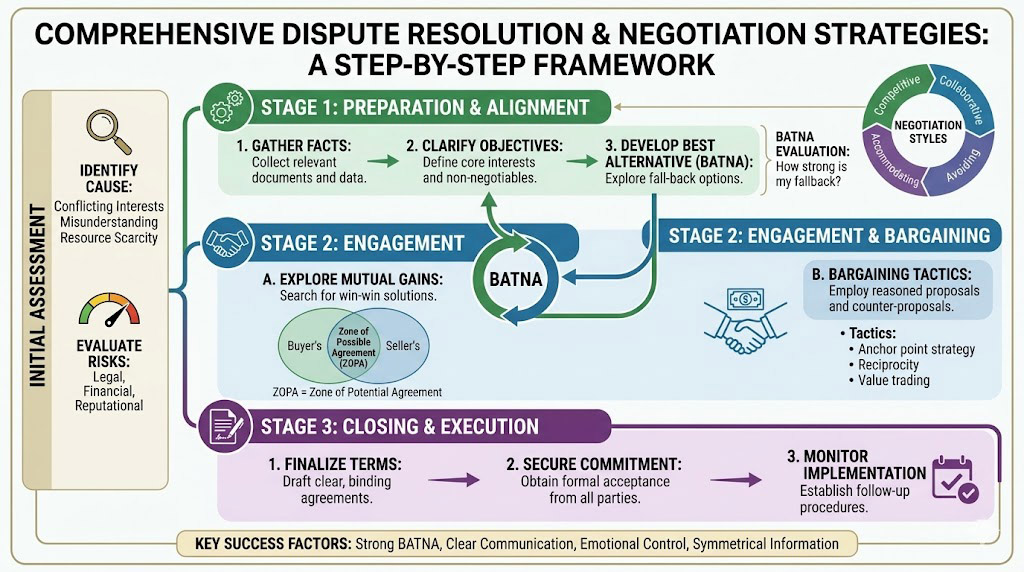
When inspection results reveal significant quality deviations, a systematic approach ensures fair resolution while protecting business interests. Begin by thoroughly reviewing the inspection report and photographic evidence to understand the nature and extent of quality issues. Categorize defects by severity and impact—critical defects affecting safety or basic functionality require different responses than minor aesthetic imperfections. Calculate defect rates against your established AQL standards to determine whether the shipment technically passes or fails acceptance criteria.
Communication with suppliers should be prompt, professional, and factual. Present evidence clearly, reference agreed-upon specifications, and propose specific remedies that reflect the severity of issues identified. Common resolution options include requesting rework of defective units, accepting partial shipment with price adjustment, rejecting entire shipments for replacement, or negotiating compensation for reduced value. The appropriate response depends on the nature of defects, your inventory needs, and contractual provisions.
5.3 Escalation and Resolution Strategies
For disputes that cannot be resolved through direct negotiation, escalation strategies may be necessary. Many Chinese manufacturers value their reputation and international business relationships, making reputation concerns a powerful leverage point. Document all communications thoroughly, as clear records support your position in any escalation scenario. Professional sourcing agents or quality control companies often have established relationships with manufacturers and can facilitate resolution through their networks.
Legal escalation should be considered carefully, weighing the costs and time required against the value at stake. For significant orders, engaging legal professionals with China trade experience can provide guidance on contractual rights and enforcement options. However, many disputes resolve through continued negotiation once parties understand that escalation will follow if reasonable resolution cannot be achieved. The goal remains achieving fair outcomes that protect your business interests while preserving productive supplier relationships where possible.
Section 6: Market Positioning and Business Strategy for Tiger Head Bags
6.1 Identifying Target Markets and Customer Segments
Successfully positioning Tiger Head Bags in the global marketplace requires understanding which customer segments value these products and why. The cultural significance and artisanal craftsmanship appeal to several distinct market segments, each with different priorities and price sensitivities. Cultural appreciation markets include consumers interested in Chinese heritage products, collectors of traditional crafts, and individuals celebrating Chinese festivals or cultural events. These customers prioritize authenticity, craftsmanship quality, and cultural accuracy over price.
Gifting markets represent another significant segment, particularly for occasions such as Chinese New Year, birthdays, and milestone celebrations. Gift purchasers value presentation, symbolic meaning, and the emotional resonance of their purchases. Premium positioning emphasizing the cultural story and artisanal quality supports higher price points in this segment. Fashion-forward markets may be attracted to Tiger Head Bags as unique statement pieces that stand apart from mass-produced alternatives, requiring different marketing approaches that emphasize exclusivity and design innovation.
Diverse market segments for traditional Chinese craft products
6.2 Pricing Strategy and Value Communication
Pricing Tiger Head Bags requires balancing production costs (including materials, labor, quality control, and logistics) against market expectations and competitive positioning. Handcrafted items with significant embroidery work command premium prices that reflect the labor intensity of production. Attempting to compete on price with mass-produced alternatives undermines the value proposition and may encourage cost-cutting that compromises quality.
Effective value communication justifies premium pricing through storytelling, quality demonstration, and brand positioning. Highlighting the cultural heritage, artisanal techniques, and quality materials differentiates Tiger Head Bags from commodity products. Professional product photography, detailed descriptions of production processes, and customer education content build understanding that supports higher price points. Customer reviews and testimonials provide social proof that reinforces purchase confidence.
Premium product photography and presentation for artisanal bags
6.3 Marketing and Content Strategy
Marketing Tiger Head Bags effectively requires content that educates, inspires, and builds emotional connection with potential customers. Blog content exploring the cultural significance, production techniques, and care instructions positions your brand as an authority in the traditional crafts space. Social media content showcasing the artistry of production, featuring artisan stories, and highlighting satisfied customers builds community and engagement.
User-generated content and customer testimonials provide authentic social proof that resonates more powerfully than branded messaging alone. Encouraging customers to share their experiences with Tiger Head Bags, particularly during cultural celebrations or as meaningful gifts, generates content that demonstrates real-world value. Influencer partnerships with individuals aligned with cultural appreciation, sustainable fashion, or artisanal craftsmanship extend reach to engaged audiences.
Content marketing and social media strategy for cultural products
Section 7: Practical Implementation Checklist for B2B Buyers
7.1 Pre-Production Phase Checklist
Before placing orders for Tiger Head Bags, ensure completion of the following preparatory steps:
Supplier Verification: Research and verify potential suppliers through factory audits, sample evaluations, and reference checks. Request business licenses, export documentation, and evidence of experience with international buyers. Consider engaging third-party verification services for critical decisions.
Specification Development: Create comprehensive product specifications including dimensions, materials, embroidery designs, colors, and functional requirements. Develop or obtain approved golden samples that establish quality benchmarks. Document all specifications in writing and ensure supplier acknowledgment.
Quality Planning: Determine appropriate inspection stages based on order size, complexity, and risk tolerance. Select inspection service providers and establish reporting requirements. Define AQL standards and acceptance criteria for each inspection stage.
Contract Preparation: Draft or obtain contracts that clearly specify all requirements, quality standards, inspection protocols, and resolution procedures. Establish payment terms that protect both parties’ interests. Include provisions for intellectual property protection if applicable.
Pre-production planning and supplier verification process
7.2 Production Phase Checklist
During active production, monitor progress through these key activities:
Progress Monitoring: Establish regular communication cadence with suppliers. Request production updates and photographs at predetermined milestones. Address any concerns promptly to prevent issues from escalating.
Quality Verification: Conduct or arrange during-production inspections as planned. Review inspection reports immediately upon receipt. Communicate findings to suppliers and verify corrective actions.
Documentation Maintenance: Maintain records of all communications, approvals, and production decisions. Archive inspection reports and photographic evidence. Track any changes or deviations from original specifications.
Production monitoring and quality verification activities
7.3 Pre-Shipment and Delivery Phase Checklist
Before accepting delivery of Tiger Head Bag orders, complete these verification steps:
Final Inspection: Ensure pre-shipment inspection is conducted according to plan. Review comprehensive inspection reports with photographic evidence. Verify compliance with approved samples and specifications.
Shipment Approval: Make informed decisions regarding shipment release based on inspection results. Authorize shipment only for orders meeting acceptance criteria. Document any conditional approvals or pending issues.
Logistics Coordination: Confirm shipping arrangements, documentation, and insurance coverage. Track shipments and maintain communication with logistics providers. Prepare for customs clearance and any required certifications.
Receiving Verification: Inspect incoming shipments against order documentation. Document any discrepancies or damage for insurance claims. Store products appropriately pending quality verification.
Pre-shipment inspection and logistics coordination
Conclusion: Embracing Traditional Craftsmanship for Business Success
Tiger Head Bags represent a unique intersection of cultural heritage, artisanal craftsmanship, and commercial opportunity in the global bags market. For B2B buyers and e-commerce entrepreneurs, these products offer a pathway to differentiation in crowded marketplaces, connecting discerning customers with meaningful products that carry stories far deeper than ordinary accessories.
Success in sourcing and selling Tiger Head Bags requires commitment to quality at every stage—from supplier selection and specification development through production monitoring and final inspection. The investment in robust quality control processes pays dividends through reduced returns, positive customer experiences, and strong brand reputation. Building genuine relationships with skilled artisans ensures access to the finest craftsmanship while supporting the preservation of traditional techniques that might otherwise be lost.
As global consumers increasingly seek products with authentic cultural significance and artisanal quality, Tiger Head Bags position your business to capture growing demand in this space. By combining respect for traditional craftsmanship with professional sourcing practices and effective marketing strategies, you can build a sustainable business that honors cultural heritage while achieving commercial success.
Ready to Source Tiger Head Bags for Your Business?
If you found this guide helpful and would like a comprehensive QC checklist template specifically designed for communicating quality requirements to Chinese bag suppliers, please don’t hesitate to reach out. Our team specializes in helping B2B buyers navigate the complexities of sourcing traditional Chinese crafts with confidence and professionalism.
Post time: May-25-2026